


Mounjaro Injection Dosage: A Beginner's Guide
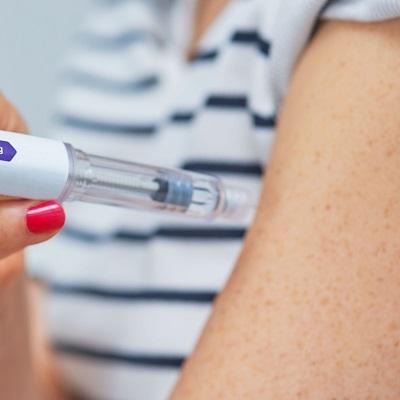
Mounjaro Injection has become an important topic for people exploring treatment options for type 2 diabetes and, where appropriate, weight management. Understanding the correct dosage, how the medication works, and what to expect during treatment can help beginners feel more informed and prepared. However, the right dosage is not the same for everyone, and treatment should always follow a qualified healthcare professional's instructions.
Mounjaro Injection contains tirzepatide, a prescription medication that acts on two hormone receptors involved in blood sugar regulation and appetite control. It is administered as a once-weekly injection and is generally introduced at a low dose before being increased gradually when necessary.
For anyone considering Mounjaro Injection, learning about the dosage schedule, injection technique, possible side effects, and safety precautions is an important first step. This beginner-friendly guide explains the essential information in a clear and practical way.
1. What Is Mounjaro Injection and How Does It Work?
Mounjaro Injection is a prescription medicine containing tirzepatide. In the United States, it is approved to improve blood sugar control in adults with type 2 diabetes, alongside diet and exercise. Tirzepatide works by activating two hormone receptors, GIP and GLP-1, which are involved in regulating blood glucose, appetite, and digestion.
The medication helps the body release insulin when blood sugar levels rise. It can also reduce the release of glucagon when appropriate, slow stomach emptying, and influence appetite and food intake. Together, these effects can support better blood sugar management and may contribute to weight loss.
Mounjaro is not insulin and should not be considered a replacement for prescribed insulin therapy. It is also not suitable for everyone, and its approved uses can vary by country. In some locations, tirzepatide is marketed under a different brand for chronic weight management.
Understanding the purpose of Mounjaro Injection helps explain why dosage adjustments are made gradually. The goal is to find an effective, well-tolerated dose while reducing the likelihood of uncomfortable side effects.
2. Mounjaro Injection Dosage: Starting Dose and Weekly Schedule
Mounjaro Injection dosage is typically increased step by step rather than starting at the highest available strength. This gradual approach gives the body time to adjust to the medication and can help limit digestive side effects.
The standard dosage schedule for adults using Mounjaro for its approved diabetes indication in the United States is generally as follows:
-
Starting dose: 2.5 mg once weekly. This initial dose is used for the first four weeks to help the body adjust. It is not intended to provide full blood sugar control.
-
First maintenance step: 5 mg once weekly. After four weeks, the dose is usually increased to 5 mg, according to the prescribed treatment plan.
-
Further increases: 7.5 mg, 10 mg, 12.5 mg, or 15 mg once weekly. If additional blood sugar control is needed and the medication is tolerated, the prescriber may increase the dose in 2.5 mg steps after at least four weeks on the current dose.
-
Maximum recommended dose: 15 mg once weekly. The appropriate maintenance dose depends on individual response, treatment goals, and tolerability.
Not every patient needs the maximum dose. Some people achieve their treatment goals at a lower strength, while others may require a gradual increase under medical supervision.
The dosage schedule should never be changed independently. Increasing the dose too quickly can make nausea, vomiting, diarrhea, and other gastrointestinal symptoms more difficult to manage. A healthcare professional can determine whether a dose increase is appropriate based on blood sugar readings, side effects, and overall progress.
It is also important to distinguish Mounjaro's diabetes indication from tirzepatide products prescribed specifically for weight management. Approved indications and dosing instructions may differ depending on the country and product.
3. How to Use Mounjaro Injection Correctly
Mounjaro Injection is generally administered once a week, on the same day each week. It can be taken at any time of day, with or without meals, according to the product instructions.
The injection is administered under the skin, rather than into a vein or muscle. Common injection sites include the abdomen, thigh, or upper arm. Another person may need to administer the injection when the upper-arm site is used, depending on the device instructions.
Beginners should follow the instructions supplied with their specific pen or injection device. The preparation and administration steps can vary by product and country.
A few general precautions can help make treatment safer:
-
Check the medication name, prescribed strength, and expiry date before use.
-
Inspect the medicine according to the package instructions and do not use it if it appears unsuitable.
-
Use the device exactly as directed in the official instructions.
-
Rotate injection sites regularly to reduce repeated irritation in the same area.
-
Never share injection pens or needles, even with another person who uses the same medicine.
-
Dispose of used needles and injection devices according to local sharps-disposal guidance.
Mounjaro should be stored according to the manufacturer's instructions, generally under refrigeration before use. It must not be frozen. Temperature limits and the period a pen may remain outside refrigeration depend on the specific product and packaging.
Anyone who is uncertain about preparing or administering the injection should receive practical guidance from a qualified healthcare professional before using it independently.
4. What Happens When the Mounjaro Dose Increases?
As treatment progresses, the body may respond differently to each dosage level. Some people notice improvements in blood sugar control early in treatment, while others require additional time and gradual adjustments.
A higher dose may provide additional benefits for certain patients, but it can also increase the likelihood of side effects. For this reason, dose increases are usually separated by at least four weeks, allowing time to assess the body's response.
Common side effects include nausea, diarrhea, reduced appetite, vomiting, constipation, indigestion, and abdominal discomfort. These symptoms are often more noticeable when treatment begins or after the dose increases. They may improve as the body adjusts, although persistent or severe symptoms require medical assessment.
Certain practical habits may help some people manage mild digestive discomfort:
-
Eating smaller meals instead of large portions.
-
Eating slowly and stopping when comfortably full.
-
Choosing foods that are easier to tolerate during periods of nausea.
-
Drinking sufficient fluids, particularly when experiencing diarrhea or vomiting.
-
Avoiding foods that seem to worsen indigestion or stomach discomfort.
These measures do not replace medical advice. Persistent vomiting, an inability to keep fluids down, or signs of dehydration should not be ignored.
Treatment progress should be evaluated using appropriate measures, such as blood glucose readings, HbA1c results, medication tolerance, and other relevant health indicators. Weight changes alone do not determine whether the prescribed dose is appropriate.
5. Important Safety Precautions Before Starting Mounjaro Injection
Although Mounjaro Injection can be beneficial for eligible patients, it has important safety considerations. A healthcare professional should review medical history, current medicines, and relevant risk factors before treatment begins.
In the United States, Mounjaro carries a boxed warning concerning thyroid C-cell tumors observed in animal studies. It is contraindicated in people with a personal or family history of medullary thyroid carcinoma or in people with multiple endocrine neoplasia syndrome type 2 (MEN 2). It is not known whether Mounjaro causes these tumors in humans.
People with a history of pancreatitis, severe digestive problems, gallbladder disease, or kidney problems associated with dehydration should discuss the relevant risks before starting treatment. Mounjaro may also increase the risk of low blood sugar when used with insulin or certain medicines called sulfonylureas. A prescriber may need to adjust those medicines.
Other important considerations include:
-
Pancreatitis: Severe, persistent abdominal pain, especially if it spreads to the back, requires urgent medical assessment.
-
Gallbladder problems: Pain in the upper abdomen, fever, jaundice, or other concerning symptoms should be evaluated promptly.
-
Severe allergic reactions: Swelling of the face or throat, difficulty breathing, or a severe widespread reaction requires emergency care.
-
Pregnancy: Tirzepatide may not be appropriate during pregnancy. Anyone who is pregnant, planning pregnancy, or becomes pregnant during treatment should contact a healthcare professional promptly.
-
Oral contraceptives: Tirzepatide can affect the absorption of oral hormonal contraceptives, particularly after starting treatment and after dose increases. The official prescribing information recommends an additional non-oral contraceptive method or a barrier method for four weeks after initiation and for four weeks after each dose increase.
Mounjaro also delays stomach emptying, which may affect certain oral medicines and is relevant before procedures involving anesthesia or deep sedation. Patients should tell their healthcare team that they use tirzepatide before any planned procedure.
A complete medication review is especially important for people taking insulin, medicines that lower blood glucose, or other treatments that may interact with changes in digestion or appetite.
6. What to Do If a Mounjaro Dose Is Missed
Missing a weekly injection can happen, particularly during the early stages of treatment. The appropriate next step depends on how much time has passed since the scheduled dose.
According to the standard US prescribing instructions, a missed dose may be administered as soon as possible within four days, or 96 hours, of the scheduled time. If more than four days have passed, the missed dose should be skipped, and the next dose should be taken on the regularly scheduled day.
The next injection should not be doubled to compensate for a missed dose. Patients should also leave at least 72 hours between two injections when changing their weekly administration day, as directed in the product instructions.
Anyone who has missed multiple doses, stopped treatment for a prolonged period, or is unsure whether to resume the previous strength should seek individualized advice before restarting. The appropriate plan can depend on the time off treatment, previous tolerance, and the prescribed regimen.
Maintaining a regular weekly routine, using a medication reminder, and keeping a written record of injection dates can make it easier to follow the treatment plan consistently.
Frequently Asked Questions About Mounjaro Injection
1. What is the starting dose of Mounjaro Injection?
The standard starting dose for adults is 2.5 mg once weekly for four weeks. It is an introductory dose designed to help the body adjust, rather than a dose intended to provide full blood sugar control. The next step is generally 5 mg once weekly, as prescribed.
2. How long does it take for Mounjaro Injection to work?
Some people notice changes in appetite or blood glucose during the first few weeks, while other benefits develop gradually. The response varies depending on the individual, the dose, and other health factors. HbA1c and other relevant measures can help assess progress over time.
3. Can Mounjaro Injection be taken every day?
No. Mounjaro is designed for once-weekly administration. Taking it daily or administering extra doses can increase the risk of serious side effects. It should always be used according to the prescribed schedule.
4. What are the most common side effects of Mounjaro Injection?
Common side effects include nausea, diarrhea, reduced appetite, vomiting, constipation, and abdominal discomfort. They may be more noticeable when treatment starts or the dosage increases. Severe or persistent symptoms should be discussed with a healthcare professional.
5. Can the Mounjaro dosage be increased without medical advice?
No. Dose increases should follow the prescribed schedule and be supervised by a qualified healthcare professional. The correct dose depends on treatment response, side effects, other medicines, and individual medical circumstances.
6. What should someone do after missing a Mounjaro injection?
Under the standard US prescribing instructions, the missed dose can be taken within 96 hours of the scheduled time. If more than 96 hours have passed, it should be skipped, and the regular weekly schedule resumed. Two doses should not be taken together to make up for a missed injection.
Mounjaro Injection can be a useful treatment option for eligible people when it is prescribed and monitored appropriately. Understanding the starting dose, gradual dosage increases, injection technique, and potential risks helps beginners approach treatment with greater confidence. The safest approach is to follow the official product instructions, maintain regular follow-up, and avoid changing the dosage without professional guidance.

 Arabic
 French
 Spanish
 Portuguese
 Deutsch
 Turkish
 Dutch
 Italiano
 Russian
 Romaian
 Portuguese (Brazil)
 Greek
