


Aluminum Door Lock Repair: Common Problems and How to Fix Them
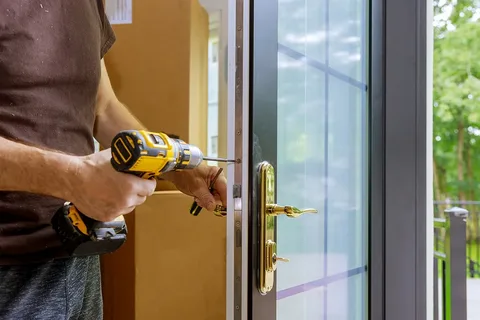
An aluminium door that refuses to lock properly can create frustration and raise concerns about security. The problem may involve a worn cylinder, a loose handle, a misaligned latch, or a damaged locking mechanism. Understanding the likely cause can help you decide whether a simple adjustment is sufficient or whether professional aluminum door lock repair is needed.
Aluminium doors are commonly used for entrances, balconies, offices, and patio areas. Their locking systems vary according to the door profile and design, so the correct repair method depends on the hardware installed.
1. Identify the Locking Problem
Start by observing how the lock behaves during normal operation.
Does the key refuse to turn? Does the handle move without retracting the latch? Does the door close properly but fail to lock?
These symptoms can point to different problems.
Common warning signs include:
-
A key that sticks or turns with difficulty
-
A loose or unresponsive handle
-
A latch that does not retract fully
-
A bolt that fails to engage with the frame
-
A lock that works only when the door is pushed or lifted
-
Grinding, clicking, or unusual resistance
Avoid repeatedly forcing a stiff key or handle. Excessive pressure can damage the cylinder or internal components and make the repair more complicated.
2. Check Whether the Door Is Misaligned
A lock may be working correctly even when the door does not secure properly.
Over time, hinges, rollers, fixings, or other hardware can wear or shift. This can change the position of the latch or bolt relative to the strike plate.
One possible sign is that the lock operates normally when the door is open but becomes difficult to use when the door is closed.
Sliding aluminium doors can also develop alignment problems if their rollers become worn or the panel no longer sits correctly in the frame.
Do not attempt to force the door into position. If it has dropped, shifted, or become difficult to close, have the alignment and related hardware inspected before replacing the lock.
3. Inspect the Handle and Cylinder
Handles and cylinders experience repeated use, making them common sources of locking problems.
A loose handle may indicate worn fixings, a damaged spindle, or a problem inside the lock body. A key that sticks may indicate wear, dirt, or damage within the cylinder.
If the handle has become loose, avoid repeatedly tightening screws without checking the underlying cause. Incorrect adjustments can damage the fittings or fail to address the problem.
Similarly, a key that no longer turns smoothly should not be forced.
A locksmith can assess whether the issue requires adjustment, cylinder replacement, or repair of the complete locking mechanism.
4. Understand the Type of Lock Installed
Not every aluminium door uses the same locking system.
Some doors have a basic latch and cylinder, while others use mortise locks or multipoint mechanisms that secure the door at several points.
Sliding doors may use hook locks or other mechanisms designed specifically for their frame configuration.
This distinction matters because a replacement component must fit the existing door profile and locking arrangement.
Before purchasing a replacement, check the lock's dimensions, fixing positions, handle configuration, and cylinder requirements. A lock that looks similar may still be incompatible.
For more complicated systems, aluminium door lock repair services can help determine whether the mechanism can be repaired or needs replacement.
5. When Should You Replace the Lock?
Repair is not always the best option.
Replacement may be appropriate when the lock body is cracked, internal parts are badly worn, the cylinder has sustained damage, or the mechanism repeatedly fails despite previous repairs.
You may also consider changing the lock after losing a key, moving into a new property, or discovering that an unauthorised person may have access.
Before approving replacement, ask whether the existing hardware can be repaired and whether the proposed new lock is compatible with the door.
Replacing the entire system unnecessarily can increase costs, while attempting to preserve a badly damaged mechanism may leave the door unreliable.
6. Do Not Overlook Weatherstripping
The locking mechanism is not the only component that affects how an aluminium door closes.
Weatherstripping and seals help limit drafts, dust, and moisture around the door or window frame. When these materials deteriorate, the door may not sit or seal as intended.
Look for cracked rubber, flattened sections, loose material, or visible gaps around the edges.
However, not every closing problem is caused by a damaged seal. Door alignment, hinges, rollers, and locking hardware should also be considered.
If seals have become brittle or damaged, weatherstripping and seal replacement may be appropriate for compatible door and window systems.
Correctly sized replacement seals help restore contact around the frame without preventing the door from closing normally.
7. What to Do If the Lock Fails Completely
If the lock stops working altogether, first determine whether you can still open and close the door safely.
Avoid kicking the door, forcing the handle, or attempting to dismantle the mechanism without suitable tools. These actions may damage the aluminium profile or surrounding hardware.
If the door cannot be secured, prioritise the property's safety and arrange professional assistance.
When contacting a repair service, explain the door type, the symptoms, and whether the door is currently locked open or closed. Clear information can help the technician prepare for the job.
8. Prevent Future Lock Problems
Regular checks can help identify wear before a lock fails completely.
-
Operate the handle and key gently.
-
Check for loose handles and visible damage.
-
Keep the door track clean where applicable.
-
Watch for changes in how the door closes.
-
Inspect seals for cracks or deterioration.
-
Arrange repairs when the lock begins sticking repeatedly.
Use only maintenance products recommended for the specific lock. Unsuitable oils or excessive lubricant can attract dirt or affect some components.
If a lock becomes progressively harder to operate, address the problem rather than waiting for complete failure.
Final Thoughts
Aluminum door lock repair begins with identifying the actual cause of the problem. A stiff key, loose handle, misaligned door, worn cylinder, or damaged lock body may require a different solution.
Check the door's movement, avoid forcing the mechanism, and confirm compatibility before buying replacement hardware. Also inspect the seals and surrounding fittings, as these can affect how the door closes.
Timely maintenance and appropriate repairs can help keep aluminium doors working reliably while reducing the risk of unexpected lock failure.
 Russian
 English
 Arabic
 French
 Spanish
 Portuguese
 Deutsch
 Turkish
 Dutch
 Italiano
 Romaian
 Portuguese (Brazil)
 Greek
