


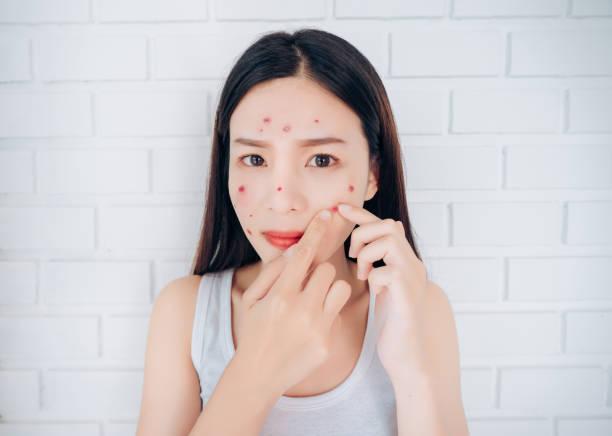
Walk into any skincare aisle and you'll find shelves of products promising to clear acne. Labels shout about "oil-free," "non-comedogenic," "dermatologist-tested," and "gentle." But what do these terms actually mean, and which ones matter? Acne Treatment in Riyadh Understanding how to read acne product labels helps you choose effective products, avoid irritants, and stop wasting money on marketing claims. If you're considering Acne Treatment in Riyadh, here's a practical guide to decoding labels correctly.
Why Label Reading Matters
Marketing vs. Meaning
Many terms on packaging are marketing tools rather than regulated claims. Knowing which is which helps you focus on what's actually useful.
Ingredients Determine Results
The active ingredients are what treat acne. Everything else is secondary.
Irritants Can Worsen Acne
Some products contain ingredients that irritate skin, triggering more breakouts and delaying healing.
Cost Isn't a Guarantee
Expensive products aren't automatically better. Understanding labels helps you assess value.
Key Active Ingredients
Salicylic Acid
A beta-hydroxy acid that penetrates pores and helps unclog them. Typically found in concentrations of 0.5% to 2%.
Benzoyl Peroxide
Kills acne-causing bacteria and reduces inflammation. Available in concentrations from 2.5% to 10%.
Retinoids
Prescription retinoids like tretinoin or adapalene address comedones and inflammation. Adapalene is available over the counter in some regions.
Alpha-Hydroxy Acids
Glycolic and lactic acids exfoliate and improve texture, though they're less directly acne-fighting than salicylic acid.
Azelaic Acid
Reduces inflammation and pigmentation. Useful for acne and post-acne marks.
Niacinamide
Reduces inflammation and regulates oil. Often included in formulations.
Understanding Common Label Terms
"Non-Comedogenic"
Means the product is formulated not to clog pores. It's a useful claim, though not strictly regulated.
"Oil-Free"
The product contains no added oils. Useful for oily skin, but doesn't guarantee the product won't clog pores.
"Dermatologist-Tested"
Means the product was tested on dermatologist-supervised subjects. It doesn't mean it was tested by dermatologists or that it's effective.
"Hypoallergenic"
Suggests lower allergy risk, but there's no standard definition. It's a claim, not a guarantee.
"Gentle"
Unregulated. Any product can claim to be gentle.
"Clinically Proven"
Vague. Ask: proven for what, in how many people, and compared to what?
"Natural"
Doesn't mean safe or effective. Some natural ingredients irritate skin.
What to Look For
Actives at Effective Concentrations
Check that the active ingredient is present at a concentration known to be effective.
Fragrance-Free
Fragrance is a common irritant. Fragrance-free products are generally safer for acne-prone skin.
Simple Ingredient Lists
Fewer ingredients mean less risk of irritation.
Non-Comedogenic Claims
Useful as a guide, though not a guarantee.
Formulation Suitability
Gels and lightweight lotions suit oily skin. Creams suit drier skin.
What to Avoid
High Alcohol Content
Denatured alcohol can strip and irritate skin.
Heavy Fragrance
Fragrance is a common irritant.
Comedogenic Oils
Coconut oil, cocoa butter, and some other oils can clog pores.
Overly Harsh Scrubs
Physical exfoliants can irritate acne-prone skin.
Products With Too Many Actives
Layering multiple actives increases irritation risk.
How to Build a Simple Routine
Cleanser
A gentle, fragrance-free cleanser suitable for your skin type.
Treatment
One active ingredient, introduced gradually.
Moisturiser
A lightweight, non-comedogenic moisturiser.
Sunscreen
A broad-spectrum, non-comedogenic sunscreen.
When to Seek Professional Help
Persistent Acne
If over-the-counter products haven't worked after eight to twelve weeks.
Scarring
Early scarring is easier to treat than mature scars.
Hormonal Signs
Irregular cycles or sudden changes warrant investigation.
Irritation
If products cause persistent irritation, professional guidance helps. A Acne Treatment in Riyadh consultation should include product guidance tailored to your skin. People searching for acne treatment near me should look for practitioners who can help decode labels and build effective routines.
Questions to Ask During Consultation
About Products
"Which products suit my skin type and acne severity?"
About Ingredients
"Which active ingredients should I use?"
About Irritants
"What should I avoid?"
About Routine
"How should I structure my routine?"
About Expectations
"How long until I see results?"
Book an Appointment Consultation Clinic
For those seeking expert guidance and customized aesthetic care, you can book an appointment consultation at the Enfield Royal Riyadh. A personalised consultation helps you choose the right products and build a routine suited to your skin.
FAQs
What does non-comedogenic mean?
It means the product is formulated not to clog pores. It's a useful claim but not strictly regulated.
Which active ingredient is best for acne?
Salicylic acid and benzoyl peroxide are common over-the-counter options. Retinoids are effective prescription treatments.
Is oil-free better for acne?
It can be helpful for oily skin, but it doesn't guarantee the product won't clog pores.
How long until acne products work?
Most products need six to twelve weeks to show meaningful improvement.
What should I avoid in acne products?
High alcohol content, heavy fragrance, comedogenic oils, and harsh scrubs. A Acne Treatment in Riyadh consultation should include product guidance tailored to your skin.

 English
 Arabic
 French
 Spanish
 Portuguese
 Turkish
 Dutch
 Italiano
 Russian
 Romaian
 Portuguese (Brazil)
 Greek
