


Engineering, Usability, and Design in Modern Axial Ventilation Systems
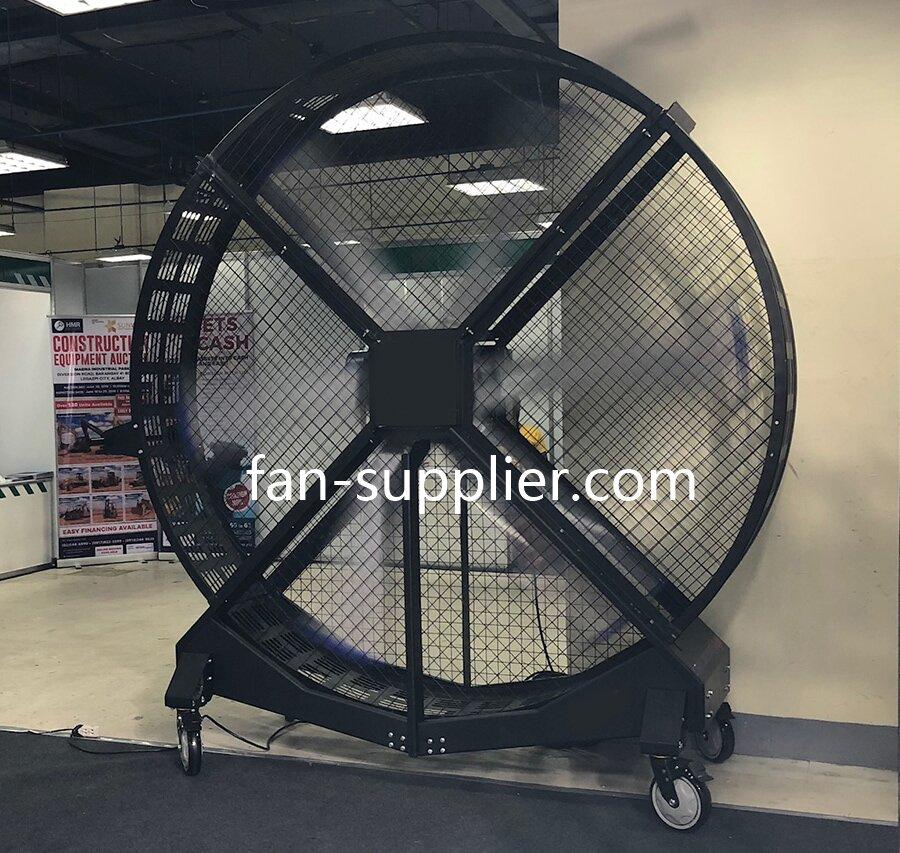
Air movement plays an important role in industrial environments where machinery generates heat, work areas need fresh air circulation, or equipment enclosures require ventilation. Choosing an Axial Fan Manufacturer involves understanding how fan construction and engineering relate to the intended application, rather than focusing on the product's appearance alone. An axial fan moves air primarily along the direction of its rotating shaft, but its practical performance also depends on the motor, blade geometry, housing, installation arrangement, and surrounding airflow path. Considering these elements together helps businesses identify equipment that fits their facilities and supports their daily operating processes.
Material selection influences how a fan withstands mechanical stress and environmental exposure. Steel housings can provide structural strength, while aluminum may be considered when reducing equipment weight is important. The suitability of either material depends on the installation environment, expected handling, and exposure to moisture, dust, or corrosive substances. Impeller materials must maintain their shape during rotation and resist deterioration under normal operating conditions. Protective coatings may help preserve exposed surfaces, while bearings, fasteners, seals, and electrical insulation contribute to the reliability of the complete assembly. Material decisions should also account for cleaning procedures and maintenance access. Buyers benefit from understanding the materials used throughout the fan rather than judging its durability solely by the outer casing.
Selecting an axial fan starts with identifying the purpose of the airflow. A facility may need general air circulation, ventilation for a machinery room, cooling for an electrical enclosure, or air movement through an existing duct system. Each application creates different demands. Buyers should review the available installation space, airflow direction, system resistance, nearby obstructions, and the conditions under which the fan will operate. Environmental factors such as humidity, dust, temperature, and exposure to chemicals may affect the equipment choice. Electrical compatibility and maintenance access are also important, especially when the fan must fit into an established production line. A useful supplier discussion covers the entire installation rather than treating the fan as an isolated component.
The technical design of an axial fan centers on the interaction between the motor and the impeller. As the motor rotates the blades, the blade angle and profile influence how air is moved through the housing. The casing helps guide airflow, while guards can reduce access to rotating parts. Motor mounting and shaft alignment affect mechanical stability, and the overall assembly must be designed to manage vibration during operation. The fan's surroundings also influence its behavior: blocked inlets, restricted outlets, poorly arranged ductwork, or nearby surfaces can disrupt airflow. For this reason, installation guidance is an important part of the equipment selection process. A well-designed fan still needs a suitable operating environment to deliver the intended ventilation result.
Manufacturing and quality-control practices help translate engineering plans into consistent products. Accurate component fabrication supports the alignment of the impeller, motor, and housing, while careful assembly helps prevent unnecessary mechanical interference. Inspection procedures may include checking the integrity of guards, the security of electrical connections, the condition of rotating parts, and the consistency of assembly. Surface finishing can protect exposed materials and help maintain a suitable appearance during service. For applications that require specialized electrical or environmental protection, the manufacturer should provide documentation that clearly identifies the equipment's intended conditions of use. These practices help purchasing teams assess not only what a fan is designed to do, but also how its construction and verification support the planned application.
User experience in industrial facilities depends on how conveniently equipment can be installed, operated, inspected, and maintained. Accessible mounting points can simplify installation, while a practical housing layout makes it easier for technicians to inspect guards and connection areas. Clear product labels and operating instructions help personnel understand the equipment's intended use. During routine service, technicians should be able to follow established procedures for cleaning, checking fasteners, inspecting bearings, and identifying signs of wear. Dust accumulation on blades or ventilation openings can interfere with operation, making regular inspection important. Unusual noise, vibration, or visible damage should be investigated according to the manufacturer's guidance. A maintenance-friendly design can help teams carry out these tasks without creating unnecessary disruption to other work.
Design and appearance influence how a fan integrates with industrial equipment and facility layouts. A compact housing may suit restricted spaces, while a different frame arrangement may be more appropriate for wall-mounted or duct-connected installations. The positioning of guards, mounting brackets, cable entries, and service access points affects both the product's appearance and practical use. Coatings and finishes should be appropriate for the environment, particularly where moisture or airborne contaminants may be present. Clear labeling and an organized exterior can make equipment easier to identify during inspection. However, visual design should support structural suitability, airflow requirements, and maintenance access rather than take priority over them.
Zhejiang Shenli Explosion proof Electromechanical Co., Ltd. operates in the industrial fan and explosion-proof electromechanical equipment sector. Businesses evaluating axial ventilation products can discuss their airflow objectives, installation arrangements, environmental conditions, electrical requirements, and maintenance practices with the company. Where a facility contains potentially hazardous gases, vapors, or combustible dust, buyers should confirm the area classification and verify that the proposed equipment and its documentation are suitable for the intended application. Further information about the company's industrial fan products and related solutions is available at https://www.fan-supplier.com.
 French
 English
 Arabic
 Spanish
 Portuguese
 Deutsch
 Turkish
 Dutch
 Italiano
 Russian
 Romaian
 Portuguese (Brazil)
 Greek
