


Plasma Pen Treatment for Upper Eyelids: A Complete Guide
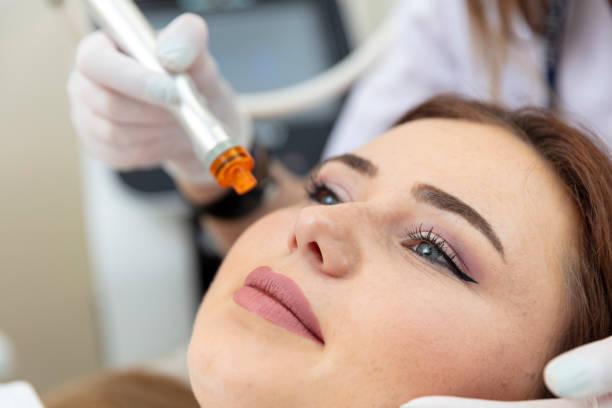
The upper eyelids can gradually develop loose skin and fine lines as collagen production decreases with age. Sun exposure, genetics, and natural changes in skin elasticity may also contribute to a heavier or more tired-looking appearance. For people exploring facial plasma in riyadh, understanding how this procedure works, what it may achieve, and which safety considerations matter is essential before choosing a cosmetic treatment for the delicate eye area.
Upper eyelid concerns can vary significantly. Some people notice mild skin laxity, while others experience substantial excess skin that affects their appearance or interferes with their field of vision. These concerns may require different approaches, so a professional assessment is important before proceeding with any cosmetic procedure.
What Is Plasma Pen Treatment for Upper Eyelids?
Plasma pen treatment is a cosmetic procedure that uses a device to produce a small electrical arc, creating a controlled thermal effect on the skin's surface. The resulting tiny areas of injury activate the body's natural healing response. The procedure is marketed for selected concerns involving mild skin laxity and fine lines.
For the upper eyelids, the intended cosmetic effect is some improvement in the appearance of loose skin. However, plasma pen treatment does not surgically remove excess tissue, and the amount of tightening is unpredictable. It should not be assumed to provide results equivalent to blepharoplasty, the surgical procedure used to remove excess eyelid skin when appropriate.
Because the upper eyelids are close to the eyes, treatment requires particular caution. Anyone considering Plasma Pen Treatment in Riyadh should consult a qualified professional who understands the anatomy of the eyelid area and can explain whether this procedure is suitable.
How Does Plasma Pen Treatment Work?
The Skin's Healing Response
The device creates localized thermal injury at selected points on the skin. During recovery, the body begins a healing process that includes inflammation and tissue repair. This process is promoted as a way to encourage a tighter-looking skin surface.
However, the extent of any cosmetic improvement varies, and strong evidence supporting plasma pen treatment for upper eyelid tightening remains limited. The procedure may not address deeper structural changes, significant excess skin, or problems involving eyelid position. A responsible practitioner should explain these limitations clearly.
Who May Consider the Procedure?
The procedure is sometimes marketed to adults with mild upper eyelid skin laxity who are interested in nonsurgical cosmetic options. Suitability depends on skin condition, medical history, eye health, and realistic expectations.
People with substantial excess skin, drooping that affects vision, active skin infections, impaired wound healing, or a history of abnormal scarring may need a different approach or further medical evaluation. A practitioner should assess the eyelids rather than relying on photographs or general descriptions alone.
What to Expect Before Treatment
Consultation and Medical Assessment
Before treatment, the practitioner should review your medical history, medications, previous cosmetic procedures, and any eye-related conditions. They should examine the upper eyelids and determine whether the concern involves mild skin laxity, excess skin, or a separate issue such as eyelid drooping.
Ask about the practitioner's qualifications, experience with treatments around the eyes, expected recovery, and potential complications. The consultation should also cover alternatives, including whether an ophthalmologist or an oculoplastic specialist should assess the area. If loose skin interferes with your vision, a cosmetic plasma pen procedure should not replace a proper medical evaluation.
Preparing for the Procedure
Follow the practitioner's instructions about skincare, medications, and preparation. Do not stop prescribed medication unless the prescribing clinician advises you to do so. Inform the provider about allergies, previous reactions to topical anesthetics, dry-eye symptoms, and any history of eyelid surgery.
The practitioner should explain the safety measures used to protect the eyes and identify areas that should not be treated. Treatment should not proceed if appropriate precautions or suitable expertise are unavailable.
What Happens During Plasma Pen Treatment?
If the procedure is considered appropriate, the treatment area is generally cleansed, and a topical anesthetic may be applied according to the provider's protocol. The device is then used to create small points of controlled thermal injury on selected skin areas. You may experience warmth, stinging, or discomfort.
The appointment length depends on the treatment plan and the area involved. Because the procedure deliberately injures the skin, redness, swelling, and small scabs are expected possibilities afterward. The delicate upper eyelid area requires particular care, and treatment close to the eye can pose serious risks if performed improperly.
Recovery and Aftercare
Swelling, Redness, and Scabbing
Swelling, redness, tenderness, and tiny scabs may develop after treatment. Eyelid swelling can be noticeable because the surrounding skin is thin and delicate. Recovery varies depending on the treatment intensity and the individual's healing response.
Do not pick at scabs, rub the eyelids, or remove crusts prematurely. These actions can increase the risk of infection, scarring, and pigmentation changes. Follow the practitioner's aftercare instructions and avoid makeup or irritating skincare products until the treated skin has healed sufficiently.
Protecting the Eye Area
Avoid direct sun exposure and tanning during recovery. Once the skin is ready for sunscreen, follow professional advice about products suitable for use around the eyes. Sunglasses can provide additional protection outdoors.
Contact a healthcare professional if you notice worsening pain, increasing redness, discharge, or other signs of infection. Eye pain, changes in vision, or significant eye swelling require prompt medical assessment. These symptoms should not be treated as routine recovery effects.
Potential Benefits and Limitations
Some people seek plasma pen treatment because it is marketed as a nonsurgical approach to mild skin laxity. However, any improvement is variable, and the procedure may not provide a meaningful result for every individual. It does not remove excess skin or reliably correct significant eyelid drooping.
Plasma Pen Treatment in Riyadh should be considered only after discussing realistic expectations and available evidence with a qualified professional. Before-and-after photographs may help illustrate possible outcomes, but they cannot guarantee that another person will achieve a similar result.
Risks and Safety Considerations
Plasma pen treatment is not risk-free. Potential complications include burns, infection, prolonged swelling, scarring, uneven skin texture, and temporary or persistent pigmentation changes. Because the treatment is performed close to the eyes, improper technique may also lead to serious eye injury.
People with a history of abnormal scarring, impaired wound healing, certain skin conditions, or active infections should discuss their suitability carefully. The provider should explain the risks in a clear, balanced way and recommend an alternative if the potential harms outweigh the likely benefits.
Plasma Pen Treatment vs. Upper Eyelid Surgery
Plasma pen treatment and upper eyelid surgery address different levels of concern. A plasma pen procedure is intended to affect the skin's surface, whereas blepharoplasty can remove excess eyelid skin when medically and cosmetically appropriate. Surgery involves its own risks and recovery, but it may be more suitable for significant skin excess.
The best option depends on the amount of loose skin, eyelid function, eye health, and personal goals. A qualified professional can help determine which approach is appropriate rather than assuming a nonsurgical procedure is always the better choice.
Is Plasma Pen Treatment Right for Your Upper Eyelids?
The upper eyelids require careful evaluation before any skin-tightening procedure. Mild laxity, significant excess skin, and functional eyelid problems should not be treated as the same concern. Understanding the potential results, risks, and alternatives can help you make a safer, more informed decision.
If you are considering Plasma Pen Treatment in Riyadh, contact Royal Clinic Saudia to arrange a consultation and discuss suitable options for your eyelid concerns. A professional assessment can help clarify whether the procedure is appropriate and explain the benefits, limitations, and safety measures to consider.
 Greek
 English
 Arabic
 French
 Spanish
 Portuguese
 Deutsch
 Turkish
 Dutch
 Italiano
 Russian
 Romaian
 Portuguese (Brazil)
