


Fat Melting Injections for Addressing Common Body Contouring Concerns
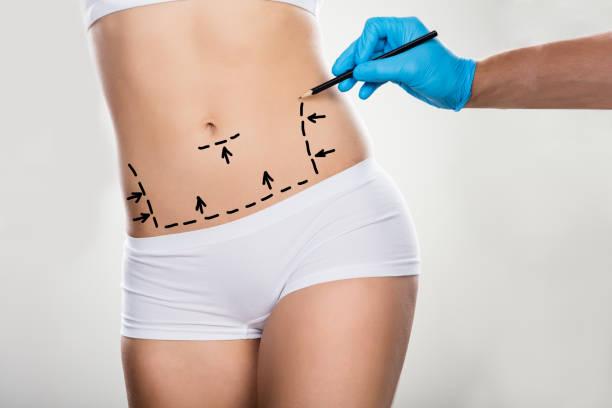
Many people explore body contouring treatments to improve the appearance of localized fat deposits and achieve more balanced body proportions. Areas such as the abdomen, waist, upper arms, thighs, and beneath the chin may develop fullness that remains noticeable despite maintaining a relatively stable weight. Fat melting injections in Riyadh are one option people may consider when exploring non-surgical approaches to specific cosmetic concerns.
These injections are designed to target fat cells in selected areas, allowing the body to gradually process the affected cells. However, their suitability depends on the product, treatment location, skin condition, and individual anatomy. They are not intended for general weight loss and cannot address every cause of unwanted fullness. Understanding the limitations, potential benefits, and safety considerations is essential before choosing a body contouring treatment.
How Fat Melting Injections Address Localized Fat
Fat-melting injections contain active substances intended to damage fat cells within a targeted area. Following treatment, the body gradually processes the affected cells and their contents. If the product is appropriate for the treatment area and produces the intended response, localized fullness may decrease over time.
The evidence and authorized uses differ between products. For example, certain deoxycholic acid products are approved for reducing fat beneath the chin in some countries. This does not automatically mean they are approved or suitable for the abdomen, thighs, upper arms, or other body areas. Products marketed as fat dissolvers may also differ in formulation, safety, and supporting clinical evidence.
Before proceeding, patients should ask which product is being recommended, whether it is authorized for the intended area, and what outcomes can realistically be expected. A qualified clinician can assess whether injectable treatment is appropriate or whether another approach would better address the concern.
Addressing Stubborn Fat Around the Abdomen and Waist
Localized fullness around the abdomen and waist is a common body contouring concern. Some people notice small areas of fat that remain despite regular exercise and a stable weight. This can influence how clothing fits and how the body's overall profile appears.
However, abdominal fullness can have several causes, including subcutaneous fat beneath the skin, deeper abdominal fat, bloating, and loose skin. These concerns do not respond to the same treatments. Fat-melting injections are not a general solution for abdominal weight gain, and products approved for one body area should not automatically be used elsewhere.
A professional assessment can help identify the underlying concern and determine whether an appropriate treatment is available. When the goal involves substantial fat reduction or extensive changes in body shape, other options may be more suitable.
Improving the Appearance of the Upper Arms and Thighs
Fullness in the upper arms and thighs can affect body proportions and may be a concern for people seeking more defined contours. The suitability of injectable fat reduction depends on the amount and location of fat, skin elasticity, and the product's evidence and authorization for that particular area.
Loose skin can complicate treatment decisions. If the skin does not adapt well after a reduction in underlying volume, the area may continue to look loose or uneven. Fat-reduction injections are not designed to remove excess skin or guarantee skin tightening.
Patients should discuss their expectations with a qualified clinician before selecting a procedure. An assessment can help establish whether localized fat is the main concern and whether a non-surgical approach is likely to provide a meaningful improvement.
Reducing Fullness Beneath the Chin
Fullness beneath the chin can affect the definition of the jawline and the transition between the face and neck. In some countries, certain deoxycholic acid products are approved for reducing submental fat in appropriately selected adults.
The treatment may be considered when localized fat is the main cause of fullness. However, skin laxity, chin projection, and natural facial anatomy can also affect the appearance of the area. Injectable treatment may provide limited improvement when fat is not the primary concern.
Because important nerves and other structures are located around the chin and neck, accurate assessment and appropriate administration are essential. Patients should confirm the product's authorized use and discuss its potential benefits and complications with a qualified medical professional.
Understanding the Difference Between Fat and Loose Skin
One of the most important steps in body contouring is identifying whether the concern relates to fat, loose skin, or a combination of both. These issues may appear similar, but they require different approaches.
Fat-reduction injections target fat rather than directly tightening or removing excess skin. When skin elasticity is limited, reducing the underlying volume may not produce a smooth contour. In some cases, additional fat reduction could make existing skin laxity more noticeable.
Age, genetics, previous weight changes, and natural skin characteristics can all influence the outcome. A clinician should evaluate skin quality and fat distribution together before recommending treatment. If loose skin is the primary concern, another procedure may be more appropriate.
What Results Can Patients Realistically Expect?
Results vary depending on the product, treatment area, amount of localized fat, and individual response. When treatment is suitable and effective, changes generally develop gradually as the body processes the affected fat cells. Temporary swelling, tenderness, or bruising may initially affect the appearance of the treated area.
Some treatments may involve multiple sessions, but additional injections do not guarantee better results. Follow-up decisions should be based on the product instructions, recovery, and the clinician's assessment of the response.
Patients should understand that body contouring is different from weight loss. Injectable treatments are generally intended for selected, localized concerns rather than substantial reductions in body weight. Discussing goals and limitations before treatment helps establish realistic expectations and avoid unnecessary procedures.
Safety Considerations Before Choosing Treatment
Fat-melting injections are medical procedures and are not risk-free. Common side effects may include swelling, bruising, redness, tenderness, and temporary changes in sensation. Depending on the substance and injection site, complications can include infection, uneven contours, persistent lumps, skin injury, or damage to nearby nerves and other structures.
Safety depends on the specific product, its authorized use, the injection technique, and the provider's qualifications. Patients should disclose relevant medical conditions, allergies, medications, and previous cosmetic procedures during their consultation.
It is also important to ask about the evidence supporting the treatment, possible alternatives, recovery requirements, and signs of complications. Patients should be cautious of providers who promise dramatic results or claim that one product can safely treat every area of the body.
Supporting Long-Term Body Contours
Maintaining a stable weight and following sustainable health habits may help support overall body composition. Balanced nutrition, regular physical activity, and adequate sleep contribute to general well-being, although they cannot guarantee a specific cosmetic outcome.
Fat-reduction treatment does not prevent remaining fat cells from enlarging if body weight increases. Aging and changes in skin elasticity may also affect the appearance of treated areas over time. A long-term approach should therefore focus on realistic goals, appropriate treatment selection, and healthy routines rather than relying on injections alone.
Book a Consultation at Royal Clinic Saudi
People considering Fat melting injections in Riyadh can contact Royal Clinic Saudi to discuss their body contouring concerns and explore suitable options. A qualified clinician can assess the treatment area, review relevant medical history, and explain the potential benefits, limitations, and risks of the available procedures. This personalized assessment helps patients understand whether injectable fat reduction is appropriate for their needs or whether another approach may provide a better outcome.
FAQs:
1. What body contouring concerns can fat melting injections address?
Certain products may be suitable for specific localized fat deposits, depending on their authorized use. They cannot address every cause of fullness or provide general weight loss.
2. Can fat melting injections treat both fat and loose skin?
No. These injections are designed to target fat rather than directly tighten or remove excess skin. A clinician can assess whether another treatment is more appropriate for skin laxity.
3. How long does it take to notice body contouring results?
Changes generally develop gradually, and temporary swelling may affect the initial appearance. The timeline and degree of improvement depend on the product, treatment area, and individual response.
4. How do I know which body contouring treatment is right for me?
A consultation with a qualified medical professional can help identify the cause of the concern, assess suitability, and compare the potential benefits and risks of available treatments.

 English
 French
 Spanish
 Portuguese
 Deutsch
 Turkish
 Dutch
 Italiano
 Russian
 Romaian
 Portuguese (Brazil)
 Greek
