


Choosing Wastewater Pumping Equipment for Demanding Industrial Environments
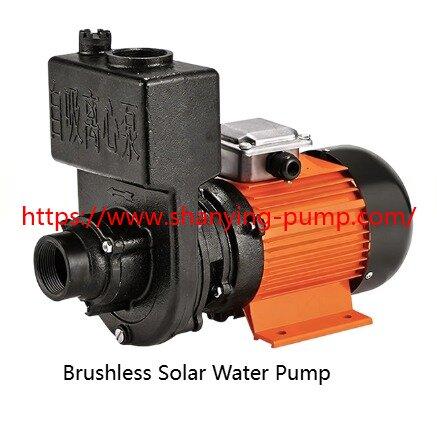
Managing wastewater in an industrial facility involves more than moving liquid from one location to another, because fluid composition, suspended particles, and site conditions can all affect equipment performance. Choosing an Industrial Wastewater Pump requires careful consideration of the materials being handled, the surrounding environment, and the demands of the wider treatment process. A suitable pumping solution should support dependable fluid transfer while allowing maintenance teams to inspect, clean, and service the equipment in a practical way.
Material selection is especially important when wastewater contains chemicals, detergents, oils, abrasive particles, or other substances that may affect pump components. Materials used in the pump body, impeller, shaft, and seals need to be appropriate for the fluid and its operating environment. Corrosion resistance can be important in applications involving chemically aggressive wastewater, while resistance to abrasion matters when solids are present. No single material suits every application, so buyers should provide accurate information about the fluid composition and any known contaminants. This helps equipment specialists assess material compatibility rather than relying on broad descriptions such as heavy-duty or industrial-grade.
The first step in selecting a pump is understanding the actual wastewater stream. Wastewater from food processing, metalworking, chemical production, and general manufacturing can have very different characteristics. Some streams contain fibers or suspended solids, while others may include sticky residues or fluids that vary during different production stages. Buyers should consider how the wastewater is collected, whether solids need to pass through the pump, and whether the fluid's characteristics change over time. They should also review the layout of the collection system and the destination of the discharged liquid. A clear understanding of these conditions creates a more useful basis for comparing available pumping options.
Pump construction and hydraulic design influence how effectively the equipment handles its intended application. The impeller, internal flow passages, and inlet arrangement all affect the movement of liquid through the pump. When wastewater contains solids, the ability to handle those materials without frequent blockage becomes an important selection factor. For fluids with abrasive characteristics, the design should also be evaluated in relation to component wear and the maintenance practices needed to manage it. Buyers should ask how a proposed pump is intended to handle the specific wastewater involved and what operating conditions may affect its performance.
The pump must also work as part of a larger wastewater management system. Collection tanks, treatment units, pipelines, valves, and discharge points influence how fluid moves through the facility. A pump that suits the liquid itself may still be a poor fit if its installation creates difficult pipe routing or inconvenient access for maintenance. Reviewing the complete flow path helps identify potential restrictions, unnecessary bends, and other layout issues before installation. It is also useful to clarify whether the pump will operate continuously, intermittently, or as part of an automated treatment sequence, since operating patterns influence equipment selection and maintenance planning.
Operational control can make wastewater handling easier to manage. Depending on the application, facilities may need to coordinate pumping with tank levels, treatment stages, or changes in wastewater collection. Suitable control arrangements can help operators understand when the pump is running and recognize conditions that require attention. Protective functions may also help reduce the risk of damage under unsuitable operating conditions. Buyers should focus on the functions that address their actual site requirements rather than choosing complexity for its own sake. Clear operating instructions and practical monitoring arrangements can make the equipment easier for staff to manage.
Maintenance and user experience deserve careful evaluation before purchase. Wastewater equipment may accumulate deposits, encounter solids, or experience wear as part of normal service. Convenient access to inspection points, replaceable components, and cleaning areas can help technicians complete routine work more efficiently. Buyers should ask how blockages are addressed, which components require regular inspection, and how replacement parts and technical assistance are obtained. Maintenance planning should also account for safe isolation of the equipment before servicing. Clear documentation and staff training can help establish consistent procedures and reduce confusion when problems arise during operation.
The physical design of the pump and its installation arrangement affect both usability and the appearance of the working area. A compact, well-organized structure may simplify installation where space is limited, while accessible lifting or service points can support inspection and removal when maintenance is necessary. Protective coatings and carefully finished external surfaces may also help the equipment withstand the surrounding environment, provided they are appropriate for the site conditions. A tidy installation with organized piping and clear access routes can make the pumping area easier to inspect. However, appearance should always support practical requirements such as safe access, suitable protection, and serviceability.
For industrial facilities reviewing wastewater handling options, Taizhou Shanying Pump Co., Ltd. provides a starting point for exploring pumping equipment and discussing application needs. Buyers can prepare useful information about wastewater composition, solids content, installation conditions, operating patterns, and maintenance expectations before comparing potential solutions. These details help create a more focused conversation about pump suitability and integration with existing treatment systems. Further information about the company and its products is available at https://www.shanying-pump.com/.

 English
 Arabic
 French
 Spanish
 Portuguese
 Deutsch
 Turkish
 Dutch
 Russian
 Romaian
 Portuguese (Brazil)
 Greek
