


Islamic Books for Beginners: A Guide to Essential Reading
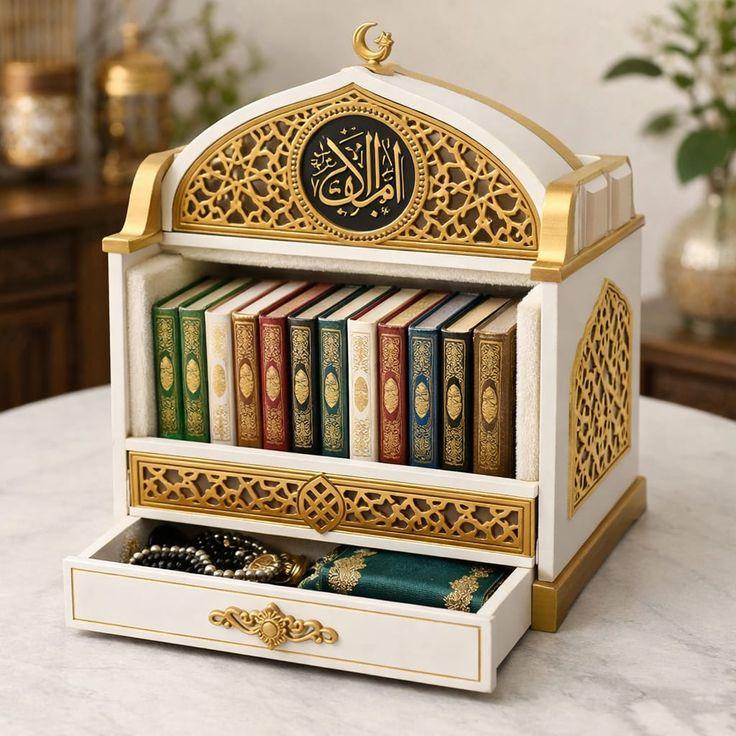
Starting your journey into Islamic reading can feel overwhelming when you see so many books covering the Quran, Hadith, Seerah, Islamic history, and spirituality. You may wonder which book to read first, which authors to trust, and how to build a reading habit that helps you understand Islam more deeply.
The good news is that you do not need to read everything at once. A few carefully selected books can help you understand the foundations of Islam, strengthen your faith, and apply Islamic teachings to everyday life.
Whether you prefer English or Urdu, this guide will help you choose Islamic books for beginners and build a reading list that suits your interests and current level of knowledge.
Why Should Beginners Read Islamic Books?
Islamic books provide an opportunity to study religious teachings at your own pace. Unlike short articles or social media posts, books allow you to explore a subject in greater detail, revisit important points, and reflect on what you learn.
For beginners, reading can help clarify essential beliefs, explain the purpose of worship, and introduce the life of Prophet Muhammad (peace be upon him).
Regular reading can help you:
-
Understand the basic beliefs and practices of Islam.
-
Learn about the Quran and its guidance for daily life.
-
Understand the character and teachings of Prophet Muhammad (peace be upon him).
-
Develop patience, honesty, gratitude, and good manners.
-
Build a stronger foundation before studying advanced religious subjects.
The best approach is to begin with reliable, easy-to-understand books and gradually move towards more detailed works.
1. Start with the Quran and Its Translation
The Quran should be at the centre of every Muslim's learning journey. It provides guidance on faith, worship, morality, family relationships, justice, and human responsibility.
If you are a beginner, consider reading a reliable translation in a language you understand well. Readers who want a deeper explanation can also consult an accessible Tafseer written by a recognised scholar.
Do not feel pressured to read large portions every day. Begin with a few verses, understand their meaning, and reflect on how they relate to your life.
For example, when reading about patience or gratitude, consider how you can practise these qualities in your relationships and daily decisions.
Best for: Beginners who want to understand the primary source of Islamic guidance.
2. Read a Beginner-Friendly Book on Islamic Beliefs
Before moving into specialised topics, learn the foundations of Islamic belief. Introductory books explain concepts such as Tawheed, prophethood, revelation, accountability, and the Hereafter.
These subjects help readers understand what Muslims believe and why these beliefs shape Islamic worship and conduct.
Choose a book that explains important concepts in straightforward language and supports its discussion with reliable references. If a subject becomes complicated, consult a qualified scholar rather than relying on an isolated passage.
Building a solid foundation makes it easier to understand more advanced Islamic literature later.
Best for: New learners and readers who want to strengthen their understanding of Islamic beliefs.
3. Choose a Book on the Seerah of Prophet Muhammad (Peace Be Upon Him)
Seerah books describe the life of Prophet Muhammad (peace be upon him), from his early years to the establishment of the Muslim community.
For beginners, the Seerah offers more than historical information. It demonstrates how the Prophet showed patience during hardship, treated others with kindness, fulfilled his responsibilities, and remained committed to his mission.
Choose an accessible, well-researched book that draws on reliable historical accounts. As you read, focus on the lessons behind important events and consider how they apply to modern life.
Best for: Readers who want to understand the Prophet's life and follow his example.
4. Study Hadith Through Accessible Collections
Hadith literature records the sayings, actions, and approvals of Prophet Muhammad (peace be upon him). It helps Muslims understand many aspects of worship, personal conduct, and social responsibilities.
Beginners may benefit from a carefully selected collection of authentic hadith with clear explanations. Riyad as-Salihin by Imam al-Nawawi is a widely read collection that covers sincerity, repentance, patience, remembrance of Allah, and good character.
Start with manageable sections instead of trying to complete an entire collection quickly. Pay attention to the explanations and context, especially when a narration discusses religious rulings.
Best for: Readers who want practical guidance from the Prophet's teachings.
5. Explore Books on Islamic Spirituality
Islamic spirituality books focus on the inner dimensions of faith. They discuss sincerity, gratitude, humility, repentance, self-discipline, and reliance on Allah.
These subjects can help beginners recognise the connection between belief and behaviour. For instance, learning about sincerity encourages you to examine your intentions, while studying gratitude can help you appreciate blessings that often go unnoticed.
Look for books that combine spiritual reflection with practical advice. The goal is not simply to understand religious concepts but to develop habits that reflect them.
Best for: Anyone who wants to strengthen their relationship with Allah and improve their character.
6. Best Islamic Books Urdu for Beginners
Many Pakistani readers prefer Urdu because it allows them to understand religious discussions more comfortably. The Best Islamic Books Urdu for beginners include introductory works on Islamic beliefs, Quranic understanding, Seerah, Hadith, and personal development.
When choosing an Urdu book, consider the author's background, the clarity of the writing, and the reliability of its references. A straightforward introduction may be more useful than a detailed academic work when you are just starting.
Urdu books can also make family learning easier because readers can discuss what they learn in their everyday language.
Best for: Urdu-speaking readers who want accessible explanations of Islamic teachings.
7. Read Books on Islamic Manners and Character
Islamic learning should influence how we treat other people. Books on Islamic manners explain the importance of honesty, kindness, fulfilling promises, respecting parents, caring for neighbours, and avoiding harmful behaviour.
These books are especially useful for beginners because they connect religious values with familiar situations.
After reading a section about honesty, for example, make a conscious effort to be truthful even when doing so feels difficult. If you study patience, practise responding calmly when disagreements arise.
Small, consistent changes can help turn knowledge into lasting habits.
Best for: Readers who want to apply Islamic values in everyday relationships.
How to Choose the Right Islamic Books
You do not need an extensive library to begin. Focus on quality, authenticity, and your personal learning goals.
Keep these points in mind:
-
Start with the basics: Learn essential beliefs and practices before studying specialised subjects.
-
Choose reliable authors: Look for recognised scholars and reputable publishers.
-
Read in your preferred language: Select English, Urdu, or Arabic according to your level of understanding.
-
Check references: Pay attention to sources, particularly in books discussing Hadith or religious rulings.
-
Read consistently: Set aside 10–15 minutes each day instead of waiting for a long period of free time.
-
Reflect on what you learn: Write down important lessons and apply them where appropriate.
For questions involving complex religious matters, seek guidance from qualified scholars who can explain the evidence and context.
Where Can Beginners Buy Islamic Books Online?
Once you have identified your preferred subjects, finding a suitable bookstore is the next step. Manshurat.pk is a useful starting point for readers looking for Islamic literature, including works on Islamic thought, spirituality, Seerah, and Urdu reading.
Visit the Manshurat online bookstore to browse available titles. Review each product description to check the subject, author, language, and other details before ordering.
You can also look for books by authors whose work interests you and gradually build a collection around your learning goals. If you are purchasing for a new reader, choose a book with a clear subject and an appropriate level of detail.
Begin Your Islamic Reading Journey with Confidence
Starting with Islamic books does not have to be complicated. Begin with the Quran and its translation, develop an understanding of essential beliefs, and explore the Seerah and reliable Hadith collections. Once you feel comfortable with these subjects, expand your reading to spirituality, Islamic history, and character development.
At Manshurat, you can browse available Islamic literature and select books that match your interests.
Choose one book, establish a regular reading routine, and reflect on its lessons. With consistency and a sincere desire to learn, reading can become a valuable part of your spiritual growth and understanding of Islam.

 English
 French
 Spanish
 Portuguese
 Deutsch
 Turkish
 Dutch
 Italiano
 Russian
 Romaian
 Portuguese (Brazil)
 Greek
