


Peptides Treatment in Riyadh: Uses, Safety, and Treatment Considerations
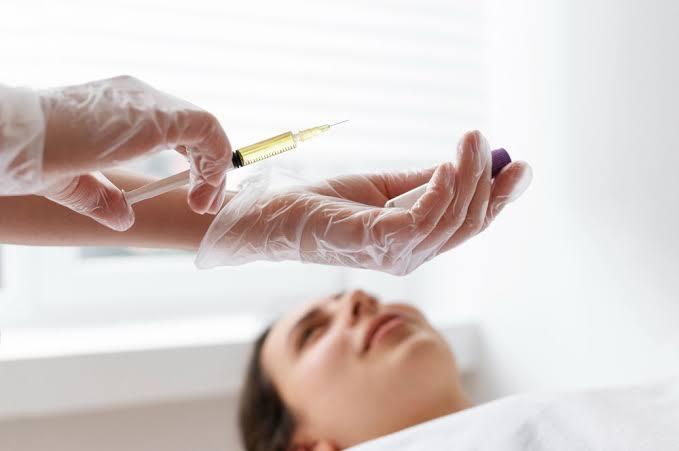
Peptide-based treatments have attracted growing interest in modern healthcare, skincare, and wellness because of their potential roles in supporting different biological processes. Peptides are short chains of amino acids that act as building blocks for proteins or function as signaling molecules in the body. Depending on their structure and purpose, certain peptides can influence cellular activity, while others are used in specific medical treatments under professional supervision.
Interest in peptide treatment in Riyadh reflects a broader desire to understand innovative treatment options, their potential benefits, and the precautions involved. However, peptide therapies are not a single treatment category with one universal purpose. Their applications, effectiveness, and safety depend on the particular substance, its formulation, and the individual's health needs.
Understanding Peptides Treatment in Saudi Arabia requires distinguishing medically approved therapies from experimental products marketed for cosmetic enhancement, muscle recovery, weight management, or general wellness. Learning about the available evidence, possible risks, and appropriate medical guidance can help individuals make informed decisions.
What Is Peptide Therapy?
Peptides are short chains of amino acids linked together. Amino acids are essential components of proteins, which help the body maintain tissues, produce enzymes, and regulate numerous biological functions. Some naturally occurring peptides act as messengers that communicate with cells and influence specific processes.
Peptide therapy generally refers to the use of particular peptides for a defined medical or biological purpose. Depending on the substance, these treatments may be administered through injections, oral formulations, or other delivery methods. The appropriate method depends on the peptide's properties and its intended application.
Not all peptide products have the same scientific support. Some peptide-based medicines are approved for specific medical conditions, while other products advertised for anti-aging, athletic performance, or cosmetic improvement have limited human evidence or have not been adequately evaluated for safety.
Understanding Peptides Treatment in Saudi Arabia
Interest in Peptides Treatment in Saudi Arabia includes several areas, ranging from established medical applications to emerging research into skin health and tissue repair. Understanding these distinctions is important because the term peptide therapy covers substances with very different effects.
Certain peptide-based medications are used in established medical care, including treatments that influence hormone regulation, blood sugar management, or other specific physiological functions. Their use depends on the medicine's approved indications, clinical evidence, and relevant medical guidelines.
Other peptides are being investigated for their possible roles in wound healing, inflammation, and tissue regeneration. Although laboratory findings may suggest potential benefits, promising early research does not necessarily establish that a treatment is effective or safe for people.
Individuals exploring peptide treatments should therefore focus on the specific substance rather than assuming that all peptides provide similar benefits. A qualified healthcare professional can explain whether a particular treatment has an established medical purpose and whether it is appropriate for an individual's circumstances.
Potential Uses of Peptide-Based Treatments
Peptides have different biological functions, and their potential applications depend on how they interact with receptors, hormones, and other cellular pathways. Some applications are well established in medicine, whereas others remain under investigation.
Skin Health and Rejuvenation
Some peptides are used in skincare formulations because of their potential to influence skin appearance or support particular cosmetic goals. Certain topical ingredients may help improve the appearance of fine lines, dryness, or uneven skin texture, depending on the formulation and available evidence.
However, cosmetic products containing peptides should not be confused with injectable peptide therapies. Evidence supporting one formulation does not automatically establish the effectiveness of another. Individuals considering skin treatments should understand the ingredients, intended results, and limitations before proceeding.
Tissue Repair and Recovery
Researchers are studying different peptides for their potential effects on cellular signaling, inflammation, and tissue repair. These biological activities have generated interest in their possible applications in recovery and regenerative medicine.
Nevertheless, evidence from laboratory experiments or animal studies cannot independently establish clinical effectiveness in humans. Some products promoted for accelerated recovery or tissue regeneration remain experimental, and their long-term safety may be uncertain.
People experiencing injuries or persistent pain should seek appropriate medical assessment instead of relying on unproven peptide products as substitutes for established treatment.
Hormonal and Metabolic Health
Some approved peptide-based medicines influence hormonal pathways involved in metabolism, appetite regulation, or blood glucose control. These medicines may be prescribed for specific conditions when supported by clinical evidence and appropriate medical guidance.
Their use requires consideration of medical history, existing medications, potential contraindications, and treatment monitoring. Not every peptide marketed for metabolic health has the same properties or regulatory status.
Individuals should avoid assuming that products advertised as peptide supplements offer the same benefits as approved prescription medicines.
General Wellness and Anti-Aging
Peptide products are sometimes promoted for improved energy, physical performance, sleep, or age-related changes. However, the evidence varies considerably between substances and intended uses.
Claims about reversing aging, extending lifespan, or substantially improving physical performance may exceed what current clinical research supports. Consumers should evaluate these claims carefully and discuss relevant health concerns with a qualified professional.
Who May Consider Peptide Therapy?
The suitability of peptide therapy depends on the specific medicine, the intended medical purpose, and the individual's health circumstances. There is no universal recommendation that peptide treatments are appropriate for everyone.
People with a diagnosed medical condition may be considered for an approved peptide-based medication when it is indicated for their condition. In these situations, a healthcare professional evaluates the potential benefits against the risks and considers available alternatives.
Individuals interested in cosmetic applications or general wellness should be particularly cautious when products are promoted without strong clinical evidence. A product's popularity or marketing claims do not establish its safety, effectiveness, or suitability.
A medical consultation can help clarify whether a peptide-based treatment has a legitimate role in addressing a particular concern. It can also identify situations in which conventional treatments or other evidence-based approaches may be more appropriate.
Safety Considerations for Peptide Therapy
Safety is an essential consideration when exploring Peptides Treatment in Riyadh, particularly because peptide products differ in composition, quality, intended use, and regulatory status.
Approved medicines undergo regulatory evaluation for specific uses, although they can still cause side effects. Unapproved or poorly studied products may have less reliable safety information, and their ingredients, purity, or potency may not be adequately verified.
Potential risks depend on the individual peptide and its method of administration. Injectable products may cause pain, swelling, redness, or infection at the injection site. Certain substances may also affect hormonal activity, blood sugar levels, blood pressure, or other physiological processes.
Additional concerns include allergic reactions, interactions with existing medications, contamination, and incorrect dosing. Products obtained from unreliable sources may contain unexpected ingredients or concentrations that differ from their labels.
Individuals should seek medical attention if they experience concerning symptoms after using a peptide product. Severe allergic reactions, breathing difficulties, or other serious symptoms require urgent medical assessment.
What to Expect During a Medical Consultation
A medical consultation is an important first step for anyone considering a peptide-based treatment. The purpose is to understand the individual's goals, assess relevant health factors, and determine whether a suitable evidence-based option exists.
Medical History and Assessment
A healthcare professional may review existing medical conditions, current medications, allergies, previous treatments, and relevant lifestyle factors. Depending on the intended treatment, a physical examination or laboratory tests may be appropriate.
This assessment helps identify potential contraindications and establishes whether the proposed treatment has a recognized medical indication.
Treatment Selection
If a peptide-based medicine is appropriate, the healthcare professional should explain its intended purpose, expected benefits, possible side effects, and available alternatives.
The discussion should also clarify whether the product is approved for the proposed use. Experimental substances should be clearly distinguished from established medical treatments.
Monitoring and Follow-Up
Some peptide-based medicines require follow-up appointments or laboratory monitoring to assess their effects and identify adverse reactions. Monitoring requirements depend on the particular medicine and the condition being treated.
Individuals should follow the prescribed instructions and avoid changing their dose or combining products without professional guidance. They should also discuss any unexpected symptoms or concerns during follow-up.
How to Make an Informed Treatment Decision
Choosing a peptide-based treatment requires more than considering advertised benefits. Individuals should evaluate the quality of the evidence, the product's regulatory status, and the qualifications of the professional recommending it.
Reliable information should clearly distinguish established clinical uses from emerging research and unsupported marketing claims. Consumers should be cautious of promises of guaranteed results, rapid rejuvenation, or dramatic improvements without credible scientific support.
It is also important to understand the difference between topical cosmetic ingredients, approved prescription medicines, compounded formulations, and research chemicals. These categories are not interchangeable, and their quality controls and safety considerations may differ.
For individuals exploring Peptides Treatment in Saudi Arabia, informed decision-making begins with asking specific questions about the proposed substance, its intended purpose, the evidence supporting its use, and the precautions required.
Frequently Asked Questions
What Is Peptides Treatment in Riyadh?
Peptides treatment refers to the use of specific peptide-based substances for medical, cosmetic, or research-related purposes. The appropriate application depends on the individual peptide, its evidence base, and whether it is approved for the intended use.
What Are the Potential Benefits of Peptide Therapy?
Potential benefits vary by substance. Certain approved peptide medicines treat specific medical conditions, while some cosmetic peptides may help improve the appearance of skin. Other advertised benefits, including enhanced recovery or anti-aging effects, may lack sufficient clinical evidence.
Is Peptide Therapy Safe for Everyone?
No. Safety depends on the substance, dosage, medical history, existing medications, and method of administration. Some peptide products are approved for particular indications, whereas others remain experimental or have uncertain safety profiles.
Are Peptide Treatments Approved in Saudi Arabia?
Regulatory status varies by product and intended use. Some peptide-based medicines are approved for specific indications, while others may not be authorized. Individuals should verify a product's status with the relevant Saudi health authorities and consult a qualified healthcare professional.
How Long Does Peptide Therapy Take to Show Results?
There is no universal timeline. Results depend on the specific medicine, the condition being treated, individual health factors, and the outcomes being measured. Some treatments require ongoing monitoring, and certain advertised benefits have not been established through reliable clinical studies.
How Can I Choose an Appropriate Peptide Treatment?
Start by identifying the health concern you want to address and discussing it with a qualified healthcare professional. Ask about clinical evidence, regulatory approval, possible side effects, treatment alternatives, and monitoring requirements before deciding whether a particular product is appropriate.
Conclusion
Peptide-based treatments represent a diverse area of medicine and skincare, with applications ranging from established prescription therapies to emerging areas of scientific research. Although some peptides have recognized medical uses, others are promoted for benefits that remain uncertain. Understanding the differences between these products is essential for making safe, informed decisions.
Anyone exploring Peptides Treatment in Riyadh or Peptides Treatment in Saudi Arabia should prioritize credible medical information, appropriate professional assessment, and a clear understanding of potential risks. Product quality, regulatory approval, individual suitability, and clinical evidence should guide treatment decisions rather than marketing promises.
For individuals seeking further information about available aesthetic and wellness services, Enfield Royal Clinic Saudi can be a starting point for exploring relevant treatment information and discussing questions with qualified professionals. Before proceeding with any peptide-based treatment, confirm the specific product's regulatory status, evidence of effectiveness, and suitability for your individual health needs.
 Russian
 English
 Arabic
 French
 Spanish
 Portuguese
 Deutsch
 Turkish
 Dutch
 Italiano
 Romaian
 Portuguese (Brazil)
 Greek
