


How Often Should You Get Glutathione Injections?
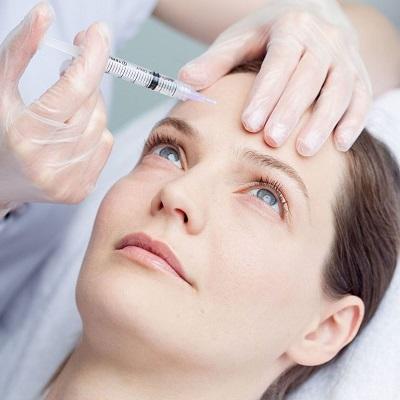
Glutathione injections have become a popular topic in cosmetic skincare, particularly among people interested in improving skin brightness, achieving a more even complexion, and reducing the appearance of pigmentation. As interest in this treatment continues to grow, one of the most common questions is how often Glutathione Injections should be administered to achieve the desired results.
The answer is not as straightforward as many promotional claims suggest. The frequency of treatment depends on several factors, including the reason for using Glutathione Injections, an individual's health status, the formulation being considered, and the available scientific evidence. More importantly, there is currently no well-established injection schedule proven to deliver safe, consistent, and long-lasting skin-brightening results.
Glutathione is a naturally occurring antioxidant that supports several essential processes in the body. However, its importance to cellular health does not automatically mean that repeated injections are necessary or beneficial for cosmetic purposes. Understanding the science, potential risks, and limitations of this treatment can help individuals make informed decisions.
What Are Glutathione Injections and Why Are They Used?
Glutathione is a compound made from three amino acids: glutamate, cysteine, and glycine. It is naturally produced by the body and found in many cells, where it helps protect against oxidative stress and supports normal cellular functions.
Glutathione injections deliver this antioxidant into the body, usually through intravenous (IV) administration or intramuscular injection. These methods differ from oral supplements and topical products because they deliver the substance through a different route.
In cosmetic settings, Glutathione Injections are commonly promoted for several purposes:
-
Improving the appearance of uneven skin tone.
-
Reducing the visibility of certain types of pigmentation.
-
Supporting a brighter-looking complexion.
-
Promoting a more radiant appearance.
-
Potentially influencing processes involved in melanin production.
Melanin is the pigment responsible for much of a person's natural skin color. Some laboratory research suggests that glutathione may influence melanin production by affecting the activity of tyrosinase, an enzyme involved in pigmentation.
However, these proposed effects do not establish that injections consistently produce visible improvements in humans. Research on injectable glutathione for cosmetic skin lightening remains limited, and the treatment has not been established as a reliable solution for pigmentation concerns.
The reason for using glutathione also matters. A product administered for a specific medical purpose is not automatically appropriate for cosmetic skin brightening. Its suitability depends on the formulation, intended use, and relevant medical guidance.
How Often Should You Get Glutathione Injections?
There is no scientifically established frequency for Glutathione Injections used for skin brightening. No widely accepted clinical guideline specifies how many injections a person should receive each week or month, how long a course should continue, or when maintenance sessions should take place.
Some cosmetic providers advertise weekly sessions, multiple injections over a short period, or maintenance treatments after an initial course. However, these schedules should not be interpreted as proven medical recommendations.
The frequency promoted by a particular service may reflect its own treatment protocol rather than strong clinical evidence. A schedule that appears frequently online is not necessarily effective or safe for every individual.
Before considering repeated injections, several questions deserve attention:
-
What is the intended purpose of the treatment?
-
Is there credible evidence that the treatment can achieve that goal?
-
Is the specific product suitable for injection?
-
What are the potential short-term and long-term risks?
-
Are safer, better-studied alternatives available?
A qualified healthcare professional can help assess these questions and determine whether an injectable product has an appropriate role in an individual's care.
For cosmetic skin brightening, the safest conclusion is that a standard injection schedule has not been established. Individuals should not determine their own frequency or increase the number of sessions in an attempt to accelerate results.
Factors That Can Influence Treatment Frequency
Although no universal cosmetic schedule is supported by strong evidence, several factors influence the assessment of injectable glutathione and its potential risks.
1. The Purpose of Treatment
The reason for considering glutathione is an important starting point. Someone interested in general skin brightness has a different objective from someone seeking treatment for a diagnosed medical condition.
For pigmentation concerns, the underlying cause should be identified before treatment is selected. Melasma, acne-related dark marks, sunspots, and other forms of hyperpigmentation may respond differently to treatment.
Glutathione injections have not been established as a first-line treatment for these conditions. A targeted skincare routine or an evidence-based treatment may be more appropriate, depending on the diagnosis.
2. Individual Health and Medical History
A person's general health can affect whether an injectable product is appropriate. Relevant considerations may include existing medical conditions, allergies, medications, previous reactions to injections, and other treatments being used.
Repeated cosmetic injections should not be assumed safe simply because an individual has tolerated an earlier session. The absence of immediate side effects does not guarantee that continued exposure will be harmless.
A healthcare professional can review these considerations and explain whether any potential benefit justifies the risks.
3. Product Formulation and Quality
Glutathione products may differ in their formulation, concentration, preparation, and intended route of administration. A product intended for oral use is not automatically suitable for injection.
Injectable preparations require appropriate manufacturing, purity, and sterility standards. Contamination or improper preparation can cause serious complications, regardless of the intended cosmetic benefit.
For this reason, treatment frequency should never be decided without considering the specific product and its suitability for the intended use.
4. Evidence of Benefit and Safety
A treatment schedule should ideally be supported by clinical research demonstrating both meaningful benefits and acceptable risks. For injectable glutathione used for skin lightening, the evidence remains insufficient to establish an optimal interval or a safe long-term maintenance plan.
This uncertainty is particularly important when repeated sessions are being considered. More frequent treatment does not necessarily produce better results, and there is no reliable evidence that increasing the frequency leads to faster or more permanent skin brightening.
Risks of Frequent Glutathione Injections
The question of how often to receive Glutathione Injections cannot be separated from safety. Each injection introduces potential risks, and repeated administration creates additional opportunities for complications.
Possible adverse effects may include nausea, headache, dizziness, skin reactions, and discomfort at the injection site. Allergic or hypersensitivity reactions are also possible. The risks associated with repeated cosmetic use, including potential effects on the liver and kidneys, have not been adequately characterized.
The quality of the injectable product is another important concern. In August 2026, the US Food and Drug Administration reported serious adverse events associated with certain compounded intravenous glutathione products prepared using ingredients intended for dietary supplements. Reported symptoms included fever, chills, pain, and dizziness, with concerns about contamination-related reactions.
This warning does not mean every glutathione product has the same problem. It does demonstrate why injectable products must be appropriately manufactured and prepared for their intended route of administration.
Frequent treatment may also create financial and practical burdens without providing a predictable cosmetic benefit. If results are uncertain or temporary, repeated sessions may not offer a worthwhile balance of benefits and risks.
Anyone experiencing difficulty breathing, facial or throat swelling, fainting, or severe dizziness after an injection should seek emergency medical care. Fever, chills, or significant body aches following an infusion also require urgent medical assessment.
The safest approach is to avoid self-injection, unverified products, and schedules based on social media recommendations. Medical guidance is particularly important when a treatment has uncertain cosmetic benefits and limited long-term safety data.
Safer Alternatives and Ways to Maintain Brighter-Looking Skin
For people seeking a brighter, more even complexion, several established skincare measures may be more practical than repeated glutathione injections. The most appropriate choice depends on the cause of pigmentation and the individual's skin type.
Daily Sun Protection
Sun exposure can worsen uneven pigmentation and make existing dark spots more noticeable. A broad-spectrum sunscreen with SPF 30 or higher is an important part of managing pigmentation.
Consistent application, reapplication during prolonged outdoor exposure, and protective clothing can help reduce further sun damage. For certain pigmentation concerns, tinted sunscreen containing iron oxides may offer additional protection against visible light.
Vitamin C and Niacinamide
Topical vitamin C is commonly used in skincare routines to support a brighter appearance and provide antioxidant benefits. Niacinamide may help support the skin barrier and improve the appearance of uneven skin tone.
Both ingredients are available in various formulations. Introducing products gradually and choosing options suited to the skin's sensitivity can help reduce irritation.
Professionally Guided Pigmentation Treatments
Persistent melasma, acne marks, and other pigmentation concerns may require targeted treatment. Depending on the cause, options can include selected topical medications, chemical peels, or certain laser procedures.
These treatments are not interchangeable, and inappropriate treatment can sometimes worsen pigmentation, particularly in skin prone to post-inflammatory discoloration. A qualified professional can help identify the underlying condition and recommend an appropriate approach.
Consistency Rather Than Intensive Treatment
A simple skincare routine, regular sun protection, and patience are often more useful than pursuing increasingly frequent procedures. Skin improvements generally require time, and no single product or procedure guarantees a particular complexion.
For those considering glutathione specifically, the key question is not simply how often injections can be administered. It is whether the treatment offers enough proven benefit to justify its risks in the first place.
Frequently Asked Questions About Glutathione Injections
1. Can Glutathione Injections be taken every week?
There is no established weekly schedule proven to be safe and effective for cosmetic skin brightening. Weekly sessions promoted by some providers are not equivalent to evidence-based clinical guidance. A healthcare professional should assess the intended use, product quality, and potential risks before any injectable treatment is considered.
2. How many Glutathione Injections are needed to see results?
No reliable number of injections has been established for achieving skin-brightening results. Research is limited, and individual reports cannot predict how another person will respond. Claims promising a specific result after a fixed number of sessions should be approached cautiously.
3. Is it safe to continue Glutathione Injections for several months?
Long-term safety for repeated cosmetic skin-lightening injections has not been adequately established. Continuing treatment for several months does not guarantee better results and may increase exposure to injection-related risks. Medical guidance is important before considering repeated administration.
4. Do Glutathione Injections provide permanent skin whitening?
There is no convincing evidence that these injections provide permanent skin whitening. The durability of any reported cosmetic improvement remains uncertain. Sun protection and appropriate treatment of the underlying pigmentation concern are more dependable components of long-term skin care.
5. What happens if someone stops Glutathione Injections?
There is no established withdrawal pattern for cosmetic glutathione injections. Any pigmentation changes that occurred during treatment may fade or become less noticeable over time, but the course varies and has not been reliably characterized. Stopping cosmetic injections should be discussed with a healthcare professional if they were also being used for a medical indication.
6. What is the safest alternative to frequent Glutathione Injections?
The best alternative depends on the individual's concern. Daily broad-spectrum sunscreen, suitable topical ingredients such as vitamin C or niacinamide, and professionally guided treatments for specific pigmentation conditions can help improve skin appearance. These options should be selected according to skin type, the underlying cause of discoloration, and individual tolerance.
Final Thoughts
There is no universally recommended frequency for Glutathione Injections used for cosmetic skin brightening. Although glutathione is an important antioxidant, evidence supporting injectable glutathione as a reliable skin-lightening treatment remains limited, and its long-term safety for repeated cosmetic use is uncertain.
Rather than following a fixed weekly or monthly schedule advertised online, individuals should carefully evaluate the potential benefits, product quality, and risks with a qualified healthcare professional. Frequent injections should not be assumed to produce faster, better, or permanent results.
For many people, consistent sun protection, an appropriate skincare routine, and targeted treatment of pigmentation offer a more practical starting point. An informed decision should prioritize proven benefits, realistic expectations, and long-term skin health over promises of rapid complexion changes.
Read More About Glutathione Injections: https://chateando.net/read-blog/74354

 English
 French
 Spanish
 Portuguese
 Deutsch
 Turkish
 Dutch
 Italiano
 Russian
 Romaian
 Portuguese (Brazil)
 Greek
