


Understanding Lipedema-Related Bruising and Skin Sensitivity
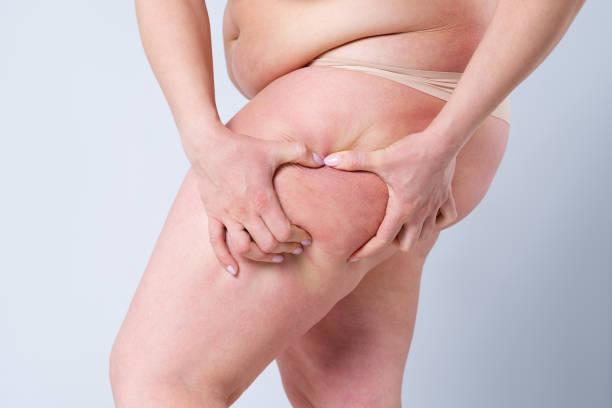
Lipedema is a chronic condition characterized by an abnormal distribution of fat beneath the skin, most commonly affecting the legs and sometimes the arms. Along with changes in body shape, some people experience tenderness, increased skin sensitivity, and bruising that appears after minor bumps or pressure. These symptoms can make everyday activities, such as walking, exercising, or wearing fitted clothing, uncomfortable. Understanding the relationship between these symptoms and Treatment for Lipedema in Riyadh (علاج الوذمة الشحمية في الرياض) can help individuals explore appropriate assessment and management options. Although bruising and sensitivity may occur with lipedema, they are not exclusive to the condition, so recognizing their patterns and knowing when to seek medical advice is important.
Why Can Lipedema Cause Easy Bruising?
Easy bruising is commonly reported by people with lipedema, although the exact reasons are not fully understood. Changes in the small blood vessels and the surrounding tissue may contribute to bruising in affected areas. Minor impacts that might not leave a noticeable mark on someone else can sometimes result in visible discoloration.
Bruises develop when small blood vessels beneath the skin break and blood collects in the surrounding tissue. In people with lipedema, bruising may appear on the thighs, calves, or other affected areas. The marks can vary in size and color as they heal, and some people may not remember the minor impact that caused them.
However, easy bruising alone does not confirm lipedema. Medications such as blood thinners, certain supplements, platelet disorders, and other medical conditions can also increase bruising. A healthcare professional can help determine whether the pattern is consistent with lipedema or requires further investigation.
Understanding Skin Sensitivity in Lipedema
Tenderness When Touching the Skin
Some people with lipedema experience tenderness when the affected areas are pressed, massaged, or touched. Even light pressure may feel uncomfortable. This sensitivity can vary from day to day and may be more noticeable after prolonged standing or physical activity.
The experience is not identical for everyone. Some individuals report significant discomfort, while others notice changes in leg shape without much pain. A medical assessment can help establish whether the tenderness is associated with lipedema or another condition.
Pain From Clothing and Everyday Pressure
Tight clothing, elastic bands, or pressure from sitting in one position may aggravate sensitive areas for some people. Choosing comfortable clothing and avoiding unnecessary pressure may help reduce irritation. Compression garments can also be helpful for selected individuals, but they should be appropriately fitted and recommended according to personal needs.
A Feeling of Heaviness or Aching
Skin sensitivity may occur alongside aching or a feeling of heaviness in the legs. These symptoms can affect comfort during work, exercise, and routine household tasks. If pain is persistent, worsening, or limiting movement, it is worth discussing with a healthcare professional rather than assuming lipedema is the only possible explanation.
How to Recognize Bruising Patterns Associated With Lipedema
Lipedema often affects both legs in a relatively symmetrical pattern. Bruising may therefore appear across areas where disproportionate fat accumulation is present, such as the thighs and calves. Some individuals also notice tenderness in these areas.
Other features that may accompany lipedema include:
-
Disproportionate fat accumulation in the legs or arms.
-
Tenderness or pain in affected tissue.
-
A feeling of heaviness in the legs.
-
Changes in leg shape that persist despite changes in overall body weight.
-
Relative sparing of the feet, although this pattern is not universal.
These features can help guide a clinical assessment, but no single sign proves that a person has lipedema. Bruising can have many causes, and not everyone with lipedema experiences easy bruising or significant skin sensitivity.
How Is Lipedema Diagnosed?
There is no single test that confirms every case of lipedema. Diagnosis usually involves reviewing medical history and examining the distribution of fat, tenderness, skin changes, and other symptoms. A clinician may ask when the changes began, whether both sides are affected, and whether symptoms have changed over time.
The healthcare professional may also review family history, medication use, and any conditions that could explain bruising or discomfort. Additional tests may be appropriate if the symptoms suggest another problem, such as a blood-clotting disorder, venous insufficiency, or lymphedema.
Accurate assessment matters because the treatment plan should address the underlying cause of the symptoms. Treatment for Lipedema in Riyadh can include discussing diagnostic assessment and management options with a qualified healthcare professional who understands the condition.
Practical Ways to Manage Bruising and Skin Sensitivity
Protect Sensitive Areas
Be mindful of activities that repeatedly cause pressure or impact to the affected areas. Comfortable clothing, supportive footwear, and small adjustments to daily routines may help minimize discomfort. Avoid aggressive massage or forceful manipulation of tender tissue, particularly when bruising is present.
Choose Comfortable Physical Activity
Low-impact activities such as walking, swimming, or exercising in water may support mobility and general well-being. Start at a manageable level and adjust the intensity according to comfort. Exercise does not selectively remove lipedema fat, but appropriate movement can help maintain strength and function.
Consider Compression With Professional Guidance
Compression garments may help some people manage discomfort or associated swelling. The garment should fit properly and be suitable for the individual's circulation and medical circumstances. A clinician can advise whether compression is appropriate and which type may be most comfortable.
Monitor Changes in Symptoms
Keeping a brief record of when bruising appears, how long it lasts, and whether sensitivity changes can help during a medical appointment. Note any new medications or supplements as well, since these may affect bruising. Do not stop prescribed medication without speaking with the prescribing professional.
When Should Bruising or Sensitivity Be Checked?
Arrange a medical appointment if bruising occurs frequently without a clear cause, becomes unusually extensive, or appears alongside bleeding gums, repeated nosebleeds, or other unexplained bleeding. New or worsening pain and persistent swelling also deserve assessment.
Seek urgent medical care if one leg suddenly becomes swollen, red, warm, or severely painful. Sudden shortness of breath or chest pain requires emergency attention, as these symptoms can indicate a serious condition. Such symptoms should not be attributed to lipedema without evaluation.
Conclusion
Bruising and skin sensitivity can be challenging aspects of lipedema, but their severity and frequency vary from person to person. Understanding possible triggers, protecting sensitive areas, staying comfortably active, and seeking appropriate medical advice can support better symptom management. Treatment for Lipedema in Riyadh may involve individualized conservative care and, for selected patients, specialist-led treatment options based on a careful assessment. For professional guidance about your symptoms and suitable next steps, arrange a consultation with Royal Clinic Saudia (عيادات رويال كلينك) to discuss your concerns with a qualified healthcare professional.

 Arabic
 French
 Spanish
 Portuguese
 Deutsch
 Turkish
 Dutch
 Italiano
 Russian
 Romaian
 Portuguese (Brazil)
 Greek
