


Smoker’s Lips Treatment for Addressing Persistent Brown Lip Patches
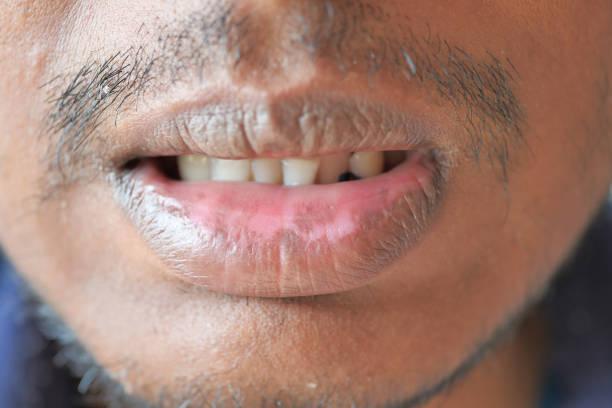
Persistent brown patches on the lips can make their color appear uneven and affect the overall appearance of a smile. These patches may develop gradually due to tobacco exposure, sun damage, irritation, or natural variations in pigmentation. Although some discoloration is harmless, persistent or changing patches should be assessed before cosmetic treatment is considered. For individuals exploring Smoker’s lips treatment in Riyadh, understanding the possible causes of brown lip patches can help guide appropriate care, support realistic expectations, and protect the delicate tissue of the lips.
Understanding Persistent Brown Lip Patches
Brown lip patches are areas where pigmentation appears darker than the surrounding lip tissue. They may be small and localized or spread across part of the upper or lower lip. In some individuals, natural melanin distribution explains these differences, while others develop pigmentation after repeated irritation or environmental exposure. The duration, location, shape, and progression of a patch can provide useful information during assessment. Persistent discoloration should not automatically be attributed to smoking, particularly when its cause has not been established.
How Smoking May Contribute to Lip Pigmentation
Tobacco exposure may contribute to irritation and changes in lip appearance over time. Repeated exposure to smoke, combined with dryness and sunlight, can make the lips appear darker or less uniform. However, smoking is only one possible contributing factor. Genetics, natural melanin production, hormonal changes, certain medications, and reactions to cosmetic products may also influence pigmentation. Stopping smoking can reduce continued exposure and benefit overall health, but existing brown patches may not fade completely without further care.
Other Possible Causes of Brown Lip Patches
Several conditions and everyday factors can cause brown discoloration around or on the lips. Sun exposure may encourage pigment production, while inflammation caused by fragranced lip products, toothpaste ingredients, or harsh skincare products can leave darker marks. Some medications and hormonal influences may also affect pigmentation. In addition, certain brown spots may have causes unrelated to cosmetic pigmentation. A new or changing patch, especially one with irregular borders, bleeding, pain, or an associated sore, should be assessed by a healthcare professional before any lightening treatment is attempted.
Why Professional Assessment Is Important
A professional assessment helps determine whether a brown patch appears consistent with common pigmentation or requires further medical investigation. During consultation, the specialist may ask when the patch appeared, whether it has changed, and whether there are symptoms such as dryness, tenderness, or irritation. Smoking habits, sun exposure, medication use, and previous skincare treatments may also be reviewed. This information helps guide the next steps and reduces the risk of treating an undiagnosed condition as a cosmetic concern. Persistent or unusual lesions may need evaluation by a dermatologist or another appropriate medical professional.
Treatment Options for Persistent Brown Patches
Treatment depends on the cause, depth, and location of pigmentation, as well as the sensitivity of the lip tissue. If irritation contributes to discoloration, avoiding the triggering product and using gentle skincare may help. In selected cases, a qualified professional may consider topical treatments or carefully chosen clinical procedures. However, products and procedures used on other facial areas are not automatically suitable for the lips. Strong acids, abrasive scrubs, and unverified bleaching products may cause irritation or worsen pigmentation. The recommended approach should include a clear explanation of potential benefits, limitations, risks, and aftercare.
Daily Care to Support Lip Health
A consistent routine can help protect the lips and reduce avoidable irritation. Use a gentle, fragrance-free lip balm to manage dryness and consider sun-protective lip products when outdoors. Avoid picking at flaky skin, repeatedly licking the lips, or using harsh exfoliants. Discontinue products that cause burning, redness, or swelling. Avoiding smoking and tobacco smoke can also reduce ongoing exposure. These measures support lip health but may not remove established brown patches, particularly when the pigmentation has a cause that requires professional treatment.
Understanding Treatment Results
The time needed for improvement depends on the cause of the pigmentation and the treatment selected. Irritation-related discoloration may improve after the trigger is removed, while melanin-related patches can take longer to change. Some spots may remain even after appropriate treatment. A professional should explain realistic outcomes and whether follow-up care is needed. Avoid treatments that promise immediate or guaranteed removal, and report any unexpected irritation or changes after a procedure. New or worsening pigmentation should be reassessed rather than repeatedly treated without identifying the cause.
Choosing Smoker’s Lips Treatment in Riyadh
Choosing an appropriate approach requires careful consideration of the lip condition, personal health history, and the appearance of the affected areas. Patients should share information about smoking habits, medications, allergies, and previous cosmetic treatments during consultation. For those considering Smoker’s Lips Treatment in Riyadh, professional guidance can help determine which options may be suitable for improving pigmentation and which methods should be avoided. Safety and an accurate assessment should always come before cosmetic lightening.
Book an Appointment at Royal Clinic Saudi
If you have persistent brown lip patches, arrange a consultation to discuss their appearance and possible causes. Royal Clinic Saudi can help you explore suitable care options based on your concerns and lip condition. A professional assessment can help establish realistic expectations and determine whether cosmetic treatment or further medical evaluation is appropriate.
FAQs:
Can smoking cause persistent brown patches on the lips?
Tobacco exposure may contribute to pigmentation, but other causes can produce similar patches.
Will brown lip patches disappear on their own?
Some may fade when irritation stops, while others persist and require professional assessment.
Can I use skin-lightening creams on my lips?
Do not use strong or unverified lightening products on the lips without professional guidance.
When should a brown lip patch be checked?
Seek medical advice for a new, changing, irregular, painful, bleeding, or persistent patch.
 Greek
 English
 Arabic
 French
 Spanish
 Portuguese
 Deutsch
 Turkish
 Dutch
 Italiano
 Russian
 Romaian
 Portuguese (Brazil)
