


The Evolution of Enfants Riches Deprimes Style
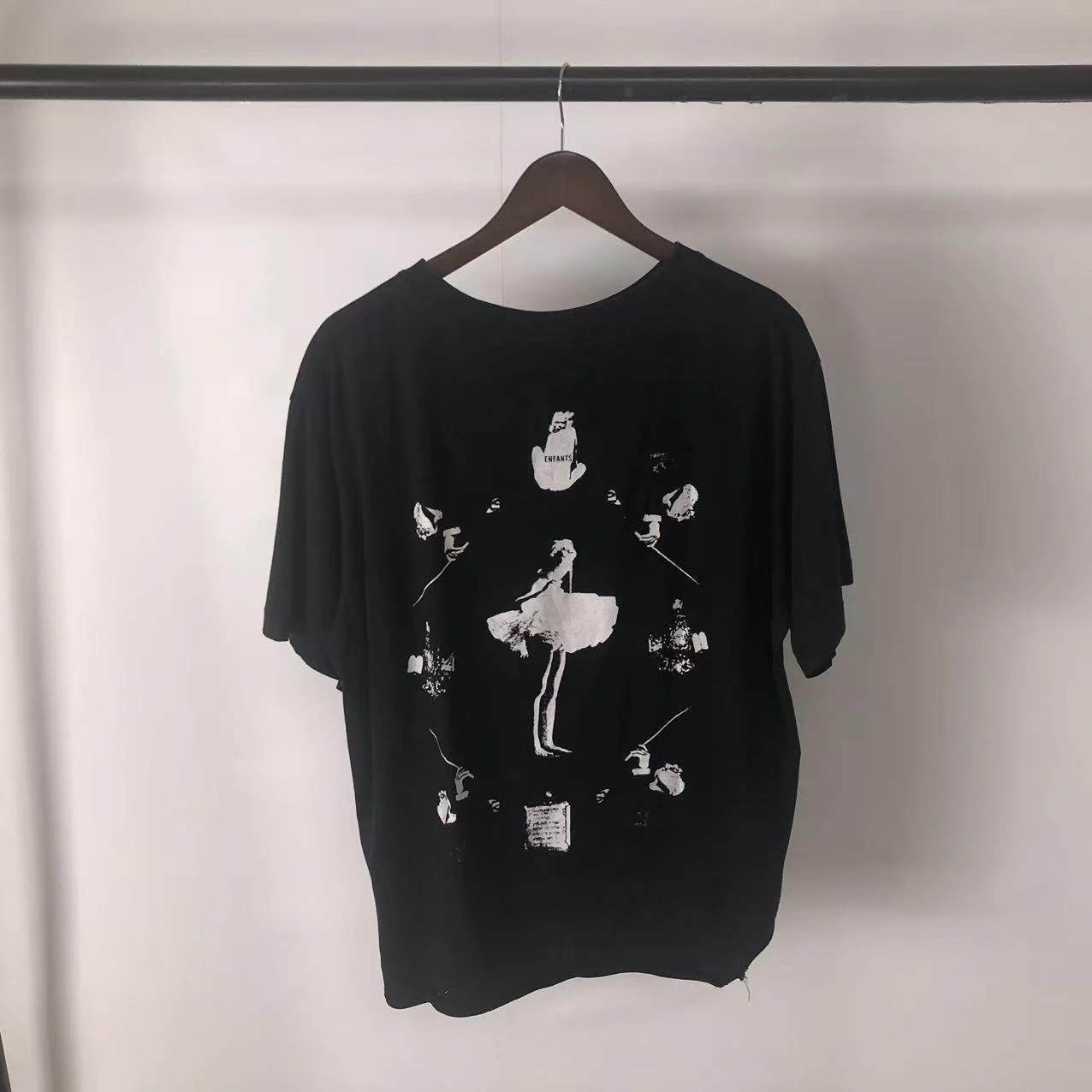
Fashion rarely stays still, yet some projects manage to deepen rather than simply change. Enfants Riches Déprimés offers one of the clearer recent examples. What began in 2012 as a tightly personal response to privilege, isolation, and underground culture has steadily expanded into a fuller language of clothing while protecting the original tension that made it distinctive. The story is not one of reinvention for its own sake. It is a gradual accumulation of craft, presentation, and reference that still feels rooted in the same emotional ground.
I have watched this trajectory with interest because it resists the usual pattern of cult labels that either fade or smooth themselves into broader commercial appeal. The core contradiction remains: surfaces that look wrecked sitting on construction and materials that signal serious investment. Understanding how that balance has shifted over more than a decade reveals something useful about the relationship between subculture, art practice, and luxury production.
Early Foundations: Graphics, Distress, and Personal Code
The project started in Los Angeles after its founder completed enfants riches deprimes fine art studies. Initial pieces centered on graphic T shirts and sweatshirts that carried specific, often private references. Boarding school crests appeared shredded. Cigarette packs associated with a certain social milieu were reproduced. Faces and imagery drawn from punk and rock history sat on fabric that had already been treated to look aged or damaged. These were not mass produced items. Quantities stayed low. Distribution was selective. The attitude was deliberately narrow, aimed at people who recognized the codes without needing explanation.
Leather jackets quickly became a signature. Vintage or carefully chosen skins were cut, painted by hand, studded, and reconstructed in the studio. The finished pieces looked as if they had survived hard use yet retained structure and weight. Prices reflected limited production and labor intensive finishing rather than traditional luxury signaling. Early wearers tended to come from music and art circles who responded to the mix of refinement and abrasion. The clothes functioned as isolating objects, specific enough to create distance from more general fashion audiences.
At this stage the style felt closest to a personal archive made wearable. Influences from Japanese avant garde deconstruction, Art Brut mark making, and classic punk energy sat alongside the founder’s own history of institutional friction and recovery. Nothing was presented as trend. Everything read as extraction from lived experience.
Expansion into Seasonal Collections and Presentation
By the mid twenty tens the range widened. Full seasonal ready to wear appeared alongside the earlier graphic and leather focus. Tailoring entered the vocabulary. Knitwear grew more varied. Silhouettes began to play with proportion in ways that moved beyond simple distress. Presentations shifted from informal showings toward more deliberate environments, including historic spaces in Paris. The first formal runway moments reinforced the dual identity: American grit meeting European institutional settings.
Craft remained central. Distress continued, but it sat next to cleaner construction. A jacket might still carry paint and abrasion, yet the cut showed greater precision. Graphics retained their cryptic or confrontational enfants riches deprimes belt quality while appearing on higher grade grounds. Limited runs and selective stockists preserved scarcity. The audience expanded among people who appreciated the tension without requiring the earliest, most coded references.
This period also saw the work framed more explicitly as an extension of an art practice. Garments sat alongside objects, environments, and later films that carried the same themes of repression, childhood residue, and psychological pressure. The clothes were never treated as pure product. They functioned as physical indexes of a private world that the founder continued to catalog.
Maturation: Juxtaposition, Romance, and Institutional Presence
In more recent seasons the style has shown greater range while refusing to abandon its foundation. Military details appear next to bohemian ease. Preppy elements receive decadent or damaged treatment. Velvet, chiffon, and finer tailoring coexist with leather and worn textures. Collections have explored romantic and emotional registers that earlier work approached more obliquely. A spring lineup might emphasize lighter, more narrative construction because heavier outerwear is less available as a crutch. Film and music references, from certain directors to the arc of a musician’s career, supply structure without becoming costume.
Presentation has grown more theatrical and integrated with sculpture and installation. Shows occupy unexpected or historically charged locations. Models move through environments that blur the line between fashion and performance. The founder has described thinking of these moments in cinematic terms, building characters and atmospheres rather than simply sequencing looks. Yet the clothes themselves continue to carry deliberate imperfections: spattered effects, faded checks, reconstructed surfaces that look discovered rather than newly made.
Physical expansion has followed the same logic of controlled presence. A Paris space developed into a more permanent address. A Seoul location followed. The approach stays consistent with the original scarcity model. Production volumes remain limited. The visual language still prioritizes pieces that feel singular even when they form part of a larger seasonal story.
Throughout these shifts the central method has held. High quality materials receive treatments that introduce age, abrasion, or irregularity. Personal and subcultural symbols continue to surface, sometimes more abstractly, sometimes tied to historical or artistic reference points. The result can feel polished and damaged in the same garment. That duality is no longer a novelty. It has become the reliable signature.
Continuity Beneath the Changes
What has not evolved is the refusal to resolve contradiction. Early work made privilege and alienation visible on the surface. Later collections do the same through more sophisticated means. A sharply cut coat may carry fur trim and military posture while still reading as slightly off balance. Tailoring can look timeless yet sit next to short, lacy, or deliberately imperfect pieces. The founder has spoken of growing attached to simpler forms, which in practice often means greater precision rather than greater ease. Simplicity here is hard won.
The art practice remains the conceptual base. Painting, sculpture, and mark making feed the clothing rather than existing as parallel activities. Themes of psychological pressure, childhood residue, and the gap between surface refinement and inner friction recur. Characters implied by the clothes have expanded into a kind of ongoing taxonomy, yet they still feel drawn from the same emotional source.
This continuity explains why the project has avoided the common fate of early cult labels. It did not need to chase broader relevance by diluting its codes. Instead it deepened the original language through better craft, wider silhouettes, and more ambitious presentation while keeping production and distribution selective. The clothes still function best for people who recognize the internal logic. That recognition has simply found a larger but still specific audience over time.
Looking at the Present Shape
Today the style sits comfortably between its origins and its current institutional footing. Distressed leathers and graphic intensity remain available, yet they share space with evening forms, refined outerwear, and more narrative construction. The dual geographic base of Los Angeles and Paris continues to inform the tension between raw energy and precise finish. Limited runs and deliberate scarcity protect the sense that each piece carries individual character.
The evolution feels less like a series of reinventions and more like an ongoing accumulation. New materials, new references, and new presentation formats are absorbed into an existing worldview rather than replacing it. The result is a body of work that has grown more articulate without becoming more polite. Punk energy has not been polished away. Luxury materials have not been reduced to pure status signaling. Both remain active and in productive conflict.
For anyone interested in how personal history can shape a sustained fashion language, the trajectory of Enfants Riches Déprimés offers a clear case study. The early pieces established the emotional and visual terms. Subsequent seasons tested and expanded those terms without abandoning them. The clothes still look as if they have lived, even when they are newly made. That quality, more than any single silhouette or graphic, is what has endured and matured.
FAQs
How did the early style of Enfants Riches Déprimés differ from later collections?
Early work focused tightly on graphic T shirts, sweatshirts, and heavily treated leather jackets with highly personal or subcultural imagery. Later collections expanded into fuller tailoring, varied knitwear, romantic and military juxtapositions, and more narrative presentation while retaining distressed finishes and limited production.
Has the core aesthetic remained consistent over time?
Yes. The central tension between refined materials and deliberate damage, along with references drawn from personal history and underground culture, has stayed constant even as silhouettes, craft techniques, and presentation formats have grown more ambitious.
What role does art play in the evolution of the style?
The founder has consistently treated the clothing as an extension of a broader art practice involving painting, sculpture, and mark making. This connection has deepened over time, influencing both the conceptual framing of collections and the integration of garments with installations and film.

 English
 Arabic
 French
 Spanish
 Portuguese
 Deutsch
 Turkish
 Dutch
 Russian
 Romaian
 Portuguese (Brazil)
 Greek
