


Revision Rhinoplasty in Riyadh: What to Consider
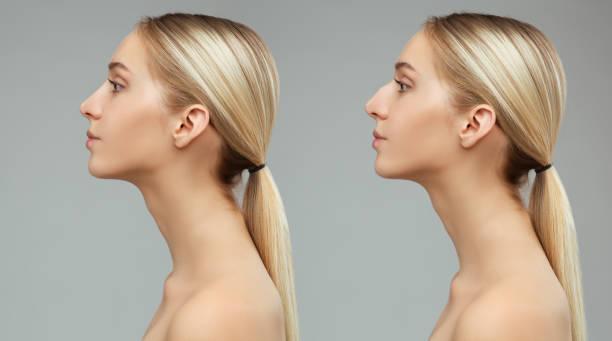
Revision rhinoplasty is a secondary nose surgery performed to address concerns that remain after an initial rhinoplasty or develop during the healing process. People may consider this procedure when they are unhappy with the appearance of their nose, experience certain breathing difficulties, or notice changes in nasal shape over time. Rhinoplasty in Riyadh offers patients an opportunity to explore surgical options with qualified medical professionals who can assess their individual needs and expectations.
When researching revision surgery, patients often look for information about recovery, safety, expected outcomes, and rhinoplasty riyadh price. However, revision rhinoplasty is generally more complex than a first-time procedure because the nose may contain scar tissue, altered cartilage, or structural changes from previous surgery. Understanding these factors can help you make a more informed decision before arranging a consultation.
What Is Revision Rhinoplasty?
Revision rhinoplasty is designed to correct or improve specific concerns following an earlier nose surgery. Unlike primary rhinoplasty, which involves operating on a nose that has not undergone previous surgical changes, revision surgery requires careful evaluation of the existing nasal structure.
Why Do People Consider Revision Rhinoplasty?
Some patients seek revision rhinoplasty because their nose appears asymmetrical, the tip lacks the desired definition, or the nasal bridge does not match their expectations. Others may experience breathing difficulties caused by structural changes or complications following their first operation.
It is important to understand that not every difference between the expected and final appearance requires another procedure. The nose can continue changing as swelling gradually subsides, so a thorough assessment is essential before deciding whether revision surgery is appropriate.
Important Factors to Consider Before Revision Surgery
Allow Enough Time for Healing
One of the most important considerations is the time that has passed since your original rhinoplasty. Swelling, particularly around the nasal tip, can persist for many months. In many cases, surgeons recommend waiting approximately 12 months or longer before considering revision surgery, depending on healing and individual circumstances.
Allowing sufficient time helps the surgeon distinguish temporary swelling from lasting structural concerns. Your personal medical history and the condition of your nose will determine the most appropriate timing.
Understand the Complexity of the Procedure
Revision rhinoplasty can be challenging because the surgeon must work with tissues that have already undergone surgery. Scar tissue, reduced cartilage support, and changes in the nasal framework may influence the available treatment options.
Depending on the situation, the procedure may involve reshaping existing cartilage, improving structural support, or using cartilage grafts when necessary. The exact approach depends on the patient's anatomy, previous surgical changes, and treatment goals.
Choose a Qualified Surgical Professional
Selecting an appropriately qualified and experienced surgeon is essential. Look for a professional who regularly performs revision rhinoplasty and can explain the potential benefits, limitations, and risks clearly.
During your consultation, ask about the proposed surgical approach, possible complications, recovery expectations, and how functional concerns will be evaluated. Reviewing suitable before-and-after photographs may also help you understand the surgeon's experience with cases similar to yours.
Recovery and Expected Results
What Happens After Revision Rhinoplasty?
Recovery varies according to the complexity of the procedure and the individual's healing response. Patients may experience swelling, bruising, congestion, and temporary discomfort during the initial recovery period. Following postoperative instructions carefully can support healing and help reduce the risk of complications.
You may need to avoid strenuous exercise, protect your nose from accidental impact, and attend follow-up appointments as advised. Although early improvements may become visible within weeks, subtle swelling can take several months or longer to resolve completely.
Set Realistic Expectations
Revision rhinoplasty aims to improve specific concerns, but achieving perfect symmetry or an exact desired appearance cannot be guaranteed. The final outcome depends on factors such as skin thickness, cartilage availability, scar formation, and the condition of the nasal structure.
A detailed consultation helps establish realistic goals and determine whether the expected benefits justify the potential risks of another operation.
Is Revision Rhinoplasty Right for You?
You may be a suitable candidate if you have a persistent cosmetic concern, a structural issue, or a breathing problem following previous nose surgery. Generally, candidates should have completed sufficient healing from their original procedure and understand the limitations of revision treatment.
Patients with unrealistic expectations or unresolved medical concerns may need additional assessment before surgery is considered. A qualified professional can review your medical history, examine your nasal structure, and discuss suitable options based on your circumstances.
Frequently Asked Questions
How long should I wait before revision rhinoplasty?
Many patients are advised to wait approximately 12 months after their original rhinoplasty, although some cases require a longer period. Your surgeon can assess whether the nose has healed sufficiently before recommending further surgery.
Is revision rhinoplasty more complicated than primary rhinoplasty?
Yes, it can be more complex because previous surgery may have altered the cartilage, tissues, and internal nasal structure. The level of complexity depends on the changes made during the first procedure and the concerns being addressed.
Can revision rhinoplasty improve breathing?
It may improve breathing when the problem is related to correctable structural changes in the nose. A medical assessment is necessary to identify the cause of the breathing difficulty and determine whether surgery is appropriate.
Will I see the final results immediately?
No. Initial changes may be visible after the early swelling decreases, but the nose continues to heal over time. Final refinement may take a year or longer, particularly after complex revision surgery.
What should I discuss during my revision rhinoplasty consultation?
Discuss your concerns, previous surgical history, breathing symptoms, recovery expectations, possible risks, and realistic outcomes. You should also ask about the proposed surgical technique and the follow-up care available after the procedure.
Book Your Consultation at Enfield Royal Clinic
If you are considering Rhinoplasty in Riyadh, a professional consultation is an important first step toward understanding your options. At Enfield Royal Clinic, you can discuss your concerns, learn about the revision process, and explore an individualized approach based on your nasal structure and treatment goals. Arrange a consultation to receive guidance that supports an informed and confident decision.

 Arabic
 French
 Spanish
 Portuguese
 Deutsch
 Turkish
 Dutch
 Italiano
 Russian
 Romaian
 Portuguese (Brazil)
 Greek
