


Sundown Car Audio: How to Build a Powerful Sound System with Deep Bass, Clear Vocals, and Premium Audio Quality
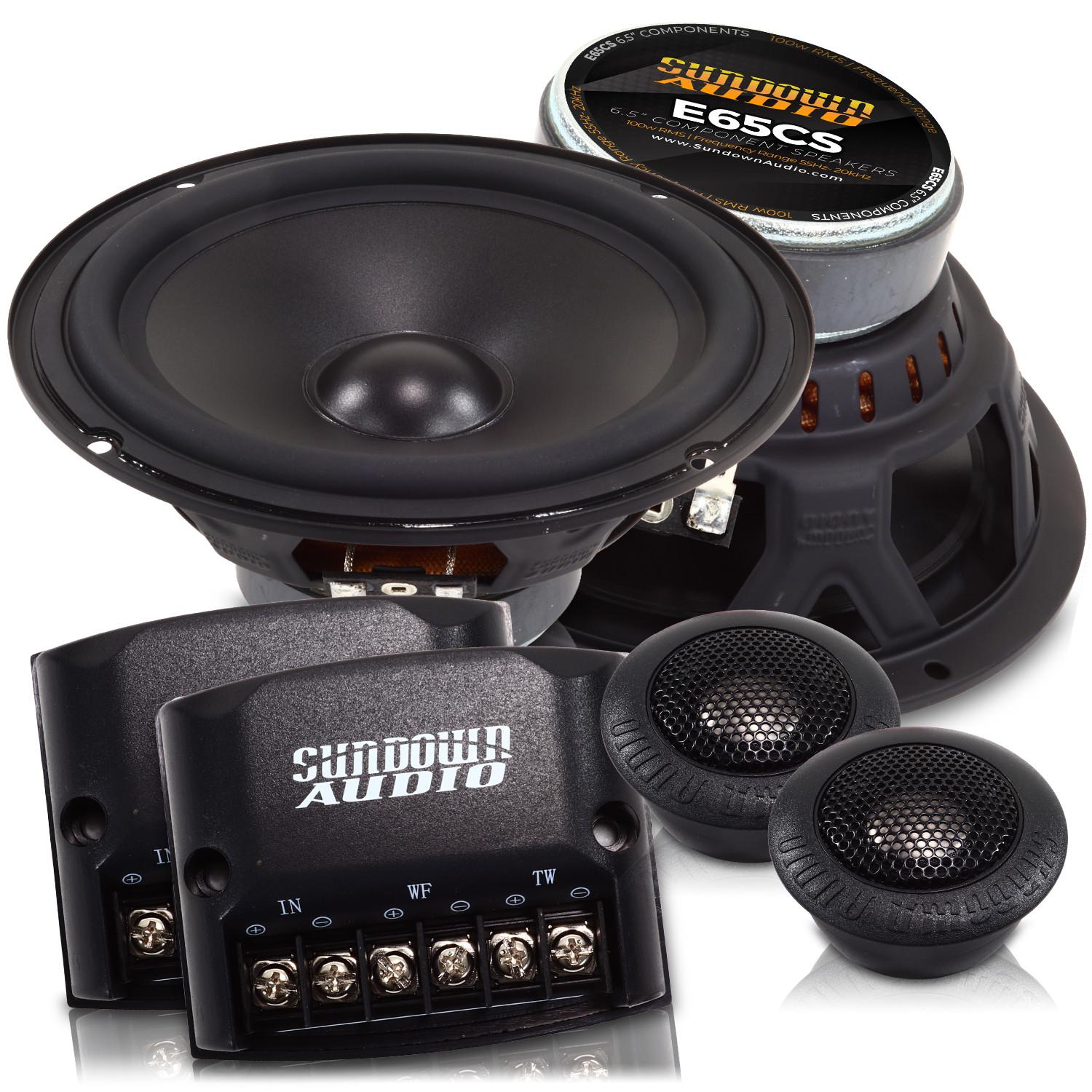
Building a powerful car audio system involves more than installing a large subwoofer or choosing an amplifier with an impressive wattage rating. A satisfying setup combines strong low-frequency impact, detailed vocals, balanced midrange, and clean high-frequency reproduction. Every component must work together to create music that sounds full and controlled at different listening levels. With a carefully planned sundown car audio setup, enthusiasts can work toward a system that delivers energetic bass while preserving the musical details that make every track enjoyable.
One of the most important decisions is determining what you want your upgraded system to accomplish. Some drivers prefer deep bass that adds weight to hip-hop and electronic music, while others prioritize clear vocals, accurate instruments, and balanced sound across different genres. Many enthusiasts want both: a system that plays loudly without losing definition. Identifying these priorities early helps guide speaker selection, amplifier power, enclosure design, and the tuning process.
The vehicle itself also plays a major role in the outcome. Door construction, cabin dimensions, available installation space, road noise, and electrical capacity can all influence performance. Rather than buying components individually without a plan, build a system around compatibility, realistic power requirements, and the sound you want to hear. This approach can help prevent unnecessary expenses while creating a more reliable and enjoyable listening experience.
Start with the Foundation: Define Your Sound Goals
Before selecting equipment, establish a clear direction for the upgrade. A system designed for maximum output may require different components and installation methods than one focused on sound quality. Understanding the distinction makes it easier to choose equipment that serves a specific purpose.
Consider these three common goals:
-
Bass performance: Prioritize a suitable subwoofer, an enclosure matched to its specifications, and an amplifier capable of supplying the required clean power.
-
Musical clarity: Focus on capable front speakers, proper mounting, balanced frequency response, and appropriate crossover settings.
-
Balanced performance: Combine controlled subwoofer output with detailed speakers and careful tuning so that bass supports the music rather than overpowering it.
You should also consider your typical listening environment. A daily driver may benefit from a system that sounds balanced at moderate volume and remains comfortable during long journeys. A dedicated high-output build may require more attention to enclosure design, amplifier cooling, electrical demand, and cabin acoustics.
Establishing these priorities provides a practical starting point for the entire project.
Choosing Speakers That Bring Music to Life
Speakers reproduce the musical information that listeners hear most directly, including vocals, guitars, keyboards, percussion, and other instruments. Even a powerful subwoofer cannot compensate for weak front-stage performance if voices sound distant or instruments become difficult to distinguish.
When exploring sundown car audio equipment, consider the role of each speaker in the overall system and verify the specifications of the particular model you intend to use.
Front Speakers for Detail and Realism
Front speakers deserve particular attention because they contribute significantly to the perceived location and clarity of the music. A suitable component or coaxial speaker system can reproduce vocals and instruments with better definition when properly installed and powered.
Component systems separate the tweeters from the main drivers, allowing greater flexibility in placement. Coaxial speakers combine multiple drivers in a single assembly and can be a practical choice when installation space or budget is limited.
The best option depends on the vehicle, available mounting locations, listening preferences, and installation requirements. Pay attention to RMS power handling, impedance, sensitivity, dimensions, and the manufacturer's recommendations rather than judging speakers by maximum wattage alone.
Midrange Performance Matters
The midrange carries much of the character of human voices and many familiar instruments. If this region is poorly reproduced, music may sound hollow, harsh, or crowded even when the bass is powerful.
Proper mounting and crossover configuration can help speakers reproduce these frequencies more consistently. If the system sounds unclear, check for door-panel vibration, poor polarity, excessive equalization, or distortion before assuming that new speakers are necessary.
Tweeters Add High-Frequency Definition
Tweeters reproduce high-frequency information that contributes to the sense of detail in cymbals, vocal articulation, and instrument harmonics. Their placement and output level can influence whether the system sounds smooth or excessively bright.
Avoid treating high-frequency volume as a substitute for detail. A well-balanced tweeter should complement the main speakers without drawing unnecessary attention to itself.
Build the Bass Section Around the Right Subwoofer
For many enthusiasts, bass is the defining feature of a serious car audio upgrade. A capable subwoofer can add depth, impact, and physical presence to music, but the final result depends on more than the driver alone.
Choose a subwoofer according to your desired output, available enclosure space, power requirements, and listening habits. Different models may be designed for different applications, so compare the exact specifications before making a decision.
Important factors include:
-
RMS power handling and recommended operating conditions
-
Voice-coil configuration and compatible amplifier loads
-
Mounting depth and overall enclosure dimensions
-
Recommended enclosure volume and design
-
Intended frequency range and system goals
A subwoofer that works well in one installation may not produce the same result in another. Vehicle cabin behavior, enclosure construction, and tuning all influence how low frequencies are perceived.
Why Enclosure Design Is So Important
The enclosure is part of the subwoofer system, not merely a box that holds the driver. Its internal volume, construction quality, and design influence output, frequency response, and how the subwoofer behaves under demanding conditions.
A sealed enclosure may suit listeners looking for controlled bass and a compact installation. A properly designed ported enclosure can provide greater output around its tuning region when the driver and enclosure are appropriately matched.
Neither design is automatically superior in every situation. Follow the manufacturer's enclosure recommendations and account for the space available in the vehicle. An enclosure that is too small, too large, poorly sealed, or incorrectly tuned can compromise performance.
Secure the enclosure firmly and check for unwanted vibration. Loose panels, rattling trim, and air leaks can distract from the music and reduce the impression of a well-built system.
Match the Amplifier to the Actual System Requirements
An amplifier supplies the electrical power that allows speakers and subwoofers to reproduce sound at the desired level. Choosing one requires careful attention to RMS output, speaker impedance, channel configuration, and the capabilities of the connected equipment.
A high wattage rating does not automatically guarantee better sound. The amplifier must deliver suitable power cleanly and remain stable at the load presented by the connected speakers.
For a subwoofer system, compare the amplifier's RMS output at the intended impedance with the subwoofer manufacturer's recommendations. For door speakers, select an amplifier that suits their continuous power-handling capabilities and the desired listening level.
Amplifier gain also deserves careful setup. Gain adjusts input sensitivity so the amplifier can work properly with the source signal; it is not a control for creating additional power. Setting it too high can introduce clipping and increase the risk of damaging speakers.
Allow sufficient ventilation around amplifiers and follow the manufacturer's mounting requirements. Heat management, secure wiring, and correct fuse protection are essential parts of a dependable installation.
Give the Electrical System the Attention It Deserves
As amplifier power requirements increase, the vehicle's electrical system becomes an important part of the design. Amplifiers draw current from the charging and battery system, and inadequate wiring or poor connections can contribute to voltage drop, instability, or equipment shutdown.
Use power and ground cables sized for the system's current demand and cable length. Install appropriate fuse protection close to the battery, make secure connections, and ensure that the grounding point is suitable for the application.
It is also important to evaluate the vehicle's existing electrical capacity before adding high-powered equipment. Some systems may operate satisfactorily with the factory charging system, while more demanding builds may require professional assessment and additional upgrades.
Keep these principles in mind:
-
Use appropriately sized wiring rather than choosing cables based on appearance.
-
Protect the power cable with a correctly rated fuse.
-
Avoid loose terminals and poorly prepared ground connections.
-
Check voltage behavior under realistic operating conditions.
-
Assess alternator capacity before assuming that a larger battery will solve every electrical problem.
Upgrading wiring can reduce avoidable voltage drop, but it does not increase the alternator's rated output. Electrical improvements should address the actual limitations of the vehicle rather than follow a one-size-fits-all formula.
Create a Balanced System Instead of Chasing Volume
A system can be extremely loud and still sound disappointing. Excessive bass may mask vocals, aggressive treble can become tiring, and distorted midrange can make music difficult to enjoy. A balanced system allows each part of the frequency spectrum to contribute without overwhelming the others.
Start with the front speakers and subwoofer at moderate volume. Listen for whether voices remain clear when the bass becomes stronger. If the low frequencies dominate, reduce the subwoofer level or review the crossover settings instead of automatically increasing the front-speaker volume.
Pay attention to the music you regularly play. Bass-heavy recordings may need a different subwoofer level from acoustic tracks or vocal-focused music. A versatile setup should preserve its basic tonal balance across these changes.
The goal is not to make every frequency equally loud. It is to create a presentation in which bass has weight, vocals remain understandable, and instruments retain their natural character.
Use Crossover Settings to Improve Integration
Crossovers determine which frequency ranges are sent to the speakers and subwoofer. Appropriate settings help each driver operate within a suitable range and make the different parts of the system work together.
A high-pass filter can reduce low-frequency demands on door speakers, while a low-pass filter limits the upper frequencies sent to the subwoofer. The correct settings depend on the equipment, enclosure, speaker installation, and desired sound.
Avoid selecting crossover points based on a universal number without considering the connected components. Start with the manufacturer's recommendations and adjust carefully while listening to familiar music.
If bass sounds disconnected from the front speakers, examine the crossover relationship, relative levels, and phase settings where available. If the system has a weak area around the transition between speakers and subwoofer, check for acoustic cancellation and installation problems before applying large equalizer boosts.
A properly integrated system should sound like a unified arrangement rather than separate speakers playing different parts of the music.
Improve Sound Quality Through Careful Tuning
Once the equipment is installed and operating correctly, tuning helps refine the system's tonal balance and imaging. Begin with neutral source-unit settings so that existing equalization or loudness processing does not complicate the process.
Use recordings you know well, preferably with clear vocals, distinct instruments, and consistent production quality. Make small adjustments and listen for changes rather than changing several settings at once.
If vocals sound too recessed, examine speaker levels, polarity, crossover integration, and midrange response. If the treble feels sharp, reduce excessive high-frequency energy or investigate distortion and reflective surfaces. If bass lacks definition, check enclosure suitability, subwoofer integration, and unwanted vibration.
A digital signal processor can offer more advanced control over equalization, time alignment, and crossover behavior. It can be particularly useful in complex installations, although it cannot automatically correct every physical or installation problem.
For best results, evaluate the system from the driver's seat and at realistic listening levels. Excessive volume can make it harder to judge tonal balance accurately and can expose the listener to harmful sound levels.
Reduce Door Resonance and Unwanted Cabin Noise
Installation quality often determines whether an upgrade sounds refined or unfinished. Door panels, mounting brackets, trim pieces, and loose interior components can vibrate when the speakers or subwoofer produce strong output.
Use secure mounting hardware and suitable adapters to keep speakers firmly attached. Automotive acoustic treatment can help reduce selected panel resonances when installed appropriately. Sealing around speaker adapters may also improve consistency by reducing unwanted acoustic leakage.
Listen for rattles while playing music with sustained bass notes. If a specific panel buzzes, identify the source and correct it instead of increasing the amplifier output. More power will not solve a loose component and may make the noise more noticeable.
Also consider road and tire noise. At highway speeds, environmental noise can mask quieter musical details. A well-balanced system with properly installed speakers can help preserve intelligibility without requiring excessive listening volume.
Plan for Safe and Reliable Installation
A powerful sound system should be dependable as well as enjoyable. Incorrect wiring, poor ventilation, unsecured enclosures, and unsuitable electrical connections can create problems that have little to do with sound quality.
Follow the installation instructions supplied with every component. Keep power wiring protected from sharp edges and moving parts, use the appropriate fuses, and secure equipment so it cannot shift during sudden braking. Ensure that subwoofer enclosures and amplifiers do not obstruct airbags, seat movement, visibility, or other vehicle safety features.
For vehicles with factory amplifiers, integrated infotainment systems, or complex electrical electronics, verify compatibility before replacing or bypassing original equipment. Professional installation can be valuable when the system requires extensive fabrication, advanced signal integration, or significant electrical upgrades.
After installation, check for abnormal heat, loose connections, distortion, and unexpected shutdowns. A careful inspection helps identify issues before they affect the equipment or the driving experience.
Common Mistakes That Can Hold Back Your Upgrade
Even carefully selected components can underperform when the overall system is poorly planned. Avoid these common errors:
-
Buying equipment based only on peak wattage: RMS ratings and compatibility provide a more useful basis for system planning.
-
Choosing an unsuitable enclosure: The wrong internal volume or tuning can compromise subwoofer performance.
-
Ignoring the front speakers: Strong bass cannot replace clear vocals and detailed midrange reproduction.
-
Overlooking electrical demand: Amplifier requirements must be considered alongside wiring, grounding, and charging-system capacity.
-
Using excessive equalization: Large boosts can increase distortion and reduce available headroom.
-
Setting amplifier gains incorrectly: Poor gain structure can cause clipping and unnecessary stress on components.
-
Skipping installation checks: Loose panels, incorrect polarity, and poor connections can undermine the entire upgrade.
Addressing these fundamentals first is often more effective than replacing equipment simply because the system does not sound as expected.
Build Your System in Stages for Better Results
A complete audio upgrade can be expensive, so a staged approach may help you distribute costs and make more informed decisions.
Begin by assessing the factory system and identifying its biggest limitation. If the main issue is weak vocal clarity, upgrading the front speakers and improving their installation may be the most useful first step. If the system already sounds balanced but lacks low-frequency extension, a suitable subwoofer and enclosure may deliver a more noticeable improvement.
Next, determine whether the existing source unit and amplification can support the chosen equipment. Add an amplifier when additional clean power is genuinely needed, and evaluate electrical requirements before expanding the system further. Finish by adjusting crossover settings, balancing the subwoofer level, and refining equalization.
Test each stage before moving on. This makes it easier to identify which improvements provide the greatest benefit and reduces the risk of purchasing components that do not address the actual problem.
Achieve Powerful Sound Without Losing Musical Detail
A rewarding car audio system combines the excitement of strong bass with the clarity and balance needed for everyday listening. Subwoofer selection, enclosure design, speaker quality, amplifier compatibility, electrical reliability, and careful tuning all contribute to that result. When these elements are planned together, the system can deliver powerful output without sacrificing the character of the music.
Sundown car audio enthusiasts can get more from their equipment by focusing on system compatibility and installation quality instead of relying on wattage figures alone. Choose components that match your vehicle and listening goals, establish clean power delivery, and fine-tune the relationship between bass and the front speakers. With thoughtful planning and proper setup, you can build a system that brings deeper low frequencies, clearer vocals, and a more engaging musical experience to every drive.
 Portuguese (Brazil)
 English
 Arabic
 French
 Spanish
 Portuguese
 Deutsch
 Turkish
 Dutch
 Italiano
 Russian
 Romaian
 Greek
