


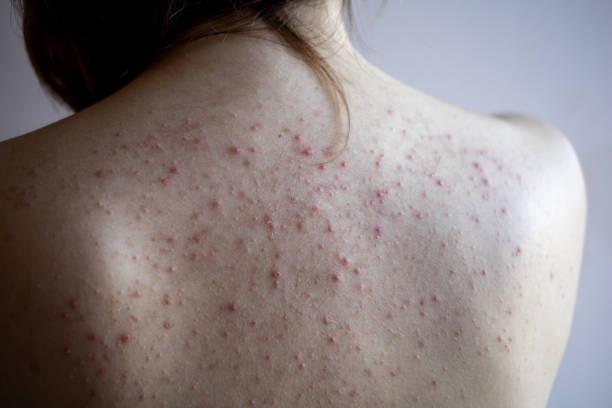
When people think about back acne, they usually focus on body washes, treatments, and shower habits. Bedding rarely enters the conversation. How to Treat Back Acne and Its Effects? Yet you spend roughly a third of your life in bed, with your back pressed against sheets and your face against a pillowcase. Over time, bedding accumulates sweat, oil, dead skin cells, and bacteria—all of which can contribute to breakouts. If you're figuring out How to Treat Back Acne and Its Effects?, keeping your bedding clean is one of the simplest and most overlooked steps.
Why Bedding Affects Back Acne
Sweat and Oil Accumulation
Overnight, your body releases sweat and sebum. These substances transfer to sheets and pillowcases, creating an environment where bacteria thrive.
Dead Skin Cells
Dead skin cells shed continuously. When they accumulate on bedding, they can clog pores and contribute to breakouts.
Bacteria
Bacteria, including acne-causing strains, can survive on fabric for extended periods. Reusing unwashed bedding exposes your skin to these bacteria night after night.
Friction
Rough or dirty fabrics increase friction against the skin, which can worsen irritation and acne.
Product Residue
Body lotions, treatments, and leave-on products transfer to bedding and can clog pores if not washed away.
How Often to Wash Bedding
Pillowcases
Wash every two to three days, especially if you have acne-prone skin.
Sheets
Wash weekly, or more often if you sweat heavily at night.
Duvet Covers and Blankets
Wash every one to two weeks.
Mattress Protectors
Wash monthly.
What If You Sweat at Night?
Wash bedding more frequently—every few days if necessary.
How to Wash Bedding Effectively
Use Hot Water
Hot water helps kill bacteria and remove oils. Check fabric care labels first.
Choose a Gentle, Fragrance-Free Detergent
Harsh detergents can leave residue that irritates skin.
Avoid Fabric Softeners
Some contain ingredients that can irritate sensitive skin and reduce absorbency.
Double Rinse
Helps remove detergent residue.
Dry Thoroughly
Damp bedding encourages bacterial growth. Dry completely before use.
Choosing the Right Bedding
Breathable Fabrics
Cotton, bamboo, and linen allow airflow and reduce sweat retention.
Avoid Synthetic Fabrics
Polyester and other synthetics trap heat and moisture.
Choose Light Colors
Light colors show dirt and oil more readily, prompting more frequent washing.
Avoid Rough Textures
Smooth fabrics reduce friction against the skin.
Other Bedtime Habits That Help
Shower Before Bed
Rinsing off sweat, oil, and environmental irritants before sleep reduces transfer to bedding.
Wear Clean Pajamas
Change pajamas regularly, especially if you sweat at night.
Avoid Heavy Lotions at Night
Heavy body lotions can transfer to bedding and clog pores.
Keep Pets Out of Bed
Pet dander and bacteria can contribute to skin irritation.
Wash Your Hair Before Bed
Hair products and oils can transfer to pillowcases.
What to Avoid
Reusing Unwashed Bedding
Accumulated bacteria and oil worsen acne.
Harsh Detergents
Can irritate sensitive skin.
Fabric Softeners
Can leave residue that irritates skin.
Synthetic Fabrics
Trap heat and moisture.
Sleeping in Sweaty Clothes
Increases bacterial exposure.
When to Seek Professional Help
Persistent Acne
If back acne persists despite good bedding hygiene and a consistent skincare routine.
Nodulocystic Acne
Deep, painful lesions require prescription treatment.
Scarring
Early treatment of scarring is easier than mature scars.
Personalized Planning
A consultation ensures accurate assessment and appropriate treatment.
Questions to Ask During Consultation
About Bedding
"Could my bedding be contributing to my back acne?"
About Fabrics
"Which fabrics are best for acne-prone skin?"
About Detergents
"Which detergents are gentlest?"
About Treatment
"What treatment options are available?"
About Prevention
"What habits will help prevent breakouts?"
Book an Appointment Consultation Clinic
For those seeking expert guidance and customized aesthetic care, you can book an appointment consultation at the Enfield Royal Riyadh. A personalised consultation helps identify habits that may be affecting your back acne and what can be done.
FAQs
Does dirty bedding cause back acne?
It can contribute. Sweat, oil, and bacteria on bedding can clog pores and worsen breakouts.
How often should I wash my sheets?
Weekly, or more often if you sweat heavily at night.
What fabrics are best for acne-prone skin?
Breathable fabrics like cotton, bamboo, and linen.
Should I avoid fabric softener?
Yes. Some contain ingredients that can irritate sensitive skin.
When should I see a professional?
If acne persists despite good bedding hygiene. Understanding How to Treat Back Acne and Its Effects? includes addressing lifestyle factors. People researching how to get rid of back acne and dark spots should prioritise clean bedding.

 English
 Arabic
 French
 Spanish
 Portuguese
 Deutsch
 Turkish
 Dutch
 Italiano
 Russian
 Romaian
 Greek
