


Can Microdermabrasion Improve the Look of Old Scars?
Old scars can sometimes affect the appearance and texture of the skin, making people feel less confident about their complexion. Whether caused by acne, minor injuries, or previous skin conditions, scars may remain visible long after the original skin damage has healed. Although some scars gradually become less noticeable over time, others can leave behind uneven texture, discoloration, or rough patches.
Fortunately, several cosmetic skin treatments can help improve the appearance of certain types of scars. One option that has gained attention is microdermabrasion. This non-invasive skin resurfacing treatment gently exfoliates the outermost layer of the skin, helping remove dead skin cells and encourage a smoother-looking complexion.
For individuals exploring Microdermabrasion in Oman, understanding how the treatment works, which scars it can improve, and what results to expect is essential before making a decision. While microdermabrasion cannot completely remove every type of scar, it may help reduce the visibility of mild surface imperfections and improve overall skin texture.
1. What Is Microdermabrasion and How Does It Work?
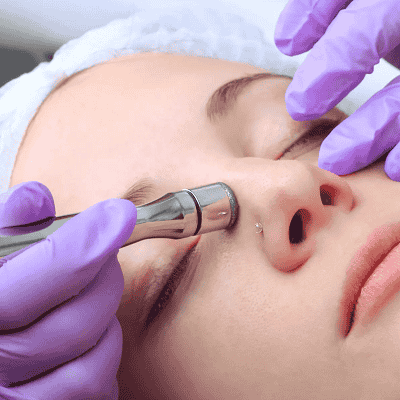
Microdermabrasion is a non-surgical cosmetic procedure designed to exfoliate the skin and improve its overall appearance. It involves using a specialized handheld device to gently remove dead skin cells from the outermost skin layer, known as the stratum corneum.
Depending on the equipment used, the treatment may involve fine crystals or a diamond-tipped applicator. These devices exfoliate the skin while a suction mechanism helps remove loosened dead cells and debris.
The treatment works by encouraging the natural skin renewal process. As old surface cells are removed, fresher skin becomes more visible, potentially improving dullness, uneven texture, and mild discoloration.
Some of the common skin concerns that microdermabrasion may help address include:
-
Mild acne scars and superficial acne marks.
-
Uneven skin texture.
-
Dull or rough-looking skin.
-
Mild sun damage.
-
Fine lines and early signs of aging.
-
Enlarged-looking pores.
-
Superficial pigmentation irregularities.
One important distinction is that microdermabrasion primarily targets the skin's surface. It does not reach the deeper layers where many prominent scars develop. Therefore, its effectiveness depends greatly on the type, depth, and age of the scar.
2. Can Microdermabrasion Improve the Appearance of Old Scars?
Microdermabrasion can improve the appearance of certain old scars, particularly those that involve mild surface irregularities. However, the results vary depending on how deeply the original skin damage affected the tissue.
Scars form when the skin repairs itself following an injury, inflammation, or other damage. During this healing process, collagen production changes, sometimes resulting in raised, depressed, or discolored areas.
Because microdermabrasion only exfoliates the outermost skin layer, it is generally more effective for superficial concerns than deeper structural scars.
Superficial Acne Scars
People with mild acne-related texture irregularities may notice improvements after several microdermabrasion sessions. The treatment removes accumulated dead skin cells, making the surface appear smoother and more refreshed.
It may also help improve the appearance of certain superficial acne marks when uneven surface skin contributes to their visibility. However, deeper acne scars, including ice-pick and boxcar scars, usually require treatments that target deeper skin structures.
Mild Surface Scarring
Some minor scars caused by superficial skin injuries may become less noticeable as the outer skin is exfoliated and renewed. Microdermabrasion may help improve the surrounding skin texture, creating a more even overall appearance.
However, it cannot erase established scar tissue or restore significant collagen loss.
Discoloration Around Old Scars
Certain scars leave behind dark marks after the original injury has healed. These marks may result from post-inflammatory hyperpigmentation rather than permanent structural scarring.
Microdermabrasion may help improve some superficial discoloration by removing pigmented dead skin cells. Nevertheless, deeper pigmentation may require other treatments, and proper sun protection remains essential.
3. Which Types of Scars Respond Best to Microdermabrasion?
Not every scar responds equally to exfoliating treatments. Understanding the different types of scars can help individuals develop realistic expectations.
Atrophic Scars
Atrophic scars are depressed areas that develop when the skin loses collagen during the healing process. Common examples include certain types of acne scars.
Microdermabrasion may improve the surrounding skin texture, but it generally cannot correct deeper depressions because it does not stimulate enough collagen remodeling in the deeper skin layers.
Post-Acne Marks
Dark or reddish marks left after acne are often confused with permanent scars. In many cases, these are changes in skin pigmentation rather than actual changes in skin structure.
Microdermabrasion may help with some superficial pigmentation concerns by encouraging skin cell turnover. However, redness and deeper discoloration may respond better to other approaches.
Hypertrophic and Keloid Scars
Hypertrophic scars are raised scars caused by excess collagen production during healing. Keloids are another type of raised scar that can grow beyond the original wound area.
Microdermabrasion is generally not an appropriate treatment for these scars because exfoliating the surface does not address the excessive scar tissue underneath. Such scars require professional assessment and potentially specialized treatments.
Old Injury Scars
Minor scars from superficial injuries may benefit from improved surface texture, especially when the surrounding skin has become rough or uneven.
However, deep cuts, burns, and scars involving substantial tissue damage are unlikely to improve significantly with microdermabrasion alone.
4. Benefits of Choosing Microdermabrasion in Oman
People considering cosmetic skin treatments often look for procedures that are relatively gentle, require minimal recovery time, and offer gradual improvements.
Exploring Microdermabrasion in Oman can help individuals understand the available skin resurfacing options and determine whether this treatment suits their skin concerns.
Some potential benefits include:
Gentle Skin Exfoliation
Microdermabrasion removes accumulated dead skin cells, helping reveal a fresher-looking skin surface. This can make rough or dull skin appear smoother and more refreshed.
Improved Skin Texture
Regular sessions may help improve mild surface irregularities. The skin may feel softer and look more even as the outermost layer undergoes renewal.
Potential Improvement in Mild Pigmentation
Certain superficial dark marks may become less noticeable following a course of treatments. However, pigmentation results depend on the underlying cause and individual skin characteristics.
Minimal Downtime
Compared with deeper resurfacing procedures, microdermabrasion generally involves little recovery time. Some individuals experience temporary redness, tightness, or sensitivity, but these effects typically settle relatively quickly.
Non-Surgical Approach
The procedure does not require incisions, injections, or general anesthesia. It offers a non-invasive option for people interested in improving superficial skin concerns.
Gradual and Natural-Looking Results
Improvements generally develop over multiple sessions rather than appearing immediately. This gradual approach can be appealing to individuals who prefer subtle changes in their skin's appearance.
Although these benefits make microdermabrasion an appealing option, the treatment should always be selected according to the individual's skin condition rather than its popularity.
5. What Happens During a Microdermabrasion Session?
Understanding the treatment process can help individuals feel more comfortable before undergoing the procedure.
A typical microdermabrasion session involves several straightforward steps.
Skin Assessment and Preparation
The process usually begins with an assessment of the skin. The professional evaluates its condition, identifies visible scars, and determines whether microdermabrasion is suitable.
The skin is then cleansed to remove makeup, oil, sunscreen, and surface impurities.
Exfoliation
A specialized microdermabrasion device is gently moved across the treatment area. The applicator exfoliates the outer skin layer while removing loosened dead skin cells.
The sensation is often described as gentle scratching or light suction. Most individuals find the procedure manageable without anesthesia.
Post-Treatment Skincare
After exfoliation, soothing skincare products and moisturizer may be applied to help maintain skin comfort.
Sun protection is particularly important because freshly exfoliated skin can be more sensitive to sunlight.
A typical session may take approximately 20 to 40 minutes, depending on the treatment area and individual needs.
6. How Many Sessions Are Needed to See Results?
The number of microdermabrasion sessions required depends on the skin concern, scar type, and desired outcome.
Some individuals may notice a temporary improvement in skin smoothness and brightness after one session. However, visible improvements in mild surface irregularities generally require a series of treatments.
A treatment plan may involve several sessions spaced a few weeks apart. The exact schedule should be determined following an individual skin assessment.
It is important to understand that more sessions do not necessarily mean better results. Excessive exfoliation can irritate the skin, weaken its protective barrier, and increase sensitivity.
For older or deeper scars, repeated microdermabrasion sessions may provide limited benefits. In such cases, a different treatment approach may be more appropriate.
Consistency with daily skincare also plays an important role in maintaining results. Gentle cleansing, regular moisturizing, and broad-spectrum sunscreen can support overall skin health.
7. Is Microdermabrasion Safe for All Skin Types? Risks, Aftercare, and Alternatives
Microdermabrasion is generally considered a low-risk cosmetic procedure when performed appropriately. However, it is not suitable for every individual or every skin condition.
People with active acne breakouts, skin infections, open wounds, severe rosacea, eczema flare-ups, or significant skin irritation may need to avoid treatment until their skin has recovered.
Individuals with darker skin tones should also seek an appropriate assessment before treatment. Although microdermabrasion is generally less aggressive than deeper resurfacing procedures, excessive exfoliation and irritation can contribute to post-inflammatory hyperpigmentation.
Possible Side Effects
Some temporary effects may occur after treatment, including:
-
Mild redness.
-
Skin tightness or dryness.
-
Temporary sensitivity.
-
Slight swelling.
-
Increased sensitivity to sunlight.
These effects are generally short-lived. However, persistent irritation, blistering, or unusual skin changes should be assessed by a qualified professional.
Essential Aftercare Tips
Proper aftercare helps protect the skin and reduce the possibility of irritation.
-
Apply a broad-spectrum SPF 30 or higher sunscreen every day.
-
Avoid excessive direct sun exposure, particularly during peak sunlight hours.
-
Use a gentle cleanser and fragrance-free moisturizer.
-
Avoid strong exfoliating products immediately after treatment.
-
Pause retinoids and other potentially irritating active ingredients until the skin has recovered, following professional advice.
-
Avoid picking, scratching, or rubbing the treated area.
-
Keep the skin hydrated and follow the recommended aftercare routine.
Sun protection is especially important in Oman's hot and sunny climate. UV exposure can worsen pigmentation and make certain post-treatment skin concerns more noticeable.
Alternatives for Deeper or More Noticeable Scars
When microdermabrasion is unlikely to provide sufficient improvement, other treatment options may be considered.
Depending on the scar type, these may include:
-
Chemical peels: Use controlled chemical exfoliation to improve selected pigmentation and superficial texture concerns.
-
Microneedling: Creates controlled micro-injuries that encourage collagen remodeling and may improve certain atrophic acne scars.
-
Fractional laser resurfacing: Targets selected areas of the skin to improve texture and stimulate collagen production.
-
Subcision: Helps release fibrous bands responsible for certain depressed acne scars.
-
Specialized scar treatments: Options such as corticosteroid injections or silicone-based products may be considered for particular raised scars.
Each treatment has different benefits, limitations, and potential side effects. A suitable approach depends on the scar's depth, appearance, location, and the individual's skin type.
For people researching Microdermabrasion in Oman, a professional consultation can help determine whether surface exfoliation is sufficient or whether a more targeted treatment would provide better results.
Frequently Asked Questions (FAQs)
1. Can microdermabrasion completely remove old scars?
No. Microdermabrasion cannot completely remove established scars, particularly those involving deeper tissue damage or significant collagen loss. However, it may improve the appearance of mild surface scars, uneven texture, and certain superficial acne marks.
2. How long does it take to see results from microdermabrasion?
Some individuals notice smoother and brighter-looking skin immediately after treatment. More noticeable improvements in superficial skin concerns may require several sessions. Results vary depending on the skin condition and treatment plan.
3. Is microdermabrasion painful?
Microdermabrasion is generally comfortable and does not usually require anesthesia. Individuals may experience a mild scratching sensation or gentle suction during the procedure. Temporary redness or sensitivity can occur afterward.
4. Is microdermabrasion suitable for acne scars?
It may help improve mild superficial acne scars and uneven skin texture. However, deeper scars, such as ice-pick and pronounced boxcar scars, generally require treatments that target deeper layers of the skin.
5. How often can someone undergo microdermabrasion?
Treatment frequency depends on skin sensitivity, the device used, and individual skin concerns. Sessions are often spaced several weeks apart to allow the skin to recover. A qualified professional can recommend an appropriate schedule.
6. Can microdermabrasion be performed during summer in Oman?
Microdermabrasion may be performed during warmer months, but sun protection is particularly important. Freshly exfoliated skin can be more sensitive to UV exposure. Individuals should follow appropriate aftercare, avoid excessive sunlight, and use broad-spectrum sunscreen.
Final Thoughts
Microdermabrasion can be a helpful option for individuals looking to improve mild surface scars, uneven skin texture, and superficial pigmentation. By removing dead skin cells and encouraging skin renewal, the treatment may create a smoother, brighter, and more refreshed appearance.
However, it is important to recognize that not all scars respond to surface exfoliation. Deep acne scars, raised scars, and scars involving significant collagen loss generally require more targeted treatment approaches.
For anyone considering Microdermabrasion in Oman, understanding the treatment's benefits and limitations is an important first step. A professional skin assessment can help identify the most suitable option based on individual skin concerns, sensitivity, and desired results.
With realistic expectations, appropriate treatment selection, and consistent skincare, individuals can take a more informed approach toward achieving healthier-looking skin.
Read More About Microdermabrasion: https://chateando.net/read-blog/74526
 Russian
 English
 Arabic
 French
 Spanish
 Portuguese
 Deutsch
 Turkish
 Dutch
 Italiano
 Romaian
 Portuguese (Brazil)
 Greek
