


Common Sofa and Chair Fabric Problems Homeowners Face
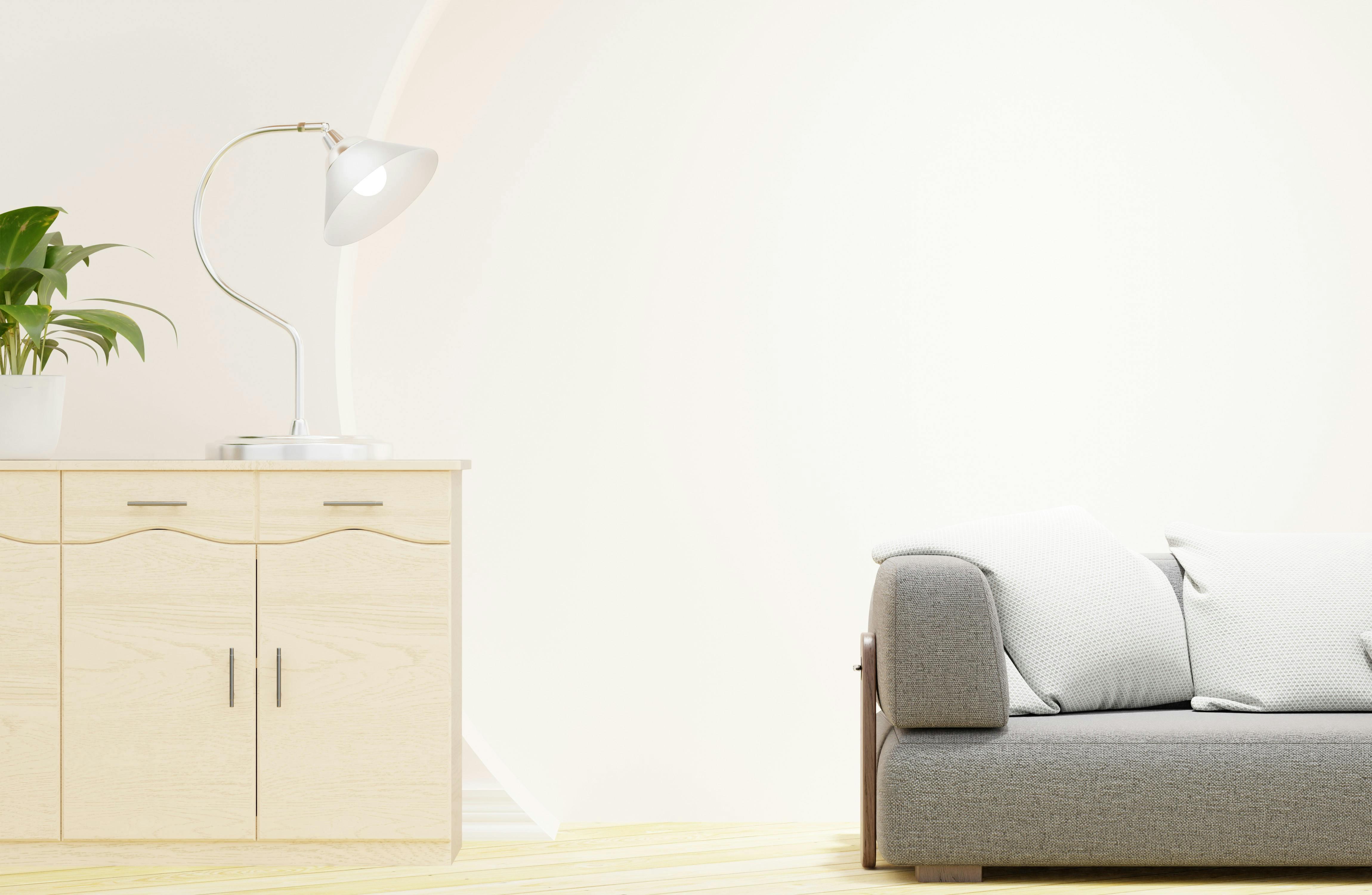
Sofas and accent chairs are often the most utilized pieces of furniture in any home. From lively family movie nights to quiet afternoons with a book, upholstered seating bears the brunt of daily domestic life. Over time, even the most durable upholstery fabrics begin to show signs of distress. Understanding the root causes of fabric deterioration can help you decide whether a simple fix, proactive maintenance, or seeking expert Upholstery Repair Austin specialists is the right step for preserving your beloved seating.
In this comprehensive guide, we examine the most common sofa and chair fabric problems homeowners encounter, explore why they happen, and outline the best solutions to restore your furniture to its prime.
1. Fabric Pilling and Fuzzing
Fabric pilling occurs when loose fibers twist together and form small, unsightly balls on the surface of cushions and armrests. This is particularly prevalent on synthetic blends, woven linens, and soft chenilles.
- Causes: Constant friction from clothing, pets, and everyday sitting pulls loose fiber ends out of the weave, forming tangled clusters.
- Remedies: A gentle motorized fabric shaver or cashmere comb can remove pills safely without thinning the core weave. Pilling is often temporary and subsides after initial loose fibers are eliminated.
2. Sunlight Fading and UV Damage
Placing a favorite chair or sofa near bright, south-facing windows adds natural warmth to a room, but prolonged exposure to sunlight rapidly degrades textile fibers and washes out vibrant colors.
- Vulnerable Materials: Natural fibers such as cotton, linen, and silk are especially susceptible to photodecay, leading to dull colors and brittle fibers that tear easily.
- Prevention & Restoration: Utilize sheer curtains, UV-blocking window film, or rotate seating seasonally. If color fading is uneven, consulting an upholstery craftsman for panel replacement or reupholstery is the cleanest fix.
3. Seam Separation and Stitching Stress
Cushion seams and welt cords absorb intense tension each time someone sits down. When internal thread deteriorates or the fabric fray edge slips from the stitch line, open gaps begin to develop.
- Underlying Factors: Degraded foam inserts, excessive tension from tight upholstery, or aged polyester thread can snap under repeated loads.
- Professional Repair: Addressing split seams promptly prevents fraying beyond salvageable borders. Technicians can reinforce hidden margins with industrial-grade bonded nylon threads.
4. Deep Stains, Water Rings, and Spill Penetration
From coffee spills and red wine to oily pet coats, liquid stains pose an ongoing threat to fine upholstery fabrics, often setting deep into the backing.
- Cleaning Code Awareness: Always check the manufacturer cleaning code (W, S, W/S, or X). Using water-based solutions on solvent-only fabrics can leave stubborn water rings and cause color bleeding.
- Protective Coatings: Applying stain-repellent finishes like fluoropolymer protectors helps liquids bead on the surface, buying valuable time to blot rather than scrub.
5. Pet Scratches, Snags, and Fiber Tears
Claws can quickly turn a tailored sofa corner or chair skirt into shredded threads. Loose-weave fabrics like jacquards, tweeds, and bouclés are prime targets for snagging.
- Pet-Friendly Alternatives: Microfibers, tightly woven performance velvets, and high-abrasion commercial textiles resist puncture and claw snagging much more effectively.
- Partial Re-covering: When claw damage is confined to an armrest or side panel, targeted panel re-covering can salvage the piece without requiring a complete rebuild.
6. Sagging Fabric and Foam Flattening
When seat fabric looks baggy, wrinkled, or puckered, the issue often stems from compressed interior cushioning rather than the fabric stretching on its own.
- Foam Breakdown: Standard polyurethane foam collapses after years of compression, leaving excess fabric covering that bunches and creases permanently
- Dacron Wrap Restoration: Replacing tired cores with high-resiliency foam and a plush Dacron wrap fills out cushion casings, eliminating unsightly wrinkles and restoring crisp structure
When to Repair vs. Reupholster
Minor surface flaws can often be resolved with specialized cleaning, thread re-stitching, or foam re-stuffing. However, when wear becomes widespread across primary contact areas, complete reupholstery becomes the most economical and sustainable investment
- Solid Hardwood Frames: If your sofa has a solid kiln-dried maple or oak frame, reupholstering yields higher quality than purchasing new mass-market replacements.
- Custom Aesthetic Alignment: Reupholstery allows you to select modern performance textiles, stain-resistant fabrics, and customized cushion densities tailored to your household
Revitalize Your Living Space with Professional Care
Fabric wear doesn't mean your sofa or accent chair has reached the end of its life. With targeted care, seasonal maintenance, and prompt repairs, you can keep your living room centerpieces looking pristine and inviting for years to come.
When fabric issues compromise the look and comfort of your home, trusting seasoned artisans for dedicated Upholstery Repair Austin ensures your furniture receives meticulous restoration and lasting craftsmanship

 English
 French
 Spanish
 Portuguese
 Deutsch
 Turkish
 Dutch
 Italiano
 Russian
 Romaian
 Portuguese (Brazil)
 Greek
