


What Does an Under Eye Filler Consultation Involve?
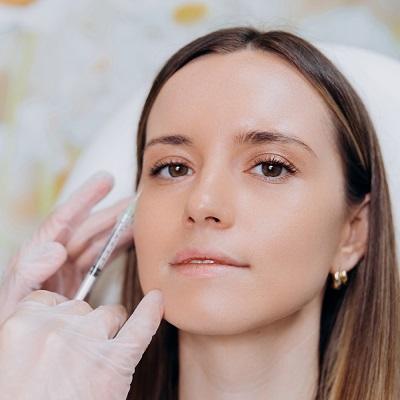
The under-eye area is one of the most delicate and noticeable parts of the face. Dark circles, hollow areas, tear troughs, and a tired appearance can develop due to ageing, genetics, volume loss, or changes in skin structure. Although these concerns are common, finding the right treatment requires careful assessment, particularly when considering dermal fillers. This is why an initial consultation is an essential step before undergoing treatment.
For individuals considering Under Eye Fillers in Muscat a consultation provides an opportunity to understand the causes of under-eye concerns, explore suitable treatment options, and determine whether fillers are an appropriate choice. Rather than simply focusing on adding volume, the assessment considers facial anatomy, skin quality, existing concerns, and individual expectations.
A professional consultation also helps individuals understand how the procedure works, what results may look like, and what potential risks should be considered. Knowing what to expect can make the treatment journey more comfortable and help individuals make informed decisions.
1. Understanding the Patient's Under-Eye Concerns
The first part of an under-eye filler consultation usually involves discussing the individual's concerns and desired outcomes. Every person has a different facial structure, and under-eye changes can appear in several ways. Some individuals experience noticeable hollows beneath their eyes, while others are concerned about dark circles, fine lines, or a sunken appearance.
During this discussion, the practitioner may ask questions about when the concerns first appeared, whether they have become more noticeable over time, and whether any previous cosmetic treatments have been performed.
Common concerns discussed during the consultation include:
-
Under-eye hollowness: A sunken appearance beneath the eyes caused by volume loss or natural facial anatomy.
-
Tear troughs: Indentations that extend from the inner corner of the eyes towards the cheeks.
-
Dark circles: Discolouration that may result from pigmentation, visible blood vessels, shadows, or thin skin.
-
Tired-looking eyes: An appearance that can develop due to hollowing, ageing, or changes in the surrounding tissues.
-
Fine lines and wrinkles: Small creases that become more noticeable as skin elasticity decreases.
-
Volume loss: Changes in the natural fullness of the area beneath the eyes.
Understanding the primary concern helps determine whether under-eye fillers may provide a noticeable improvement. It is also important to recognise that not every under-eye issue is caused by volume loss. For example, pigmentation-related dark circles may require a different treatment approach.
2. Facial Assessment and Under-Eye Examination
A detailed facial assessment is one of the most important stages of the consultation. The under-eye region has delicate skin, blood vessels, and supporting structures, so treatment planning requires a good understanding of facial anatomy.
During the examination, the practitioner evaluates the under-eye area from different angles and considers how it relates to the cheeks, lower eyelids, and overall facial proportions.
The assessment may include several factors:
Skin thickness and quality: Thin skin can make blood vessels and underlying structures more visible. The practitioner evaluates skin texture, elasticity, and overall condition before recommending treatment.
Tear trough depth: The depth and shape of the hollow beneath the eyes help determine whether adding volume could improve the appearance of the area.
Cheek support: The upper cheek provides structural support to the lower eyelid. Reduced cheek volume can sometimes contribute to a more noticeable tear trough.
Under-eye bags and puffiness: Existing puffiness or fluid retention must be carefully assessed because adding filler may make these concerns more noticeable.
Facial symmetry: Differences between the two sides of the face are considered when developing a personalised treatment plan.
This examination helps establish whether the individual is a suitable candidate for treatment. It also prevents unrealistic expectations and reduces the likelihood of choosing a procedure that does not address the actual cause of the concern.
For those exploring Under Eye Fillers in Muscat, this assessment is particularly valuable because a personalised approach is more appropriate than following a standard treatment plan for everyone.
3. Medical History and Suitability for Under Eye Fillers
Before recommending any injectable treatment, the practitioner generally reviews the individual's medical history. This step helps identify possible risks, contraindications, and factors that could influence the treatment outcome.
Although under-eye fillers are minimally invasive, they are not suitable for everyone. The delicate nature of the treatment area makes proper patient selection especially important.
During this stage, individuals may be asked about:
-
Previous cosmetic procedures, including dermal fillers and injectable treatments.
-
Existing medical conditions and relevant allergies.
-
Current medications and supplements.
-
A history of swelling, fluid retention, or under-eye puffiness.
-
Previous reactions to injectable products.
-
Skin infections, inflammation, or irritation around the treatment area.
-
Previous complications following cosmetic procedures.
The practitioner may also discuss whether the individual is pregnant or breastfeeding, as elective cosmetic filler treatments are generally postponed during these periods due to limited safety evidence.
Certain conditions may make under-eye filler treatment less suitable. For example, individuals with significant under-eye bags, pronounced fluid retention, or very thin skin may not achieve the desired improvement with fillers.
A history of previous filler treatment is also important. Existing product in the area may influence the decision to proceed, modify the treatment plan, or consider dissolving previous hyaluronic acid filler before any additional treatment.
The purpose of this discussion is not simply to approve or reject treatment. It ensures that any recommendation is based on safety, individual needs, and realistic expectations.
4. Discussing the Procedure, Filler Options, and Expected Results
Once the facial assessment and medical history review are complete, the consultation usually moves towards discussing the treatment itself.
Under-eye fillers commonly use hyaluronic acid-based dermal fillers. Hyaluronic acid is a substance naturally found in the body that helps maintain hydration and volume. When carefully placed, an appropriate filler may soften the appearance of selected hollows and create a smoother transition between the lower eyelid and cheek.
However, not every hyaluronic acid filler is suitable for the under-eye region. The product's consistency, water-attracting properties, and suitability for delicate facial areas must be considered.
During the consultation, the practitioner may explain the following aspects:
How the treatment works: Small amounts of filler are carefully placed beneath the skin to address specific areas of volume deficiency. The aim is to create a natural-looking improvement rather than an overly full appearance.
Suitable filler characteristics: The practitioner considers the product's formulation and properties when selecting an appropriate option for the under-eye region.
Treatment technique: Depending on the individual's anatomy and the treatment plan, a fine needle or blunt-tipped cannula may be considered. Each technique has benefits and limitations.
Expected improvement: Individuals may notice softer hollows and a fresher appearance. However, fillers cannot correct every type of dark circle, wrinkle, or under-eye bag.
Longevity of results: Results vary depending on the product, individual metabolism, facial movement, and treatment technique. Under-eye filler results may last many months, but the duration cannot be guaranteed.
An important part of the discussion is understanding what fillers cannot achieve. They do not remove excess skin, eliminate pigmentation, or correct significant fat deposits beneath the eyes.
For individuals researching Under Eye Fillers in Muscat, understanding these limitations can help create realistic expectations and support better treatment decisions.
5. Risks, Preparation, and Aftercare Guidance
A responsible consultation should always include a clear explanation of possible side effects and complications. Even though dermal fillers are widely used in aesthetic treatments, injections around the eyes require particular care because of the area's complex anatomy.
Common temporary side effects may include:
-
Mild swelling around the injection area.
-
Bruising or tenderness.
-
Redness at the injection points.
-
Temporary unevenness.
-
Mild discomfort or sensitivity.
Some individuals may also experience prolonged swelling, visible lumps, bluish discolouration known as the Tyndall effect, or an irregular appearance if the filler is placed too superficially.
More serious complications are uncommon but can include infection, tissue injury, and vascular occlusion, which occurs when filler obstructs a blood vessel. In rare cases, vascular complications involving blood vessels connected to the eye can result in vision loss.
This is why treatment should only be performed by a suitably qualified and experienced medical professional with a strong understanding of facial anatomy and the ability to recognise and manage complications.
The consultation may also cover preparation recommendations, such as:
-
Informing the practitioner about all medications and supplements.
-
Discussing any history of bruising or bleeding problems.
-
Avoiding treatment when there is an active infection or irritation near the eyes.
-
Following individual instructions regarding skincare and makeup.
-
Discussing any previous filler treatment before proceeding.
Individuals should never stop prescribed medication without consulting the healthcare professional responsible for their care.
Aftercare guidance is equally important. Temporary swelling and bruising may occur, so individuals are generally advised to avoid unnecessary pressure or rubbing around the treated area. Strenuous exercise and excessive heat exposure may also need to be limited for a short period, depending on the practitioner's instructions.
Severe pain, unusual skin colour changes, increasing swelling, or any visual disturbance following filler treatment requires immediate medical assessment. Visual symptoms are an emergency.
6. Treatment Planning, Questions, and Making an Informed Decision
The final stage of an under-eye filler consultation focuses on creating an individual treatment plan. After reviewing the person's concerns, anatomy, medical history, and expectations, the practitioner can explain the most appropriate next steps.
In some cases, under-eye fillers may be recommended. In others, alternative treatments or no treatment at all may be more appropriate.
For example, individuals with pigmentation-related dark circles may benefit more from treatments targeting skin discolouration. Those with significant under-eye bags or loose skin may require a different approach, while individuals with prominent fluid retention may not be suitable candidates for additional filler.
The treatment plan may outline:
-
Whether under-eye fillers are suitable.
-
The areas that may benefit from treatment.
-
The type of filler being considered.
-
The anticipated amount of product, if treatment is appropriate.
-
Potential risks and expected recovery.
-
Whether alternative treatments should be considered.
-
Follow-up appointments and review recommendations.
This is also the ideal time to ask questions. Individuals considering Under Eye Fillers in Muscat may wish to understand the practitioner's experience with tear trough treatments, the type of filler being used, and the steps available to manage complications.
There should be no pressure to proceed immediately. A consultation is an opportunity to gather information, understand the available options, and decide whether the potential benefits outweigh the risks.
A good treatment plan prioritises facial harmony, safety, and natural-looking results rather than simply adding more volume.
Frequently Asked Questions (FAQs)
1. How long does an under-eye filler consultation take?
An under-eye filler consultation generally takes around 20 to 45 minutes, depending on the complexity of the individual's concerns and medical history. The appointment may include a discussion of expectations, facial assessment, suitability evaluation, and treatment planning. Additional time may be needed if previous filler complications or other medical concerns require further investigation.
2. Is everyone suitable for under-eye fillers?
No, under-eye fillers are not suitable for everyone. Individuals with pronounced under-eye bags, significant fluid retention, very thin skin, or certain medical conditions may not be ideal candidates. A professional assessment is necessary to determine whether fillers are appropriate or whether another treatment would provide a better outcome.
3. Are under-eye fillers painful?
Most individuals experience mild discomfort rather than significant pain during treatment. Some fillers contain a local anaesthetic to improve comfort, and additional numbing methods may be used when appropriate. Temporary tenderness, swelling, or bruising can occur following the injections.
4. How long do under-eye filler results last?
The longevity of under-eye fillers varies depending on the filler formulation, injection technique, individual metabolism, and facial anatomy. Results may last several months or longer. However, there is no fixed duration, and regular assessment is important before considering additional treatment.
5. Can under-eye fillers completely remove dark circles?
Under-eye fillers may improve dark circles caused by hollowness and shadowing. However, they are less effective for pigmentation-related discolouration, visible blood vessels, or dark circles associated with thin skin. Identifying the underlying cause during the consultation helps determine whether fillers are likely to provide a meaningful improvement.
6. What should individuals ask during an under-eye filler consultation?
Individuals should ask about the practitioner's qualifications and experience, the type of filler being considered, potential side effects, expected results, and available options if complications occur. It is also helpful to discuss whether alternative treatments may be more suitable. Understanding these details allows individuals to make informed decisions before undergoing treatment.
Final Thoughts
An under-eye filler consultation is much more than a discussion about improving appearance. It is an important assessment that helps identify the causes of under-eye concerns, evaluate treatment suitability, and establish realistic expectations.
For individuals considering Under Eye Fillers in Muscat, understanding each consultation stage can make the decision-making process easier. From reviewing medical history and examining facial anatomy to discussing filler options, potential risks, and aftercare, every step contributes to a safer and more personalised treatment approach.
The most important consideration is choosing a treatment based on individual anatomy and genuine suitability. With careful assessment, appropriate product selection, and realistic expectations, individuals can make informed decisions about improving the appearance of the under-eye area while prioritising their overall safety.
Read More About Under Eye Fillers: https://www.msoms.net/read-blog/49431
 Portuguese
 English
 Arabic
 French
 Spanish
 Deutsch
 Turkish
 Dutch
 Italiano
 Russian
 Romaian
 Portuguese (Brazil)
 Greek
