


Luxury Cosmetic Packaging Ideas for Modern Beauty Brands
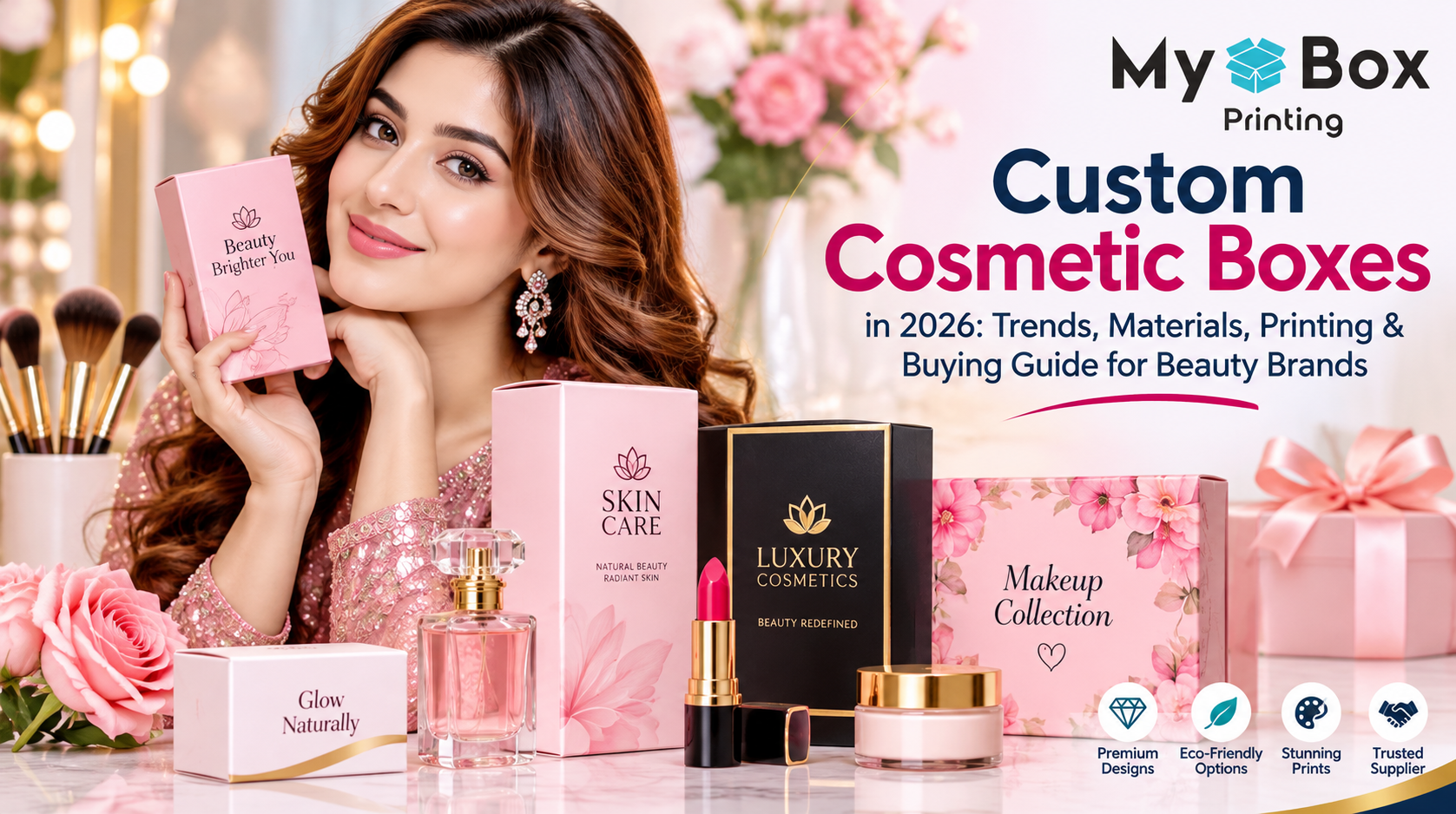
Luxury beauty lives or dies on perception. A £90 serum must feel like a £90 experience from the moment it arrives. Yet plenty of premium brands pour investment into formulations while settling for ordinary packaging. Choosing the right custom cosmetic boxes closes that gap between product quality and brand perception. This guide shares practical luxury packaging ideas that modern beauty brands can adopt without wasting money on gimmicks.
The luxury sector has shifted. Customers no longer equate excess with elegance. A box stuffed with plastic inserts and three layers of cellophane reads as dated, not decadent. Today's premium buyer wants restraint, material honesty, and a sense of ceremony. Your packaging must deliver that feeling while surviving the realities of courier networks and humid bathroom shelves.
What Luxury Means to Today's Beauty Buyer
Luxury expectations have changed dramatically over the past decade. Understanding these shifts prevents you from designing for a customer who no longer exists.
Restraint Over Excess
Modern luxury favours confidence expressed quietly. A single foil-stamped logo on textured board often outperforms a busy, over-designed box. Customers associate restraint with self-assurance. They read clutter as desperation.
This shift suits smaller brands. You do not need a huge packaging budget to look premium. You need discipline. Limit your palette to two colours. Choose one finishing technique and apply it precisely. Consistency across your range matters more than individual flourishes.
Material Honesty
Premium customers develop sharp instincts for fakery. Plastic designed to look like leather disappoints. Cheap board with a glossy laminate feels hollow. Luxury demands materials that are genuinely what they appear to be.
Choose uncoated boards with visible texture. Use real foil rather than metallic ink where budget allows. Select ribbons and fabrics that feel substantial in the hand. These honest materials age well and reinforce trust.
Sustainability as Standard
Luxury and wastefulness have parted ways. Affluent buyers increasingly view excessive packaging as poor taste. Refillable formats, recyclable mono-materials, and plastic-free inserts now signal sophistication.
Build sustainability into your packaging architecture rather than bolting it on. A refillable compact with a protective outer sleeve demonstrates longer-term thinking. That story resonates with premium customers far more than a recycled sticker.
Luxury Finishing Techniques Worth the Investment
Finishing transforms a functional box into a desirable object. Prioritise techniques that reward touch, since customers handle packaging before they use the product.
Soft-Touch Lamination
Soft-touch film creates a velvety surface that customers instinctively want to stroke. It pairs beautifully with spot UV, which adds gloss only where your logo sits. The contrast between matte and shine draws the eye without shouting.
Be aware of recyclability. Standard soft-touch films complicate paper recycling. Ask suppliers about recyclable soft-touch alternatives or water-based coatings that offer similar tactile appeal.
Embossing and Debossing
Raised or recessed elements add dimension and perceived weight. Debossing your logo into a thick board creates an understated, expensive look. Blind embossing—without foil or ink—works particularly well for minimalist brands.
Tooling costs apply, so commit to a design you will keep for at least a year. Consistent embossing across your range becomes a recognisable brand signature.
Foil Stamping
Hot foil remains the classic luxury cue. Gold, rose gold, and copper suit beauty brands well. Consider less obvious choices: matte white foil on cream board creates subtle elegance. Black foil on dark grey reads as modern and editorial.
Limit foil to one element. Too much metallic finish tips from luxury into discount territory.
Edge Painting and Window Patching
Painted edges on rigid boxes add a jeweller-like detail that customers notice on close inspection. A shaped window using recyclable cellulose film showcases the product while maintaining premium presentation. These details reward the second look.
Structural Ideas That Create Ceremony
The order in which a customer encounters your packaging shapes their memory of the brand. Structure controls that sequence.
The Two-Piece Rigid Box
A base and lid in rigid board remains the gold standard for gift sets and hero products. The lid lift should have slight resistance, creating a satisfying moment of release. Add a ribbon pull or thumb notch to guide the interaction.
Line the base with a moulded pulp or paper-pulp insert shaped to the product. Avoid plastic vacuum forms. Modern pulp inserts look refined, protect glass, and recycle easily with the box.
Drawer and Sleeve Combinations
A rigid drawer sliding within a printed sleeve offers theatre and practicality. The sleeve can change with seasonal campaigns at modest cost while the drawer stays constant. This split reduces waste and keeps budgets predictable.
Include a ribbon or fabric tab for the drawer. Without a pull, customers scratch at the edges and damage the finish.
Magnetic Closure Book-Style Boxes
Book-style boxes open like a hardback, revealing product and messaging across two inner panels. This format suits skincare routines and multi-step products. Print your brand story, ingredients, and usage guidance across the interior surfaces.
The magnetic snap is crucial. Test closures with your supplier to ensure consistent resistance across production runs. A weak magnet undermines the entire experience.
Refillable and Modular Systems
Refillable packaging has moved from niche to mainstream expectation in premium beauty. It also builds commercial loyalty: customers return for refills, not competitors.
Designing for Refill from the Start
Refill systems work best when the permanent component feels genuinely worth keeping. A weighty glass jar or metal compact earns its place on a dressing table. The refill pod should be simple to insert and clearly recyclable.
Pack the refill in a slim, printed card sleeve rather than a full rigid box. This reduces cost and material use while maintaining brand presence. Customers appreciate the logic.
Modular Gift Sets
Design individual product boxes to a common footprint so they stack, align, and combine into gift sets. Retailers love this flexibility. You reduce the number of packaging SKUs while offering multiple bundle options.
Standardised footprints also improve shelf displays and reduce shipping waste through better pallet efficiency.
Personalisation at Luxury Scale
Personalisation signals care. It also justifies premium pricing when executed well.
Variable Data Printing
Digital printing allows names, initials, and short messages on short runs. Apply personalisation to the sleeve or an inner card rather than the entire box. This keeps unit costs sensible while delivering the personal moment.
Hand-Finished Details
A hand-tied ribbon, a wax seal, or a signed card adds human presence. These touches cost pennies but carry enormous emotional weight. Reserve them for VIP orders, influencer kits, and corporate gifting rather than everyday fulfilment.
Testing and Costing Your Packaging
Luxury packaging fails commercially when brands skip the practical checks.
Request Physical Prototypes
Never approve a design from a screen. Order assembled prototypes in your chosen board, finish, and insert. Handle them, pack them, and ship one to yourself. Transit testing reveals weaknesses no mock-up shows.
Calculate True Unit Cost
Include tooling, freight, storage, and labour in your costings. A box that requires eight minutes of assembly per unit may cost more in wages than materials. Compare total landed cost per product, not price per box.
Plan Minimum Order Quantities
Rigid boxes often carry high minimums. Match order volumes to realistic sales forecasts. Overordering locks up cash and risks obsolescence if you rebrand. Some suppliers offer lower minimums on digitally printed sleeve formats—use these for testing before committing to rigid tooling.
Conclusion
Luxury cosmetic packaging rewards brands that choose restraint, honest materials, and thoughtful structure. Soft-touch finishes, blind embossing, and painted edges deliver tactile luxury. Two-piece rigid boxes, drawer formats, and book-style closures create ceremony. Refillable systems demonstrate responsibility and drive repeat purchase. Personalisation adds the human touch that customers remember.
Start with your hero product. Perfect one box before expanding the range. Test prototypes thoroughly, calculate true costs, and choose suppliers who understand beauty sector requirements. Consistency across your range will do more for your brand than any single showstopper design.
Ready to elevate your packaging? Share your favourite luxury packaging details in the comments below or get in touch to discuss your next packaging project. We would love to hear which finishes your customers respond to most.
 Russian
 English
 Arabic
 French
 Spanish
 Portuguese
 Deutsch
 Turkish
 Dutch
 Italiano
 Romaian
 Portuguese (Brazil)
 Greek
