


Exploring Surgical Options for Improving Droopy Upper Eyelids
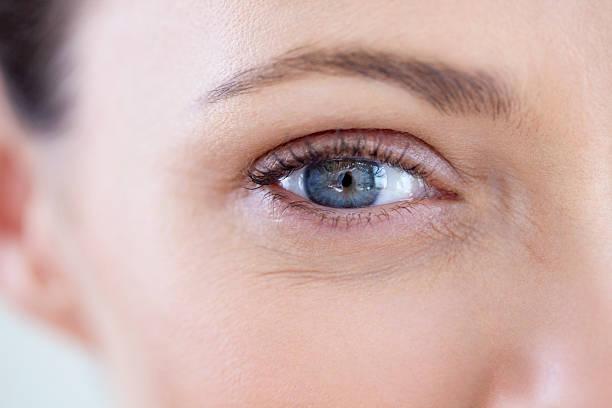
Droopy upper eyelids can change the appearance of the eyes and make the face look tired, heavy, or older than it feels. This concern may develop gradually as the skin loses elasticity, supporting tissues change, or the muscles responsible for lifting the eyelids become weaker. For individuals considering Eyelid surgery in Riyadh (جراحة رأب الجفن في الرياض), understanding the underlying cause of drooping is an important first step because different conditions may require different surgical approaches.
The appearance of droopy eyelids varies from person to person. Some individuals notice loose skin forming folds above the eyelashes, while others experience an actual lowering of the eyelid margin. In certain cases, the eyebrows also descend with age, adding to the heaviness around the eyes. Identifying these differences helps a specialist recommend an approach that addresses the relevant anatomical concern rather than treating every case in the same way.
Common Causes of Droopy Upper Eyelids
Excess Skin and Reduced Elasticity
The skin around the eyes is naturally thin and delicate. With ageing, reduced collagen and elastin can cause it to become looser, creating folds that may rest over the natural upper eyelid crease. This condition is often associated with dermatochalasis. When excess skin becomes pronounced, it can make the eyes appear smaller and, in some cases, interfere with the upper field of vision.
Upper Eyelid Muscle Weakness
True eyelid drooping, known as ptosis, occurs when the structures responsible for lifting the upper eyelid do not function effectively. It may be related to ageing, muscle changes, previous surgery, injury, or other medical factors. Ptosis is different from excess skin because the eyelid margin itself sits lower than its usual position. A specialist examination is needed to determine whether the lifting muscle requires correction.
Changes in Eyebrow Position
A lowered eyebrow can push the skin above the upper eyelid downward, creating a heavy or hooded appearance. This may resemble drooping caused by excess eyelid skin, but the source of the problem is different. Assessing eyebrow position alongside eyelid structure helps prevent an incomplete treatment plan.
Upper Blepharoplasty for Excess Eyelid Skin
Upper blepharoplasty is a surgical procedure designed to remove carefully measured excess skin from the upper eyelids. Depending on individual anatomy, the surgeon may also address selected underlying tissue to improve the eyelid contour. The incision is commonly planned within the natural upper eyelid crease, where the resulting scar can become less noticeable as healing progresses.
For people exploring Eyelid surgery in Riyadh, upper blepharoplasty may be an option when loose skin is the main cause of heaviness. The aim is to create a more open and defined appearance while preserving natural eyelid movement and adequate skin for comfortable eye closure. The amount of tissue removed must be planned carefully because excessive removal can lead to dryness or difficulty closing the eyes.
Ptosis Repair for a Lowered Eyelid Margin
When the eyelid itself sits too low because of weakness or stretching of its lifting mechanism, ptosis repair may be considered. The procedure focuses on adjusting or strengthening the structures that elevate the upper eyelid. The specific technique depends on the degree of drooping, muscle function, and the patient's individual anatomy.
Ptosis repair is not interchangeable with standard upper blepharoplasty. Removing excess skin alone may not correct a low eyelid margin. In some cases, a patient may require ptosis correction alongside removal of excess skin, but this decision should follow a detailed assessment. The surgeon should also evaluate eyelid symmetry, eye movement, and the ability to close the eyes comfortably.
When Brow Lift Surgery May Be Considered
If a low eyebrow contributes significantly to upper eyelid heaviness, a brow lift may be discussed as part of the treatment plan. This procedure changes the position of the brow and can reduce the amount of tissue pressing down on the upper eyelid. It does not directly correct every cause of eyelid drooping, so the surgeon must determine whether brow position is the primary concern or one part of a combination of factors.
Some individuals may benefit from a single procedure, while others may need a carefully planned combination. The recommendation depends on facial proportions, skin excess, eyelid muscle function, eyebrow position, and personal goals. A balanced result should preserve the natural expression of the face rather than create an overly elevated or surprised appearance.
Consultation and Surgical Planning
A thorough consultation helps establish the cause and severity of upper eyelid drooping. The practitioner may examine the amount of excess skin, measure eyelid position, assess muscle function, and evaluate eyebrow height. Questions about dry eyes, vision changes, contact lens use, medications, previous eye procedures, and relevant medical conditions are also important.
Patients should explain whether their concern is mainly cosmetic or whether drooping affects everyday activities such as reading or seeing objects above them. If the eyelid appears to obstruct vision, a visual field assessment may be appropriate. For anyone considering Eyelid surgery in Riyadh, discussing realistic outcomes and the differences between blepharoplasty, ptosis repair, and brow lift surgery can make the decision process clearer.
Recovery, Results, and Potential Risks
Recovery depends on the procedure performed and the individual's healing response. Temporary swelling, bruising, tightness, and mild discomfort may occur after surgery. Patients receive instructions about wound care, medication, eye protection, and when normal activities can resume. Follow-up visits help the surgeon monitor healing, eyelid position, and eye closure.
The appearance continues to settle as swelling decreases, and scars gradually mature. Results can improve eyelid definition or position, but surgery cannot prevent future ageing. Possible risks include infection, bleeding, scarring, asymmetry, dry eyes, difficulty closing the eyelids, and changes in eyelid position. Patients should discuss these risks and any personal eye-health concerns with their surgeon before proceeding.
Book a Consultation at Royal Clinic Saudi
If droopy upper eyelids are affecting your appearance or comfort, a consultation at Royal Clinic Saudi (عيادات رويال كلينك) can help you understand the available surgical options. A professional assessment can identify whether excess skin, eyelid muscle weakness, or eyebrow position is contributing to the concern. Discussing your goals, suitability, recovery expectations, and potential risks can help you make an informed decision about the next step.
FAQs:
1. What is the difference between droopy eyelids and excess upper eyelid skin?
Excess skin creates folds over the eyelid, while true ptosis involves a lowered eyelid margin caused by problems with its lifting mechanism.
2. Is upper blepharoplasty suitable for every type of droopy eyelid?
No. It is mainly used to address excess skin. Ptosis or brow descent may require a different procedure.
3. Can droopy upper eyelids affect vision?
Yes. Significant excess skin or eyelid drooping may obstruct the upper field of vision and should be professionally assessed.
4. How long does it take to recover from upper eyelid surgery?
Initial swelling and bruising generally improve over the first few weeks, although complete healing and scar maturation take longer.

 English
 French
 Spanish
 Portuguese
 Deutsch
 Turkish
 Dutch
 Italiano
 Russian
 Romaian
 Portuguese (Brazil)
 Greek
