


Task Tracking Software for Accountants: How to Organise Workflows and Meet Deadlines
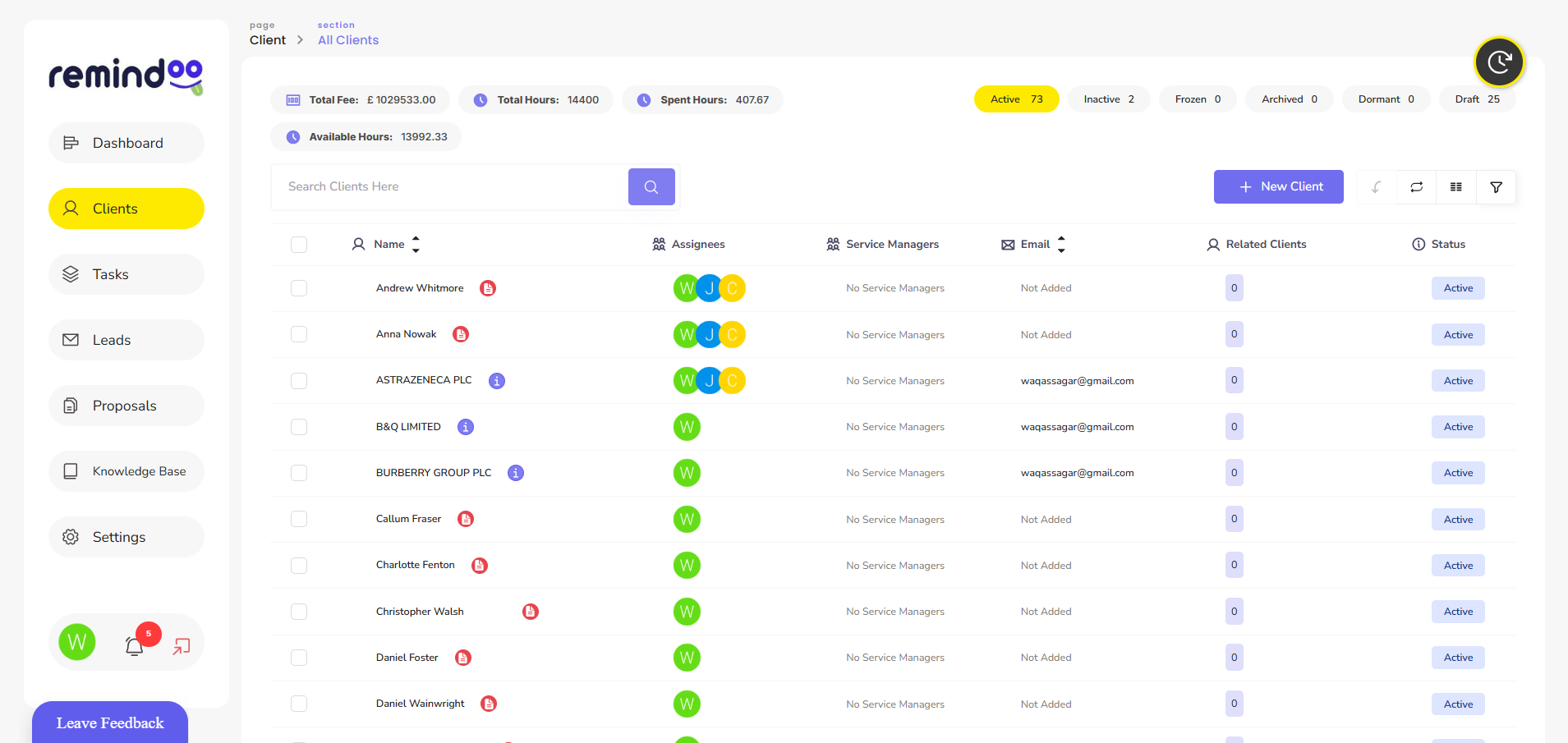
Accounting practices manage numerous responsibilities throughout the year. These include preparing accounts, processing payroll, submitting tax returns, responding to client enquiries and monitoring compliance deadlines. When several clients require attention at the same time, keeping track of every responsibility can become challenging.
Spreadsheets, email reminders and manual task lists may work for a small number of clients. However, as a practice grows, these methods can make it harder to monitor progress and identify outstanding work. Task tracking software for accountants provides a more structured way to organise responsibilities, assign work and monitor deadlines across the practice.
Why Do Accounting Practices Need Better Task Management?
Accountants regularly handle recurring and client-specific tasks. Some activities follow monthly or quarterly schedules, while others depend on individual client circumstances or statutory deadlines.
Without a centralised system, important information can become scattered across emails, spreadsheets and separate applications. Employees may struggle to establish which tasks are outstanding, who is responsible for them and whether additional information is required from a client.
A structured task management process helps practices:
-
Organise work by client and service type.
-
Assign responsibilities to individual team members.
-
Monitor task progress and completion.
-
Identify approaching deadlines.
-
Reduce duplicated administrative work.
-
Maintain visibility across different client accounts.
These benefits become particularly important when a practice manages a growing client portfolio.
How Task Tracking Software for Accountants Improves Daily Operations
Task tracking software creates a central place to manage work. Rather than relying on individual employees to remember every responsibility, practices can record tasks, allocate ownership and monitor progress.
1. Centralise Client Tasks
Accounting work is often organised around individual clients. A single client may require bookkeeping, VAT returns, payroll processing, annual accounts and tax-related support.
When these activities are managed separately, employees may have difficulty understanding the overall status of a client's work.
A centralised task management system connects responsibilities with the relevant client. This makes it easier to review outstanding work, check previous activities and identify tasks requiring attention.
2. Assign Clear Responsibilities
Unassigned tasks can create confusion, particularly when several employees work on the same client account.
Task tracking software allows practice managers to allocate responsibilities to specific team members. Each employee can understand which activities they need to complete and when those activities are due.
Clear task ownership also makes it easier for managers to review workloads and redistribute responsibilities when necessary.
3. Monitor Deadlines and Recurring Work
Accounting practices deal with recurring responsibilities throughout the year. Examples include payroll processing, VAT returns, bookkeeping reviews and regular client reporting.
Manually creating reminders for every recurring activity can consume valuable administrative time.
A task tracking system can help practices establish recurring tasks, set due dates and monitor upcoming deadlines. Automated reminders can also help employees identify outstanding work before deadlines approach.
However, software reminders should support, rather than replace, proper review of statutory dates and individual client requirements.
4. Improve Team Collaboration
Accounting tasks frequently involve more than one person. For example, an employee may collect financial documents, another may prepare the accounts, and a manager may review the completed work.
A structured workflow makes these responsibilities easier to coordinate.
Team members can monitor task status, share relevant updates and identify activities waiting for another employee's input. This reduces the need for repeated internal messages asking about progress.
Managing Compliance Work and Client Deadlines
Meeting deadlines is an important part of accounting practice management. Missing a deadline can create additional work for both the practice and its clients.
Practices need to manage different responsibilities, including VAT submissions, payroll reporting, Self Assessment and annual accounts.
A task tracking system can help organise these activities by recording the relevant client, responsible employee, due date and completion status.
It is also important to distinguish internal practice deadlines from official submission deadlines. Setting an internal completion date before the statutory deadline gives employees time to review work and resolve outstanding issues.
The UK Government provides guidance on business record-keeping requirements for self-employed individuals. Maintaining accurate and accessible records is an important part of preparing tax returns and responding to HMRC enquiries.
The Role of Automation in Accounting Workflows
Automation can reduce the amount of repetitive administration involved in managing accounting work.
For example, a practice may create a workflow for monthly bookkeeping that includes requesting documents, checking information, completing bookkeeping and reviewing the finished work.
Instead of creating every task manually, workflow automation can help generate the required activities according to predefined processes.
Useful automation capabilities include:
-
Recurring task creation.
-
Automatic task allocation.
-
Deadline notifications.
-
Workflow status updates.
-
Client reminders.
-
Reusable task templates.
-
Trigger-based activities.
Automation does not eliminate the need for professional judgement. Employees still need to check information, resolve exceptions and review completed accounting work.
Connecting Task Management With Client Communication
Client communication is closely connected to task completion. An accounting task may remain incomplete because the practice is waiting for bank statements, invoices, payroll information or approval from the client.
Without a clear communication process, employees may spend considerable time following up on missing information.
Connecting task management with a client portal can make document collection and communication more organised. Clients can share relevant information through a central platform, while practice employees can monitor which items remain outstanding.
This approach can help reduce unnecessary email exchanges and provide better visibility into the progress of client work.
Choosing the Right Task Tracking Software for an Accounting Practice
Not every task management application is designed for accounting workflows. General project management tools may offer basic task lists, but accounting practices often need additional features related to client management, recurring compliance work and practice operations.
Before selecting a platform, practices should consider the following capabilities:
Client-based task management: The system should allow employees to organise activities around individual clients.
Workflow automation: Reusable workflows can help standardise recurring accounting processes.
Deadline management: Employees and managers should be able to monitor due dates and approaching deadlines.
Team allocation: Managers should be able to assign tasks and review employee workloads.
Client communication: Integrated communication and document-sharing facilities can make it easier to obtain outstanding information.
Reporting and visibility: Practice managers should be able to review completed, pending and overdue activities.
Integration capabilities: Connecting relevant business systems can reduce duplicate data entry and disconnected processes.
Security, access permissions, data protection and the availability of appropriate support should also be considered before adopting any practice management platform.
How Remindoo Supports Accounting Practice Management
Remindoo is a practice management platform designed for UK accountants and bookkeepers. It brings together several activities involved in managing client relationships, team responsibilities and accounting workflows.
Its task management capabilities help practices organise client-related activities, assign responsibilities and monitor work across the team.
Features such as recurring tasks, workflow automation, trigger dates and automated reminders can support the management of regular accounting responsibilities.
Remindoo also includes client management, a client portal, email triage, analytics and proposal and AML workflows. These capabilities help bring different aspects of practice administration into a more organised environment.
For accounting practices managing multiple clients, connecting task management with client information and communication can make it easier to understand which activities are complete and which still require attention.
The value of any practice management platform depends on how effectively its features fit the practice's existing processes. Practices should assess their requirements before introducing new software.
Practical Steps for Implementing Task Tracking Software
Introducing new software is only one part of improving practice operations. Accounting firms also need clear processes to ensure employees use the system consistently.
The following steps can help:
1. Review existing workflows: Identify how tasks are currently created, assigned, monitored and completed.
2. Identify repetitive activities: List regular responsibilities such as bookkeeping, payroll, VAT and annual accounts preparation.
3. Create standard task templates: Establish consistent steps for common accounting services.
4. Allocate task ownership: Make sure each activity has a responsible employee and an appropriate due date.
5. Train the team: Explain how to update task statuses, record progress and communicate outstanding issues.
6. Review performance: Monitor overdue tasks, workload distribution and recurring bottlenecks to identify opportunities for improvement.
Starting with a small number of workflows can make implementation easier before extending the system across the entire practice.
Conclusion
Managing accounting work requires more than maintaining a list of deadlines. Practices need clear task ownership, organised client information, consistent workflows and effective communication between employees and clients.
Task tracking software for accountants can bring these activities together by providing a central system for assigning work, monitoring progress and managing recurring responsibilities.
Platforms such as Remindoo demonstrate how task management can form part of a wider accounting practice management system. By combining structured workflows, automation and client communication, accounting firms can improve visibility over their operations and create a more organised approach to managing client work.

 English
 Arabic
 French
 Spanish
 Portuguese
 Deutsch
 Turkish
 Dutch
 Italiano
 Russian
 Portuguese (Brazil)
 Greek
