


Laser Tattoo Removal for Unwanted Cosmetic and Body Tattoos
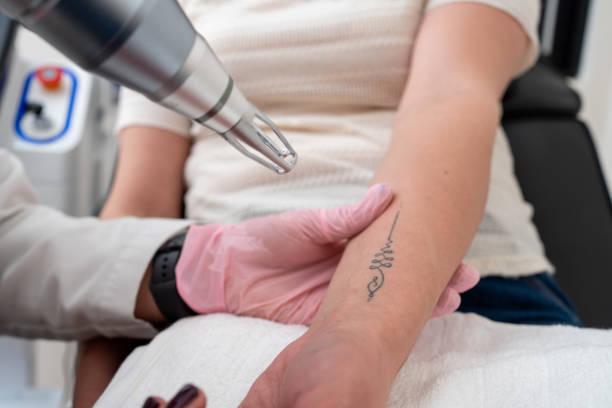
Tattoos can represent personal memories, artistic expression, or beauty preferences, but feelings about them may change over time. Cosmetic tattoos and body tattoos can become unwanted when styles evolve, results no longer match expectations, or personal circumstances change. Modern Laser tattoo removal in Riyadh offers a treatment approach designed to target unwanted tattoo pigments while taking the surrounding skin into consideration. Understanding the process can help individuals make informed decisions about whether laser treatment may suit their needs.
Cosmetic tattoos, such as eyebrow, eyeliner, and lip pigmentation, are different from decorative body tattoos because they are often placed in delicate areas and may contain different pigment formulations. During Laser tattoo removal in Riyadh, a qualified specialist assesses the tattoo's location, ink composition, depth, and appearance before recommending an appropriate approach. This assessment is particularly important because cosmetic pigments can sometimes react differently to laser energy than traditional tattoo ink.
Differences Between Cosmetic and Body Tattoos
Cosmetic Tattoo Pigments
Cosmetic tattoos are commonly used to enhance facial features or create a long-lasting makeup effect. Examples include microbladed eyebrows, permanent eyeliner, lip blush, and other forms of semi-permanent pigmentation. Although these treatments are intended to provide subtle results, changes in facial preferences, uneven pigment fading, or dissatisfaction with the original appearance may lead someone to consider removal.
Cosmetic pigments can contain ingredients that respond unpredictably to certain laser wavelengths. Some may temporarily darken or change colour when exposed to laser energy. For this reason, specialists need to identify the pigment characteristics and consider a cautious treatment strategy. The delicate nature of facial skin and the proximity of areas such as the eyes also make professional assessment essential.
Decorative Body Tattoos
Body tattoos are usually created with pigments deposited at different depths within the skin. Their size, colour, age, and design can vary considerably. A small black tattoo may respond differently from a large, multicoloured design containing several layers of ink. Tattoos on the arms, legs, back, chest, and other body areas may also require different treatment considerations because skin thickness and healing characteristics vary across the body.
How Laser Technology Targets Tattoo Ink
Laser tattoo removal uses concentrated pulses of light energy to target pigment particles within the skin. The energy is absorbed by the tattoo ink, helping break larger pigment particles into smaller fragments. The body's natural processes then gradually remove some of these fragments over time.
The laser is selected according to factors such as ink colour, pigment depth, skin characteristics, and the tattoo's overall appearance. Different wavelengths interact with different colours, which means one setting may not be suitable for every tattoo. A specialist evaluates these details to determine the most appropriate approach rather than treating all tattoos in the same way.
Laser treatment generally takes place over multiple sessions because the ink needs time to break down and the skin needs time to recover between appointments. Complete removal cannot always be guaranteed. Some tattoos may fade significantly, while others may retain a faint outline or traces of pigment.
Factors That Influence Treatment Response
Ink Colour and Composition
Tattoo colour is an important factor in determining how the pigment responds to laser treatment. Dark pigments, particularly black, often absorb laser energy effectively. Green, blue, red, yellow, and other colours may require different wavelengths and can vary in their response. Cosmetic pigments deserve additional attention because their chemical composition may differ from conventional tattoo inks.
Tattoo Age and Depth
Older tattoos may have experienced natural fading, but their response to treatment still depends on ink composition and placement. Pigment deposited deeper within the skin may require a different treatment plan from superficial pigmentation. The number of sessions cannot be determined by age alone.
Skin Type and Treatment Area
Skin tone, sensitivity, and the location of the tattoo all influence treatment planning. Areas with delicate or reactive skin may need additional precautions. A specialist should also review previous skin reactions, scarring, and any history of complications before beginning treatment.
What to Expect During a Laser Removal Session
Before treatment, the specialist examines the tattoo and discusses the desired outcome, medical history, and possible risks. The skin is cleaned, and protective measures are used according to the treatment area. Appropriate eye protection is especially important when working near facial cosmetic tattoos.
During the procedure, the laser delivers short pulses of energy to the pigmented area. People may experience a snapping or stinging sensation, warmth, or temporary discomfort. The level of sensation varies depending on the tattoo's size, location, and individual sensitivity. Cooling methods may be used to support comfort during the session.
After treatment, the skin may appear red, swollen, or sensitive. Small blisters or temporary changes in skin texture or pigmentation can sometimes occur. Following the specialist's aftercare instructions helps support recovery and reduces the risk of avoidable irritation.
Recovery and Aftercare Considerations
The treated area should be kept clean and cared for according to professional instructions. Picking, scratching, or removing scabs can increase the possibility of infection and scarring. Sun protection is also important because recently treated skin may be more vulnerable to pigmentation changes. Harsh skincare products, exfoliation, and unnecessary friction should be avoided until the area has recovered.
Allowing sufficient time between sessions is essential. The body needs time to process fragmented pigment, and the skin needs an opportunity to heal. Attending sessions too frequently may increase irritation without improving the overall outcome.
Choosing a Suitable Treatment Plan
Removing cosmetic and body tattoos requires an individualised approach. A treatment plan should account for the pigment type, tattoo placement, skin tone, medical history, and expectations. Specialists may also recommend a test spot when there is uncertainty about how a particular cosmetic pigment will react. This can help assess the response before treating a larger area, although it cannot eliminate every risk.
People considering removal should understand that possible complications include burns, blistering, scarring, infection, and temporary or lasting changes in skin colour. Cosmetic tattoo removal can be especially complex, so professional evaluation is important before proceeding.
Book a Laser Tattoo Removal Consultation at Royal Clinic Saudi
If you are considering removing an unwanted cosmetic or body tattoo, a professional consultation can help you understand the available treatment options. Contact Royal Clinic Saudi to discuss your concerns, have the tattoo assessed, and learn about an approach based on your skin characteristics and desired results.
FAQs:
1. Can laser treatment remove cosmetic eyebrow tattoos?
Laser treatment may help fade or remove some eyebrow pigments, but the results depend on the pigment composition and how it responds to the selected laser.
2. Are cosmetic tattoos more difficult to remove than body tattoos?
They can be more complex because cosmetic pigments may contain ingredients that react differently to laser energy, sometimes changing colour during treatment.
3. How many sessions are needed to remove a tattoo?
The number of sessions varies according to tattoo size, colour, depth, ink composition, and individual response. Multiple appointments are commonly required.
4. Can laser tattoo removal cause skin damage?
Temporary redness, swelling, and blistering may occur. Scarring and pigmentation changes are also possible, which is why assessment, appropriate treatment settings, and aftercare are important.

 English
 French
 Spanish
 Portuguese
 Deutsch
 Turkish
 Dutch
 Italiano
 Russian
 Romaian
 Portuguese (Brazil)
 Greek
