


What Happens During a Lipedema Assessment With a Specialist?
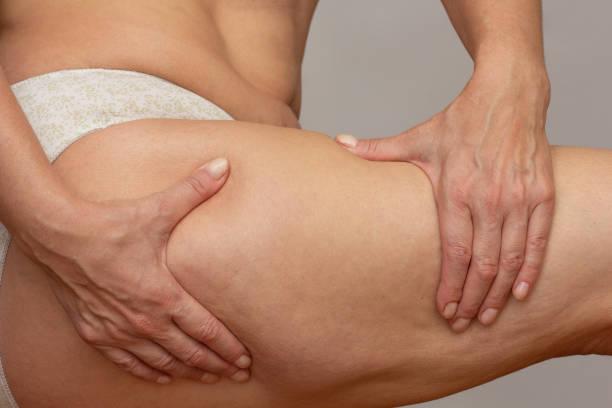
A lipedema assessment is an important step for individuals experiencing unusual fat distribution, leg tenderness, swelling, or persistent discomfort. Because lipedema can resemble other conditions that affect the limbs, a specialist evaluation helps identify characteristic symptoms and determine whether further investigations are necessary. For individuals exploring care for lipedema jeddah, understanding what happens during an appointment can make the process more comfortable and help them prepare relevant medical information.
Why Is a Specialist Assessment Important?
Lipedema is a chronic condition involving disproportionate fat accumulation, most commonly around the hips, thighs, and lower legs. It can also affect the arms, while the hands and feet are typically spared. Symptoms may include tenderness, heaviness, easy bruising, and difficulty with certain physical activities.
A specialist assessment helps to:
-
Identify physical features commonly associated with lipedema.
-
Understand the nature and duration of symptoms.
-
Distinguish lipedema from other causes of limb enlargement.
-
Evaluate whether additional conditions may be present.
-
Discuss appropriate management options based on individual needs.
An accurate assessment is particularly important because lipedema does not have one universally accepted confirmatory laboratory or imaging test. Diagnosis is generally based on medical history and physical examination.
Reviewing Your Medical History
The appointment often begins with questions about your health, symptoms, and medical background. This conversation helps the specialist understand when the changes began and how they have developed.
Questions About Your Symptoms
A specialist may ask:
-
When did you first notice unusual fat accumulation?
-
Are both legs affected similarly?
-
Do you experience tenderness or pain when the affected areas are touched?
-
Do your legs feel heavy after standing or walking?
-
Do you bruise easily?
-
Have you noticed changes in swelling throughout the day?
These details help establish whether your symptoms follow a pattern commonly associated with lipedema.
Discussing Family and Hormonal History
Lipedema is frequently reported among multiple members of the same family, suggesting a possible genetic contribution. A specialist may therefore ask whether relatives have experienced similar symptoms.
You may also be asked whether symptoms first appeared or became more noticeable during puberty, pregnancy, or menopause. These hormonal transitions are commonly reported periods of symptom development, although their exact relationship with lipedema is still being researched.
Physical Examination of the Affected Areas
After reviewing your medical history, the specialist may examine the areas where fat accumulation or discomfort occurs. The examination is usually focused on identifying physical characteristics and checking for signs that may suggest another condition.
Evaluating Fat Distribution
The specialist may observe whether enlargement is symmetrical and whether it mainly affects the hips, thighs, calves, or arms. They may also assess whether the feet and hands are relatively unaffected, as this is a common feature of lipedema.
Other observations may include:
-
The overall shape and proportions of the limbs.
-
The texture and appearance of the skin.
-
Areas of tenderness or sensitivity.
-
The presence of nodular or uneven fatty tissue.
-
Visible swelling or changes in limb size.
Checking for Tenderness and Bruising
Gentle examination may help identify areas that are painful or sensitive to pressure. The specialist may also ask about frequent bruising or examine visible bruises when relevant.
Not every person with lipedema experiences the same symptoms. The absence of one characteristic does not automatically rule out the condition.
Understanding the Different Stages of Lipedema
A specialist may describe the condition using a commonly used four-stage classification. This system focuses mainly on changes in skin appearance and tissue structure rather than directly measuring pain or disability.
-
Stage 1: The skin surface may appear relatively smooth, while the underlying fatty tissue is enlarged.
-
Stage 2: The skin may become more uneven, with visible or palpable nodules.
-
Stage 3: Larger areas of fatty tissue and folds may develop, creating more noticeable changes in limb shape.
-
Stage 4: Lipedema occurs alongside secondary lymphatic dysfunction, a condition commonly called lipolymphedema.
Not everyone progresses through these stages, and the stage alone does not reliably indicate how much pain a person experiences. A specialist considers symptoms and functional limitations alongside physical appearance.
Are Imaging Tests Required During an Assessment?
Lipedema is primarily diagnosed through clinical evaluation, so imaging is not always necessary. However, additional tests may be recommended when the specialist needs to investigate other possible causes of swelling or limb enlargement.
Possible Investigations
Depending on the findings, these may include:
-
Ultrasound: May help assess veins and investigate conditions such as chronic venous disease or blood clots.
-
Lymphatic imaging: May be considered when lymphatic dysfunction is suspected.
-
Other medical tests: Blood tests or additional investigations may be recommended to evaluate other health concerns.
These tests do not independently confirm every case of lipedema. Their purpose is often to clarify the diagnosis or identify conditions that may coexist with it.
How Specialists Differentiate Lipedema From Other Conditions
Several medical conditions can cause enlarged legs or swelling, so distinguishing between them is an important part of the assessment.
Lipedema and Lymphedema
Lipedema primarily involves abnormal fat distribution and often affects both legs symmetrically, with relative sparing of the feet. Lymphedema develops when lymphatic fluid drainage is impaired and can involve the feet. It may affect one or both limbs.
Both conditions can occur together, resulting in lipolymphedema.
Lipedema and Obesity
Obesity involves excess body fat that may affect multiple areas of the body. Lipedema, by contrast, usually produces disproportionate enlargement of specific limb regions and may be accompanied by tenderness or easy bruising. Both conditions can coexist, so a specialist evaluates the overall clinical picture rather than relying on body weight alone.
Discussing Treatment and Management Options
Once the assessment is complete, the specialist may explain the findings and discuss suitable next steps. Treatment recommendations depend on symptom severity, physical function, overall health, and individual goals.
Potential management approaches include:
-
Compression therapy: Properly fitted garments may help manage discomfort and fluid-related swelling.
-
Low-impact exercise: Walking, swimming, and cycling can support mobility and muscle function.
-
Physical therapy: Specialized exercises may help maintain flexibility and everyday movement.
-
Manual lymphatic drainage: May be considered when additional lymphatic swelling is present.
-
Surgical evaluation: Selected individuals with persistent symptoms may discuss specialized liposuction after appropriate assessment.
No single treatment is suitable for everyone. Conservative management may remain important even when surgical treatment is considered.
How to Prepare for Your Appointment
Preparing a few details before your visit can help make the assessment more useful. Consider recording when symptoms began, which areas are affected, and whether pain or swelling changes throughout the day.
You may also bring a list of medications, previous test results, relevant medical records, and information about family history. Wearing comfortable clothing can make the physical examination easier.
Understanding Lipedema in Riyadh starts with an appropriate evaluation rather than assuming that every case of leg enlargement has the same cause.
Conclusion
A specialist lipedema assessment generally includes a review of medical history, discussion of symptoms, physical examination, and additional investigations when needed. The purpose is to identify characteristic features, rule out other conditions, and develop an individualized management plan. Recognizing the signs of Lipedema in Riyadh and seeking professional evaluation can help individuals better understand their condition and make informed decisions about their care.
Book a Consultation at Royal Clinic Saudia
If you are experiencing persistent leg tenderness, unusual fat distribution, or unexplained limb enlargement, a professional assessment can help clarify your concerns. Contact Royal Clinic Saudia to discuss your symptoms, learn about the evaluation process, and explore appropriate care options for Lipedema in Riyadh.

 English
 Arabic
 French
 Spanish
 Portuguese
 Deutsch
 Dutch
 Italiano
 Russian
 Romaian
 Portuguese (Brazil)
 Greek
