


Post Construction Cleaning: A Complete Guide to Preparing Newly Built and Renovated Properties
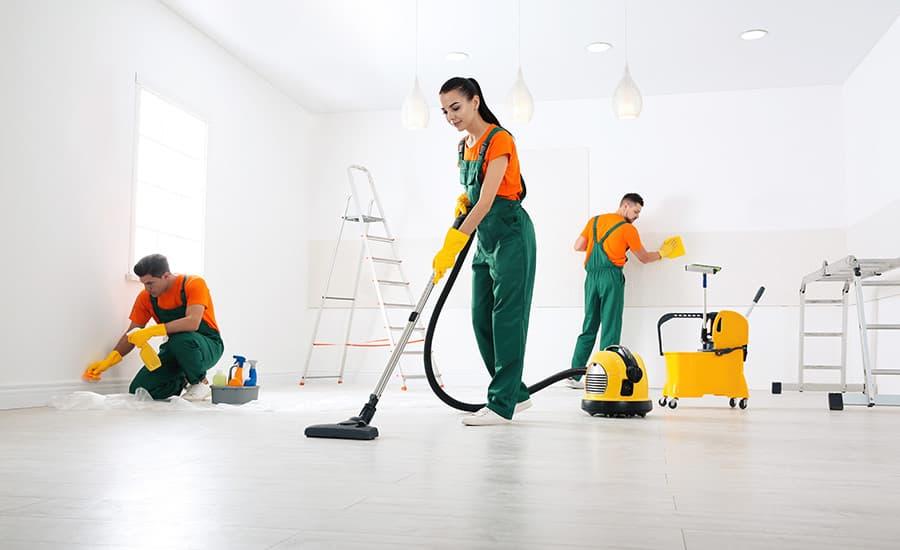
Construction and renovation projects can completely transform residential and commercial properties. However, once builders, contractors and other tradespeople finish their work, the property often requires extensive cleaning before it is ready for occupation. Dust, plaster residue, paint splashes, adhesive marks, packaging materials and construction debris can remain throughout the building, affecting its appearance, cleanliness and usability.
A newly completed property may look finished, but construction work frequently leaves behind dirt in places that are easily overlooked. Window frames, skirting boards, floors, ventilation areas, kitchen surfaces and bathroom fittings may all require specialist attention. Therefore, a thorough cleaning process is essential before homeowners, tenants, employees or customers begin using the space.
Professional post construction cleaning helps transform newly built and renovated environments into clean, presentable and comfortable spaces. It involves more than ordinary housekeeping because construction-related dirt often requires specific cleaning techniques, suitable equipment and carefully selected products.
Whether a project involves a single renovated room, an entire residential property or a large commercial building, understanding the cleaning process can help property owners achieve better results. This guide explains the different cleaning stages, essential services, equipment, safety considerations and practical benefits of professional cleaning.
Understanding the Importance of Construction Cleaning
Construction activities generate different types of dirt and waste. Unlike everyday household dust, construction residue can include fine particles, cement deposits, plaster, sawdust, paint marks and packaging materials.
These substances can settle on surfaces throughout a property, including areas that appear clean at first glance.
Removing Construction Dust and Residue
Fine construction dust can spread through rooms and settle on floors, walls, furniture, window ledges and other surfaces. It may also collect in corners, cupboards and other difficult-to-reach spaces.
Ordinary dusting may not be sufficient to remove this residue effectively. Appropriate vacuuming equipment, microfibre materials and suitable cleaning methods are often needed.
A thorough cleaning approach helps remove visible dirt while reducing the amount of remaining dust that could otherwise spread throughout the property.
Preparing Properties for Occupation
A completed building should be clean, safe and presentable before people begin using it.
Homeowners want a comfortable living environment, while commercial property owners need professional spaces suitable for employees, visitors and customers.
Cleaning helps ensure that newly installed fixtures, flooring, windows and other finishes are ready for everyday use.
Protecting Newly Installed Surfaces
New materials can be vulnerable to incorrect cleaning methods. For example, abrasive products may scratch delicate surfaces, while unsuitable chemicals can damage certain flooring finishes.
Using appropriate cleaning products and techniques helps protect new installations and maintain their appearance.
What Does a Professional Construction Cleaning Service Include?
A comprehensive cleaning service addresses different areas of a property according to the condition of the building and the requirements of the project.
The exact tasks may vary depending on the size of the property, the type of construction work completed and the amount of remaining debris.
Removal of Loose Dust and Construction Debris
The first stage usually involves removing loose materials left behind after construction.
This may include:
·
General construction dust.
·
·
Small pieces of packaging.
·
·
Sawdust and loose plaster.
·
·
Empty product containers.
·
·
Protective film and removable labels.
·
·
Other non-hazardous surface debris.
·
Larger construction waste, hazardous materials and specialist disposal items may require separate arrangements.
Cleaning Floors and Floor Coverings
Floors often collect significant amounts of construction residue because tradespeople regularly move equipment and materials throughout the building.
Different flooring types require different cleaning methods.
Common flooring materials include:
·
Porcelain and ceramic tiles.
·
·
Natural stone.
·
·
Laminate flooring.
·
·
Vinyl flooring.
·
·
Hardwood flooring.
·
·
Carpets and rugs.
·
Hard flooring may require careful vacuuming and suitable damp cleaning. Carpets may benefit from professional vacuuming or specialist treatment where appropriate.
It is important to check manufacturer recommendations before applying cleaning products to newly installed flooring.
Cleaning Windows and Glass Surfaces
Windows, glass doors and internal partitions can accumulate fingerprints, dust, adhesive residue and paint splashes during construction.
A proper cleaning process may involve cleaning the glass, window frames, sills and accessible tracks.
Special care is necessary when removing stubborn marks to avoid scratching the glass or damaging surrounding finishes.
Cleaning Kitchens and Installed Cabinets
New kitchens often require detailed attention before they are ready for use.
Dust and installation residue can collect inside cupboards, drawers, worktops and around newly installed appliances.
Professional cleaning may include wiping cabinet interiors, cleaning external surfaces, removing fingerprints and sanitising appropriate food-preparation areas.
However, electrical appliances and specialist finishes should always be cleaned according to their manufacturer's instructions.
Bathroom and Toilet Cleaning
Bathrooms can collect grout residue, plaster dust, adhesive marks and packaging materials during installation.
Cleaning commonly focuses on:
·
Toilets and sanitaryware.
·
·
Washbasins and taps.
·
·
Shower enclosures.
·
·
Baths and surrounding surfaces.
·
·
Bathroom cabinets.
·
·
Mirrors and glass screens.
·
·
Tiles and accessible grout lines.
·
Appropriate products should be selected to protect chrome fittings, glass surfaces and delicate materials.
The Different Stages of Post-Construction Cleaning
A successful cleaning project follows an organised sequence. Cleaning in the wrong order can create unnecessary work because dust and debris may move from one area to another during the process.
Initial Cleaning After Construction
The initial stage focuses on removing larger debris and loose construction residue.
Clearing Remaining Materials
Before detailed cleaning begins, removable packaging, loose waste and other unwanted materials should be collected.
This creates a clearer working environment and makes it easier to access floors, walls and installed fixtures.
Removing Surface Dust
Vacuuming and dust removal should begin with higher surfaces before moving towards lower areas.
For example, shelves, ledges and accessible fittings should be addressed before final floor cleaning.
This approach helps prevent dust from settling again on surfaces that have already been cleaned.
Detailed Cleaning Stage
The detailed stage involves cleaning the areas that require greater attention.
Cleaning Difficult-to-Reach Areas
Construction dust can accumulate behind doors, around skirting boards, inside cupboards and along window tracks.
These areas should be checked carefully because overlooked residue can affect the overall result.
Removing Stubborn Marks
Paint spots, adhesive residue and other marks may require specialist cleaning products.
Before treatment, cleaners should identify the surface material and test suitable products in an inconspicuous area where appropriate.
Final Touch-Up Cleaning
The final stage focuses on presentation and quality checks.
Inspecting All Rooms
Each room should be inspected to identify remaining dust, fingerprints, streaks and missed areas.
Preparing the Property for Handover
Surfaces should be left clean and presentable, with floors and fixtures ready for normal use.
A final inspection helps ensure that the agreed cleaning requirements have been completed.
Why Professional Post Construction Cleaning Is Essential
Cleaning after building work can be more complicated than standard residential or commercial cleaning. Professional cleaners understand how to approach different surfaces and construction-related cleaning challenges.
Access to Suitable Equipment
Construction residue often requires more than basic domestic cleaning equipment.
Professional cleaning teams may use:
·
Commercial vacuum cleaners with suitable filtration.
·
·
Microfibre cloths and dusting equipment.
·
·
Professional floor-cleaning machines.
·
·
Appropriate glass-cleaning tools.
·
·
Specialist surface-cleaning products.
·
·
Protective equipment for cleaning tasks.
·
The equipment selected should match the property and the cleaning requirements.
Appropriate Cleaning Techniques
Different materials respond differently to cleaning products and methods.
For example, natural stone may require pH-neutral products, while certain glass surfaces need non-abrasive cleaning solutions.
Experienced cleaners can select suitable methods to minimise the risk of surface damage.
Saving Time and Effort
Construction projects already require considerable time, coordination and investment.
Attempting to clean an entire property without suitable equipment or experience can become a lengthy task.
Professional cleaning allows property owners and contractors to focus on other responsibilities while the cleaning work is handled systematically.
Creating a Professional First Impression
A clean property creates a positive impression during inspections, handovers and viewings.
This is particularly important for developers, landlords, estate agents and commercial property managers preparing buildings for occupation.
Residential and Commercial Construction Cleaning Requirements
Different properties have different cleaning priorities. Understanding these differences helps ensure that the service meets the intended purpose of the building.
Residential Property Cleaning
Homes require detailed cleaning because residents will regularly interact with the surfaces and fixtures.
Cleaning Newly Built Houses
Newly constructed houses may contain dust throughout bedrooms, kitchens, bathrooms, hallways and living areas.
Cleaning should cover accessible surfaces, fitted furniture, floors, windows and sanitaryware.
Cleaning Renovated Homes
Renovation projects may involve individual rooms or entire properties.
Kitchen replacements, bathroom upgrades, extensions and flooring installations can all generate dust and residue.
The cleaning approach should reflect the amount and type of work completed.
Commercial Property Cleaning
Commercial buildings require careful preparation before employees and visitors begin using them.
Office Buildings
Offices may require cleaning of work surfaces, floors, internal glass, reception areas, kitchens and washrooms.
Particular attention should be given to frequently touched surfaces and shared facilities.
Retail and Business Premises
Shops, showrooms and other commercial environments need to look presentable before opening.
Clean display areas, entrance flooring, glass surfaces and customer facilities contribute to a professional environment.
Industrial and Large-Scale Properties
Larger premises may require coordinated cleaning schedules and specialist equipment.
The work should be planned according to access arrangements, surface materials and site-specific safety requirements.
Safety Considerations During Construction Cleaning
Safety should remain a priority throughout every cleaning project. Construction environments can contain materials and substances that require careful handling.
Identifying Potential Hazards
Before cleaning begins, the property should be assessed for remaining hazards.
These may include sharp debris, exposed nails, unstable materials, electrical risks and unidentified chemical residues.
Suspected asbestos, hazardous substances and other specialist waste must not be treated as ordinary cleaning debris. Appropriate qualified professionals should handle such materials.
Using Suitable Personal Protective Equipment
Depending on the task, cleaners may require gloves, protective footwear, eye protection and suitable respiratory protection.
The correct equipment depends on the identified risks and the cleaning activities involved.
Selecting Appropriate Cleaning Chemicals
Cleaning products should always be used according to their instructions.
Different chemicals should never be mixed unless the manufacturer specifically confirms that this is safe.
Furthermore, appropriate ventilation should be maintained when using products that produce strong fumes.
Maintaining a Clean Working Environment
Cleaning activities should be organised to avoid creating unnecessary hazards.
Wet floors should be identified, equipment cables should be managed carefully and access routes should remain clear.
These precautions help protect cleaning staff and anyone else who may need to enter the property.
Common Mistakes to Avoid After Construction Work
A property may appear clean without being fully prepared for occupation. Several common mistakes can affect the quality of the final result.
Cleaning Floors Before Removing Dust From Higher Surfaces
Dust naturally moves downwards and can settle on floors during cleaning.
Therefore, ceilings, accessible fittings, shelves and other elevated surfaces should generally be cleaned before final floor treatment.
Using Incorrect Cleaning Products
Strong chemicals and abrasive materials can damage newly installed surfaces.
Always check product compatibility and follow the manufacturer's recommendations.
Ignoring Hidden and Overlooked Areas
Cupboards, window tracks, door frames, skirting boards and corners can retain considerable amounts of dust.
These areas should be included in the cleaning checklist.
Rushing the Final Inspection
Completing the visible cleaning tasks does not necessarily mean the property is ready for handover.
A final inspection helps identify missed areas and provides an opportunity to correct any remaining issues.
How to Choose a Reliable Cleaning Company
Selecting a suitable cleaning provider is an important decision, particularly when preparing a newly completed building.
Check Experience and Service Coverage
Look for a company with experience handling residential or commercial cleaning projects of a similar size and type.
It is useful to understand which tasks are included and whether specialist services are available when required.
Understand the Cleaning Process
A reliable provider should be able to explain its cleaning approach, equipment and expected work stages.
This helps property owners understand what will be completed and identify any additional requirements before the project begins.
Ask About Insurance and Safety Procedures
Cleaning providers should have appropriate insurance for their activities and follow relevant workplace safety procedures.
Where specialist work is required, confirm that suitably qualified professionals are involved.
Request a Clear Quotation
A written quotation should explain the agreed cleaning tasks, property areas, pricing and any exclusions.
This reduces misunderstandings and makes it easier to compare service providers.
Maintaining Cleanliness After Construction Cleaning
Once a property has been thoroughly cleaned, regular maintenance helps preserve the finished environment.
Establish a Regular Cleaning Schedule
Residential properties benefit from routine dusting, vacuuming and surface cleaning.
Commercial buildings may require daily or weekly cleaning arrangements depending on occupancy and usage.
Protect Newly Installed Surfaces
Use suitable cleaning products and avoid abrasive tools that could damage delicate finishes.
Follow manufacturer guidance for flooring, worktops, glass and bathroom fittings.
Maintain Good Indoor Air Quality
Regular ventilation and appropriate dust management help maintain a comfortable indoor environment.
Air filters and ventilation systems should also be maintained according to their manufacturer's recommendations.
Conclusion
Preparing a newly constructed or renovated property requires more than removing visible dirt. Construction dust, adhesive residue, paint marks and debris can remain across different surfaces, making detailed cleaning an essential part of the building completion process.
Professional cleaning helps create presentable residential and commercial environments while protecting newly installed materials through appropriate cleaning methods. From initial debris removal and detailed surface treatment to final inspections, every stage contributes to a better result.
Choosing reliable post construction cleaning services can also save time, improve preparation for property handovers and help ensure that important areas receive proper attention. With suitable equipment, trained staff and a structured approach, construction-related cleaning becomes more manageable and effective.
 Greek
 English
 Arabic
 French
 Spanish
 Portuguese
 Deutsch
 Turkish
 Dutch
 Italiano
 Russian
 Romaian
 Portuguese (Brazil)
