


Exterior Wall Paint: A Complete Guide to Protecting and Improving Your Property's Appearance
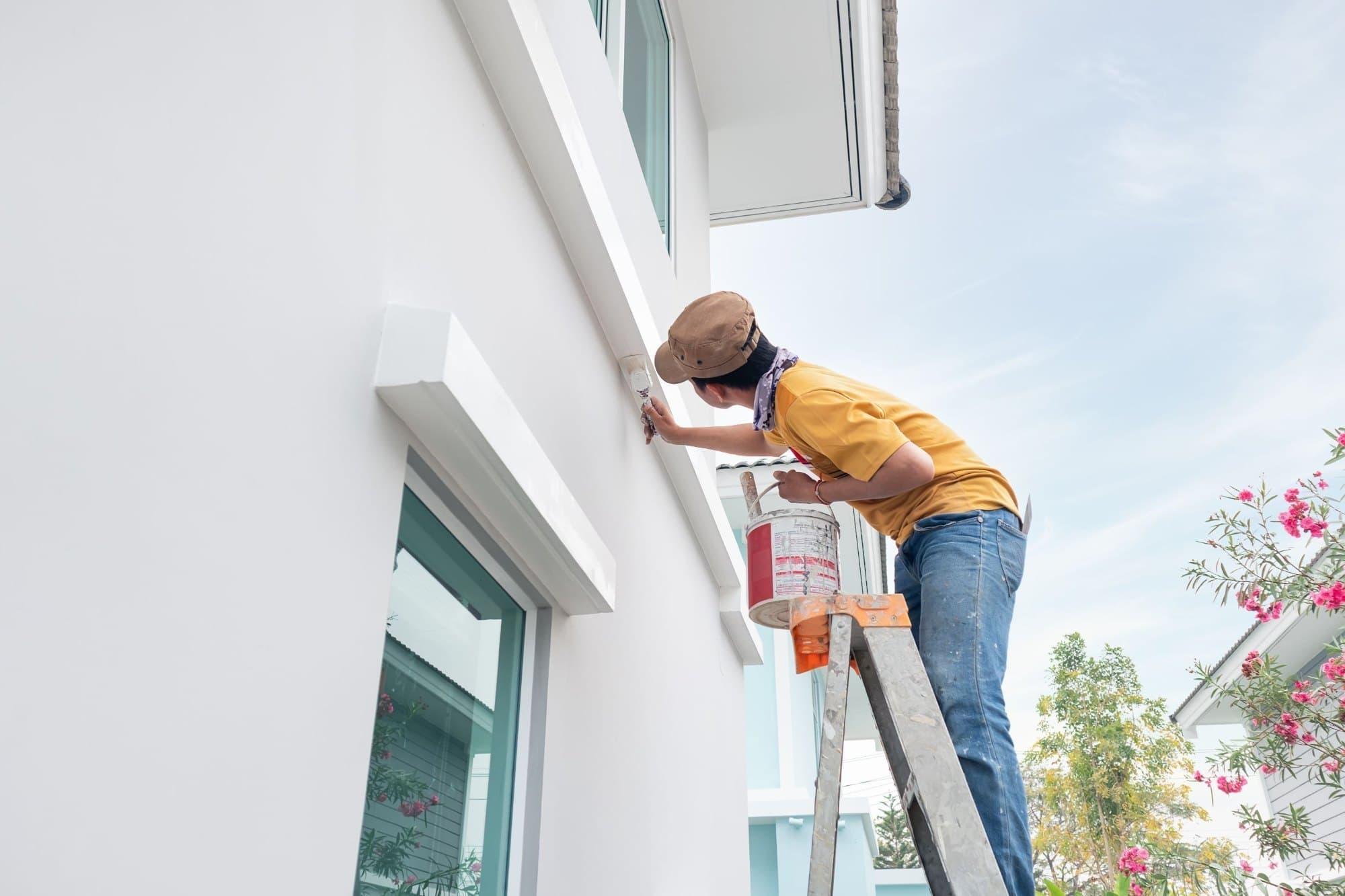
The exterior appearance of a property plays an important role in creating a positive first impression. Whether it is a residential home, commercial building or rental property, well-maintained external walls contribute to its overall appearance, protection and long-term condition. However, exterior surfaces are constantly exposed to changing weather conditions, including rain, wind, sunlight, frost and temperature fluctuations. Over time, these elements can cause paint to fade, crack, peel or lose its protective qualities.
Choosing the right exterior coating is therefore about more than improving the appearance of a building. It also involves protecting the underlying surfaces, managing moisture and maintaining the property's structure. A suitable painting solution can help preserve masonry, improve resistance to weather exposure and reduce the need for frequent maintenance.
Understanding how exterior wall paint works, which products are suitable for different surfaces and how to prepare walls correctly can help property owners make better decisions. From selecting appropriate colours to understanding application techniques, every stage contributes to achieving a durable and attractive finish.
This guide explains the essential considerations involved in wall painting, including material selection, surface preparation, application methods, common mistakes and long-term maintenance.
Understanding the Importance of Exterior Wall Painting
External walls are an important part of a building's protective structure. They provide separation from outdoor conditions while contributing to the property's appearance and overall performance.
Over time, exposure to environmental conditions can gradually affect the condition of painted surfaces. Regular inspection and appropriate maintenance help identify problems before they become more extensive.
Protecting Walls Against Weather Conditions
Rain, wind, frost and direct sunlight can gradually affect exterior building materials. Moisture may penetrate damaged coatings, while repeated temperature changes can contribute to cracking and deterioration.
A suitable exterior coating helps protect compatible surfaces by providing an additional layer of resistance against environmental exposure.
However, paint should not be treated as a replacement for structural repairs or appropriate damp-proofing measures. Existing leaks, defective pointing and serious cracks should be investigated and addressed before painting begins.
Improving the Appearance of Your Property
A fresh exterior finish can significantly improve the presentation of a property. Faded or discoloured walls may make an otherwise attractive building appear neglected.
Choosing suitable colours and finishes can create a cleaner, more coordinated appearance. Homeowners can also use contrasting shades to highlight architectural details such as window surrounds, doors and decorative features.
Supporting Long-Term Property Maintenance
Maintaining external walls can help reduce the likelihood of more extensive deterioration.
Regular inspections allow property owners to identify peeling paint, damaged render, cracked masonry and areas where moisture may be entering.
Addressing these issues early can make future maintenance more manageable and help preserve the building's appearance.
Choosing the Right Exterior Paint for Different Surfaces
Not every paint product is suitable for every exterior surface. Different building materials have different levels of porosity, movement and moisture absorption. Selecting an appropriate product is therefore essential.
Masonry Paint for Brick and Rendered Walls
Masonry paint is specifically designed for suitable exterior mineral surfaces, including brickwork, concrete and rendered walls.
It is available in different finishes and formulations, depending on the manufacturer's specifications.
When choosing masonry products, consider:
·
Resistance to changing weather conditions.
·
·
Compatibility with the existing wall surface.
·
·
Water resistance and vapour permeability.
·
·
Expected coverage and drying time.
·
·
Suitability for previously painted or bare masonry.
·
Some masonry coatings are designed to allow water vapour to pass through the painted surface. This can be beneficial for suitable buildings because it helps reduce the risk of trapping moisture within the wall.
Exterior Paint for Wood Surfaces
Timber doors, window frames, fascias and other external wooden features require products designed for outdoor use.
Wood naturally responds to changes in moisture and temperature. Therefore, coatings should provide suitable protection while accommodating normal movement.
Before application, timber should be checked for rot, loose coatings and damaged areas. Proper preparation and suitable primers can improve adhesion and contribute to a more consistent finish.
Specialist Coatings for Metal Surfaces
External metal components, including railings, gates and certain architectural features, may require specialist metal coatings.
These products are selected according to the metal type and its existing condition.
Where corrosion is present, loose rust should be removed and the surface treated appropriately before applying a compatible primer and finishing coat.
Preparing Exterior Walls Before Painting
Surface preparation is one of the most important stages of any exterior painting project. Even a high-quality product may fail if applied over dirty, unstable or unsuitable surfaces.
Professional preparation helps improve adhesion, consistency and the durability of the finished coating.
Cleaning the Existing Surface
Exterior walls can accumulate dust, dirt, algae, moss and atmospheric deposits.
These contaminants may prevent paint from adhering properly. Therefore, surfaces should be cleaned using a method suitable for the material and its condition.
Depending on the surface, preparation may involve brushing, washing or specialist cleaning techniques.
Pressure washing should be used carefully because excessive pressure can damage softer masonry, remove mortar or force water into vulnerable areas.
Repairing Cracks and Surface Damage
Cracks, loose render and damaged pointing should be inspected before painting.
Minor surface imperfections may be repaired using suitable exterior fillers or repair materials. More significant cracks may indicate movement, water penetration or structural problems.
It is important to identify the cause rather than simply covering the damaged area with paint.
Once repairs have been completed, surfaces should be allowed to dry and prepared according to the product manufacturer's recommendations.
Removing Loose and Peeling Paint
Existing coatings that are flaking, blistering or peeling should be removed where necessary.
Applying new paint over unstable layers can result in poor adhesion and premature failure.
After removing loose material, the surface should be checked for underlying problems such as moisture, contamination or incompatible previous coatings.
Applying the Correct Primer
Primers help prepare certain surfaces for the finishing coats.
Different materials may require different primer formulations. For example, bare masonry, repaired areas and previously painted timber may have different preparation requirements.
Using a compatible primer helps create a suitable foundation for the selected coating system.
Popular Colours and Finishes for Exterior Walls
Colour selection influences the overall character of a property. The right combination can complement architectural features, surrounding buildings and the property's natural environment.
Neutral and Timeless Colour Choices
Neutral colours remain popular because they offer flexibility and work with different architectural styles.
Common options include:
·
White and off-white for a clean appearance.
·
·
Light grey for a contemporary finish.
·
·
Beige and cream for a softer traditional look.
·
·
Sandstone shades for natural-looking exteriors.
·
·
Charcoal accents for doors and architectural details.
·
These colours can help create an attractive appearance without making the exterior feel overly decorative.
Modern Exterior Colour Combinations
Contemporary properties often use a combination of two or three coordinated shades.
For example, light exterior walls can be paired with darker window frames and contrasting entrance doors.
However, colour combinations should be considered alongside roof tiles, brickwork, surrounding landscaping and neighbouring properties.
Choosing Between Different Paint Finishes
Exterior coatings are available in different finishes, including matt, smooth and textured options.
A smooth finish can provide a clean, modern appearance, while textured products may help create a different visual effect on suitable surfaces.
The choice should depend on the condition of the walls, the desired appearance and the manufacturer's recommendations.
Understanding the Exterior Painting Process
A successful painting project requires a structured approach. Each stage should be completed carefully to achieve an even finish and suitable protection.
Inspecting the Building Before Work Begins
An initial inspection helps identify the condition of external walls and any preparation requirements.
The inspection should consider:
·
Existing paint condition.
·
·
Cracks and damaged render.
·
·
Loose mortar or masonry.
·
·
Signs of dampness.
·
·
Algae and biological growth.
·
·
Accessibility and working requirements.
·
Identifying these issues before painting helps prevent unnecessary complications during the project.
Selecting Suitable Application Methods
Exterior coatings can be applied using brushes, rollers or specialist spraying equipment.
Brushes are useful for detailed areas, corners and smaller surfaces. Rollers can provide efficient coverage across larger, relatively even walls.
Spraying may be suitable for certain projects, but it requires appropriate equipment, surface protection and suitable weather conditions.
The selected method should be compatible with the product and the surface being painted.
Applying Coats Correctly
Paint should be applied according to the manufacturer's instructions.
This includes following recommended coverage rates, drying times and the number of coats required.
Applying additional coats before the previous layer has dried properly may affect the finish. Similarly, excessively thick applications can create uneven coverage or other coating problems.
Careful application produces a more consistent result and supports the performance of the complete coating system.
Why Professional Exterior Painting Services Matter
Exterior painting may appear straightforward, but achieving a durable result involves several technical considerations.
Professional exterior wall paint applications require appropriate preparation, product selection and knowledge of different building materials.
Experience With Different Exterior Surfaces
Different surfaces require different preparation and coating methods.
Experienced professionals understand how to approach brickwork, render, concrete, timber and metal features.
They can also identify situations where painting alone may not be an appropriate solution, such as severe dampness or damaged masonry.
Safe Working Practices
Exterior painting sometimes involves working at height, particularly on multi-storey properties and buildings with difficult access.
Appropriate access equipment, risk assessments and safe working procedures are important.
Professional contractors should consider the height and layout of the building before deciding how the work can be completed safely.
Better Preparation and Finishing
A high-quality finish depends heavily on preparation.
Professionals can help ensure that surfaces are cleaned, repaired and primed where necessary before the final coating is applied.
Attention to edges, corners, joints and architectural details also contributes to a more consistent appearance.
Choosing a Suitable Contractor
Before appointing a contractor, property owners should consider their experience, previous projects, insurance and understanding of the materials involved.
It is also sensible to request a written quotation outlining the preparation work, products, number of coats and any additional repairs.
Clear communication helps establish realistic expectations and reduces the possibility of misunderstandings.
Common Exterior Painting Problems and How to Avoid Them
Understanding common painting problems can help property owners protect their investment and recognise when professional attention is needed.
Peeling and Flaking Paint
Peeling often occurs when coatings lose adhesion to the underlying surface.
Possible causes include inadequate preparation, moisture problems, incompatible products and applying paint over unstable previous coatings.
The affected areas should be investigated before repainting.
Bubbling and Blistering
Blisters may develop when moisture or air becomes trapped beneath a coating.
Heat, damp substrates and unsuitable application conditions can contribute to this problem.
The underlying cause should be identified before damaged paint is removed and the surface is redecorated.
Uneven Colour and Coverage
Patchy finishes may result from inconsistent application, insufficient coats or differences in surface absorption.
Using the correct primer, following coverage recommendations and maintaining consistent application techniques can help prevent uneven results.
Mould and Algae Growth
Damp, shaded and poorly ventilated exterior areas may encourage biological growth.
These areas should be cleaned using appropriate products before repainting. It is also important to investigate drainage problems or other sources of persistent moisture.
How Weather Conditions Affect Exterior Painting
Weather is an important consideration because exterior coatings need suitable conditions to dry and cure correctly.
Temperature and Drying Conditions
Extremely hot or cold conditions can affect paint application and drying times.
High temperatures may cause coatings to dry too quickly, while low temperatures can interfere with curing.
Always check the manufacturer's recommended temperature range before beginning work.
Rain and Surface Moisture
Painting wet walls can affect adhesion and the final appearance.
Rain shortly after application may also damage an uncured coating.
Surfaces should be sufficiently dry, and weather forecasts should be considered when scheduling exterior work.
Wind and Direct Sunlight
Strong winds can affect spray application and cause dust or debris to settle on freshly painted surfaces.
Direct sunlight may also create uneven drying conditions.
Selecting an appropriate working period helps improve application quality.
Maintaining Exterior Walls After Painting
Once the painting project is complete, regular maintenance helps preserve the finish.
Inspect Walls Periodically
Check external walls for cracks, peeling coatings, damaged joints and signs of moisture.
Early identification makes it easier to address minor problems before they become more extensive.
Keep External Surfaces Clean
Remove accumulated dirt, leaves and organic growth using suitable cleaning methods.
Pay particular attention to areas around gutters, downpipes and external corners where moisture may collect.
Maintain Gutters and Drainage
Blocked gutters and defective downpipes can allow water to run down exterior walls.
Keeping drainage systems clear helps reduce unnecessary moisture exposure and protects surrounding building materials.
Address Repairs Promptly
Damaged pointing, cracked render and defective seals should be repaired when identified.
Routine maintenance supports the performance of exterior coatings and helps maintain the property's overall appearance.
Conclusion
Maintaining the exterior of a property requires more than choosing an attractive colour. Suitable materials, thorough preparation, correct application methods and regular maintenance all contribute to a durable and professional finish. From protecting masonry against weather exposure to improving the appearance of timber and metal features, every part of an exterior painting project deserves careful consideration.
Selecting the right exterior wall paint solution can help property owners improve their buildings while addressing the practical challenges associated with outdoor exposure. Understanding surface requirements, weather conditions and product compatibility makes it easier to achieve a finish that performs well over time.
For property owners considering exterior improvements, Aberdeen Roof Repairs can be a point of contact when exploring suitable property maintenance and exterior improvement requirements. By prioritising proper inspections, appropriate materials and reliable workmanship, homeowners can maintain an attractive property exterior and protect their investment for the future.

 English
 Arabic
 French
 Portuguese
 Deutsch
 Turkish
 Dutch
 Italiano
 Russian
 Romaian
 Portuguese (Brazil)
 Greek
