


Why Proper Massage Techniques Matter for Lymphatic Drainage
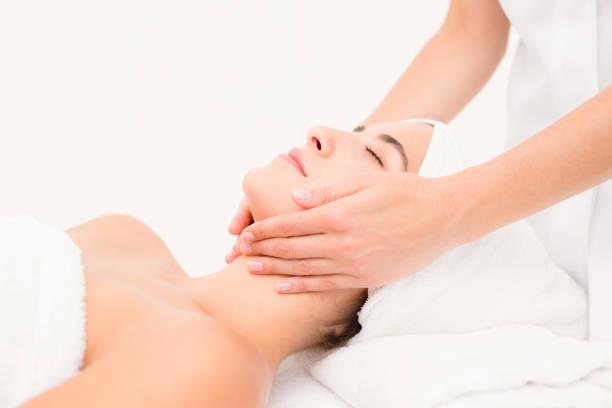
Lymphatic drainage is a specialized massage technique that focuses on supporting the body's natural movement of excess fluid through the lymphatic system. Unlike conventional massage, it relies on gentle pressure, controlled movements, and an understanding of lymphatic pathways. Lymphatic massage (مساج لمفاوي) in Riyadh may be considered by individuals looking to manage certain types of swelling and support healthy tissue fluid balance through an appropriate professional treatment approach.
The effectiveness and comfort of lymphatic drainage depend greatly on how the technique is performed. Applying excessive pressure, using unsuitable movements, or overlooking individual health conditions may make treatment inappropriate. Lymphatic massage in Riyadh should therefore be performed by a suitably trained practitioner who understands the body's lymphatic network and can adapt the approach to individual needs.
Understanding the Importance of Lymphatic Drainage
The lymphatic system consists of vessels, lymph nodes, and tissues that help collect excess fluid from the spaces surrounding body cells. This fluid travels through lymphatic pathways before eventually returning to the bloodstream. The system also contributes to normal immune function by transporting certain substances involved in the body's defense processes.
When lymphatic drainage is impaired, fluid may accumulate in tissues and cause swelling. This condition can occur in people with lymphedema or after certain medical procedures. Manual lymphatic drainage is sometimes included in professional treatment plans to help manage these symptoms.
Because lymphatic vessels are delicate and many are located close to the skin's surface, the massage technique must be carefully selected. Proper movements help ensure that treatment follows the intended pathways without unnecessary pressure.
Why Proper Massage Techniques Matter
Applying the Correct Amount of Pressure
Manual lymphatic drainage uses light, controlled pressure rather than deep muscle manipulation. Excessive pressure is not required to encourage lymphatic movement and may cause discomfort or irritation. A trained practitioner understands how to apply suitable movements while respecting the sensitivity of the tissues.
Following Appropriate Lymphatic Pathways
Different parts of the body have specific lymphatic drainage routes. Proper technique involves understanding these pathways and selecting movements that correspond with the treatment area. Random rubbing or forceful massage does not provide the same specialized approach.
Using Controlled and Rhythmic Movements
Slow, rhythmic movements are an important part of manual lymphatic drainage. The practitioner uses a consistent technique to work with superficial tissues and encourage fluid movement. Sudden, aggressive, or poorly controlled movements may make the session uncomfortable.
Adapting Treatment to Individual Needs
Not everyone experiences swelling for the same reason. Lymphedema, postoperative changes, inflammation, and other medical conditions may require different approaches. A professional assessment helps determine whether lymphatic drainage is appropriate and which techniques should be considered.
Benefits of Receiving Professionally Performed Lymphatic Drainage
Managing Certain Types of Swelling
When included in an appropriate care plan, manual lymphatic drainage may help manage swelling associated with lymphedema and selected conditions involving impaired fluid drainage. Treatment should be guided by the underlying diagnosis and individual needs.
Supporting Tissue Fluid Balance
The lymphatic system helps maintain the balance of fluid surrounding cells. Specialized massage techniques may support the movement of excess tissue fluid when drainage is impaired and treatment is suitable.
Improving Treatment Comfort
Appropriate pressure and carefully selected movements help make the treatment more comfortable. This is especially important for individuals whose tissues are sensitive because of swelling or recent medical procedures.
Complementing Postoperative Care
Some patients may be advised to receive lymphatic drainage after certain surgical or cosmetic procedures. However, treatment must only begin after approval from the treating surgeon. The technique and timing should be adjusted according to the procedure and healing stage.
Common Mistakes to Avoid During Lymphatic Massage
Using Excessive Pressure
One common misunderstanding is that stronger massage produces better drainage. Manual lymphatic drainage does not depend on deep pressure. Forceful movements may cause irritation and are not a substitute for correct technique.
Ignoring Individual Health Conditions
Certain medical conditions can make massage unsuitable. Acute infections, suspected blood clots, and some heart or kidney conditions require medical assessment before treatment. A practitioner should review relevant health information before beginning.
Following Incorrect Massage Directions
Lymphatic drainage requires knowledge of the body's pathways. Using unsuitable directions or applying movements without understanding the anatomy may reduce the appropriateness of the technique.
Expecting Immediate or Guaranteed Results
The response to lymphatic drainage varies depending on the reason for treatment, the severity of swelling, and individual health circumstances. It should not be promoted as a guaranteed method for weight loss, fat removal, detoxification, or permanent body contouring.
What Happens During a Professional Lymphatic Massage Session?
A professional session generally begins with a consultation about health history, symptoms, and treatment expectations. The practitioner assesses whether manual lymphatic drainage is suitable and identifies any areas that may require special attention.
If treatment is appropriate, gentle movements are applied to selected areas using techniques that follow suitable lymphatic pathways. The pressure remains light and controlled, and the practitioner adjusts the approach according to the person's comfort and needs.
The duration and frequency of sessions depend on the reason for treatment and any existing healthcare recommendations. Individuals receiving postoperative care should follow their surgeon's instructions throughout the process.
Who May Consider Lymphatic Drainage Massage?
People diagnosed with lymphedema may receive manual lymphatic drainage as part of a broader treatment plan. It may also be considered for selected patients experiencing postoperative swelling when recommended by their treating healthcare professional.
However, sudden, painful, persistent, or unexplained swelling should be medically assessed before massage is considered. Sudden swelling in one leg, particularly with warmth or redness, may indicate a blood clot and requires urgent medical attention.
Choosing Professional Lymphatic Massage in Riyadh
Selecting a qualified practitioner is essential because proper lymphatic drainage requires knowledge of anatomy, fluid movement, and appropriate massage techniques. A professional consultation helps determine whether the treatment is suitable and whether additional medical evaluation is needed.
Individuals exploring lymphatic massage in Riyadh should choose a clinic that prioritizes individual assessment, explains the procedure clearly, and provides realistic expectations. Proper technique and responsible treatment planning are important parts of a comfortable experience.
Book a Consultation at Royal Clinic Saudi
Royal Clinic Saudi (عيادات رويال كلينك) provides an opportunity to explore suitable wellness and aesthetic treatments through professional consultation. Individuals interested in lymphatic drainage can discuss their concerns, understand the importance of correct massage techniques, and learn whether the treatment is appropriate for their needs. A personalized assessment supports informed decisions and helps establish realistic treatment expectations.
FAQs:
1. Why are proper techniques important for lymphatic drainage?
Correct techniques help ensure that gentle movements follow appropriate lymphatic pathways without unnecessary pressure.
2. Does lymphatic massage require deep pressure?
No, manual lymphatic drainage uses light, controlled, and rhythmic movements.
3. Can incorrect lymphatic massage cause discomfort?
Yes, excessive pressure or unsuitable movements may cause irritation or discomfort.
4. Should lymphatic massage be performed after surgery?
It may be considered in selected cases, but only after approval from the treating surgeon.
 Portuguese (Brazil)
 English
 Arabic
 French
 Spanish
 Portuguese
 Deutsch
 Turkish
 Dutch
 Italiano
 Russian
 Romaian
 Greek
