


Ferrozell Material in Surgical Instruments: Strength, Safety, and Reliability | AzeeMed
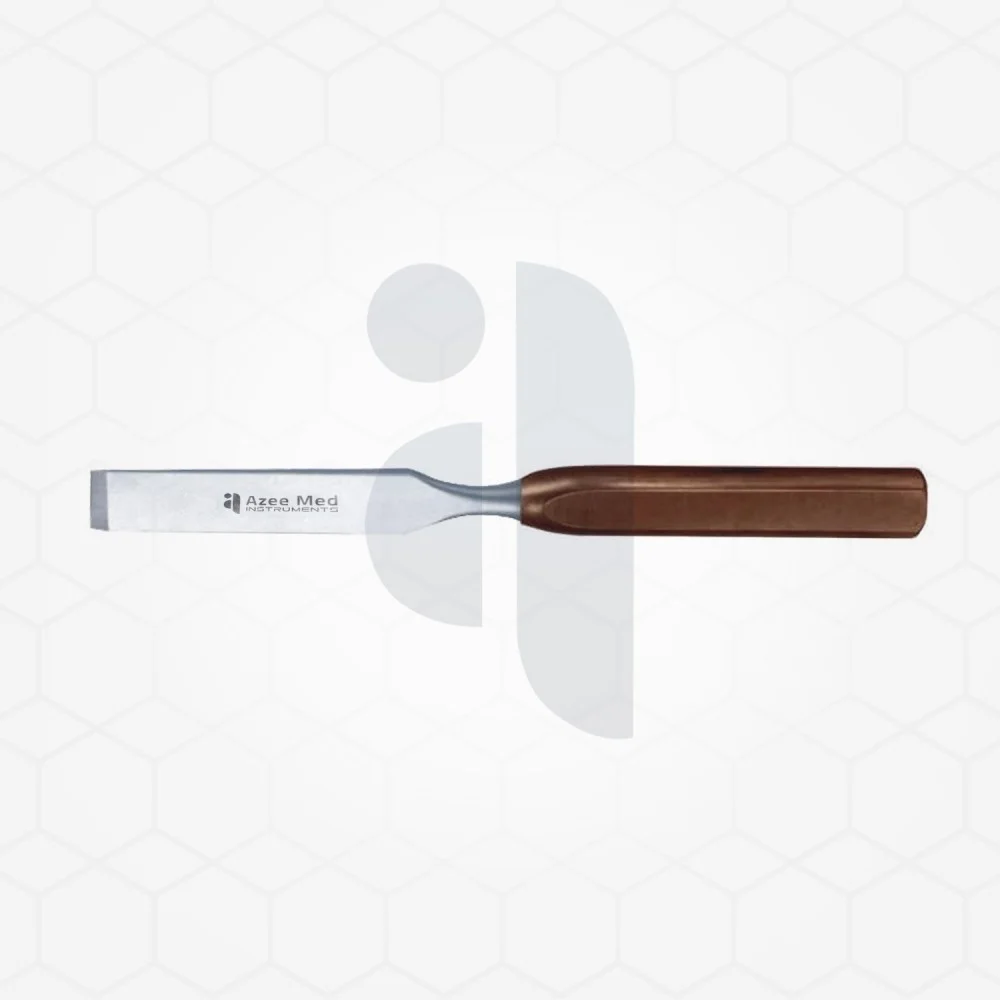
A surgical instrument is only as good as what it is made from. Surgeons depend on tools that stay strong, feel steady in the hand, and hold up through repeated use. That is why material quality deserves real attention. Ferrozell material has earned a place in modern instrument design because it offers a useful mix of strength, light weight, and stability. What ferrozell material is, why it matters, and how it supports better surgical performance.
What Is This Composite?
Put simply, ferrozell material is a medical instruments component made from layers of fabric bonded with high-grade resin. The layers are pressed under heat to create a dense, solid composite. The result is tough, lightweight, and resistant to many everyday stresses. Manufacturers often use it for handles, grips, and insulating parts that need to perform reliably without adding extra weight.
Strength and Durability You Can Trust
Surgical tools face constant pressure, twisting, and handling. Instruments that use ferrozell material benefit from a structure that resists cracking and warping over time. Its layered build spreads force evenly, so parts keep their shape case after case. For hospitals and clinics, this means fewer replacements and a better return on every instrument purchase.
Safety and Comfort for Surgical Teams
Safety goes beyond the patient. It also covers the hands that hold the tools. Because ferrozell material does not conduct electricity, it is well suited to insulated parts where electrical safety matters. Its light weight also reduces hand fatigue during long procedures. A comfortable grip gives surgeons better control, and better control supports more precise work.
Built for Demanding Clinical Routines
Instruments go through cleaning and sterilization again and again. A dependable material must keep its form through this cycle. Well-made ferrozell material offers good heat stability and moisture resistance when cared for properly. To get the most from it, rinse instruments soon after use, clean them gently, and follow the manufacturer's sterilization guidance. Store them in a dry place to protect both metal and composite parts.
How to Judge Instrument Quality
When you buy instruments, look closely at how each part is finished. Quality ocular devices should feel smooth and solid, with no gaps, chips, or loose joins where it meets the metal. Handles should sit firmly and feel balanced in your hand. These small details reveal careful craftsmanship and point to an instrument that will last.
Conclusion: Better Materials, Better Outcomes
Material quality shapes every part of an instrument's life, from the first cut to years of repeated use. Choosing tools built with strong, lightweight, and stable components gives your team more confidence, comfort, and control. Pair those materials with careful handling and proper sterilization, and your instruments will keep delivering. When you are ready to upgrade your surgical sets, explore AzeeMed and discover instruments built to perform with precision and reliability.

 English
 Arabic
 French
 Spanish
 Portuguese
 Deutsch
 Turkish
 Dutch
 Italiano
 Russian
 Portuguese (Brazil)
 Greek
