


How Does Age Influence Abdominal Fat Accumulation?
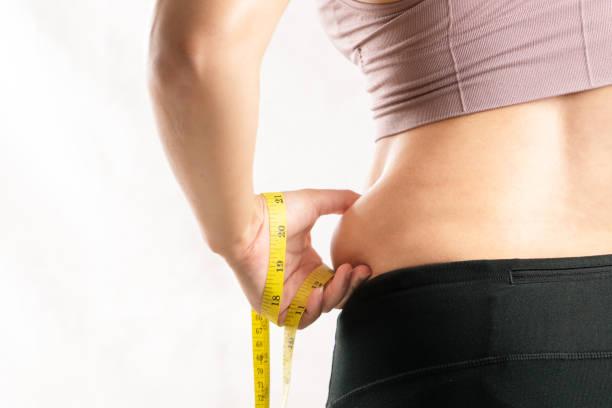
Abdominal fat accumulation is a common concern that can become more noticeable as people grow older. Even individuals who maintain relatively consistent eating habits and physical activity may experience changes in their waistline over time. These changes are influenced by hormonal fluctuations, muscle loss, metabolic changes, genetics, and lifestyle factors. People exploring how to get rid of belly fat should understand how aging affects fat distribution and why the abdomen may become more difficult to manage with time. Knowing these factors can help individuals make informed decisions about weight management and body contouring.
Why Does Abdominal Fat Increase With Age?
Aging brings gradual changes to body composition and metabolism. The body may become less efficient at maintaining muscle mass, while fat distribution can shift toward the abdominal area. These changes do not happen at the same rate for everyone, but they can influence waistline measurements and overall body shape.
Changes in Metabolism
Metabolism involves the processes through which the body uses energy. As people age, changes in muscle mass, activity levels, and hormonal function can affect daily energy requirements. If calorie intake remains higher than energy expenditure, excess energy may be stored as fat.
However, abdominal fat accumulation is not caused by metabolism alone. Genetics, dietary habits, sleep, stress, and medical conditions can also contribute.
Loss of Muscle Mass
Age-related muscle loss, known as sarcopenia, can influence body composition. Muscle tissue contributes to energy expenditure, so reduced muscle mass may affect how many calories the body uses throughout the day. Regular resistance exercise and adequate nutrition can help support muscle maintenance as people age.
How Hormonal Changes Influence Abdominal Fat
Hormones play an important role in regulating appetite, metabolism, and fat storage. Their levels and effects can change over time, potentially influencing where the body accumulates fat.
Hormonal Changes in Women
During perimenopause and menopause, declining estrogen levels can contribute to changes in fat distribution. Some women notice increased fat accumulation around the abdomen, even when their overall weight does not change significantly.
Hormonal Changes in Men
Men may experience gradual changes in testosterone levels as they age. Lower testosterone can be associated with reduced muscle mass and changes in body composition. However, abdominal fat gain is influenced by several factors and should not automatically be attributed to hormones.
The Difference Between Subcutaneous and Visceral Abdominal Fat
Understanding the type of abdominal fat is important because different fat deposits have different characteristics.
Subcutaneous Fat
Subcutaneous fat is located directly beneath the skin. It can often be pinched and contributes to the visible fullness of the abdomen. This type of fat may be targeted by certain cosmetic procedures, including liposuction, in appropriately selected individuals.
Visceral Fat
Visceral fat is stored deeper inside the abdominal cavity, surrounding internal organs. It cannot be directly removed through cosmetic liposuction. Excess visceral fat is associated with increased risks of several health conditions, including type 2 diabetes and cardiovascular disease.
Age-related changes may influence both types of abdominal fat, although individual patterns vary.
Lifestyle Habits That Can Increase Abdominal Fat With Age
Daily routines can become less active as people grow older because of work responsibilities, physical limitations, or changes in personal schedules. When activity levels decrease without corresponding adjustments in nutrition, abdominal fat may gradually increase.
Several habits can influence this process:
-
Reduced physical activity: Less movement can lower daily energy expenditure.
-
Unbalanced eating patterns: Frequent consumption of calorie-dense foods may contribute to gradual fat gain.
-
Poor sleep: Inadequate sleep can affect appetite regulation and food choices.
-
Chronic stress: Long-term stress may influence hormonal activity and eating behaviors.
-
Alcohol consumption: Regular excessive alcohol intake can contribute to additional calorie consumption and abdominal fat accumulation.
Improving these habits can support healthier body composition at different stages of life.
Can Exercise Help Manage Age-Related Abdominal Fat?
Regular exercise can help manage body fat and preserve muscle mass as people age. A combination of cardiovascular activity and resistance training is often beneficial for overall fitness.
Strength Training
Resistance exercises help maintain and build muscle, which supports physical function and overall body composition. Exercises should be adapted to individual fitness levels and medical conditions.
Cardiovascular Activity
Walking, swimming, cycling, and other aerobic activities can support heart health and energy expenditure. Consistency is generally more important than choosing an intense exercise routine that is difficult to maintain.
Core Exercises
Planks and other core-strengthening movements can improve abdominal muscle strength and stability. However, they do not directly eliminate fat from the lower stomach or any other specific area.
Does Age Affect the Suitability of Abdominal Fat Reduction Procedures?
Age can influence treatment planning, but it is not the only factor that determines whether someone is suitable for cosmetic fat reduction. General health, skin elasticity, medical history, weight stability, and treatment expectations are also important.
People considering Belly Fat Removal in Riyadh may discuss liposuction if they have localized subcutaneous fat deposits and sufficient skin elasticity. However, older individuals with significant loose skin may require a different approach.
The Importance of Skin Elasticity
As the body ages, collagen and elastin levels gradually decline. These changes can reduce skin firmness and its ability to adapt after fat removal. If excess skin is a major concern, a specialist may discuss other options, such as a tummy tuck, depending on individual suitability.
Individual Health Assessment
A medical professional should evaluate existing health conditions, medications, cardiovascular health, and recovery considerations before recommending surgery. A person's overall health and surgical suitability are generally more important than age alone.
What Can You Do to Maintain a Healthier Waistline?
Maintaining a healthy waistline involves sustainable habits rather than relying on quick solutions. Eating balanced meals, including sufficient protein and fiber, staying physically active, managing stress, and getting adequate sleep can support overall health.
It is also helpful to monitor changes in body composition rather than focusing exclusively on weight. If abdominal fat increases unexpectedly or is accompanied by other symptoms, medical advice can help identify possible underlying causes.
Explore Personalized Abdominal Contouring at Royal Clinic Saudia
Age can influence abdominal fat accumulation through changes in hormones, muscle mass, metabolism, and skin elasticity. Understanding these factors helps determine whether lifestyle adjustments or cosmetic treatment may be appropriate. If you are considering Belly Fat Removal in Riyadh, consult Royal Clinic Saudia for a personalized assessment of your abdominal concerns, treatment suitability, and realistic body contouring options.
 Portuguese (Brazil)
 English
 Arabic
 French
 Spanish
 Portuguese
 Deutsch
 Turkish
 Dutch
 Italiano
 Russian
 Romaian
 Greek
