


How a Building Service Company in Norfolk Can Help Repair and Protect Your Property
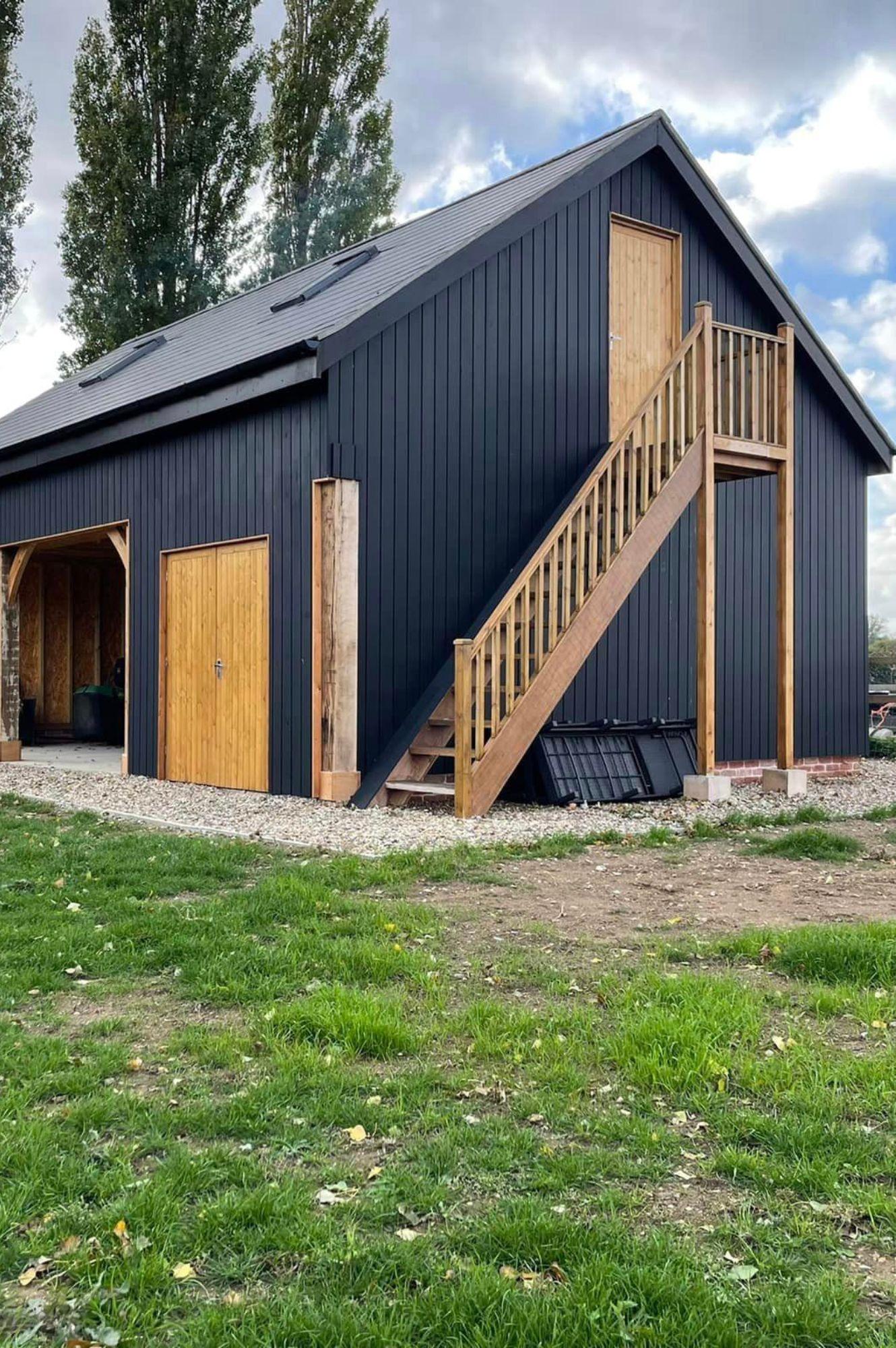
Norfolk's open landscape and long coastline make it beautiful, but they also leave many properties exposed to strong winds and heavy rain. Winter storms can lift roof tiles, bring down fences and drive water into walls that normally stay dry. Knowing what to do next can limit the damage and make repairs quicker.
This guide explains the most common types of storm damage, the first steps to take, how to approach an insurance claim and when to call a Building Service Company in Norfolk. It also covers simple ways to prepare a property for the next spell of bad weather.
Common Types of Storm Damage
Storms tend to find the weakest parts of a building first. These are the problems most often seen after high winds and heavy rain.
|
Area |
Typical damage |
Why it matters |
|---|---|---|
|
Roof |
Slipped or missing tiles, lifted ridge tiles |
Lets rain into the loft and ceilings |
|
Chimney |
Loose pots, cracked flaunching, damaged flashing |
Can leak or become unsafe |
|
Gutters and downpipes |
Blockages, broken brackets, overflowing water |
Soaks walls and causes damp |
|
Walls and render |
Cracks, loose render, wet patches |
Allows water deeper into the structure |
|
Windows and doors |
Leaks, broken glass, damaged frames |
Exposes the home to wind and rain |
|
Fences and outbuildings |
Blown-down panels, damaged sheds and garages |
Creates hazards and security risks |
Hidden Damage
Some damage is not obvious straight away. Water can travel along roof timbers before appearing on a ceiling some distance from the leak. It is therefore worth checking the loft, upper rooms and outside walls carefully after any major storm.
What to Do Straight After a Storm
The first few hours after a storm are about safety and limiting further damage. Repairs can come later.
- Stay safe: Keep away from damaged walls, chimneys, fallen cables and loose roof materials.
- Check for urgent hazards: If there is a risk to life, structural danger or damaged power lines, contact the emergency services or the relevant network operator.
- Limit water damage: Move belongings, place buckets under leaks and switch off electrics in affected areas if it is safe to do so.
- Take photos: Record the damage inside and out before anything is moved or repaired.
- Arrange temporary protection: Tarpaulins, boarding and temporary covers can stop further damage.
Do Not Climb on the Roof
Roofs are dangerous after a storm, especially when wet or damaged. Instead, use binoculars from the ground and leave any work at height to professionals with proper access equipment. An experienced Building Service Company in Norfolk can provide temporary cover and assess the damage safely.
Making an Insurance Claim
Many home insurance policies cover sudden storm damage, but the details vary. Reading your policy and acting promptly can make the process smoother.
Contact Your Insurer Early
Report the damage as soon as you reasonably can. Ask what information they need, whether they will send an assessor and whether you can arrange emergency repairs straight away.
Keep Good Records
- Dated photos and videos of all damage
- Receipts for emergency repairs and temporary protection
- Written quotes for permanent repairs
- Notes of calls and reference numbers
Wear and Tear Versus Storm Damage
Insurers often separate sudden storm damage from gradual wear and tear. For instance, a roof that was already in poor condition may not be fully covered. Regular maintenance and keeping records of past repairs can help show that a property was well cared for.
Permanent Repairs
Once the property is safe and protected, attention can turn to lasting repairs. These should deal with the cause of the problem as well as the visible damage.
Roofs and Chimneys
Missing or slipped tiles should be replaced with matching ones, and damaged flashing or flaunching should be renewed. If the roof was already ageing, it may be worth discussing a larger repair rather than repeated patching.
Walls, Render and Brickwork
Cracked render and damaged pointing can let water into walls long after a storm has passed. Once these are repaired, wet walls need time to dry before internal plastering and decoration.
Inside the Home
Water-damaged ceilings, plaster and flooring may need replacing once the building is watertight. Checking that insulation and timbers are dry helps prevent mould and rot later on.
Choosing a Contractor
After widespread storms, some uninvited traders may knock on doors offering quick repairs. It is safer to choose an established, insured Building Service Company in Norfolk, get a written quote and avoid paying large sums upfront.
Preparing for the Next Storm
A little preparation before winter can reduce the risk of serious damage.
Simple Checks Before Winter
- Look for loose or slipped roof tiles from the ground
- Clear gutters, downpipes and drains
- Check chimney pots and flashing
- Trim overhanging branches near the house
- Secure fences, gates and garden furniture
- Make sure sheds and outbuildings are in good repair
Planned Maintenance
Regular inspections help spot weaknesses before they fail. A yearly check of the roof, walls and rainwater goods by a Building Service Company in Norfolk can save money in the long run. Many property owners book this work in late summer or early autumn, before the stormier months begin.
Coastal and Exposed Properties
Homes near the coast or on open land face stronger winds and salt-laden air. Durable materials, secure fixings and regular checks are especially important in these locations.
Frequently Asked Questions
Should I Repair Storm Damage Before My Insurer Visits?
You should take reasonable steps to prevent further damage, such as temporary covers. Check with your insurer before starting permanent repairs, and keep photos and receipts.
How Quickly Should a Roof Leak Be Fixed?
As soon as possible. Even a small leak can damage insulation, timbers and ceilings if it is left.
Is a Blown-Down Fence Covered by Insurance?
It depends on your policy. Some policies exclude fences and gates, so check the wording carefully.
How Can I Spot a Rogue Trader After a Storm?
Be cautious of anyone who calls unannounced, pressures you to decide quickly or asks for cash upfront. Choose an established local firm and get a written quote.
Final Thoughts
Storm damage can be stressful, but a calm, step-by-step response makes a real difference. Put safety first, limit further damage, keep good records and choose a trusted contractor for lasting repairs.
If your property has been affected by bad weather, or you want to prepare for the next storm, contact a reliable Building Service Company in Norfolk for an inspection. D Mak Building And Renovation LTD brings over 15 years of experience to homes and businesses across Norfolk and Suffolk, from roofing and brickwork to full property repairs.

 Arabic
 French
 Spanish
 Portuguese
 Deutsch
 Turkish
 Dutch
 Italiano
 Russian
 Romaian
 Portuguese (Brazil)
 Greek
