


Personal Training Gym Manchester: Equipment, Coaching and What to Expect
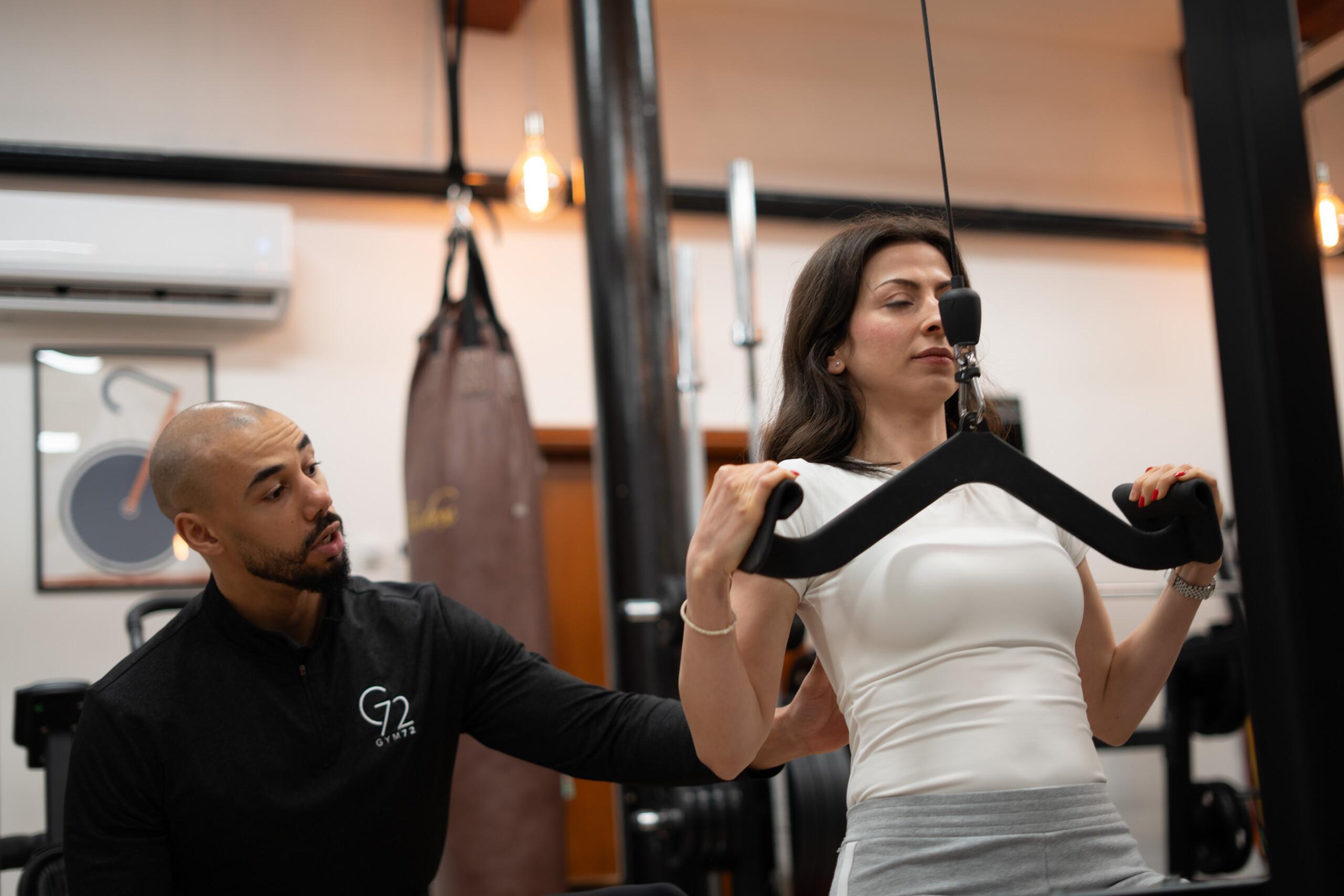
Walking into a gym for the first time can feel overwhelming. Racks, rigs, kettlebells and machines fill the floor, and it is not always obvious what each one is for. Without guidance, many people stick to a few familiar machines and miss out on the tools that could help them most.
A well-equipped personal training gym Manchester clients can rely on pairs quality equipment with expert coaching. This guide explains what makes a personal training gym different, the key equipment you are likely to use and how to choose a gym that suits your goals.
What Makes a Personal Training Gym Different?
A personal training gym is set up mainly to support coached sessions rather than casual, unsupervised workouts. The layout, equipment and atmosphere are all designed to help coaches deliver effective training.
Coaching Comes First
In many large gyms, personal training is an optional extra. In a dedicated training gym, it is the core service. As a result, sessions are usually planned in advance and equipment is arranged to support them.
Functional Equipment
Rather than rows of identical machines, training gyms tend to focus on versatile kit, such as barbells, dumbbells, kettlebells and cable machines. These tools can be used for hundreds of exercises and adapted to almost any goal.
A Focused Environment
With fewer distractions and less waiting for equipment, sessions tend to flow more smoothly. Many clients also find the atmosphere friendlier and more supportive than a crowded commercial gym.
What Equipment Will You Use?
Most training gyms are built around free weights, racks, cables and conditioning tools. A good personal training gym Manchester clients choose will have enough of each to support strength, fitness and mobility training.
Squat Racks and Barbells
A squat rack holds a barbell at a safe height and includes safety bars to catch the weight if needed. It is used for squats, presses, rows and many other exercises. Barbells allow you to lift heavier loads as you get stronger.
Dumbbells
Dumbbells are one of the most versatile tools in any gym. They let each arm or leg work independently, which can help correct imbalances. They are also ideal for beginners learning new movements.
Kettlebells
Kettlebells have a handle on top, which makes them perfect for swings, carries, goblet squats and other dynamic movements. They are useful for building strength and conditioning at the same time.
Cable Machines
Cable machines provide smooth, constant resistance from different angles. Coaches often use them for rows, presses, core exercises and accessory work for specific muscles.
Conditioning Equipment
Rowers, bikes, sleds and ski machines are common in training gyms. They build fitness without the impact of running, which makes them suitable for a wide range of clients.
Mobility Tools
Resistance bands, foam rollers and mats support warm-ups, mobility work and recovery.
How Do Coaches Use the Gym?
Coaches use the gym's equipment to match each exercise to your goal, ability and comfort. An experienced coach at a personal training gym Manchester residents attend will choose the right tool for each stage of your progress.
Starting Simple
Beginners often start with bodyweight exercises, dumbbells and kettlebells while they learn key movements. Once technique is steady, barbells and heavier loads can be introduced.
Choosing the Right Variation
Not every exercise suits every body. For example, someone with stiff hips may find a trap bar deadlift more comfortable than a barbell deadlift. Coaches swap variations to keep training effective and comfortable.
Progressing Over Time
As you get stronger, your coach will gradually increase the challenge by adding weight, reps or sets, or by moving to more demanding exercises. Keeping records of each session makes this progress easy to track.
Using Equipment Safely
Safety bars, collars on barbells and a proper warm-up are all part of training well. Your coach will teach you how to set up each piece of equipment so you can use it confidently.
What Happens in Your First Session?
Your first session usually begins with a chat about your goals, training history and any injuries or health conditions. This helps your coach plan a safe and effective programme from the start.
A Tour of the Gym
Many coaches show new clients around the gym floor, explaining where equipment is kept and how the space is used. This simple step can make the environment feel familiar very quickly.
A Movement Check
Next, you may be asked to perform a few basic movements, such as squats, lunges or push-ups. These show how you move and which exercises will suit you best.
A Short Introductory Workout
Finally, you will usually try a short, manageable workout. The aim is to learn a few key exercises and leave feeling positive about your next visit.
How Do You Choose the Right Training Gym?
Choose a training gym by checking its coaches, equipment, atmosphere and location. Visiting in person is the best way to see whether a personal training gym Manchester offers the right fit for you.
Qualified Coaches
Look for coaches with a Level 3 personal training qualification, ideally recognised by CIMSPA, the professional body for the sector. It is also reasonable to ask about insurance and first aid training.
Equipment for Your Goals
If you want to build strength, check for racks, barbells and plenty of free weights. For general fitness, conditioning equipment and open space may matter more.
Cleanliness and Safety
A clean, well-maintained gym shows that the team takes care of its members. Equipment should be in good condition and stored safely.
Location and Opening Times
A gym close to home or work makes it easier to stay consistent. Check that session times match your schedule.
What Is Good Gym Etiquette?
Good gym etiquette helps everyone train safely and comfortably. Your coach will show you the basics, but these simple habits are worth knowing from the start.
- Put equipment back: return weights and tools to their racks after use.
- Wipe down equipment: clean benches and handles when you finish.
- Respect personal space: leave room around people who are lifting.
- Ask before sharing: check with others before using equipment they may be using.
- Use collars on barbells: keep plates secure during lifts.
Frequently Asked Questions
Do I Need Gym Experience Before Starting?
No. Coaches regularly work with complete beginners and will teach you how to use each piece of equipment safely.
Is a Training Gym Suitable for Older Adults?
Yes. Exercises and equipment can be adapted for any age or ability. If you have a medical condition, speak to your GP before starting.
What Should I Wear?
Comfortable clothing that lets you move freely and supportive trainers are ideal. Bring a water bottle and a towel.
How Long Are Sessions?
Most coached sessions last between 45 and 60 minutes, although shorter options may be available.
Train With Confidence
The right gym combines quality equipment, expert coaching and a welcoming atmosphere. Understanding how the equipment works and how coaches use it can make your first visit much less daunting. Take a look around, ask questions and choose the space where you feel ready to work.
If you are looking for a personal training gym Manchester that pairs quality equipment with expert coaching, Frontline Fit Performance Centre offers personalised sessions designed around your goals.
 French
 English
 Arabic
 Spanish
 Portuguese
 Deutsch
 Turkish
 Dutch
 Italiano
 Russian
 Romaian
 Portuguese (Brazil)
 Greek
