


Full Renovation in Paddington: A Complete Guide to Renovating Flats and Apartments
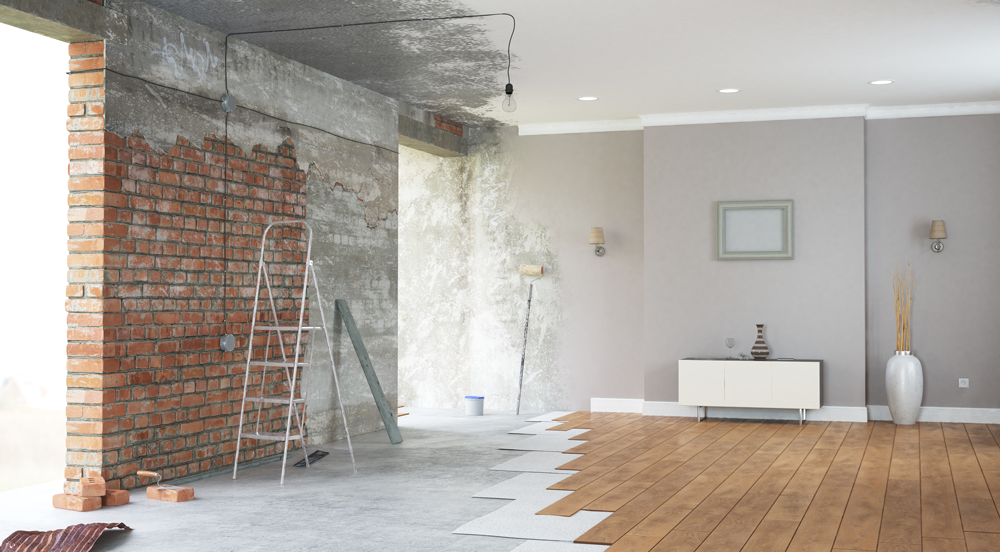
Much of Paddington's housing is made up of flats, from mansion blocks and purpose-built apartments to Victorian houses divided into several homes. Renovating one of these properties brings its own rules, because you share walls, floors and services with other people.
A full renovation in Paddington for a flat therefore starts with paperwork as much as with plans. The lease, the building's management and your neighbours all affect what can be done and when.
This guide explains how to prepare, what a flat renovation usually covers, which rules matter and how to keep the project running smoothly in a shared building.
Why Flats Need a Different Approach
A house belongs to one owner from the foundations to the roof. In contrast, a flat sits within a larger structure that several people rely on.
Shared Structure and Services
Main walls, floors, roofs, soil stacks and risers often belong to the freeholder rather than the flat owner. Altering them usually needs formal consent.
A Managed Building
Many blocks have a managing agent who sets rules on working hours, access and deliveries. These rules apply to your contractor as well as to you.
Neighbours on Every Side
Noise and vibration travel easily through shared floors and walls. Good planning keeps disturbance to a minimum and protects relationships with the people around you.
Check Your Lease Before Anything Else
The lease is the most important document in any full renovation in Paddington involving a flat. Ask your solicitor or managing agent to explain anything that is unclear.
Licence for Alterations
Many leases require written consent, often called a licence for alterations, before structural or significant changes. The freeholder may ask for drawings, method statements and payment of their professional fees.
Flooring Clauses
Some leases require carpets or approved acoustic underlay so that noise does not reach the flat below. Replacing carpet with timber or tiles without permission can lead to disputes.
Insurance and Service Charges
The building is usually insured by the freeholder, so major works may need to be notified. It is also worth checking whether any planned building-wide works could affect your timing.
What a Flat Renovation Usually Covers
Although flats are smaller than houses, they often need the same core upgrades.
Electrics
Rewiring, a new consumer unit and better-placed sockets are common in older flats. The work must be tested and certified on completion.
Heating and Hot Water
Many flats use a combination boiler, electric heating or a communal system. New flue positions may need the freeholder's approval, so check before choosing a boiler location.
Kitchens and Bathrooms
The position of the building's soil stack largely decides where toilets can go. Moving a bathroom far from it may be impractical, so plan wet rooms around the existing drainage.
Floors and Sound Insulation
Lifting floors is a chance to add acoustic insulation and level uneven boards. This improves comfort for you and for the neighbours below.
Damp and Ventilation
Flats can suffer from condensation because air moves less freely than in a house. Effective extract fans in kitchens and bathrooms, along with background ventilation, help to keep walls and windows dry.
Fire Safety
Flats rely on fire-resisting construction to protect escape routes. The front entrance door is usually a fire door, and opening up a layout may affect how you escape in an emergency, so Building Regulations advice is essential.
Planning Rules for Flats
Flats do not benefit from the same permitted development rights as houses. As a result, when a full renovation in Paddington touches the outside of a flat, external changes such as new windows, balconies or extensions usually need planning permission. In conservation areas and listed buildings, even like-for-like replacement windows may need approval, so confirm the position with Westminster City Council early.
Working Around Neighbours and Building Logistics
Careful organisation is what separates a smooth full renovation in Paddington in a shared building from a stressful one.
Protecting Communal Areas
Lifts, stairs and hallways should be covered before materials move through them. Damage to common parts can be charged back to the flat owner.
Working Hours
Follow both the building's rules and the council's guidance on noisy work. Telling neighbours about especially loud days in advance builds goodwill.
Deliveries, Parking and Waste
Arrange where vans can load and how rubbish will leave the building. Skips in the street may need a permit, and some blocks ban them entirely.
Layout Ideas for Apartments
Thoughtful design can make a flat feel far larger without changing its footprint.
Open-Plan Living
Combining the kitchen and living room creates a brighter space. However, it must be designed with fire safety in mind, and some layouts need extra measures such as protected hallways or sprinkler systems.
Built-In Storage
Fitted wardrobes, hallway cupboards and storage beds make the most of every corner. In a compact flat, storage often matters more than an extra room.
Adding an En-Suite
A second bathroom is often possible when it sits close to existing drainage. Pumped systems exist, but they need careful specification and maintenance.
Budgeting for a Flat Renovation
Flats come with some costs that houses do not, so include them from the start.
Freeholder and Agent Fees
The freeholder's surveyor and solicitor may charge for reviewing your plans and preparing a licence. Ask for an estimate early.
Access and Protection Costs
Carrying materials up stairs, protecting lifts and arranging permits can add time and expense, especially on upper floors.
Contingency
Older conversions can hide poor previous work beneath floors and behind walls. A contingency of around 10 to 15 percent is a sensible starting point.
Frequently Asked Questions
Do I need my freeholder's permission to renovate?
For structural work, layout changes and many other alterations, usually yes. Check your lease, because it sets out exactly what needs consent.
Can I replace carpets with wooden floors?
Only if your lease allows it, and often only with approved acoustic underlay. Ask your managing agent before ordering flooring.
Can I move my kitchen to a different room?
Sometimes, but drainage, extraction and fire safety all affect the answer. Moving a kitchen into a living room may also change your escape route.
Will renovating my flat increase its value?
It can, especially when it improves layout, storage and the condition of kitchens, bathrooms and services. Local demand and the quality of the work will shape the final result.
Can I stay in the flat during the work?
It is possible for smaller projects, but a full renovation usually leaves the flat without a kitchen, bathroom or power for periods. Most owners stay elsewhere during the main works.
How long does a flat renovation take?
A straightforward project may take a couple of months, while a full strip-out can take longer. Lease consents can add several weeks before work begins.
Making Your Flat Feel Brand New
A well-managed full renovation in Paddington can turn a tired apartment into a comfortable, efficient home while keeping neighbours and freeholders on side. The secret is to understand the lease, respect the shared building and plan every stage in advance.
Start by reading your lease and noting what your flat needs most. When you are ready to move forward, Renova Building can review your apartment, help you understand the consents involved and prepare a written plan for the work.
 Greek
 English
 Arabic
 French
 Spanish
 Portuguese
 Deutsch
 Turkish
 Dutch
 Italiano
 Russian
 Romaian
 Portuguese (Brazil)
