


Understanding the Difference Between Loose Skin and Abdominal Fat
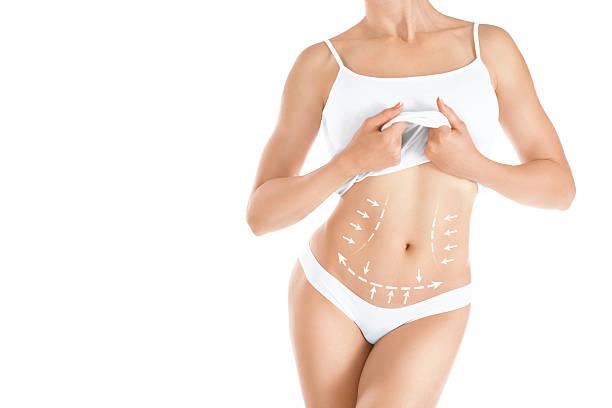
Changes in the abdominal area can affect body shape, waist definition, and overall confidence. However, not every protruding or uneven stomach is caused by excess fat. Some individuals have localized fat deposits, while others experience loose skin after pregnancy, significant weight loss, or natural aging. Understanding these differences is important when exploring Tummy tuck surgery in Riyadh (عملية شد البطن في الرياض), because the right treatment depends on the specific concern affecting the abdomen.
What Is Abdominal Fat?
Abdominal fat refers to fat stored around the stomach area. It can develop due to genetics, lifestyle habits, hormonal changes, and fluctuations in body weight. Some fat is located beneath the skin, while another type, known as visceral fat, is stored deeper around internal organs.
Subcutaneous Fat
Subcutaneous fat sits directly beneath the skin and can often be felt when gently pinching the abdominal area. It may create a fuller appearance around the lower stomach, sides, or waistline. Localized subcutaneous fat can sometimes be addressed through lifestyle changes or suitable body contouring procedures.
Visceral Fat
Visceral fat is stored deeper inside the abdomen and surrounds internal organs. Unlike subcutaneous fat, it cannot be directly pinched or removed through cosmetic liposuction. Managing visceral fat generally involves appropriate nutrition, physical activity, and medical guidance when necessary.
What Is Loose Abdominal Skin?
Loose skin develops when the skin loses some of its ability to contract and return to its previous shape. This may happen after pregnancy, significant weight loss, aging, or prolonged stretching of the abdominal tissues. The skin can appear thin, wrinkled, folded, or hanging around the stomach.
Unlike fat deposits, loose skin is not simply an accumulation of body fat. It involves changes in the skin's elasticity and supporting structures. Even when someone reaches a stable weight, stretched skin may remain because its natural support has been affected.
How to Recognize the Difference
Understanding whether the main concern is fat or loose skin can help guide treatment decisions. Although a professional examination is necessary for an accurate assessment, certain visible characteristics may provide an initial indication.
Appearance and Texture
Abdominal fat generally creates a fuller or thicker appearance beneath the skin. Loose skin may look folded, creased, or saggy, particularly when bending or sitting. Some individuals have both conditions, making it difficult to distinguish them without an examination.
Changes With Weight Loss
Localized fat may decrease when body weight changes, although the amount varies between individuals. Loose skin, however, may remain after significant weight loss because stretched tissue does not always return to its original condition. This is why reaching a stable weight does not necessarily create a firm abdominal appearance.
Abdominal Muscle Separation
Another factor that can influence stomach shape is diastasis recti, a separation of the abdominal muscles and their connecting tissue. It may develop during pregnancy or after other forms of prolonged abdominal stretching. This condition can contribute to a rounded appearance even when excess fat is not the primary concern.
Which Treatment Is Suitable for Each Concern?
Different abdominal concerns require different treatment approaches. Selecting a procedure without identifying the underlying issue may lead to unrealistic expectations.
Treatment Options for Abdominal Fat
When localized subcutaneous fat is the main concern, liposuction may be considered for suitable candidates. It removes selected fat deposits to refine body contours. Non-surgical fat reduction treatments may also be discussed, depending on the treatment area, amount of fat, and individual suitability.
Neither approach is designed to remove significant excess skin or repair separated abdominal muscles. Visceral fat also requires a different approach focused on overall health and weight management.
Treatment Options for Loose Skin
When excess abdominal skin is the main concern, a tummy tuck may be considered. This surgical procedure removes selected loose skin and repositions the remaining tissue to create a smoother abdominal contour. If muscle separation is present, the surgeon may also tighten the underlying abdominal muscles using internal sutures.
For individuals with both loose skin and localized fat, a personalized surgical plan may include more than one contouring technique when medically appropriate.
When Should You Consider a Professional Assessment?
A professional assessment is helpful when the abdomen remains uneven despite stable weight and consistent lifestyle habits. A qualified surgeon can evaluate skin elasticity, fat distribution, abdominal muscle condition, and medical history to identify the main concern.
People considering surgery should discuss their health, medications, previous procedures, and future pregnancy plans. Maintaining a stable weight and having realistic expectations are also important factors when deciding whether treatment is appropriate.
Tummy tuck surgery in Riyadh may be an option for individuals with significant loose abdominal skin or muscle separation, but it is not a weight-loss procedure. Understanding the difference between fat and loose skin helps patients explore treatments that address their actual concerns.
Schedule a Consultation at Royal Clinic Saudi
Choosing an abdominal contouring procedure starts with identifying what is affecting your stomach's appearance. At Royal Clinic Saudi (عيادات رويال كلينك), patients can discuss their concerns and explore suitable treatment options based on their individual anatomy and aesthetic goals. Book a consultation to understand whether your abdominal concerns may be addressed through a tummy tuck or another contouring approach.
FAQs:
1. Can loose abdominal skin be mistaken for fat?
Yes. Both can create a fuller stomach appearance, but loose skin involves stretched tissue rather than an accumulation of fat.
2. Does liposuction remove loose abdominal skin?
No. Liposuction removes fat deposits but does not remove significant excess skin.
3. Can exercise tighten loose abdominal skin?
Exercise can strengthen muscles and improve fitness, but it cannot reliably remove substantial loose skin.
4. Can tummy tuck surgery address both loose skin and muscle separation?
Yes. A tummy tuck can remove excess skin and may include muscle tightening when the surgeon considers it appropriate.

 English
 French
 Spanish
 Portuguese
 Deutsch
 Turkish
 Dutch
 Italiano
 Russian
 Romaian
 Portuguese (Brazil)
 Greek
