


Surgeon Retractor: Essential Surgical Instrument for Precision and Visibility
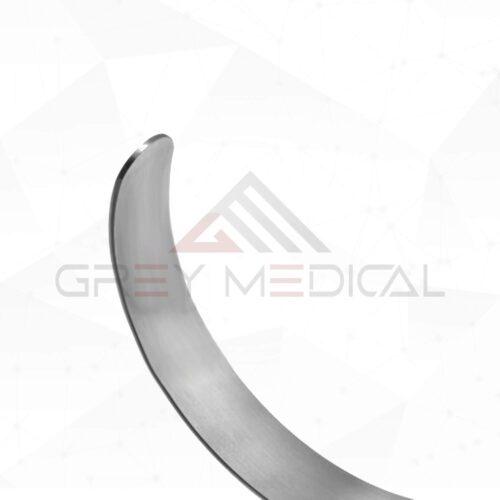
A surgeon retractor is an important surgical instrument that helps medical professionals maintain clear visibility and access to the operating area. During surgical procedures, doctors often need to move soft tissues, muscles, skin, or organs carefully to reach the targeted area. Retractors make this process easier by holding tissues aside and creating enough working space. As a result, surgeons can perform procedures with better visibility, control, and precision.
Modern surgical practices depend on reliable surgeon retractor that support safe and efficient operations. Therefore, choosing the right retractor plays an important role in preparing a well-equipped surgical environment. Understanding its design, uses, and different types can help medical professionals select suitable instruments for their clinical requirements.

What Is a Surgeon Retractor?
A surgeon retractor is a surgical tool designed to hold back tissues during medical procedures. It allows surgeons to access deeper structures without constantly using their hands to move surrounding tissues. Depending on the procedure, retractors can hold skin, muscles, internal organs, or other soft tissues in position.
Manufacturers produce retractors in different shapes, sizes, and designs to meet various surgical needs. Some instruments feature simple handheld handles, while others include self-retaining mechanisms that maintain tissue separation without continuous manual assistance.
Furthermore, surgical retractors usually feature carefully designed working ends that provide controlled tissue retraction. Their construction helps medical professionals maintain access to the surgical site while supporting an organized operating environment.
Different Types of Surgical Retractors
Surgeons use several types of retractors depending on the procedure and the anatomical area involved. Each design offers specific benefits and supports different surgical requirements.
1. Handheld Retractors
Handheld retractors require a surgeon or surgical assistant to hold the instrument during the procedure. They provide flexibility because medical professionals can adjust their position whenever necessary. Common examples include Army-Navy retractors, Senn retractors, and Richardson retractors.
2. Self-Retaining Retractors
Self-retaining retractors use locking mechanisms to maintain tissue separation. Consequently, surgical teams can keep the operating area accessible without continuously holding the instrument. These retractors are particularly useful during procedures that require prolonged exposure.
3. Abdominal Retractors
Abdominal retractors help surgeons access internal structures during abdominal operations. Their designs accommodate different incision sizes and surgical approaches. Additionally, some systems include adjustable components that allow medical professionals to customize tissue exposure.
4. Specialized Surgical Retractors
Specialized retractors support procedures involving particular anatomical areas. For example, surgeons use different designs in orthopedic, dental, neurological, and cardiovascular operations. Each instrument serves a specific purpose based on the procedure.
Common Uses of a Surgeon Retractor
A surgeon retractor supports various medical procedures by creating and maintaining access to the surgical site. Its primary purpose involves moving tissues away from the operating area while helping medical professionals work with greater visibility.
For example, surgeons use retractors during abdominal procedures to access internal organs. Similarly, orthopedic specialists use them to expose bones and surrounding structures during certain operations. Dental and oral surgeons also use specialized retractors to improve access and visibility inside the mouth.
Moreover, rob sprader assist surgical teams in maintaining an organized workspace. By holding tissues in appropriate positions, they allow medical professionals to concentrate on the procedure instead of repeatedly moving surrounding structures.
However, proper instrument selection and technique remain essential. Medical professionals must choose the appropriate size and design for each procedure and follow established clinical practices to minimize unnecessary tissue pressure.
Important Features of a Quality Surgical Retractor
The quality of a retractor can influence its handling, durability, and overall performance. Therefore, healthcare professionals should consider several important features when selecting surgical instruments.
Material Quality: Stainless steel is a common material for reusable surgical retractors because it offers durability and resistance to corrosion when properly maintained.
Ergonomic Design: Comfortable handles help surgeons and assistants maintain a controlled grip during procedures. Additionally, balanced construction supports easier instrument handling.
Appropriate Size: Different procedures require different instrument dimensions. Choosing the correct size helps medical professionals achieve suitable surgical exposure.
Smooth Finishing: Carefully finished surfaces support proper cleaning and help reduce areas where unwanted material may collect.
Reliable Construction: Strong construction and dependable mechanisms help retractors maintain their intended function during clinical use.
Cleaning and Maintenance of Surgical Retractors
Proper cleaning and maintenance help preserve surgical instruments and support patient safety. After each use, healthcare professionals should follow the manufacturer's instructions and established sterilization protocols.
First, remove visible organic material using approved cleaning procedures. Next, inspect the instrument for damage, corrosion, or mechanical problems. In addition, check locking mechanisms and movable components to ensure they function correctly.
Reusable retractors must undergo appropriate cleaning, disinfection, and sterilization before their next use. Furthermore, medical facilities should store instruments in suitable conditions to protect them from damage and contamination.
Regular inspection also helps identify instruments that require repair or replacement. Consequently, proper maintenance supports long-term instrument reliability.
Why Choose Grey Medical® Surgical Instruments?
Selecting dependable surgical instruments is essential for healthcare professionals who prioritize precision, quality, and consistent performance. Grey Medical® is a privately owned medical technology company dedicated to innovation and excellence in the craft of surgical instrument.
The company focuses on providing medical professionals with instruments designed to support different surgical applications. When selecting a surgeon retractor, healthcare providers should consider its construction, material quality, design, and suitability for the intended procedure.
Additionally, reliable surgical instruments contribute to an organized operating environment and help medical teams carry out their responsibilities effectively. Choosing appropriately designed equipment is therefore an important part of surgical preparation.
Conclusion
A surgeon retractor plays an essential role in modern surgical procedures by holding tissues aside and providing better access to the operating area. From handheld models to self-retaining systems, different retractors support various medical specialties and surgical requirements.
Furthermore, selecting the appropriate instrument, maintaining proper cleaning procedures, and inspecting its condition can support reliable clinical use. As surgical techniques continue to develop, quality instruments remain important for medical professionals who value precision, visibility, and efficiency. By understanding the available designs and their applications, healthcare providers can make informed decisions when choosing surgical retractors for their medical facilities.
 Greek
 English
 Arabic
 French
 Spanish
 Portuguese
 Deutsch
 Turkish
 Dutch
 Italiano
 Russian
 Romaian
 Portuguese (Brazil)
