


Lomonosov Moscow State University Clinical Training and Practical Learning
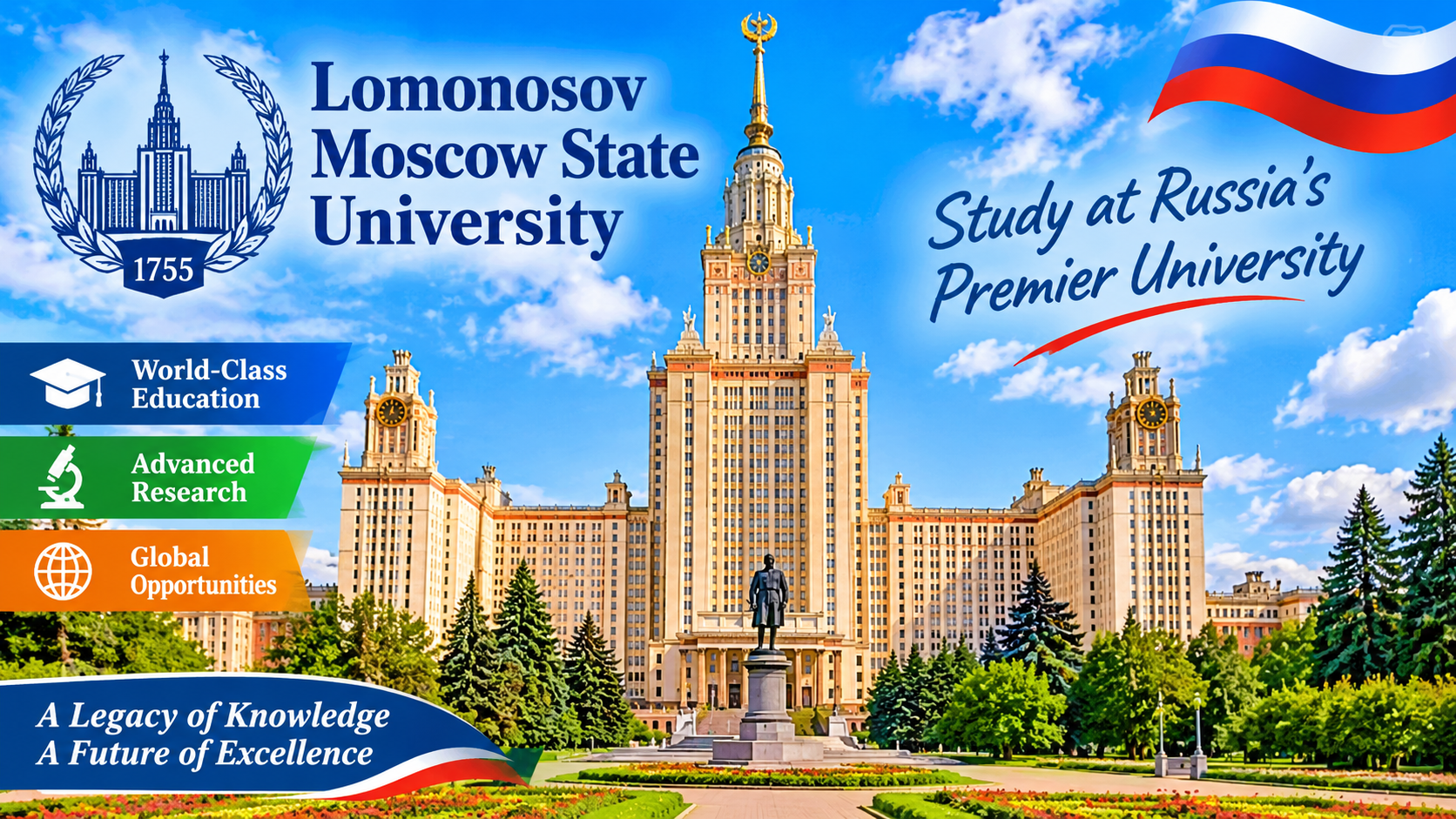
The Lomonosov Moscow State University Clinical Training and Practical Learning programme is an important part of medical education for students interested in developing professional healthcare skills. Through its Faculty of Fundamental Medicine, the university provides academic and practical education in different areas of medicine. Students study medical sciences, develop clinical understanding and participate in practical training and research activities. For Indian students considering medical education in Moscow, understanding the clinical learning process is essential before choosing the programme.
1. Overview of Clinical Medical Education
The Faculty of Fundamental Medicine offers a General Medicine specialist programme that combines theoretical education, practical placements and research work. Its educational structure aims to develop students' medical knowledge, analytical abilities and professional judgement.
The university has dedicated departments covering different areas of medical science and clinical education. These include internal medicine, surgery, obstetrics and gynaecology, general and clinical pathology, and multidisciplinary clinical training.
The Lomonosov Moscow State University Clinical Training framework connects academic learning with the practical understanding needed in healthcare settings. Students should check the latest official curriculum to understand when practical placements begin and how they are organised.
2. Hospital-Based Learning and Clinical Exposure
Hospital-based education helps medical students understand how healthcare professionals assess and manage patients. During supervised clinical learning, students can observe medical procedures, understand hospital departments and become familiar with patient-care responsibilities.
The university's clinical training department identifies a specialised medical centre as one of its clinical bases. Its facilities provide opportunities for students to study clinical diagnosis and treatment in specialised hospital settings.
However, students should confirm the exact hospitals assigned to their programme, the number of clinical hours and the nature of their patient interaction. These details are important because clinical exposure can differ according to the academic year and department.
3. Internal Medicine and Patient Assessment
Internal medicine is a major field of medical education. It introduces students to the assessment, diagnosis and management of diseases affecting different body systems.
During relevant practical sessions, students may learn about:
-
Taking a patient's medical history.
-
Understanding symptoms and clinical signs.
-
Observing basic physical examinations.
-
Studying diagnostic reports.
-
Understanding laboratory investigation results.
-
Learning how doctors develop treatment plans.
These activities help students connect theoretical knowledge with real clinical situations. Under appropriate supervision, they can develop observation skills and learn how medical professionals approach patient care.
The Lomonosov Moscow State University Clinical Training and Practical Learning approach supports the development of clinical thinking alongside scientific knowledge.
4. Surgery and Practical Medical Skills
Surgical education introduces students to the principles of surgical treatment, patient preparation and postoperative care. Students need to understand surgical procedures, operating-room environments and the responsibilities of different healthcare professionals.
Practical learning may include observing surgical activities, studying instruments, understanding infection-control procedures and learning about patient monitoring. The extent of participation depends on the student's academic level, institutional rules and supervision arrangements.
The university's clinical education structure includes a Department of Surgery and multidisciplinary clinical preparation. Students should ask the faculty about the specific surgical departments and practical activities included in their current study plan.
5. Specialised Clinical Departments
Medical education also introduces students to specialised fields that require a deeper understanding of particular health conditions. The university's multidisciplinary clinical training department identifies several specialised areas within its academic and clinical activities.
These include:
-
Neurology and disorders of the nervous system.
-
Obstetrics and gynaecology.
-
Infectious diseases.
-
Oncology and cancer-related care.
-
Traumatology and orthopaedics.
-
Urology and urinary-system disorders.
-
Ophthalmology and eye health.
-
Psychiatry and mental healthcare.
-
Anaesthesia and intensive care.
Studying these disciplines helps students understand the different responsibilities involved in medical practice. The Lomonosov Moscow State University Clinical Training structure brings together specialised knowledge and clinical education to support professional development.
6. Research and Laboratory-Based Learning
Research is another important part of medical education at the university. Students are introduced to scientific methods, medical information analysis and research-related activities. This helps them understand how new medical knowledge is developed and applied.
Laboratory learning also supports the study of biomedical subjects. Depending on the discipline, students may work with scientific observations, laboratory procedures, experimental methods and research data.
The faculty's educational programme includes research work and a final qualification project. Students are expected to develop analytical skills and understand how scientific evidence contributes to medical progress.
For students researching MBBS in Russia, it is useful to consider the balance between clinical education, laboratory learning and research opportunities rather than focusing only on classroom teaching.
7. Language and Communication During Clinical Practice
Language proficiency is particularly important for international medical students. The Faculty of Fundamental Medicine describes its main degree programmes as Russian-medium. Students therefore need sufficient Russian-language skills to understand lectures, follow clinical instructions and communicate appropriately in healthcare settings.
Clinical communication requires more than basic conversational ability. Students need to understand medical terminology, patient histories, symptoms and instructions given by healthcare professionals.
Indian applicants should ask the university whether language preparation is available and what proficiency is expected before clinical placements. The Lomonosov Moscow State University Clinical Training and Practical Learning experience depends partly on a student's ability to understand and communicate in the clinical environment.
8. Assessment of Practical and Clinical Skills
Medical education involves regular assessment of theoretical knowledge and practical understanding. Depending on the subject, assessment may include written examinations, oral examinations, practical tasks, coursework and evaluation of clinical knowledge.
Students should also understand the requirements for completing practical placements and the final qualification process. The faculty's programme information describes a final state examination and the preparation and defence of a qualifying research paper.
Applicants should request the current assessment regulations to understand attendance requirements, practical evaluation and academic progression.
9. Important Considerations for Indian Students
Students planning MBBS in Russia should verify the programme's official duration, qualification title, teaching language, clinical placements and internship arrangements. They should also check the current National Medical Commission regulations before admission if they intend to practise in India.
The Lomonosov Moscow State University Clinical Training arrangements should be confirmed directly with the Faculty of Fundamental Medicine. Ask about hospital affiliations, supervised patient interaction, clinical hours and the language used during practical sessions. Do not assume that the clinical structure is identical to that of other Russian medical universities.
Conclusion
The Lomonosov Moscow State University Clinical Training and Practical Learning programme combines medical education, specialised clinical subjects, practical placements and research activities. Its Faculty of Fundamental Medicine provides an academic environment where students can develop scientific understanding and clinical knowledge. Before applying for MBBS in Russia, Indian students should verify the latest curriculum, hospital training arrangements, language requirements and professional recognition conditions. Careful research into the Lomonosov Moscow State University Clinical Training structure can help applicants make a more informed decision about their medical education.

 English
 French
 Spanish
 Portuguese
 Deutsch
 Turkish
 Dutch
 Italiano
 Russian
 Romaian
 Portuguese (Brazil)
 Greek
