


Hockey Protective Equipment: Understanding Safety Gear for Every Player
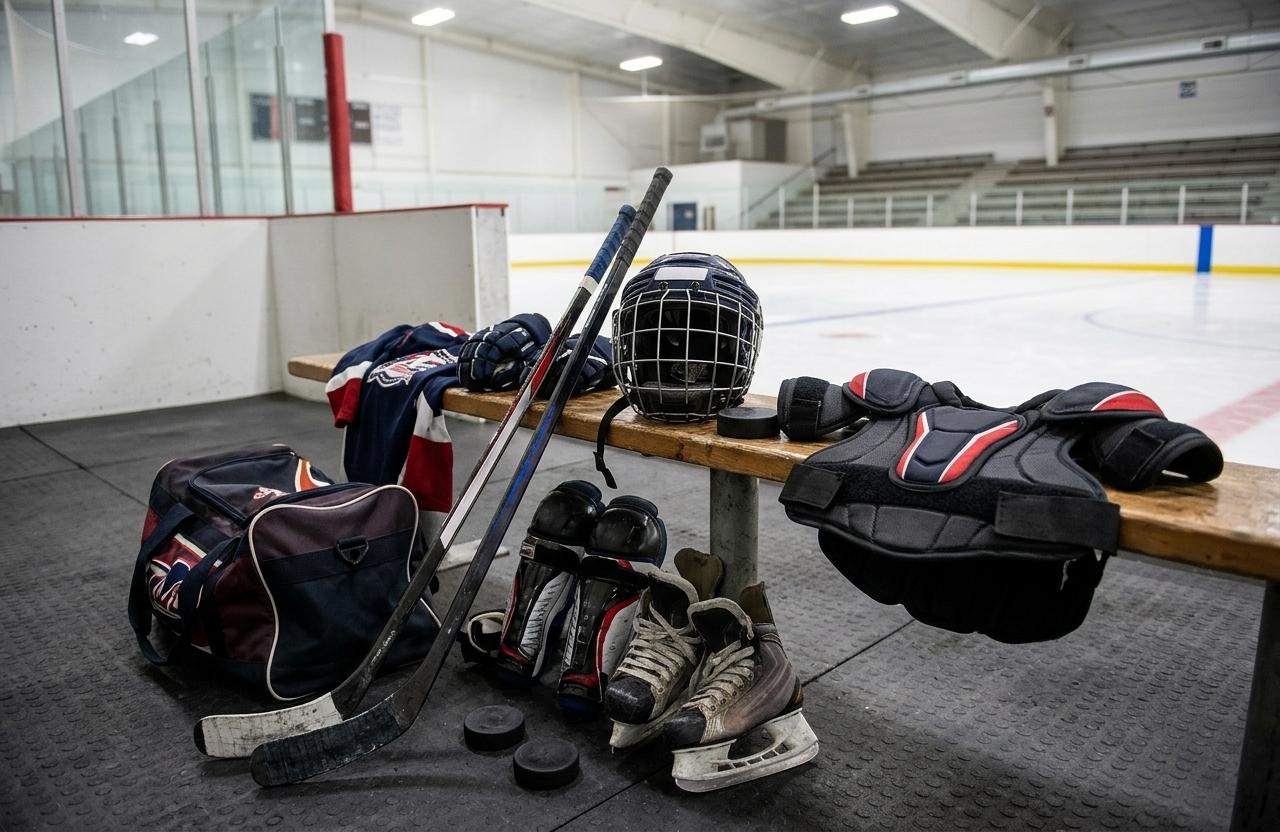
Hockey is an exciting and physically demanding sport that requires speed, balance, coordination, and quick decision-making. Players move across the ice at high speeds while handling sticks, chasing the puck, and competing for possession. During these activities, accidental contact, falls, and impacts can happen, making suitable protective gear an essential part of every player's setup. Proper protection helps reduce the risk of injuries and allows athletes to focus on developing their skills. From helmets and shoulder pads to gloves and shin guards, every item has a specific purpose. Understanding how different protective products work can help players make informed choices based on their age, position, experience, and playing level.
Why Protective Gear Matters in Hockey
Hockey involves physical movement and frequent interaction between players. A sudden collision, an unexpected fall, or contact with a puck can expose different parts of the body to injury. Protective gear is designed to provide coverage and cushioning in areas that may experience impacts during practice or competition.
Wearing suitable protection is important for beginners as well as experienced athletes. New players are still learning how to skate, stop, turn, and control their movements, while competitive players regularly participate in faster and more physically demanding games. Properly fitted equipment can support safer participation without unnecessarily restricting movement.
However, protective products should not be treated as a guarantee against injuries. Players must also follow the rules of their league, use correct techniques, and listen to their coaches. Equipment should be checked regularly to make sure it remains in good condition and fits properly.
Essential Hockey Protective Equipment for Players
Hockey Protective Equipment includes different products designed to protect the head, upper body, arms, hands, legs, and other vulnerable areas. A typical player's protective setup may include a helmet, shoulder pads, elbow pads, gloves, shin guards, and a suitable neck protector where required by league regulations.
A helmet is one of the most important items because it helps protect the head during falls and accidental contact. Players should select an appropriate model that meets the applicable safety standards and fits securely. A helmet that moves excessively or creates uncomfortable pressure may not provide the intended fit.
Shoulder pads cover the shoulders and upper torso, while elbow pads help protect the elbows and surrounding areas. Hockey gloves provide coverage for the hands and wrists while allowing players to grip their sticks. Shin guards protect the lower legs against impacts from pucks, sticks, and contact with other players.
Each component should work comfortably with the rest of the player's gear. Equipment that fits well as a complete setup can help athletes move naturally while maintaining appropriate coverage during play.
Choosing the Right Helmet and Facial Protection
A hockey helmet should be selected with careful attention to fit, construction, and applicable safety requirements. It should sit securely on the head without excessive movement. Players should follow the manufacturer's sizing instructions and check that adjustment systems and straps work correctly.
Facial protection is another important consideration. Depending on league rules and player requirements, athletes may use a full cage, a visor, or another approved face-protection option. Younger players and beginners should pay particular attention to the protection required by their organization. A secure chin strap and properly fitted facial attachment are also important parts of the setup.
Helmets should be inspected before use. Cracks, damaged padding, loose fasteners, and worn adjustment components may affect their condition. Players should follow manufacturer guidance regarding replacement after significant impacts or when equipment reaches the end of its recommended service life.
Sport Excellence: Exploring Protective Gear Options
Sport Excellence offers an online collection where hockey players and families can explore protective gear for different sporting needs. Having access to a dedicated collection makes it easier to review available options when preparing for a new season, replacing worn-out items, or completing a player's equipment setup.
Different athletes require different levels of coverage and comfort. A young beginner may need lightweight, properly fitted protection that supports learning basic skills, while an experienced player may focus on specific design features, fit, and construction. Parents and guardians should pay attention to sizing because equipment that is too large or too small may shift during movement or create discomfort.
Sport Excellence can be explored by customers who want to compare available hockey products and review the options listed in its protective collection. Checking product descriptions, sizing information, and individual requirements before purchasing can help make the shopping process more practical.
Shoulder Pads, Elbow Pads, and Upper-Body Protection
Shoulder pads are designed to cover the shoulders, chest, and upper back. Their construction may include different padding sections that help absorb and distribute the force of certain impacts. When selecting shoulder pads, players should check that the protective areas remain in the correct position without limiting arm movement or making it difficult to hold a stick.
Elbow pads provide coverage around the elbow joint and nearby areas. They should remain secure when players bend their arms, skate, or fall. If an elbow pad slides out of position, it may leave parts of the arm exposed. Adjustable straps and suitable sizing can help maintain a comfortable fit.
The upper-body setup should allow players to move freely while keeping important areas covered. Trying the pads on with a hockey jersey can help players understand how the complete setup feels. This is particularly useful because different layers of clothing and equipment can influence comfort and mobility.
Gloves and Shin Guards for Better Coverage
Hockey gloves protect the fingers, hands, and wrists while allowing players to grip and control their sticks. They generally include padding across the back of the hand and fingers, along with a flexible palm area. Players should look for a fit that provides adequate coverage without making stick handling uncomfortable.
Shin guards help protect the lower legs from impacts caused by pucks, sticks, and accidental contact. Their size and shape should match the player's leg measurements and playing requirements. A properly positioned shin guard should cover the intended area and remain stable during skating and movement.
Both gloves and shin guards should be checked regularly for worn padding, damaged straps, and loose components. Sweat and moisture can also affect comfort, so allowing these items to dry after use is an important part of equipment care.
Selecting Protection for Different Ages and Playing Levels
Children and teenagers need equipment that matches their current size and development. Protective gear that is too large may move during play, while equipment that is too small can create pressure and leave areas without suitable coverage. Parents should review sizing guides and check the fit as young athletes grow.
Adult recreational players may prioritize comfort, durability, and value, while competitive athletes may have more specific preferences based on their position and playing style. Goalkeepers also require specialized protective products because they face shots from close range and need additional coverage.
The most suitable setup is not necessarily the most expensive one. Players should focus on appropriate safety standards, correct sizing, construction, and compatibility with their other gear. Advice from coaches or knowledgeable equipment staff can also help when choosing unfamiliar products.
Maintaining and Storing Hockey Protective Gear
Regular maintenance helps keep protective products in usable condition. After every practice or game, players should remove damp equipment from their bags and allow it to dry in a well-ventilated area. This helps reduce moisture buildup and unpleasant odors.
Protective pads, gloves, and straps should be inspected for visible damage. Cracked plastic components, torn stitching, worn padding, and broken fasteners should not be ignored. Players should follow manufacturer instructions when cleaning equipment because harsh chemicals or unsuitable washing methods may damage certain materials.
Storage also matters. Gear should be kept in a dry place away from excessive heat and direct sunlight. Keeping equipment organized makes it easier to identify missing items and check its condition before the next session. A simple cleaning and inspection routine can help players maintain their gear throughout the season.
Conclusion
Protective gear is an essential part of playing hockey responsibly. Helmets, facial protection, shoulder pads, elbow pads, gloves, and shin guards each help cover areas that may be exposed to impacts during the game. Selecting the right products requires attention to fit, comfort, playing level, safety requirements, and equipment condition. Regular inspections and proper storage also help maintain the quality of protective items over time. By understanding their requirements and choosing suitable gear, players can prepare more confidently for practices and competitions while making safety an important part of their hockey experience.
 Portuguese (Brazil)
 English
 Arabic
 French
 Spanish
 Portuguese
 Deutsch
 Turkish
 Dutch
 Italiano
 Russian
 Romaian
 Greek
