


What Are Warts and What Causes Them?
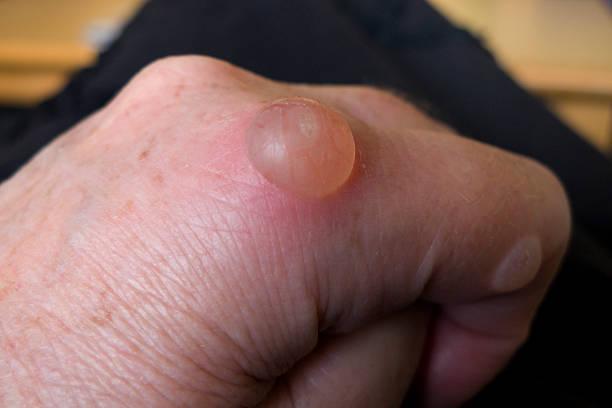
Warts are common, non-cancerous skin growths that can develop on different parts of the body, including the hands, feet, face, and fingers. They usually appear as small, rough, raised bumps, although their appearance can vary depending on their type and location. These growths are caused by certain strains of the human papillomavirus (HPV), which infects the outer layer of the skin. Understanding Warts Removal Treatment in Riyadh can help individuals explore suitable solutions for unwanted skin growths and achieve smoother, healthier-looking skin. Although most warts are harmless, they can sometimes cause discomfort, irritation, or embarrassment, particularly when they appear in visible areas.
What Causes Warts to Develop?
Warts develop when specific strains of HPV enter the skin through tiny cuts, scratches, or damaged areas. Once the virus enters the body, it causes skin cells to grow more rapidly, resulting in a raised or thickened growth. The virus can spread through direct contact with an existing wart or by touching contaminated surfaces. Several factors can increase the likelihood of developing warts:
Direct Skin Contact
Touching another person's wart or coming into contact with infected skin can spread HPV. Scratching or picking an existing wart may also transfer the virus to nearby areas.
Shared Personal Items
Sharing towels, footwear, razors, nail clippers, or other personal belongings may increase the risk of exposure to HPV, particularly when these items come into contact with infected skin.
Minor Skin Injuries
Small cuts, scratches, and broken skin make it easier for HPV to enter the body. People who frequently bite their nails or pick at their skin may be more vulnerable to developing warts around their fingers.
Weakened Immune System
The immune system helps the body fight viral infections. Individuals with weakened immune responses may have a greater chance of developing warts or experiencing persistent growths.
What Are the Different Types of Warts?
Warts can appear in several forms, and each type has distinct characteristics. Identifying the type is important because treatment recommendations may differ depending on the affected area.
Common Warts
Common warts usually develop on the fingers, hands, and around the nails. They typically have a rough, raised surface and may contain tiny dark spots. These growths are generally painless but can become uncomfortable if frequently irritated.
Plantar Warts
Plantar warts appear on the soles of the feet, particularly around pressure-bearing areas. They may grow inward because of body weight and can cause discomfort while walking or standing.
Flat Warts
Flat warts are small, smooth growths that commonly appear on the face, arms, and legs. They may develop in clusters and are often less noticeable than other types.
Filiform Warts
Filiform warts have a narrow, elongated appearance and commonly develop around the nose, mouth, eyelids, and neck. Because they can occur near sensitive facial areas, professional assessment is recommended.
Periungual Warts
These warts develop around or underneath the fingernails and toenails. They may affect nail appearance and growth, making appropriate treatment particularly important.
What Are the Common Symptoms of Warts?
Wart symptoms depend on their type, size, and location. Some growths are painless, while others may cause irritation or tenderness. Common signs include:
-
Small, raised bumps with rough or smooth surfaces.
-
Thickened areas of skin with an unusual texture.
-
Tiny black dots within the wart, sometimes called wart seeds.
-
Multiple growths appearing close together.
-
Discomfort or tenderness when pressure is applied, especially with plantar warts.
-
Changes in the appearance or texture of the affected skin.
If a skin growth bleeds, changes colour, grows rapidly, or causes persistent pain, it should be examined by a qualified medical professional to confirm the diagnosis.
Are Warts Contagious?
Yes, warts are contagious because they are caused by HPV. The virus can spread through direct contact with an infected person's skin or indirectly through contaminated surfaces. It may also spread from one part of the body to another through scratching, shaving, or picking at existing growths. Maintaining good hygiene, avoiding shared personal items, and keeping affected areas covered when appropriate can help reduce the possibility of transmission.
What Are the Available Warts Removal Treatment Options?
Several treatment methods can help remove warts, depending on their type, location, and severity. A qualified specialist can examine the affected skin and recommend an appropriate approach.
Cryotherapy
Cryotherapy involves freezing the wart with liquid nitrogen. The freezing process damages the affected tissue, allowing it to gradually break down and disappear. Multiple sessions may be required for stubborn growths.
Laser Treatment
Laser treatment uses concentrated light energy to target wart tissue. It may be considered for persistent or recurring warts that have not responded to other treatment methods.
Electrocautery
Electrocautery uses controlled electrical energy to destroy unwanted wart tissue. It may be recommended for selected growths following a professional skin assessment.
Topical Treatments
Certain topical medications, including salicylic acid preparations, help gradually remove layers of affected skin. These products should be used according to professional instructions, particularly when treating sensitive areas.
Minor Surgical Removal
In some cases, a specialist may recommend removing the wart through a minor surgical procedure. This option may be suitable for selected persistent growths.
How Can You Prevent Warts?
Although it may not always be possible to prevent HPV exposure, certain habits can reduce the risk of developing or spreading warts:
-
Avoid touching, scratching, or picking existing warts.
-
Keep cuts and scratches clean and covered.
-
Do not share towels, razors, footwear, or nail-care tools.
-
Wear protective footwear in communal showers and swimming areas.
-
Wash your hands regularly, especially after touching an affected area.
-
Avoid shaving directly over wart-affected skin.
When Should You Seek Professional Treatment?
Professional assessment is recommended when warts become painful, spread quickly, bleed, or fail to improve with basic treatment. You should also consult a specialist if growths appear on the face, around the nails, or in sensitive areas. Individuals with diabetes or weakened immune systems should seek medical advice before attempting any removal method. Proper diagnosis helps distinguish warts from other skin conditions and ensures that the selected treatment is appropriate.
Book Your Appointment at Royal Clinic Saudia
If unwanted skin growths are affecting your confidence or comfort, professional guidance can help you understand the available treatment options. Royal Clinic Saudia offers skin care and aesthetic services tailored to individual concerns. Book a consultation to have your skin evaluated and discuss suitable options for achieving clearer, healthier-looking skin.
FAQs:
What is the main cause of warts?
Warts are primarily caused by certain strains of the human papillomavirus (HPV). The virus enters the skin through small cuts or damaged areas and causes affected skin cells to grow rapidly.
Can warts disappear without treatment?
Yes, some warts disappear naturally when the immune system fights the virus. However, this process may take months or even years, and some growths may require professional treatment.
Are all types of warts contagious?
Yes, warts caused by HPV can spread through direct skin contact or contaminated surfaces. However, the likelihood of transmission varies depending on the type of contact and individual skin condition.
How can I know which wart removal treatment is suitable for me?
The appropriate treatment depends on the wart's type, size, location, and severity. A qualified specialist can examine the affected area and recommend a suitable removal method based on your skin condition.

 Arabic
 French
 Spanish
 Portuguese
 Deutsch
 Turkish
 Dutch
 Italiano
 Russian
 Romaian
 Portuguese (Brazil)
 Greek
