


How Much Weight Can You Lose With Weight Loss Injections?
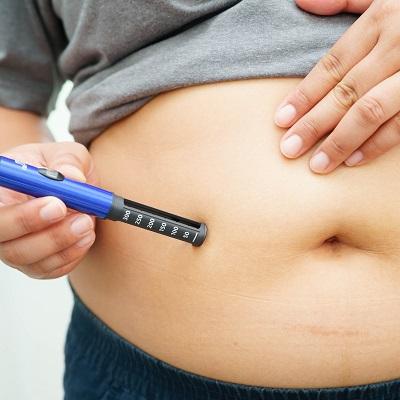
Weight loss has become an important health goal for people who struggle with excess body weight, particularly when traditional approaches such as dieting and exercise do not produce the expected results. With advances in medical treatments, prescription injections have emerged as an additional option for supporting long-term weight management. These treatments work by influencing appetite, fullness, and food intake, helping individuals manage their weight more effectively when combined with healthy lifestyle changes.
Weight Loss Injections have gained considerable attention because clinical research has demonstrated that certain injectable medications can support meaningful weight reduction. However, the amount of weight a person can lose varies depending on the medication, dosage, treatment duration, starting weight, individual response, and lifestyle habits. Understanding how these injections work, what results may be realistic, and what factors influence success can help individuals make informed decisions about their weight management journey.
1. How Much Weight Can a Person Lose With Weight Loss Injections?
The amount of weight lost with injectable treatments depends on the specific medication and the individual's response. Some people experience gradual weight reduction, while others achieve more substantial results over several months of consistent treatment.
Clinical studies of certain prescription weight management medications have reported average weight reductions of approximately 10% to 20% or more of initial body weight over roughly 12 to 18 months, depending on the medication and study population. These figures represent clinical trial averages rather than guaranteed outcomes.
For example, a person weighing 100 kg who loses 10% of their starting weight would lose approximately 10 kg. A 15% reduction would equal 15 kg, while a 20% reduction would equal 20 kg.
It is important to understand that not everyone achieves these results. Some individuals lose less weight, while others respond particularly well to treatment. Factors such as metabolism, eating patterns, physical activity, underlying health conditions, medication tolerance, and treatment consistency can all influence progress.
Weight reduction also tends to happen gradually rather than immediately. The body needs time to adjust to the medication, and healthcare professionals generally increase doses according to an appropriate treatment schedule to improve tolerance and minimise side effects.
2. How Do Weight Loss Injections Work?
Most modern prescription weight management injections work by influencing hormones involved in appetite regulation, digestion, and blood sugar control. Some commonly used medications act on glucagon-like peptide-1 (GLP-1) receptors, while others target more than one hormone pathway.
These medications can support weight management through several mechanisms.
Reducing Appetite
One of the main benefits of certain injectable treatments is their ability to reduce hunger. They influence signals between the digestive system and the brain, helping individuals feel satisfied with smaller portions. This may make it easier to reduce daily calorie intake without experiencing the same level of hunger.
Increasing Feelings of Fullness
Some medications slow the rate at which the stomach empties. As a result, food may remain in the stomach for longer, helping individuals feel full after meals and reducing the desire to snack frequently.
Supporting Blood Sugar Regulation
Certain weight management injections also influence blood glucose levels and insulin responses. These effects can be particularly relevant for people with type 2 diabetes or specific metabolic concerns, although treatment selection depends on individual medical circumstances.
Helping Control Food Cravings
By influencing appetite-related pathways, some injectable medications may help individuals manage persistent hunger and food cravings. This can support more consistent eating habits and make a balanced nutrition plan easier to follow.
The exact mechanism varies between medications, so not all weight loss injections work in precisely the same way.
3. What Factors Affect Weight Loss Results?
Although injectable treatments can produce significant results, the amount of weight lost is not identical for everyone. Several personal and treatment-related factors influence how effectively someone responds.
Starting Weight and Body Composition
A person's initial weight can affect the number of kilograms lost. For example, a 10% reduction represents a larger amount of weight for someone who starts at 120 kg than for someone who starts at 80 kg.
Body composition also matters. Maintaining muscle while reducing excess body fat is an important part of healthy weight management.
Type of Medication
Different medications have different mechanisms, recommended doses, clinical results, and safety considerations. Some may produce greater average weight reductions than others, but the most suitable option depends on an individual's medical history and treatment goals.
Dosage and Treatment Duration
Weight management injections are generally introduced gradually. Healthcare professionals may adjust the dosage over time according to the medication's prescribing guidance, treatment response, and side effects.
Stopping treatment early or using an inappropriate dose may affect results and increase health risks.
Diet and Nutrition
Injectable medications are not a replacement for balanced nutrition. A diet containing adequate protein, fibre, vegetables, fruits, and other nutrient-rich foods can support overall health during weight reduction.
Individuals should also avoid extreme calorie restriction, as inadequate nutrition can contribute to fatigue, nutrient deficiencies, and muscle loss.
Physical Activity and Lifestyle
Regular movement, strength training, sufficient sleep, and consistent daily habits can improve overall weight management. Exercise is particularly valuable for preserving muscle mass and supporting cardiovascular health.
Underlying Medical Conditions
Hormonal disorders, metabolic conditions, certain medications, and other health concerns can influence weight changes. A healthcare professional should consider these factors before recommending injectable treatment.
4. What Results Can Be Expected During Treatment?
Weight loss with injectable medications usually develops over time. Although individual experiences differ, understanding the general treatment journey can help establish realistic expectations.
During the First Few Weeks
The initial stage generally focuses on introducing the medication and allowing the body to adjust. Some individuals notice reduced hunger or earlier fullness during this period. However, substantial weight reduction may not occur immediately.
Mild digestive symptoms, such as nausea or constipation, can also occur as the body adapts.
After Two to Three Months
Some individuals begin noticing more visible changes in their weight, appetite, and eating habits. Progress may vary considerably, and healthcare professionals can assess whether the treatment is being tolerated and whether the response is appropriate.
After Six Months
More noticeable weight reduction may occur in people who respond well to treatment and maintain consistent lifestyle habits. This is also a useful stage for reviewing progress, nutritional intake, physical activity, and any treatment-related concerns.
After Twelve Months or Longer
Longer-term treatment may lead to more substantial weight reduction, depending on the medication and individual response. Some clinical trials have reported average reductions in the range of 10% to 20% or more with particular medications over longer treatment periods.
These timelines are general examples, not promises or a fixed schedule. Individual outcomes can be faster, slower, or more limited.
5. Are Weight Loss Injections Safe? Understanding Side Effects and Precautions
Prescription weight management injections can be effective for eligible individuals, but they are not suitable for everyone. Like other medications, they may cause side effects and require appropriate medical supervision.
Common side effects associated with certain GLP-1-based medications include:
-
Nausea and occasional vomiting.
-
Diarrhoea or constipation.
-
Abdominal discomfort.
-
Bloating and indigestion.
-
Reduced appetite.
-
Fatigue, particularly during treatment adjustment.
These symptoms are often more noticeable when treatment begins or when the dosage increases. However, persistent or severe symptoms should always be discussed with a healthcare professional.
Less common but potentially serious complications can include pancreatitis, gallbladder problems, dehydration-related kidney issues, and severe gastrointestinal reactions. Certain medications also carry specific warnings and precautions.
Individuals with a personal or family history of medullary thyroid carcinoma or multiple endocrine neoplasia syndrome type 2 should discuss the relevant medication-specific contraindications with a healthcare professional. These warnings apply to particular medicines and should not automatically be assumed to apply identically to every injectable treatment.
Pregnant individuals should not use weight loss medication for weight reduction. Anyone planning pregnancy, breastfeeding, or managing an existing medical condition should seek appropriate medical advice before starting treatment.
These injections should only be obtained through legitimate prescription channels. Unapproved products, counterfeit medicines, and unsupervised dosing can create significant health risks.
6. How to Maximise Results From Weight Loss Injections
The best outcomes generally come from combining appropriate medical treatment with sustainable lifestyle changes. Injectable medication can help control appetite, but everyday habits remain important for achieving and maintaining progress.
Follow a Balanced Eating Plan
A balanced diet should include lean protein sources, vegetables, fruits, whole grains, and healthy fats. Protein is particularly important because it supports muscle maintenance during weight reduction.
Smaller, regular meals may also help individuals manage fullness and reduce digestive discomfort.
Stay Physically Active
Regular physical activity supports calorie expenditure, cardiovascular health, mobility, and overall well-being. Walking, swimming, cycling, and other enjoyable activities can help establish a sustainable routine.
Strength training can be especially helpful for maintaining muscle while body weight decreases.
Drink Enough Water
Adequate hydration supports normal bodily functions and can help prevent dehydration, particularly when digestive side effects such as vomiting or diarrhoea occur.
Prioritise Sleep
Poor sleep can influence hunger hormones, appetite, energy levels, and food choices. Maintaining a consistent sleep routine can support healthier lifestyle habits.
Attend Regular Medical Reviews
Ongoing professional monitoring helps assess weight changes, treatment tolerance, nutritional health, and possible side effects. It also allows the treatment plan to be adjusted when necessary.
Focus on Sustainable Progress
Rapid weight reduction should not be the only measure of success. Improvements in blood pressure, blood sugar, mobility, fitness, and overall health can also represent meaningful progress.
Long-term weight management is generally more successful when individuals develop habits that they can maintain beyond the initial treatment period.
Frequently Asked Questions (FAQs)
1. How much weight can someone lose with weight loss injections?
The amount of weight lost varies depending on the medication, dosage, treatment duration, and individual response. Clinical studies of certain prescription injections have reported average weight reductions of approximately 10% to 20% or more of initial body weight over longer treatment periods. However, these results are not guaranteed, and individual outcomes can differ.
2. How quickly do weight loss injections start working?
Some individuals notice reduced appetite and increased feelings of fullness within the first few weeks. However, noticeable weight reduction may take several weeks or months. The medication is usually introduced gradually, allowing the body to adjust before the dosage is increased when appropriate.
3. Do weight loss injections help reduce belly fat?
Weight loss injections can support overall body weight and body fat reduction. However, they do not specifically target belly fat. As overall body fat decreases, abdominal fat may also reduce. The amount of change depends on individual body composition, genetics, and lifestyle habits.
4. Can weight return after stopping weight loss injections?
Yes. Weight regain is possible after stopping treatment, particularly if appetite increases and previous eating habits return. Long-term lifestyle changes, including balanced nutrition and regular physical activity, can help support weight maintenance. A healthcare professional should guide decisions about stopping or changing treatment.
5. Are weight loss injections suitable for everyone?
No. These treatments are generally intended for individuals who meet specific medical eligibility criteria. Suitability depends on factors such as body mass index (BMI), existing health conditions, medical history, current medications, and potential contraindications. A qualified healthcare professional can determine whether treatment is appropriate.
6. Can weight loss injections be used without diet and exercise?
Although certain injections can reduce appetite and support weight reduction, they are not intended to replace healthy eating and physical activity. Combining medical treatment with balanced nutrition, regular movement, adequate hydration, and healthy lifestyle habits can improve overall results and support long-term weight management.
Final Thoughts
Weight loss injections can offer an effective medical option for individuals who struggle to achieve or maintain a healthy weight through traditional approaches alone. Depending on the medication, clinical research has demonstrated average weight reductions of approximately 10% to 20% or more over longer treatment periods. However, individual results depend on several factors, and no specific amount of weight loss can be guaranteed.
Understanding how these treatments work, recognising possible side effects, and maintaining realistic expectations are essential before starting treatment. Professional medical assessment also helps determine whether an injectable medication is suitable and which approach may offer the greatest potential benefit.
Ultimately, successful weight management involves more than seeing a lower number on the weighing scale. A combination of appropriate medical support, balanced nutrition, regular physical activity, and sustainable lifestyle changes can help individuals work towards healthier weight management and improved overall well-being.
Read More About Weight Loss Injections: https://chateando.net/read-blog/75798

 English
 Arabic
 French
 Spanish
 Portuguese
 Deutsch
 Turkish
 Dutch
 Russian
 Romaian
 Portuguese (Brazil)
 Greek
