


Eye Bag Removal Recovery: A Week-by-Week Guide
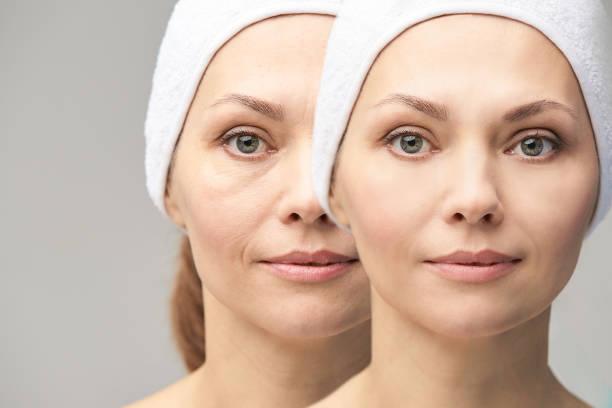
Eye bags can make the face look tired, even when you feel well-rested. They often develop due to ageing, genetics, fluid retention, or changes in the tissues around the eyes. For people who want a fresher and more youthful appearance, eye bag removal can be an effective treatment option. However, understanding the recovery process is just as important as knowing about the procedure itself.
EYE BAG Removal in Riyadh is an option for individuals looking to address persistent puffiness and under-eye bags. Before choosing treatment, it is helpful to understand what happens during recovery, how long the healing process may take, and what steps can support a comfortable experience. This week-by-week guide explains what patients can generally expect after eye bag removal.
Understanding Eye Bag Removal Recovery
Eye bag removal, commonly performed through a procedure called lower eyelid blepharoplasty, focuses on reducing or repositioning excess fat and addressing loose skin beneath the eyes. The approach depends on the patient's facial anatomy, skin condition, and treatment goals.
Recovery varies from person to person. Some patients experience mild swelling and bruising, while others may need additional time before returning to their usual activities. Following aftercare instructions and attending follow-up appointments can help support proper healing.
Week-by-Week Eye Bag Removal Recovery
First Week: Initial Healing and Swelling
The first week is an important stage of recovery. Swelling, bruising, mild discomfort, and tightness around the lower eyelids are common after surgery. These effects are usually part of the body's natural healing response.
During the first few days, patients are generally advised to rest, keep their heads elevated while sleeping, and avoid strenuous activities. Cold compresses may be recommended by the treating professional to help manage swelling.
Some bruising may become more noticeable before gradually fading. Patients should avoid rubbing their eyes, applying pressure to the treated area, or using eye makeup until they receive medical approval.
Second Week: Reduced Bruising and Improved Comfort
By the second week, many patients notice that swelling and bruising have started to decrease. The under-eye area may look more settled, although some puffiness can remain.
Daily activities may become easier, depending on individual healing progress. Patients who work in non-physical environments may be able to return to their routines after receiving approval from their healthcare provider.
It is still important to avoid intense exercise, heavy lifting, and activities that may increase pressure around the eyes. Protecting the healing area from direct sunlight is also recommended.
Third Week: Noticeable Healing Progress
During the third week, the treated area generally continues to improve. Bruising may become less visible, and the lower eyelids can begin to look more natural as the tissues settle.
Although many patients feel more comfortable with their appearance at this stage, complete healing has not necessarily occurred. Minor swelling, sensitivity, or tightness may continue.
Patients should maintain gentle skincare habits and follow any restrictions provided by their healthcare professional. Introducing new skincare products around the eyes should be avoided until the area has healed sufficiently.
Fourth Week: Returning to Normal Activities
By the fourth week, many patients experience significant improvement in swelling and bruising. The under-eye area may appear smoother, with more visible changes in facial appearance.
Most routine activities can often be resumed gradually, provided the treating professional confirms that healing is progressing appropriately. Exercise and other physically demanding activities should only be restarted with medical approval.
It is important to remember that the final appearance may take several months to develop as the remaining swelling settles and the tissues continue to heal.
Tips for a Smooth Eye Bag Removal Recovery
Follow Your Aftercare Instructions
Every patient's recovery needs are different. Following the instructions provided by the treating professional is essential for supporting healing and reducing the risk of complications.
Get Enough Rest
Adequate sleep allows the body to recover. Keeping your head slightly elevated while resting may also help reduce swelling during the early recovery period.
Protect Your Eyes from Sun Exposure
The skin around the eyes is delicate, particularly after surgery. Follow professional advice regarding sun protection, sunglasses, and when it is safe to apply sunscreen around the treated area.
Avoid Rubbing or Pressuring the Eyes
Rubbing the eyes can irritate healing tissues. Gentle handling and avoiding unnecessary pressure can help protect the treated area.
When Should You Contact Your Healthcare Provider?
Although mild swelling and bruising are expected after eye bag removal, certain symptoms require prompt medical attention. Severe or increasing pain, sudden vision changes, significant bleeding, unusual discharge, or rapidly worsening swelling should never be ignored.
Patients should contact their healthcare provider if they notice unexpected symptoms or feel that their recovery is not progressing normally. Early medical assessment can help identify potential complications.
Frequently Asked Questions
How long does eye bag removal recovery take?
Initial recovery generally takes around one to two weeks, although some swelling and tissue sensitivity may continue for several weeks. Complete healing and final results can take several months.
Is swelling normal after eye bag removal?
Yes, swelling is a common part of the healing process. It is usually more noticeable during the first few days and gradually improves. However, sudden or worsening swelling should be evaluated by a healthcare professional.
When can I return to work after eye bag removal?
Many patients return to work within one to two weeks, depending on their recovery progress and the nature of their job. Your treating professional can recommend the appropriate time.
When can I wear makeup after eye bag removal?
Makeup should be avoided around the treated area until the incisions have healed and your healthcare provider confirms that it is safe. This helps reduce irritation and infection risks.
When will I see the final results of eye bag removal?
Early improvements may become noticeable within a few weeks. However, the final appearance can take several months as swelling continues to resolve and the tissues settle.
Book Your Consultation at Enfield Royal Clinic
Understanding the recovery process can help you make a more informed decision about eye bag removal. At Enfield Royal Clinic, patients can explore suitable treatment options based on their individual concerns and aesthetic goals. Book a consultation to discuss your expectations, understand the procedure, and receive professional guidance about recovery and aftercare.

 English
 Arabic
 French
 Portuguese
 Deutsch
 Turkish
 Dutch
 Italiano
 Russian
 Romaian
 Portuguese (Brazil)
 Greek
