


Breast Augmentation Surgery With Fat Transfer: An Alternative Approach
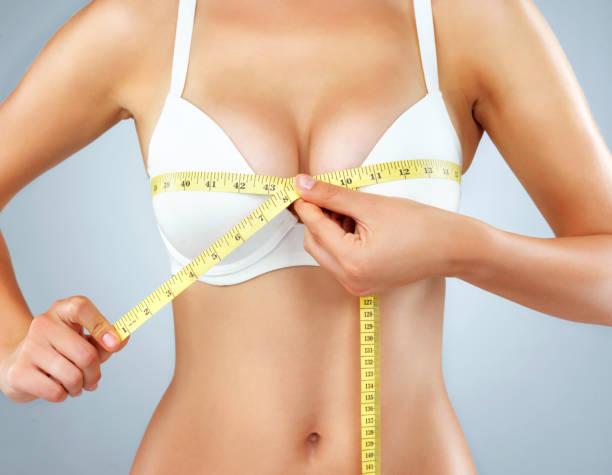
Breast augmentation can be performed using different techniques depending on a patient's anatomy, preferences, and desired results. Breast Augmentation Surgery in Riyadh While traditional breast augmentation commonly involves silicone or saline implants, fat transfer offers another approach for selected patients. This technique uses the patient's own fat, collected from another body area, to increase breast volume and improve natural contours. It may appeal to individuals who prefer an option that does not involve breast implants.
Patients considering Breast Augmentation Surgery in Riyadh should understand how fat transfer works, what results may be achievable, and how it differs from implant-based surgery. Although the technique uses the patient's own tissue, it still involves surgery, recovery, and potential complications. A consultation with a qualified plastic surgeon helps determine whether this approach is suitable.
What Is Breast Augmentation With Fat Transfer?
Fat transfer breast augmentation, also called autologous fat grafting, involves removing fat from one area of the body and transferring it to the breasts.
The procedure generally involves three main stages:
Fat Collection
The surgeon removes fat from a suitable donor area using liposuction. Common donor areas may include the abdomen, thighs, or flanks, depending on the patient's available fat deposits.
Fat Processing
The collected fat is processed to separate usable fat cells from unwanted fluids and other components. The preparation method depends on the surgeon's technique.
Fat Injection
The prepared fat is carefully transferred into selected areas of the breasts using small injections. The surgeon distributes the fat to support an even appearance and appropriate tissue integration.
Not all transferred fat survives. Some of it is naturally absorbed by the body, which can influence the final volume.
Who May Be Suitable for Fat Transfer Breast Augmentation?
Fat transfer may be considered for patients seeking a relatively modest increase in breast volume without implants. However, suitability depends on several medical and anatomical factors.
Patients With Sufficient Donor Fat
Patients need enough suitable fat in areas such as the abdomen, thighs, or flanks. The surgeon assesses donor areas to determine whether sufficient fat can be collected.
Patients Seeking Subtle Volume Enhancement
Fat transfer may be appropriate for individuals who prefer a gradual, relatively modest change rather than a substantial increase in breast size.
Patients Who Prefer Their Own Tissue
Some patients prefer fat transfer because it does not involve placing a breast implant. However, they should understand that the procedure still has surgical risks and does not eliminate the possibility of future treatment.
Fat Transfer vs. Traditional Breast Implants
Both techniques can increase breast volume, but they work differently and offer different possibilities.
Breast Augmentation With Implants
Implant-based augmentation uses saline or silicone gel implants to increase breast volume.
-
It can provide a more substantial increase in volume.
-
Different implant sizes, shapes, and profiles are available.
-
It involves implant-specific considerations and long-term monitoring.
-
Future implant-related procedures may be necessary.
Breast Augmentation With Fat Transfer
Fat transfer uses the patient's own tissue rather than an implant.
-
It may provide a more modest increase in volume.
-
It can improve contours in selected breast areas.
-
It requires suitable donor fat.
-
Some transferred fat may be absorbed.
-
Additional sessions may sometimes be needed.
The surgeon can explain which approach better matches the patient's goals and anatomy.
Benefits of Breast Augmentation With Fat Transfer
Fat transfer has several characteristics that may make it appealing to selected patients.
Uses the Patient's Own Fat
The procedure uses fat collected from the patient's body rather than a manufactured breast implant. This may appeal to individuals who prefer an implant-free approach.
Combines Fat Removal and Breast Enhancement
Fat is collected from another body area, which may also create changes in the donor area's contour. However, liposuction is not a weight-loss treatment, and the amount of fat available depends on individual anatomy.
Allows Targeted Volume Enhancement
The surgeon can transfer fat into selected areas to address certain contour concerns. The amount of enhancement depends on the available fat, tissue capacity, and how much transferred fat survives.
Limitations and Possible Risks
Although fat transfer may be suitable for some patients, it has limitations that should be understood before treatment.
Variable Fat Survival
Not all transferred fat establishes a lasting blood supply. Some fat cells may be reabsorbed, making the final breast volume less predictable than implant-based augmentation.
Limited Volume Increase
Fat transfer generally offers a more modest increase than implants. Patients seeking a substantial change may need to discuss other surgical options.
Possible Fat-Related Complications
Potential complications include:
-
Fat necrosis, where some transferred fat cells do not survive.
-
Oil cyst formation.
-
Calcium deposits in breast tissue.
-
Infection or bleeding.
-
Uneven contours or asymmetry.
-
Changes in breast sensation.
Patients should also discuss how fat transfer may affect future breast imaging and the importance of informing radiology professionals about previous procedures.
What Happens During Recovery?
Recovery depends on the amount of fat removed, the areas treated, and individual healing. Patients may experience swelling, bruising, and tenderness in both the breasts and donor areas.
Early Recovery
During the initial recovery period, patients may need to limit strenuous activities and follow instructions about caring for treated areas.
Following Aftercare Instructions
The surgeon may provide guidance about:
-
Managing swelling and discomfort.
-
Caring for incision sites.
-
Wearing recommended compression garments for donor areas.
-
Returning gradually to normal activities.
-
Attending follow-up appointments.
Patients should not apply pressure or use special garments on the breasts unless advised by their surgical team.
How Long Do Fat Transfer Results Last?
The final result develops gradually as swelling decreases and the body reabsorbs some of the transferred fat. Fat cells that successfully establish a blood supply may remain, although breast volume can still change with weight fluctuations, aging, pregnancy, and other factors.
Patients should understand that the final outcome cannot be predicted precisely. Follow-up appointments help the surgeon assess healing and discuss whether additional treatment may be appropriate.
What Factors Influence Breast Augmentation Costs in Riyadh?
The overall treatment plan may influence breast augmentation costs in Riyadh. Fat transfer involves both fat collection and breast enhancement, so expenses can differ from implant-based procedures.
Factors may include:
-
The number and location of donor areas.
-
Liposuction requirements.
-
Surgical technique and treatment complexity.
-
Surgeon qualifications and experience.
-
Anesthesia and facility fees.
-
Follow-up appointments and aftercare.
-
Whether additional fat-transfer sessions are required.
Patients should request a detailed treatment estimate and clarify which services are included.
Conclusion
Breast augmentation with fat transfer offers an alternative to traditional implants for selected patients who want a relatively modest increase in breast volume using their own tissue. However, the technique requires suitable donor fat, and the final results can vary because some transferred fat may not survive. Understanding the benefits, limitations, recovery requirements, and possible complications is essential before choosing a procedure. Breast Augmentation Surgery in Riyadh should always begin with an individualized consultation to determine which approach is medically appropriate and aligned with realistic expectations.
Book an Appointment Consultation
For those seeking expert guidance and customized aesthetic care, you can book an appointment consultation at Enfield Royal Riyadh.
Frequently Asked Questions
1. What is fat transfer breast augmentation?
It involves collecting fat from another body area, processing it, and transferring it into the breasts to increase volume.
2. Is fat transfer an alternative to breast implants?
Yes. Selected patients may choose it for modest enhancement without using manufactured breast implants.
3. Does all transferred fat survive?
No. Some transferred fat is naturally absorbed, so the final breast volume may vary between patients.
4. Who is suitable for fat transfer breast augmentation?
Patients with sufficient donor fat and realistic expectations may be suitable after a surgeon's assessment.
5. Are fat transfer breast augmentation results permanent?
Some transferred fat may remain long term, but results can change with aging, weight fluctuations, and other factors.

 English
 Arabic
 French
 Portuguese
 Deutsch
 Turkish
 Dutch
 Italiano
 Russian
 Romaian
 Portuguese (Brazil)
 Greek
