


Breast Augmentation Surgery: Fat Transfer vs Implants Compared
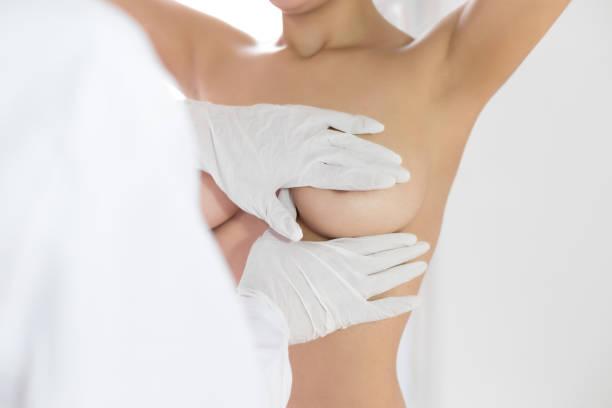
Breast augmentation can involve different surgical approaches, depending on individual anatomy, medical suitability, and treatment goals. Two commonly discussed options are breast implants and fat transfer. Breast Augmentation Surgery in Riyadh Although both approaches aim to increase breast volume, they differ in how the procedure is performed, the materials used, expected changes, and long-term considerations.
For individuals researching Breast Augmentation Surgery in Riyadh, understanding the differences between fat transfer and implants can help make consultation discussions more informative. Neither option is suitable for everyone, and the appropriate approach requires an individualized assessment by a qualified surgeon.
Understanding Breast Augmentation With Implants
Implant-based breast augmentation involves placing medical devices within the breast to increase volume and modify breast shape. Implants are available in different designs, dimensions, and materials.
How Implant Surgery Works
During the procedure, the surgeon creates an incision at an appropriate location and places the implant in a selected tissue plane. The incision and placement approach depend on individual anatomy, implant characteristics, and surgical considerations.
The procedure is generally planned around chest measurements, existing breast tissue, and the patient's medical suitability.
Types of Breast Implants
Patients may receive information about different implant characteristics, including:
-
Shape: Round or anatomical (teardrop).
-
Filling: Silicone gel or saline, depending on availability and suitability.
-
Profile: Different relationships between implant width and projection.
-
Size: Various volumes and dimensions selected according to anatomy.
Each feature has specific considerations. The surgeon should explain the available options, potential complications, and long-term monitoring requirements.
Understanding Breast Augmentation With Fat Transfer
Fat transfer breast augmentation uses a patient's own fat rather than an artificial implant. The procedure involves removing fat from another area of the body, processing it, and transferring suitable fat cells into the breast.
How the Procedure Works
Fat is generally collected through liposuction from areas such as the abdomen, hips, or thighs. The collected material is processed before selected fat cells are carefully transferred into the breast.
The procedure requires sufficient suitable donor fat and appropriate recipient tissue. Not every patient has the medical or anatomical characteristics needed for this approach.
How Fat Transfer Affects Breast Volume
Some transferred fat cells establish a blood supply and remain in the treated area, while others may not survive. Consequently, the final volume can be less predictable than implant-based augmentation.
The surgeon should explain that the amount of retained fat varies and that additional treatment may sometimes be considered.
Fat Transfer vs Implants: Key Differences
Both procedures have different characteristics that may influence surgical planning.
|
Feature |
Breast Implants |
Fat Transfer |
|---|---|---|
|
Material |
Medical implant |
Patient's own processed fat |
|
Fat removal |
Not generally required |
Requires a donor area |
|
Volume change |
Planned using implant dimensions |
Depends on fat survival and retention |
|
Donor fat requirement |
No |
Yes |
|
Implant-related risks |
Includes rupture and capsular contracture |
No implant-related complications |
|
Volume predictability |
More directly planned through implant size |
Less predictable due to variable fat retention |
|
Additional procedures |
May be required in the future |
Further sessions may sometimes be considered |
|
Long-term care |
Includes implant monitoring |
Includes monitoring of transferred fat and breast changes |
Neither method is automatically better. Suitability depends on the patient's health, anatomy, available donor fat, and understanding of the potential limitations.
Factors That Influence the Choice Between Fat Transfer and Implants
Selecting an appropriate method requires evaluating several medical and anatomical considerations.
Desired Volume Change
The amount of volume change a patient is considering may influence the discussion. Implants provide a defined device size, whereas fat transfer depends on the amount of fat that can safely be collected and retained.
The surgeon should explain what each approach can realistically achieve without making guarantees about the final result.
Availability of Donor Fat
Fat transfer requires sufficient suitable fat from another body area. The surgeon evaluates donor areas and determines whether enough material may be available for the planned procedure.
If the available fat is limited, this may affect the feasibility of the approach.
Existing Breast Anatomy
Breast tissue, skin elasticity, chest dimensions, and natural asymmetry influence both procedures. These factors help the surgeon understand which approach may be medically appropriate.
Medical History and Overall Health
Previous operations, existing medical conditions, medication use, and other health considerations may influence surgical recommendations.
A detailed assessment is necessary before deciding between implants and fat transfer.
Benefits and Limitations of Both Approaches
Understanding the potential advantages and limitations helps patients evaluate treatment options more carefully.
Potential Benefits and Limitations of Implants
Implants allow surgeons to plan volume using specific device dimensions. They also offer different shapes and profiles that can be considered during surgical planning.
However, implants involve device-related risks, including rupture, displacement, capsular contracture, and the possibility of future surgery. They also require appropriate long-term monitoring.
Potential Benefits and Limitations of Fat Transfer
Fat transfer uses the patient's own tissue and avoids placing an implant. It also involves liposuction of a donor area, which may produce changes in that area.
However, fat retention varies, and the amount of volume change may be limited. Fat transfer also carries risks such as fat necrosis, oil cysts, calcifications, infection, and changes in breast contour.
Recovery and Long-Term Considerations
Recovery experiences vary depending on the selected procedure and individual health circumstances.
Recovery After Implant Surgery
Recovery may involve swelling, discomfort, temporary activity restrictions, and follow-up appointments. Patients receive instructions about wound care, supportive garments, and when activities can gradually resume.
The surgeon should also explain implant monitoring and the possibility of future replacement or removal.
Recovery After Fat Transfer
Fat transfer recovery involves healing in both the donor and recipient areas. Patients may experience temporary swelling, bruising, or discomfort where fat was collected and transferred.
Specific instructions may include caring for the treated areas and following recommendations about clothing or compression garments. The surgeon should explain how healing and fat retention will be assessed.
Understanding Treatment Planning and Costs
The overall treatment plan depends on the selected procedure, medical requirements, facility arrangements, and follow-up needs. Patients researching breast augmentation costs in riyadh should understand that implant surgery and fat transfer involve different surgical components.
A consultation should explain what is included in the proposed treatment and whether additional procedures or future care may be necessary.
Conclusion
Fat transfer and implant-based breast augmentation differ in their techniques, materials, volume considerations, and long-term responsibilities. Implants provide defined device dimensions but involve implant-related risks and ongoing monitoring. Fat transfer uses the patient's own fat but depends on donor availability and variable fat retention.
Anyone researching Breast Augmentation Surgery in Riyadh should discuss both approaches with a qualified surgeon and understand their potential risks, limitations, and alternatives before making a decision. For those seeking professional guidance, an appointment consultation at Enfield Royal Riyadh can provide an opportunity to discuss medical suitability and available treatment considerations with the clinical team.
Frequently Asked Questions
1. What is the main difference between fat transfer and implants?
Implants use medical devices, while fat transfer uses processed fat collected from another body area.
2. Does fat transfer require liposuction?
Yes. Fat is generally collected from a donor area through liposuction.
3. Is fat transfer suitable for everyone?
No. Suitability depends on donor fat availability, anatomy, and individual medical assessment.
4. Do breast implants require future monitoring?
Yes. Implants are not lifetime devices and may require ongoing monitoring or future procedures.
5. Which breast augmentation method is better?
Neither is universally better. A surgeon evaluates health, anatomy, and individual circumstances before recommending an approach.
 Portuguese (Brazil)
 English
 Arabic
 French
 Spanish
 Portuguese
 Deutsch
 Turkish
 Dutch
 Italiano
 Russian
 Romaian
 Greek