


How Parking Systems Help Manage Peak-Hour Traffic
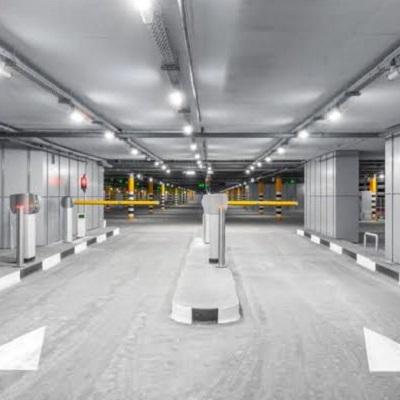
Peak-hour traffic is a common challenge in busy cities, commercial districts, shopping centers, hospitals, airports, and residential communities. As the number of vehicles on the road continues to increase, finding available parking becomes more difficult. Drivers often spend valuable time circling parking areas, waiting for spaces, or navigating crowded entrances and exits. These situations contribute to road congestion, wasted fuel, unnecessary stress, and delays for commuters and visitors. Modern parking technology offers a practical way to address these challenges by making parking operations more organized, efficient, and convenient.
A well-designed parking solution can make a significant difference in how vehicles move through busy areas. The Best Parking Management System Saudi Arabia helps businesses and property operators improve parking operations through smarter space allocation, automated access, real-time monitoring, and better traffic coordination. By combining technology with effective parking policies, these systems help reduce unnecessary vehicle movement and create a smoother experience during the busiest hours of the day.
1. Understanding the Connection Between Parking and Peak-Hour Traffic
Parking congestion and road traffic are closely connected. When drivers cannot quickly identify an available parking space, they often continue driving through parking facilities or nearby streets. This creates additional vehicle movement, especially during morning and evening rush hours.
For example, a busy shopping center may experience a sudden increase in visitors during weekends or public holidays. Without an organized parking system, vehicles can form long queues at entrances, while drivers search different levels or sections for available spaces. The resulting congestion may extend beyond the parking facility and affect surrounding roads.
A modern parking management system helps address this issue by organizing vehicle entry, monitoring available spaces, and guiding drivers toward suitable parking locations. Instead of allowing vehicles to move around without direction, it creates a structured process that supports more efficient traffic flow.
This approach is particularly useful in growing urban areas where commercial activity, tourism, and vehicle ownership contribute to increasing parking demand.
2. Real-Time Parking Availability Reduces Unnecessary Driving
One of the most valuable features of modern parking technology is real-time parking availability. Drivers can benefit from knowing whether spaces are available before entering a facility or moving between parking sections.
Smart sensors, cameras, and connected parking software can monitor occupancy and update availability information. Digital displays installed at entrances or inside parking areas can then show drivers where spaces are available.
This feature offers several practical advantages:
-
Less unnecessary driving: Drivers spend less time searching for vacant spaces.
-
Reduced internal congestion: Vehicles move more directly toward available parking areas.
-
Better time management: Visitors can reach their destinations more quickly.
-
Improved driver experience: Clear information reduces confusion and frustration.
-
More efficient space utilization: Parking operators can monitor occupancy across different sections.
During peak hours, even small improvements in parking guidance can have a noticeable effect. When drivers know where to go, fewer vehicles compete for the same spaces, helping parking facilities operate more smoothly.
3. Automated Entry and Exit Systems Help Control Vehicle Queues
Parking entrances and exits are common congestion points, particularly when many vehicles arrive or leave within a short period. Traditional parking arrangements that depend entirely on manual ticket issuance, cash payments, or staff verification can create unnecessary delays.
Automated access control systems help simplify these processes. Depending on the technology installed, vehicles can enter or exit through license plate recognition, RFID cards, QR codes, or other contactless access methods.
These technologies reduce the time required to verify vehicles and authorize access. As a result, more vehicles can pass through entry and exit points without prolonged interruptions.
Automated parking access provides several benefits:
-
Faster vehicle identification and verification.
-
Reduced dependence on manual ticket handling.
-
Shorter waiting times at entry and exit barriers.
-
More consistent access control.
-
Better monitoring of vehicle movements.
For commercial properties, office buildings, and large residential developments, automated entry and exit management can make daily traffic patterns easier to handle. It also allows parking operators to maintain better control over authorized and unauthorized vehicle access.
4. Smart Parking Guidance Improves Vehicle Movement
Finding a parking space is only one part of the parking experience. Drivers also need clear directions to reach available spaces without creating confusion or obstructing other vehicles.
Smart parking guidance systems address this problem through directional displays, occupancy indicators, digital signage, and navigation features. These tools help drivers understand which parking sections have available spaces and which areas are already full.
For example, a multi-level parking facility may have several floors with different occupancy levels. Without proper guidance, drivers may spend unnecessary time moving between floors. A smart guidance solution can direct them toward less crowded sections, improving traffic distribution throughout the facility.
This can be especially beneficial in:
-
Shopping malls with high visitor volumes.
-
Airports with frequent passenger arrivals and departures.
-
Hospitals where visitors need convenient access.
-
Office complexes with concentrated morning arrivals.
-
Event venues that experience sudden traffic increases.
Clear navigation also reduces the likelihood of sudden stops, unnecessary turns, and vehicles reversing or changing directions in crowded areas.
When parking spaces are distributed more efficiently, drivers can move through facilities with fewer interruptions.
5. Data Analytics Helps Parking Operators Prepare for Busy Periods
Managing peak-hour traffic requires more than responding to congestion after it occurs. Parking operators also need to understand when demand increases, which areas become crowded, and how vehicles move throughout the day.
Modern parking management software can collect valuable operational information, including vehicle entry and exit times, parking occupancy, average parking duration, and usage patterns.
By reviewing this information, facility managers can identify recurring traffic trends and make informed operational decisions.
For instance, an office complex may experience its highest parking demand between 8:00 AM and 10:00 AM. A shopping center may experience heavier activity during evenings and weekends. An event venue may experience a sudden increase in demand before scheduled activities.
Historical data can help operators:
-
Identify the busiest arrival and departure periods.
-
Recognize frequently congested parking sections.
-
Allocate parking spaces more effectively.
-
Adjust staffing levels during high-demand periods.
-
Improve traffic flow through better operational planning.
-
Identify opportunities for future parking improvements.
Predictive analysis can also help operators anticipate demand based on historical patterns and scheduled activities. Although forecasts cannot eliminate every traffic problem, they provide useful information for making parking operations more responsive.
6. Better Parking Management Supports Safer and More Sustainable Cities
Efficient parking management contributes to more than convenience. It can also support road safety, environmental responsibility, and better use of urban infrastructure.
When vehicles spend less time searching for parking spaces, unnecessary driving and idling can decrease. This may help reduce fuel consumption and vehicle emissions associated with parking searches.
Organized parking facilities can also improve pedestrian safety by separating vehicle movement from walking routes and providing clearer traffic directions. Proper access control, marked parking spaces, and monitored entry points help create a more predictable environment for drivers and pedestrians.
In Saudi Arabia, where urban development and smart infrastructure initiatives continue to create new opportunities for technology-driven services, intelligent parking solutions can play an important role in improving everyday mobility.
Businesses and property developers can benefit from systems that offer centralized monitoring, automated access, digital guidance, and useful operational reports. These features support more efficient facilities while helping accommodate growing vehicle demand.
Ultimately, effective parking management is an important part of creating organized commercial environments and more accessible urban spaces.
7. Choosing the Right Parking Management Solution for Long-Term Efficiency
Not every parking facility has the same requirements. A small office building may need a straightforward access control solution, while a large shopping center or mixed-use development may require integrated sensors, automated payment options, license plate recognition, and advanced reporting.
Before selecting a parking management solution, property owners and facility managers should consider several important factors.
Scalability: The system should be capable of supporting future growth in vehicle volume and parking capacity.
Ease of use: Drivers and parking staff should be able to understand and operate the system without unnecessary complications.
Integration: The solution should work effectively with existing security systems, payment technologies, access barriers, and building management platforms where required.
Real-time monitoring: Reliable occupancy information can help operators respond quickly to changing parking conditions.
Security: Features such as access authorization, vehicle identification, and activity monitoring can help improve parking facility security.
Technical support: Ongoing maintenance and technical assistance are important for keeping parking operations reliable.
A suitable system should address current operational challenges while providing enough flexibility to accommodate future requirements. Evaluating these factors can help businesses make a more informed investment in parking technology.
Frequently Asked Questions
1. How do parking management systems reduce peak-hour traffic?
Parking management systems reduce congestion by monitoring available spaces, guiding drivers, automating vehicle entry and exit, and organizing parking operations. These features help minimize unnecessary driving and reduce waiting times during busy periods.
2. Can smart parking systems show available spaces in real time?
Yes. Many smart parking systems use sensors, cameras, and connected software to monitor parking occupancy. The information can be displayed through digital signs or other connected interfaces, helping drivers locate available spaces more quickly.
3. How does automated parking access improve traffic flow?
Automated access systems use technologies such as license plate recognition, RFID, and QR codes to identify vehicles and authorize entry or exit. This reduces manual processing and can help prevent long queues at parking barriers.
4. Are parking management systems suitable for shopping malls and commercial buildings?
Yes. These systems can support shopping malls, office complexes, hospitals, airports, residential communities, and other facilities with significant parking demand. Their features can be selected according to the size and operational requirements of each location.
5. Can parking management software help predict peak-hour demand?
Parking management software can analyze historical occupancy, entry and exit records, and usage patterns. This information helps operators identify busy periods and plan staffing, space allocation, and traffic control more effectively.
6. Do smart parking systems contribute to environmental sustainability?
Yes. By helping drivers locate available spaces faster and reducing unnecessary vehicle movement, smart parking systems can help limit fuel consumption and emissions associated with searching for parking. They can also support more organized and efficient use of existing parking infrastructure.
Conclusion
Peak-hour traffic is a growing concern for modern cities and commercial facilities, but smarter parking management can help reduce many of the problems associated with vehicle congestion. Real-time availability updates, automated access control, intelligent parking guidance, and data-driven planning allow operators to manage parking demand more effectively.
These technologies improve the experience for drivers while supporting better space utilization, smoother vehicle movement, and more organized parking operations. As urban environments continue to develop, intelligent parking solutions will become increasingly important for businesses and property managers seeking reliable and scalable ways to handle growing transportation demands.
By investing in an appropriate parking management system, facilities can take a practical step toward reducing congestion and creating a more efficient parking experience for everyone.

 English
 French
 Spanish
 Portuguese
 Deutsch
 Turkish
 Dutch
 Italiano
 Russian
 Romaian
 Portuguese (Brazil)
 Greek
