


Is PRP Hair Treatment Safe? Risks, Side Effects, and Precautions
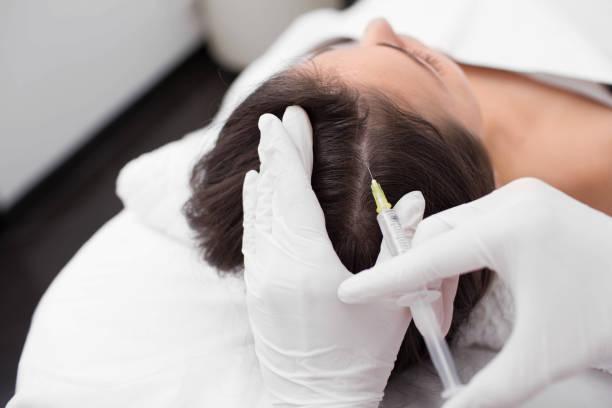
When exploring treatments for hair thinning, safety is just as important as understanding potential results. PRPHairTreatment in Riyadh Platelet-rich plasma (PRP) therapy has attracted attention because it uses components of a person's own blood rather than an externally manufactured substance. However, using the body's own material does not mean the procedure is completely risk-free. Understanding its possible side effects, limitations, and precautions can help people make informed healthcare decisions.
PRP Hair Treatment in Riyadh is an option people may research when exploring approaches to certain types of hair loss. The procedure involves collecting a small blood sample, concentrating platelets through specialized processing, and administering the prepared plasma into selected scalp areas. Although research suggests potential benefits for some patients, safety and suitability depend on individual health factors and proper clinical practices.
What Is PRP Hair Treatment and How Does It Work?
PRP stands for platelet-rich plasma. Platelets are blood components involved in clotting and natural tissue-repair processes. They contain growth factors that help regulate cellular communication and healing activities.
During treatment, a healthcare professional collects a small blood sample and processes it in a centrifuge. This separates the platelet-rich portion from other blood components. The prepared plasma is then injected into selected areas of the scalp.
Researchers are studying whether these growth factors may support the environment around existing hair follicles. However, PRP does not create new follicles, and its effectiveness varies according to the underlying cause of hair loss.
Is PRP Hair Treatment Generally Safe?
PRP is generally considered a relatively low-risk procedure when performed by a qualified healthcare professional using appropriate equipment and sterile techniques. Since the material comes from the patient's own blood, the risk of an allergic reaction to the plasma itself is generally low.
However, the procedure involves blood collection and multiple scalp injections. These steps introduce possible complications, including infection, bruising, discomfort, and inflammation.
Safety also depends on proper patient selection, blood processing, injection technique, and aftercare. A medical assessment should take place before treatment rather than assuming PRP is suitable for everyone.
Common Side Effects of PRP Hair Treatment
Scalp Tenderness and Discomfort
Mild tenderness around injection sites is a possible temporary reaction. The scalp may feel sensitive when touched, brushed, or washed.
The discomfort generally improves as the treated areas recover. Follow the practitioner's instructions and avoid unnecessary pressure on the scalp.
Redness and Swelling
Some patients notice temporary redness or mild swelling following injections. These reactions may occur as part of the body's response to the procedure.
Increasing redness, significant swelling, or symptoms that become progressively worse should be assessed by a healthcare professional.
Bruising
Minor bruising may develop if small blood vessels are affected during injection. Its appearance and duration vary between individuals.
Temporary Headache
Some patients report headaches or general discomfort after scalp injections. Ask your healthcare professional about suitable management options based on your medical history.
Potential Risks and Complications
Although serious complications are uncommon, patients should understand the possible risks before proceeding.
Infection
An infection may develop if bacteria enter through injection sites. Appropriate sterilization, disposable equipment, and suitable clinical hygiene practices help reduce this risk.
Persistent Inflammation
Redness, swelling, or tenderness that continues or becomes more severe may require medical assessment.
Bleeding or Bruising
People with bleeding-related conditions or those taking certain medications may require additional assessment before treatment.
Nerve or Tissue Irritation
Injection procedures can occasionally affect nearby tissues or small nerves, potentially causing temporary changes in sensation or discomfort.
Limited Treatment Response
PRP does not produce the same response in everyone. Some patients may notice improvements in hair density, while others experience little or no measurable change.
Who Should Take Extra Precautions Before PRP?
Not everyone is an appropriate candidate for PRP hair treatment. Certain medical circumstances may affect its suitability.
A healthcare professional should carefully assess people with:
-
Blood or platelet-related disorders.
-
Certain bleeding or clotting conditions.
-
Active scalp infections or significant inflammation.
-
Medical conditions that may affect healing.
-
Relevant medication use, including medicines that influence bleeding.
-
Other health concerns that may affect blood collection or treatment response.
This does not mean every person with one of these circumstances is automatically unsuitable. Individual medical assessment is necessary.
Important Precautions Before Treatment
Share Your Complete Medical History
Inform the practitioner about existing medical conditions, previous procedures, allergies, and any history of bleeding or healing difficulties.
Discuss Medicines and Supplements
Provide a complete list of prescription medicines, non-prescription products, and supplements. Never stop or change prescribed medication without advice from the healthcare professional responsible for your care.
Check Practitioner Qualifications
Ask who will perform the procedure, what training they have, and whether appropriate clinical hygiene standards are followed.
Understand the Treatment Protocol
Ask how the blood sample is collected and processed, how the PRP is administered, and what aftercare instructions will be provided.
What Should You Expect After PRP Treatment?
After the procedure, the scalp may experience mild tenderness, redness, swelling, or bruising. These effects are generally temporary, although recovery varies.
Your practitioner may provide specific instructions about:
-
When to wash your hair.
-
Which hair-care products to avoid temporarily.
-
When to resume exercise.
-
Whether swimming, saunas, or excessive heat should be avoided.
-
When to attend follow-up appointments.
Seek prompt medical attention if you experience fever, worsening pain, spreading redness, significant swelling, or unusual discharge from an injection site.
Does PRP Effectiveness Depend on Safety and Preparation?
Proper preparation and clinical technique are important, but they do not guarantee successful hair-growth results. Research suggests PRP may improve hair density in some people with pattern hair loss, although findings vary across studies.
The cause and stage of hair loss, preparation methods, treatment schedule, and individual response can all influence outcomes. PRP should not replace an appropriate diagnosis or other evidence-based treatments when these are needed.
Understanding prp hair treatment cost in saudi arabia
People researching prp hair treatment cost in saudi arabia should consider more than the number of sessions. The medical assessment, preparation system, practitioner's qualifications, recommended treatment schedule, and follow-up arrangements are also relevant.
It is useful to ask what the proposed treatment includes, what safety procedures are followed, and whether additional medical evaluations may be necessary.
Conclusion
PRP hair treatment is generally considered a relatively low-risk procedure when performed by a qualified professional using appropriate clinical practices. Nevertheless, temporary side effects such as tenderness, redness, swelling, and bruising can occur, while infection and other complications are possible. A complete medical assessment, transparent discussion of risks, and proper aftercare are essential before considering treatment. Results also vary, so patients should maintain realistic expectations.
For those seeking expert guidance and customized aesthetic care, you can book an appointment consultation at Enfield Royal Riyadh to discuss PRP treatment suitability, understand potential risks, and receive professional advice.
Frequently Asked Questions
1. Is PRP hair treatment generally safe?
It is generally considered low-risk when performed by a qualified professional using sterile clinical techniques.
2. Can PRP hair treatment cause infections?
Yes. Infection is possible, although appropriate hygiene and sterile equipment help reduce the risk.
3. Who should avoid PRP hair treatment?
People with certain blood disorders, active scalp infections, or relevant medical concerns need professional assessment first.
4. Are PRP hair treatment side effects permanent?
Most common reactions are temporary, but persistent or worsening symptoms require medical evaluation.
5. Does PRP guarantee hair regrowth?
No. Research suggests potential benefits for selected patients, but individual results vary.

 English
 Arabic
 French
 Spanish
 Portuguese
 Deutsch
 Dutch
 Italiano
 Russian
 Romaian
 Portuguese (Brazil)
 Greek
