

Rhinoplasty Recovery Timeline: What to Expect After Nose Surgery
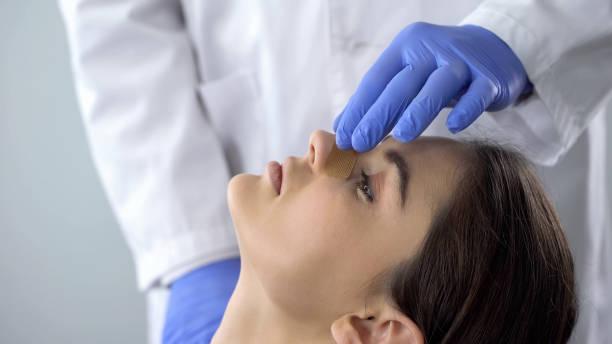
Recovery after rhinoplasty happens gradually, and the nose may look different at various stages of healing. Swelling, bruising, temporary congestion, and tenderness are common during the initial period. Rhinoplasty in Riyadh Although some improvements become noticeable within the first few weeks, the final nasal contour can take several months or longer to develop.
When researching Rhinoplasty in Riyadh, understanding the recovery timeline helps explain why patience and proper postoperative care are important. Healing depends on the surgical technique, the extent of structural changes, skin characteristics, and individual health. The timeline below provides general information, but a treating surgeon's instructions should always take priority.
The Rhinoplasty Recovery Timeline
First 24 to 48 Hours: Initial Recovery
During the first couple of days, patients may experience swelling, mild discomfort, nasal congestion, and some drainage. Bruising around the eyes may also begin to appear. A splint or dressing is commonly used to protect and support the nose.
Rest is important during this stage. Patients are generally advised to keep their heads elevated and avoid unnecessary pressure on the nose. Any medication should be taken according to the healthcare professional's instructions.
Days 3 to 7: Swelling and Bruising
Swelling and bruising may remain noticeable during the first week. The nose can feel blocked, and breathing through the nostrils may temporarily be difficult. These symptoms usually improve gradually.
A follow-up appointment is commonly arranged during this period. The surgeon may remove the external splint, dressing, or non-dissolvable stitches, depending on the procedure. Patients should not attempt to remove these themselves.
Week 2: Early Improvements
By the second week, many patients notice improvements in bruising, swelling, and general comfort. Some may feel ready to return to light daily routines, depending on their recovery and professional advice.
However, the nose remains sensitive, and internal healing continues. Avoid rubbing, pressing, or accidentally bumping the surgical area.
Weeks 3 to 4: Gradual Return to Routine
During this stage, visible bruising often becomes less noticeable, while swelling continues to decrease. The nasal shape may appear more defined than it did during the first week, although it is not yet the final result.
Light activities may be possible if approved by the surgeon. Strenuous exercise, heavy lifting, and activities that could cause facial impact should remain restricted according to medical instructions.
Weeks 4 to 6: Increasing Activity Carefully
Some patients may be cleared to resume more demanding activities around four to six weeks after surgery. The NHS provides this as general guidance for returning to strenuous exercise, but individual restrictions can differ.
The nose may still have residual swelling, especially around the tip. Patients should not assume that improved appearance means all internal structures have fully healed.
Months 2 to 6: Continued Refinement
Over the following months, swelling generally becomes less noticeable, and the nasal contour continues to settle. Small changes may still occur as the soft tissues adapt to the underlying structural changes.
The nasal tip can take longer to refine than other areas. Regular follow-up appointments help the surgeon monitor healing and address concerns.
Months 6 to 12: Longer-Term Results
During the later recovery period, subtle swelling continues to improve. The final contour may become clearer around the one-year mark, although some individuals, particularly those undergoing complex procedures, may require additional time.
The American Society of Plastic Surgeons notes that complete refinement can take up to a year. Individual results and timelines vary.
Factors That Can Affect Recovery Time
Surgical Technique and Complexity
The extent of changes to bone, cartilage, and soft tissues can influence recovery. Open and closed techniques may also involve different incision locations and healing considerations.
Skin Characteristics and Individual Healing
Skin thickness, previous nasal procedures, general health, and natural healing responses can influence how quickly swelling settles. Two people undergoing similar procedures may therefore experience different timelines.
Tips for Supporting a Safe Recovery
Following professional aftercare instructions is essential. Patients may be advised to sleep with their heads elevated, protect nasal dressings, avoid blowing their noses during early healing, and gradually return to daily activities.
Avoid unapproved massages, pressure, or treatments intended to speed up swelling reduction. Attend follow-up appointments and contact the surgical team if symptoms become unexpectedly worse. Fever, increasing pain, unusual discharge, persistent bleeding, or significant breathing difficulties require prompt medical assessment.
Conclusion
Rhinoplasty recovery progresses through several stages, from initial swelling and bruising to gradual refinement over many months. While everyday activities may become easier within a few weeks, the final nasal contour can take around a year or longer to develop. Anyone researching Rhinoplasty in Riyadh should understand that individual healing varies and that professional follow-up is essential.
For adults whose nasal development is complete and who are considering treatment, an individualized medical assessment can help clarify suitability, risks, and recovery expectations. For those seeking expert guidance and customized aesthetic care, you can book an appointment consultation at the 'Enfield Royal Riyadh.
Frequently Asked Questions
1. How long does rhinoplasty recovery usually take?
Initial recovery often takes a few weeks, while complete refinement of the nasal shape may take around a year.
2. When is the nasal splint usually removed?
The external splint is commonly removed after about one week, depending on the surgeon's instructions.
3. When can patients return to exercise?
Strenuous exercise may resume around four to six weeks, but only after the surgeon provides clearance.
4. How long does swelling last after rhinoplasty?
Noticeable swelling improves over weeks, while subtle swelling may continue for several months or longer.
5. When should patients contact their surgeon?
Seek advice for worsening pain, fever, increasing swelling, unusual discharge, persistent bleeding, or breathing difficulties.
 Russian
 English
 Arabic
 French
 Spanish
 Portuguese
 Deutsch
 Turkish
 Dutch
 Italiano
 Romaian
 Portuguese (Brazil)
 Greek