


What Is the Most Effective Acne Treatment for Different Skin Types?
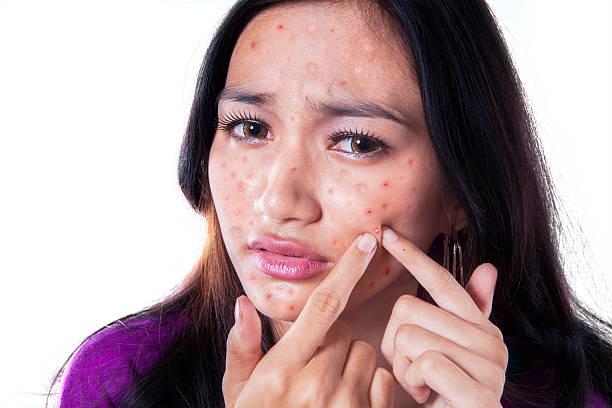
Acne is one of the most common skin conditions, affecting people of different ages and skin types. From occasional pimples to persistent breakouts, acne can influence skin texture, appearance, and confidence. However, finding the right Acne Treatment in Riyadh requires understanding your skin type, the causes of breakouts, and the severity of your condition. Since every skin type responds differently to skincare ingredients and professional procedures, choosing an appropriate treatment is essential for achieving healthier-looking skin.
Oily, dry, combination, and sensitive skin can all experience acne, but their treatment requirements are not the same. For example, oily skin may benefit from ingredients that control excess sebum, whereas dry and sensitive skin need gentle formulations that protect the skin barrier. Choosing Acne Treatment in Riyadh based on your individual skin requirements can help manage breakouts while minimizing irritation. A personalized approach also makes it easier to address existing acne and reduce the likelihood of future breakouts.
Why Is It Important to Choose Acne Treatment According to Your Skin Type?
Your skin type influences how your skin reacts to different acne treatments. Using unsuitable products may cause excessive dryness, irritation, or additional breakouts. Understanding your skin's needs helps determine which ingredients and procedures may provide the most appropriate results.
Some important factors include:
-
Oil production: Excess sebum can contribute to clogged pores and acne formation.
-
Skin sensitivity: Sensitive skin may react to strong ingredients or aggressive procedures.
-
Hydration levels: Maintaining moisture helps support the skin barrier during treatment.
-
Acne severity: Mild breakouts may respond to topical products, while severe acne may require medical treatment.
-
Skin texture: Existing acne marks and uneven texture may require additional dermatological care.
What Is the Most Effective Acne Treatment for Different Skin Types?
There is no single acne treatment that works equally well for everyone. The most suitable approach depends on your skin type, acne severity, and individual response to treatment.
Best Acne Treatment for Oily Skin
Oily skin produces excess sebum, which can mix with dead skin cells and block pores. This often contributes to blackheads, whiteheads, and inflammatory pimples.
Suitable treatment options may include:
-
Salicylic Acid: Helps exfoliate inside the pores and reduce congestion.
-
Benzoyl Peroxide: Helps control acne-causing bacteria and inflammatory breakouts.
-
Niacinamide: May help regulate oil production and improve the appearance of redness.
-
Lightweight Moisturizers: Provide hydration without leaving a heavy or greasy feeling.
Using a gentle cleanser and non-comedogenic skincare products can also help manage excess oil.
Best Acne Treatment for Dry Skin
Dry skin can develop acne alongside flaking, tightness, and irritation. Strong exfoliating products may worsen these concerns, making gentle treatment particularly important.
Recommended skincare options include:
-
Hyaluronic Acid: Helps attract moisture and maintain skin hydration.
-
Ceramides: Support the skin barrier and reduce moisture loss.
-
Gentle Cleansers: Remove impurities without stripping natural moisture.
-
Mild Acne Ingredients: Help address breakouts while reducing unnecessary irritation.
People with dry skin should introduce active ingredients gradually and use a suitable moisturizer regularly.
Best Acne Treatment for Combination Skin
Combination skin usually has an oily forehead, nose, and chin, while the cheeks may be normal or dry. Treating every area with the same strong products can create an imbalance.
A targeted approach may include:
-
Applying salicylic acid to areas with clogged pores.
-
Using lightweight moisturizers on oily areas.
-
Providing additional hydration to dry areas.
-
Choosing non-comedogenic sunscreen for daily protection.
This balanced routine helps address different skin concerns without excessively drying the face.
Best Acne Treatment for Sensitive Skin
Sensitive skin can easily react to fragrances, harsh exfoliants, and strong active ingredients. The treatment approach should focus on managing acne while protecting the natural skin barrier.
Potentially suitable options include:
-
Azelaic Acid: May help reduce mild acne, redness, and post-acne discoloration.
-
Gentle Cleansers: Help remove dirt and impurities without excessive irritation.
-
Fragrance-Free Moisturizers: Support hydration and skin comfort.
-
Mineral Sunscreen: May be suitable for individuals who experience irritation with certain sunscreen formulations.
A dermatologist can recommend appropriate products and determine whether patch testing is necessary.
Which Professional Acne Treatments Can Help Improve Skin?
When regular skincare products are not providing sufficient improvement, professional dermatological procedures may help address persistent acne and related concerns.
Chemical Peels
Chemical peels use carefully selected exfoliating ingredients to remove dead skin cells and improve clogged pores. Depending on the formulation, they may help manage mild acne, uneven texture, and post-acne discoloration. The appropriate peel depends on skin sensitivity and acne severity.
Laser and Light-Based Treatments
Certain laser and light-based procedures may help improve inflammatory acne and acne-related redness. Different technologies target different skin concerns, so a professional assessment is important before selecting a procedure.
Medical Acne Treatments
Persistent or moderate-to-severe acne may require prescription medications. Dermatologists may recommend topical retinoids, combination treatments, oral antibiotics, or isotretinoin when clinically appropriate. These treatments require professional guidance because their suitability and potential side effects vary.
How Can You Choose the Right Acne Treatment?
Selecting the right treatment involves understanding your skin condition and avoiding products that may worsen existing concerns.
Consider these helpful steps:
-
Identify your skin type and understand its specific requirements.
-
Determine whether your acne involves blackheads, whiteheads, inflammatory pimples, or deeper lesions.
-
Avoid combining multiple strong active ingredients without professional advice.
-
Maintain a consistent skincare routine.
-
Consult a dermatologist if acne is persistent, painful, or leaving scars.
A personalized skincare approach can help improve treatment outcomes while supporting long-term skin health.
How Can You Prevent Acne From Returning?
Preventive skincare is important even after breakouts begin to improve. Maintaining healthy habits can help reduce clogged pores and support clearer-looking skin.
-
Wash your face gently twice daily and after excessive sweating.
-
Avoid squeezing or picking pimples.
-
Use non-comedogenic skincare and makeup products.
-
Apply broad-spectrum sunscreen every day.
-
Clean makeup brushes regularly.
-
Change pillowcases frequently.
-
Maintain a consistent skincare routine suitable for your skin type.
If acne continues to return, a dermatologist can help identify possible triggers and recommend an appropriate maintenance routine.
Book Your Acne Consultation at Royal Clinic Saudia
Choosing the right acne treatment begins with understanding your skin's individual needs. If you are experiencing persistent breakouts, clogged pores, or acne-related skin concerns, professional guidance can help you explore suitable treatment options. Book a consultation at Royal Clinic Saudia for a personalized skin assessment and recommendations based on your skin type and condition.
FAQs:
Which acne treatment works best for oily skin?
Salicylic acid, benzoyl peroxide, and niacinamide may help manage excess oil, clogged pores, and inflammatory breakouts. The most suitable option depends on your skin condition and tolerance.
Can people with dry skin use acne treatments?
Yes. People with dry skin can use appropriate acne treatments. Gentle formulations, regular moisturizing, and gradual introduction of active ingredients can help minimize irritation.
Is professional acne treatment better than home skincare?
Professional acne treatment may be more suitable for persistent, severe, or recurring breakouts. Home skincare can help manage mild acne, while dermatological guidance can address more complicated concerns.
How long does acne treatment take to show results?
Many acne treatments require approximately 6–12 weeks of consistent use before noticeable improvement. Results vary depending on acne severity, treatment type, and individual skin response.

 Arabic
 French
 Spanish
 Portuguese
 Deutsch
 Turkish
 Dutch
 Italiano
 Russian
 Romaian
 Portuguese (Brazil)
 Greek
