


Wardrobe Dubai: Modern Storage Solutions for Elegant Homes
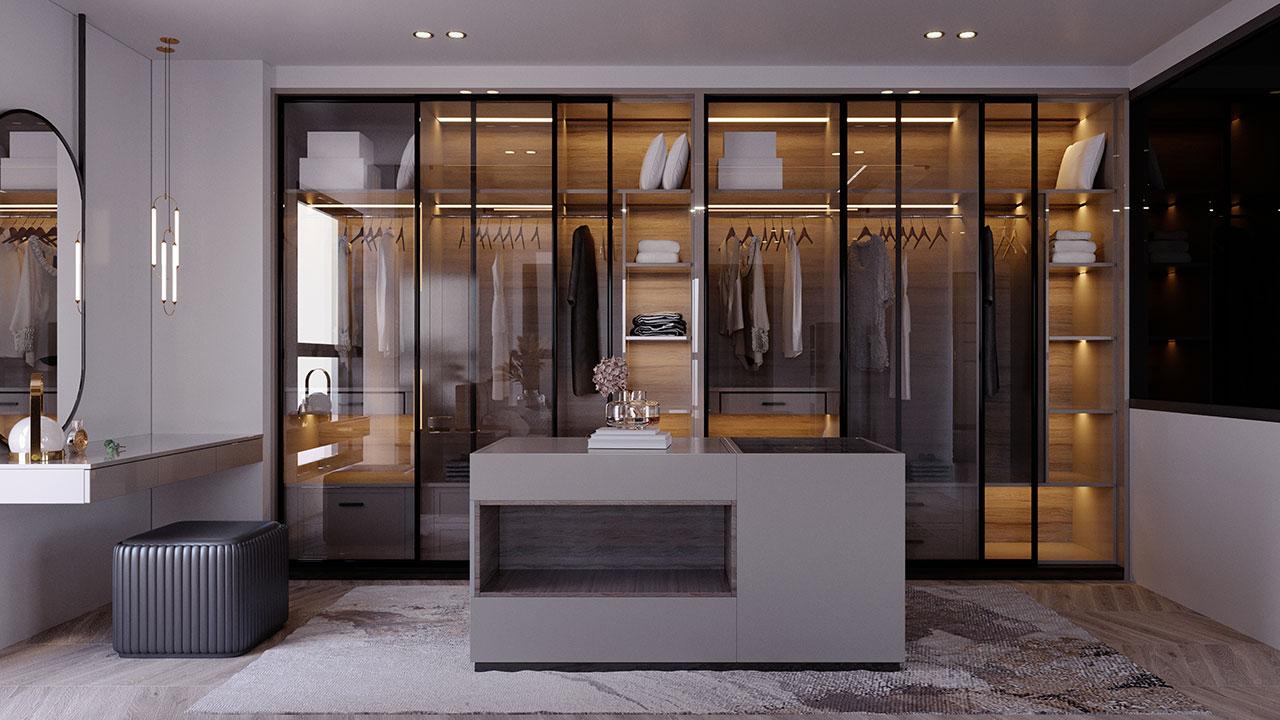
Introduction: Transforming Homes with Modern Wardrobe Designs
A well-designed wardrobe is more than a place to store clothes. It is an essential part of a comfortable, organised, and visually appealing home. In modern interiors, storage solutions need to combine practicality with style, making it easier to maintain an orderly living environment without compromising the overall design. Wardrobe Dubai has become an important consideration for homeowners who want personalised storage, elegant finishes, and smart layouts that suit contemporary lifestyles. From spacious walk-in wardrobes to compact built-in units, modern designs offer a wide range of possibilities for different room sizes and interior preferences.
Choosing the right Wardrobe Dubai design involves considering the available space, storage requirements, preferred materials, and overall bedroom style. A carefully planned wardrobe can improve the appearance of a room while making everyday routines more convenient. Whether a homeowner prefers a minimalist look, luxurious finishes, or a traditional wooden appearance, the right combination of design and functionality can create a storage solution that feels like a natural part of the interior.
Modern Wardrobe Dubai solutions also reflect the changing needs of residential spaces. Many homeowners now prefer customised layouts that make effective use of vertical space, hidden compartments, adjustable shelves, and organised hanging sections. These features help create a practical storage environment while maintaining a clean and sophisticated appearance.
Why Modern Wardrobe Designs Are Important for Contemporary Homes
A bedroom should feel relaxing, organised, and comfortable. Poorly planned storage can make even a spacious room appear crowded. Modern wardrobe designs help address this challenge by providing dedicated spaces for clothing, accessories, footwear, and personal belongings.
A thoughtfully designed wardrobe offers several practical advantages:
- Better organisation: Separate compartments make it easier to arrange different types of clothing and accessories.
- Efficient space utilisation: Built-in and customised units can use otherwise unused areas.
- Improved appearance: Coordinated finishes and layouts complement the bedroom interior.
- Everyday convenience: Well-positioned shelves, drawers, and hanging rails make belongings easier to access.
- Personalisation: Storage arrangements can be adjusted to match individual habits and requirements.
The importance of wardrobe planning becomes even greater in modern apartments, where efficient use of available space is essential. Instead of selecting furniture based only on appearance, homeowners can consider how the wardrobe will support their daily routines.
Popular Wardrobe Dubai Designs for Elegant Interiors
Different homes require different storage arrangements. Some bedrooms have enough space for large walk-in wardrobes, while others benefit from sliding-door or built-in solutions. Understanding the available design options can help homeowners select an arrangement that balances appearance and functionality.
1. Built-In Wardrobes for a Seamless Appearance
Built-in wardrobes are designed to fit into specific spaces, creating a neat and coordinated appearance. They can extend from floor to ceiling, making use of vertical areas that might otherwise remain unused.
One of their main advantages is their ability to blend with the surrounding walls and furniture. Matching the wardrobe finish with the bedroom colour scheme can create a cohesive interior.
Built-in wardrobes can include:
- Full-height hanging sections
- Adjustable shelves
- Internal drawers
- Shoe storage compartments
- Hidden accessory organisers
- Overhead storage areas
These features make built-in wardrobes suitable for homeowners who want a clean and organised bedroom without unnecessary visual clutter.
2. Sliding Door Wardrobes for Space Efficiency
Sliding door wardrobes are a practical choice for bedrooms where traditional hinged doors may restrict movement. Their doors move along a track rather than opening outward, helping preserve usable floor space.
They are available in different finishes, including wood, glass, mirrored panels, and matte surfaces. Mirrored sliding doors can also help reflect light and create a greater sense of openness.
When selecting this design, homeowners should consider the quality of the sliding mechanism, the available internal storage, and how easily the doors can be accessed.
3. Walk-In Wardrobes for Luxury and Organisation
A walk-in wardrobe provides a dedicated area for clothing, footwear, bags, and accessories. It can be designed as a separate room or incorporated into a larger bedroom layout.
A well-planned walk-in wardrobe may include:
- Double hanging rails
- Long garment sections
- Open shelving
- Accessory drawers
- Shoe displays
- Dressing mirrors
- Integrated lighting
The layout should provide comfortable movement between storage sections. Good lighting and sensible compartment placement make the space easier to use while contributing to a refined interior atmosphere.
4. Hinged Door Wardrobes for Classic Bedrooms
Hinged door wardrobes remain a popular choice because of their familiar structure and straightforward access. Their doors open outward, allowing homeowners to view a larger portion of the wardrobe interior at once.
These wardrobes are available in traditional, contemporary, and transitional styles. Decorative handles, panel detailing, and premium finishes can help them complement different bedroom themes.
However, enough clearance should be available in front of the wardrobe to allow the doors to open comfortably.
5. Corner Wardrobes for Unused Spaces
Corners are sometimes overlooked when planning bedroom storage. A corner wardrobe can turn an unused area into a practical place for clothing, bedding, or accessories.
Depending on the room layout, corner units can feature angled doors, L-shaped configurations, or customised shelving. Careful measurements are important to ensure that the wardrobe does not interfere with nearby furniture or movement.
How to Choose the Right Wardrobe for Your Bedroom
Selecting a wardrobe requires more than choosing a colour or door style. The best design should reflect the room's dimensions, the number of belongings that need storage, and the homeowner's everyday habits.
Evaluate the Available Space
Start by measuring the wall or area where the wardrobe will be installed. Record its height, width, and depth, and identify any doors, windows, switches, or other features that may affect the design.
Consider the position of the bed and other furniture as well. A wardrobe should not block natural movement or make the room feel overcrowded.
For smaller bedrooms, sliding doors or carefully planned built-in units may be suitable. Larger rooms can accommodate wider wardrobes or separate dressing areas.
Identify Your Storage Requirements
Different people need different types of wardrobe storage. Someone with many formal outfits may need more hanging space, while another homeowner may prefer shelves and drawers for folded clothing.
Before finalising the design, consider:
- How many garments require hanging?
- How much space is needed for folded clothes?
- Do shoes require separate compartments?
- Where will bags and accessories be stored?
- Is additional space needed for seasonal clothing?
- Would a dedicated section for watches or jewellery be useful?
Answering these questions can help determine the wardrobe's internal arrangement.
Select a Suitable Door Style
Door selection affects both the appearance and practicality of a wardrobe. Sliding doors can be useful where floor space is limited, while hinged doors provide direct access to the interior.
Mirrored doors may make a room feel brighter, whereas wood-effect or matte panels can create a warm, understated appearance.
The decision should consider the room's dimensions, the surrounding furniture, and personal preferences.
Best Materials for Durable and Stylish Wardrobes
Material selection influences the wardrobe's appearance, durability, maintenance requirements, and overall cost. Homeowners should compare available materials before making a final decision.
Solid Wood for Natural Elegance
Solid wood offers a distinctive natural appearance, with grain patterns that can add warmth and character to a bedroom. It is available in different wood types and finishes, allowing homeowners to create traditional or contemporary interiors.
However, solid wood quality, construction, and finishing can influence its performance. Proper maintenance and suitable environmental conditions are important considerations.
MDF for Versatile Contemporary Designs
Medium-density fibreboard, commonly known as MDF, is widely used in modern furniture. Its smooth surface makes it suitable for painted finishes, decorative laminates, and different design treatments.
MDF can provide flexibility when creating customised wardrobe panels and internal components. Its quality depends on manufacturing standards, thickness, edge protection, and installation.
Plywood for Structural Applications
Plywood is manufactured by bonding layers of wood veneer. It is commonly considered for furniture construction because of its layered structure and versatility.
The appropriate grade should be selected according to the wardrobe's intended use. Edge finishing and protection from moisture are also important.
Glass and Mirror Finishes
Glass and mirror panels can introduce a refined, contemporary appearance. Mirrored doors are particularly useful in bedrooms where a full-length mirror is desirable.
Frosted or tinted glass can create a more subtle effect. For safety and durability, homeowners should discuss suitable glass specifications and installation methods with the supplier.
Laminate Finishes for Easy Styling
Laminate surfaces are available in a wide variety of colours, patterns, and textures. They can imitate wood, stone, or other decorative finishes while offering different maintenance characteristics.
The quality of the laminate, edge treatment, and supporting board should all be considered when comparing wardrobe options.
Smart Storage Features That Improve Everyday Organisation
A beautiful wardrobe should also make daily life easier. Internal accessories and carefully designed compartments can improve how efficiently the available space is used.
Adjustable Shelves
Adjustable shelves provide flexibility when storage requirements change. Their height can be modified to accommodate folded clothing, storage boxes, handbags, or other belongings.
This feature is particularly useful for families or homeowners who prefer adaptable furniture.
Pull-Out Drawers
Drawers are useful for organising smaller items that may otherwise become difficult to locate. They can be designed in different sizes for clothing, accessories, and personal belongings.
Soft-close mechanisms can provide smoother operation and help reduce noise.
Dedicated Shoe Storage
Shoes can occupy considerable wardrobe space when they are not arranged properly. Dedicated shoe shelves, pull-out racks, or angled compartments help keep footwear organised.
The design should allow sufficient space for different shoe sizes and styles.
Accessory Organisers
Small accessories such as belts, watches, jewellery, and ties can be difficult to organise in large compartments. Divided drawers and dedicated organisers help keep these items separate and accessible.
Double Hanging Sections
Double hanging rails make better use of vertical space by creating separate levels for shorter garments. They can be particularly useful for shirts, trousers, skirts, and other clothing that does not require a full-length hanging area.
Integrated Lighting
Lighting makes it easier to locate clothing and accessories, especially in deep wardrobes or walk-in dressing spaces.
LED strips, sensor-controlled lights, and illuminated shelves are among the available options. The lighting arrangement should be planned according to the wardrobe's layout and electrical requirements.
Modern Wardrobe Colour Trends for Elegant Homes
Colour selection can influence how a wardrobe interacts with the rest of the bedroom. A suitable finish can make a unit appear understated, create a focal point, or complement other furniture.
Neutral Beige and Cream
Beige and cream finishes are popular choices for interiors that emphasise calmness and simplicity. They pair well with natural wood, soft fabrics, and neutral wall colours.
These shades can also help create a bright appearance in smaller rooms.
White for a Clean and Minimalist Look
White wardrobes offer a simple and versatile appearance. They can complement contemporary bedrooms and work particularly well with natural light.
Matte white creates a softer effect, while glossy finishes can introduce a more reflective surface.
Natural Wood Finishes
Wood-effect finishes introduce warmth and texture. Light oak tones can create a relaxed atmosphere, while darker finishes may add depth and contrast.
Combining wood with neutral panels can produce a balanced contemporary design.
Grey and Charcoal for Modern Interiors
Grey wardrobes are suitable for homeowners who prefer a modern and understated colour palette. Light grey creates a subtle effect, while charcoal can provide a stronger visual contrast.
These colours can be paired with metallic handles, textured wall finishes, or warm lighting.
Two-Tone Wardrobe Designs
Two-tone wardrobes combine different colours or materials within the same unit. For example, a homeowner might select wooden lower panels with cream upper doors.
This approach can add visual interest without making the wardrobe appear overly decorative.
Custom Wardrobe Dubai Solutions for Personalised Storage
Ready-made wardrobes can be convenient, but they may not suit every room or storage requirement. Custom-designed units provide more control over dimensions, compartments, finishes, and internal arrangements.
A customised wardrobe can be planned around the homeowner's clothing collection and available space. For example, a bedroom with limited width may benefit from a tall unit with adjustable shelving, while a spacious master bedroom may accommodate a complete dressing area.
Benefits of Custom Wardrobe Planning
Customisation allows homeowners to decide how different sections should be arranged. Instead of adapting daily routines to a fixed furniture layout, the storage design can be planned around individual needs.
Potential advantages include:
- Dimensions suited to the room
- Personalised hanging and shelving arrangements
- Choice of materials and finishes
- Dedicated spaces for accessories
- Better use of unusual corners
- Coordination with existing bedroom furniture
Planning the Interior Layout
The interior should be designed according to the belongings that will be stored. Frequently used clothing should be placed within easy reach, while seasonal items can be stored in higher compartments.
Drawers can be positioned at accessible heights, and long hanging sections can be reserved for dresses, coats, or other garments.
Matching the Wardrobe with Bedroom Furniture
A custom wardrobe should complement the bed, bedside tables, dressing table, flooring, and wall finishes.
Matching every item exactly is not always necessary. Coordinating colours, textures, or hardware can create a consistent appearance while allowing individual pieces to retain their character.
Wardrobe Designs for Small Apartments and Compact Bedrooms
Limited space does not mean homeowners need to compromise on organisation. With careful planning, even a compact bedroom can include an efficient storage solution.
Use Vertical Space
Floor-to-ceiling wardrobes provide additional storage without taking up more floor area. Upper compartments can hold seasonal clothing, extra bedding, and items that are not needed every day.
A safe and practical method of accessing higher shelves should also be considered.
Choose Sliding Doors
Sliding doors reduce the clearance required in front of a wardrobe. This can make it easier to arrange other furniture in smaller rooms.
Mirrored panels may also create a greater sense of openness.
Include Multi-Purpose Storage
A wardrobe can incorporate additional functions, such as a small dressing area, open display shelves, or a built-in compartment for accessories.
These features should be selected carefully so that the unit remains organised rather than becoming overcrowded.
Keep the Design Simple
Simple panels, light colours, and limited decorative detailing can help compact rooms feel less crowded.
Avoid adding unnecessary compartments or oversized handles that may interrupt the clean appearance of the wardrobe.
Luxury Wardrobe Ideas for Master Bedrooms
Master bedrooms often provide more opportunities for larger and more personalised storage arrangements. A luxury wardrobe should combine carefully selected materials, practical internal organisation, and coordinated lighting.
Create a Dedicated Dressing Area
A dressing area can be integrated into a walk-in wardrobe or positioned beside a built-in storage unit. It may include a full-length mirror, comfortable seating, and a dedicated space for personal accessories.
The arrangement should allow sufficient circulation space and convenient access to clothing.
Use Premium Hardware
Handles, hinges, sliding tracks, and drawer runners contribute to the overall quality of a wardrobe. Smooth operation and durable construction are important when selecting hardware.
A visually attractive wardrobe can become inconvenient if its doors or drawers are difficult to operate.
Add Glass Display Sections
Glass-fronted compartments can display handbags, accessories, or selected clothing. Integrated lighting can highlight these areas and create a refined appearance.
Display sections should be balanced with closed storage to maintain an organised look.
Coordinate Materials and Lighting
A combination of wood finishes, neutral panels, and carefully positioned lighting can create a welcoming atmosphere. Warm lighting may complement natural textures, while understated metallic details can add a contemporary touch.
How to Maintain Your Wardrobe and Keep It Organised
Regular maintenance helps preserve the appearance and functionality of wardrobe furniture. The appropriate cleaning method depends on the materials and finish.
Clean Surfaces Correctly
Use a soft cloth to remove dust from wardrobe doors, shelves, and exposed surfaces. Cleaning products should be suitable for the material and tested according to the manufacturer's recommendations.
Avoid excessive moisture, particularly around wood-based boards and unfinished edges.
Keep Compartments Organised
Arrange clothing by category, season, or frequency of use. Dedicated spaces for shoes, bags, and accessories can reduce clutter.
Periodically reviewing stored belongings can also help prevent unnecessary overcrowding.
Check Doors and Hardware
Sliding tracks, hinges, handles, and drawer runners should be inspected periodically. If a component becomes loose or difficult to operate, it should be adjusted or repaired appropriately.
Avoid Overloading Shelves
Every shelf and hanging rail has a practical load limit. Excessive weight can affect the structure and operation of the wardrobe.
Distribute belongings evenly and follow the manufacturer's guidance.
Factors That Influence Wardrobe Dubai Cost
The price of a wardrobe depends on several design and construction choices. Homeowners should consider the complete project rather than comparing prices based only on the external appearance.
Important cost factors include:
- Wardrobe dimensions: Larger units generally require more materials and construction work.
- Material selection: Solid wood, plywood, MDF, and decorative finishes have different price ranges.
- Door mechanisms: Sliding systems, specialised hinges, and custom hardware can influence the overall budget.
- Internal accessories: Drawers, pull-out racks, organisers, and lighting may add to the cost.
- Design complexity: Unusual layouts and detailed finishes may require additional planning and labour.
- Installation requirements: Site preparation, transportation, fitting, and adjustments can affect the final quotation.
It is sensible to request a detailed quotation that explains the materials, measurements, hardware, finishing, installation, and warranty terms. This makes it easier to compare options and understand what is included in the proposed price.
Common Mistakes to Avoid When Selecting a Wardrobe
Even an attractive wardrobe may become inconvenient if its design does not support everyday use. Avoiding common planning mistakes can help homeowners make a more suitable choice.
Ignoring Accurate Measurements
Incorrect measurements can result in gaps, fitting difficulties, or restricted access. Measure the available space carefully and confirm dimensions before production begins.
Focusing Only on External Appearance
A wardrobe should look attractive, but its internal arrangement is equally important. Consider how clothing, footwear, and accessories will be stored before finalising the design.
Choosing Inappropriate Materials
Different materials have different characteristics. Select materials according to the intended use, finish, maintenance requirements, and construction quality.
Forgetting About Lighting
Poorly illuminated storage areas can make it difficult to locate belongings. Consider lighting during the design stage rather than treating it as an afterthought.
Overlooking Future Requirements
Storage needs may change over time. Adjustable shelves and flexible compartments can help a wardrobe remain useful as requirements evolve.
The Future of Wardrobe Design in Modern Dubai Homes
Wardrobe design continues to develop as homeowners seek more personalised and space-efficient interiors. Modern solutions increasingly focus on practical organisation, adaptable layouts, and coordinated aesthetics.
Smart storage accessories, integrated lighting, and carefully selected materials are becoming important considerations in contemporary bedroom planning. Some homeowners also prefer modular arrangements that can be adjusted as their storage requirements change.
Simplicity remains a strong design direction. Clean lines, neutral finishes, concealed handles, and coordinated furniture can create a sophisticated appearance without unnecessary decoration.
Sustainable material choices are another consideration. Homeowners may explore responsibly sourced wood, durable construction, and finishes with suitable environmental certifications. Choosing furniture that can serve its purpose for many years may also reduce the need for frequent replacement.
Ultimately, the best wardrobe is one that responds to the home's available space and the people who use it. A thoughtful combination of design, quality, and organisation can make a meaningful difference to everyday living.
Conclusion: Creating Elegant and Functional Storage Spaces
A well-planned wardrobe can transform the way a bedroom looks and functions. From built-in units and sliding-door designs to spacious walk-in arrangements, modern storage solutions offer options for different home layouts and personal preferences. The right choice depends on accurate measurements, suitable materials, practical internal compartments, and a design that complements the surrounding interior.
Wardrobe Dubai represents an opportunity to combine elegant furniture design with organised everyday living. By considering storage habits, available space, lighting, hardware, and long-term requirements, homeowners can create a wardrobe that remains both attractive and useful. Whether the goal is to improve a compact apartment or introduce a luxurious dressing area, a carefully customised design can help create a more comfortable, organised, and sophisticated home.
Frequently Asked Questions About Wardrobe Dubai
1. What are the most popular wardrobe designs for modern homes?
Popular options include built-in wardrobes, sliding-door wardrobes, hinged-door units, walk-in wardrobes, and customised corner designs. The best choice depends on room dimensions, storage needs, and the preferred interior style.
2. Are sliding door wardrobes suitable for small bedrooms?
Yes. Sliding doors do not require the same outward opening clearance as hinged doors, making them useful in compact bedrooms. They can also be combined with mirrored panels to create a brighter visual appearance.
3. What is the difference between a built-in wardrobe and a freestanding wardrobe?
A built-in wardrobe is designed to fit a specific area, often extending from floor to ceiling. A freestanding wardrobe is an independent furniture unit that can generally be moved more easily. Built-in options can make better use of unusual spaces, while freestanding designs offer greater flexibility.
4. Which materials are commonly used for modern wardrobes?
Common materials include solid wood, MDF, plywood, laminates, glass, and mirror panels. Each offers different visual and practical characteristics, so selection should depend on the desired finish, construction quality, and budget.
5. How can I maximise storage in a small wardrobe?
Use adjustable shelves, double hanging rails, dedicated shoe compartments, and organised drawers. Floor-to-ceiling designs can also make better use of vertical space.
6. What should I consider before ordering a custom wardrobe?
Measure the available space, identify your storage requirements, select suitable materials, and decide on the door style. It is also important to consider internal accessories, hardware quality, lighting, and installation arrangements.
7. Are walk-in wardrobes suitable for every home?
Walk-in wardrobes are particularly suitable for homes with enough space for a dedicated dressing area. However, smaller properties can use compact dressing zones or built-in storage arrangements to achieve similar organisational benefits.
8. How do I choose the right wardrobe colour?
Consider the bedroom's wall colour, flooring, lighting, and existing furniture. Neutral colours such as white, beige, and grey offer versatility, while natural wood finishes can add warmth and texture.
9. What features make a wardrobe more practical?
Adjustable shelves, soft-close drawers, durable hinges, quality sliding tracks, dedicated shoe storage, and integrated lighting can improve everyday convenience. The most useful features depend on the belongings being stored.
10. How much does a modern wardrobe in Dubai cost?
The cost varies according to dimensions, materials, door mechanisms, internal accessories, design complexity, and installation requirements. Requesting a detailed quotation from a supplier is the best way to understand the total project cost and compare available options.
 Portuguese (Brazil)
 English
 Arabic
 French
 Spanish
 Portuguese
 Deutsch
 Turkish
 Dutch
 Italiano
 Russian
 Romaian
 Greek
