


🏡 About Agbamere Nsukka Autonomous Community
📍 Located in Nsukka LGA, Enugu State, Nigeria
1. 🌟 Opening Summary
Agbamere Nsukka Autonomous Community is a proud Igbo-rooted rural settlement defined by deep kinship ties, agricultural resilience, and a strong sense of communal identity anchored in tradition, family lineage, and shared progress.
2. 📜 History & Origin
Available local records on the early founding history of Agbamere Nsukka Autonomous Community are limited in documented form, but like many communities in Nsukka cultural zone, its origin is closely tied to ancient Igbo migration patterns, extended family settlements, and ancestral land occupation.
Historically, communities in this region were formed through:
Expansion of kinship groups over fertile land
Settlement of farming families in clustered homesteads
Gradual evolution of villages into recognized autonomous communities under traditional leadership systems
The name “Agbamere” is understood locally as part of ancestral identity, passed through oral tradition, reflecting lineage, land, and belonging.
Over time, the community attained autonomous recognition, strengthening its administrative and traditional identity within the Nsukka cultural axis.
3. 🧭 Community Identity & Lifestyle
Agbamere Nsukka Community reflects the core values of Igbo rural life:
Strong family and lineage systems (Umunna structure)
Communal cooperation in farming and social support
Respect for elders and traditional authority
Deep attachment to land and ancestry
Daily life is shaped by:
Farming cycles 🌱
Market days 🛍️
Community meetings 🪑
Cultural gatherings and church activities ⛪
The people are known for resilience, hospitality, and strong communal responsibility.
4. 🏛️ Governance & Leadership
The governance structure typically includes:
👑 Traditional Ruler (Igwe/Obi – as applicable locally)
🧓 Council of Elders (village custodians of tradition)
🏘️ Town Union Executive (community administration and development planning)
👩🦱 Women’s Wing (development, welfare, and social coordination)
🧑🤝🧑 Youth Council (mobilization, security support, and innovation)
🌍 Diaspora branches (supporting development from outside the community)
Leadership is highly participatory, with decisions often made through consultation and consensus.
5. 🏘️ Villages & Internal Structure
Available structured documentation on the internal village composition of Agbamere Nsukka Autonomous Community is limited.
However, like most Nsukka communities, it is typically organized into:
Family lineages (Umunna)
Kindreds
Village clusters
Extended homestead settlements
These structures form the foundation of identity, land ownership, and governance participation.
6. 🎭 Culture, Festivals & Heritage
Agbamere Nsukka Community shares in the rich cultural heritage of the Nsukka cultural zone, which includes:
🌾 New Yam Festival (Iri Ji) – thanksgiving for harvest
🎭 Masquerade traditions (Mmanwu) representing ancestral spirits
💍 Traditional marriage rites rooted in extended family approval
⚰️ Burial ceremonies honoring lineage and legacy
🥁 Folk music, storytelling, and community dances
👗 Traditional attire reflecting Igbo pride and identity
Cultural knowledge is preserved largely through oral tradition and communal participation.
7. ⛪ Religion & Faith Institutions
Religion plays a central role in community life:
Predominantly Christian worship (various denominations)
Churches serve as spiritual, educational, and social centers
Occasional blending of cultural heritage with faith practices
Community prayer gatherings and revival programs
Faith institutions often support:
Education
Youth development
Charity and welfare initiatives
8. 💼 Economy & Marketplace
The economy of Agbamere Nsukka Community is primarily rural and agrarian:
Key activities include:
🌽 Farming (yam, cassava, maize, vegetables)
🐓 Small-scale livestock rearing
🛠️ Artisan work (carpentry, masonry, tailoring)
🛍️ Local trading and periodic market exchange
🚗 Transport and motorcycle services (okada)
🌍 Diaspora remittances supporting households and development projects
Youth engagement is gradually increasing in:
Small businesses
Digital skills
Mobile commerce
9. 🏫 Education, Health & Infrastructure
Infrastructure reflects a developing rural community profile:
🏫 Public primary and secondary schools (availability varies by ward)
🏥 Basic health centres and maternity services
💊 Small pharmacies and patent medicine stores
🚰 Water access through boreholes and community wells
⚡ Electricity supply with occasional instability
🛣️ Rural road networks requiring improvement
📶 Limited but growing mobile network/internet access
10. 🛡️ Security, Population & Diaspora
The community is generally peaceful, with:
Community vigilante support systems
Youth involvement in local security awareness
Strong conflict resolution through elders
Population is largely:
Youth-dominated demographic
Active farming-age adults
Elder custodians of tradition
Diaspora presence is significant, with many indigenes living in:
Urban Nigerian cities
Europe and North America
Diaspora engagement includes:
Homecoming events
Community development funding
Education and welfare support
11. 🏛️ Government, NGO & Development Relevance
Agbamere Nsukka Community aligns with:
Local Government development frameworks in Nsukka LGA
State-level rural development initiatives in Enugu State
National development goals such as SDGs
Opportunities exist for:
NGO rural development projects
Agricultural support programs
Youth empowerment schemes
Infrastructure partnerships
12. ⚠️ Challenges & 🌱 Opportunities
Challenges:
Poor rural road infrastructure
Limited healthcare access
Youth unemployment
Inconsistent electricity supply
Limited digital visibility
Water access constraints in some areas
Opportunities:
Agro-based value chain development 🌾
Diaspora-funded infrastructure projects 🌍
Youth skills training & tech adoption 💻
Cooperative societies & microfinance 💰
Cultural tourism and heritage documentation 🎭
Digital community platforms for governance 📲
13. 🌐 Autonomous Communities Digital Profile
Agbamere Nsukka Community can benefit from a structured digital presence through:
🧾 Official community profile page
🗂️ Leadership and governance directory
🛒 Local marketplace listings
📅 Cultural events and festival calendar
📢 Announcements and community news board
🌍 Diaspora engagement portal
📊 Development project tracking dashboard
🧠 Data hub for NGOs and government agencies
This strengthens transparency, visibility, and development coordination.
14. 👥 Who Should Engage?
Residents and indigenes 🏡
Diaspora community 🌍
Traditional rulers & town unions 👑
Youth and women groups 👩🦱🧑🤝🧑
Farmers and local businesses 🌾
NGOs and development partners 🤝
Government agencies 🏛️
Researchers and cultural historians 📚
Investors and social enterprises 💼
15. 💪 Strengths & Improvement Areas
Strengths:
Strong communal identity
Deep cultural heritage
Active diaspora support
Agricultural foundation
Peaceful social structure
Improvement Areas:
Infrastructure development
Digital visibility and documentation
Youth employment pathways
Healthcare expansion
Education resource upgrades
16. 📊 Overall Ratings (Out of 10)
Cultural Identity: 9/10 🎭
Governance Structure: 8/10 🏛️
Local Economy: 7/10 💼
Digital Readiness: 4/10 🌐
Diaspora Strength: 8/10 🌍
Youth Opportunity: 6/10 👥
Infrastructure: 5/10 🛣️
Security: 7/10 🛡️
Development Potential: 8/10 🌱
Institutional Partnership Potential: 8/10 🤝
🌍 Closing Statement
“Overall, Agbamere Nsukka Autonomous Community is best described as a resilient, culturally grounded, and development-ready rural community with strong diaspora ties and significant potential for structured modernization and sustainable growth.”
Contributors👨👩👧👦:
Charles Ugwu – Executive Director
Autonomous Communities (May 2026)
Odinaka Mojekwu – Program Director
Autonomous Communities (May 2026)
Henry Ugwunnadi – Field Manager
Autonomous Communities (May 2026)
Enoobong Etukudoh – Project Manager
Autonomous Communities (May 2026)
-
Public Group
-
6 Posts
-
11 Photos
-
0 Videos
-
Reviews
-
Ancestral Towns
Search

 Arabic
 French
 Spanish
 Portuguese
 Deutsch
 Turkish
 Dutch
 Italiano
 Russian
 Romaian
 Portuguese (Brazil)
 Greek
Recent Updates
-
Community spirit is one of Agbamere's greatest strengths, where families, youth groups, women associations, and elders work together to support development and social welfare.
#AgbamereNsukka #NsukkaCommunities #CommunityDevelopment #IgboHeritage #RuralDevelopment #DiasporaImpact #Agriculture #EnuguState #AutonomousCommunities #SustainableGrowthCommunity spirit is one of Agbamere's greatest strengths, where families, youth groups, women associations, and elders work together to support development and social welfare. #AgbamereNsukka #NsukkaCommunities #CommunityDevelopment #IgboHeritage #RuralDevelopment #DiasporaImpact #Agriculture #EnuguState #AutonomousCommunities #SustainableGrowth0 Comments 0 Shares 764 Views 0 Reviews -
This is Wilson Agbo from Agbamere Ehalumona in Nsukka, the owner of #Wilsongroup. The company is the maker of Olive cooking oil and Bestie Instant Noodles that base in Umuakashi in Nsukka Enugwu state Nigeria. Akụ ruo ụlọ
#AgbamereNsukka #NsukkaCommunities #CommunityDevelopment #IgboHeritage #RuralDevelopment #DiasporaImpact #Agriculture #EnuguState #AutonomousCommunities #SustainableGrowthThis is Wilson Agbo from Agbamere Ehalumona in Nsukka, the owner of #Wilsongroup. The company is the maker of Olive cooking oil and Bestie Instant Noodles that base in Umuakashi in Nsukka Enugwu state Nigeria. Akụ ruo ụlọ #AgbamereNsukka #NsukkaCommunities #CommunityDevelopment #IgboHeritage #RuralDevelopment #DiasporaImpact #Agriculture #EnuguState #AutonomousCommunities #SustainableGrowth0 Comments 0 Shares 766 Views 0 Reviews -
Odobido Agbamere Eha-Alumona Nsukka here I come for the official opening of Comfort Paradise Hotel and event center. Beside Community Secondary School Isienu, Nsukka
#adaegaransukka #adaunadu #AgbamereNsukka #NsukkaCommunities #CommunityDevelopment #IgboHeritage #RuralDevelopment #DiasporaImpact #Agriculture #EnuguState #AutonomousCommunities #SustainableGrowthOdobido Agbamere Eha-Alumona Nsukka here I come for the official opening of Comfort Paradise Hotel and event center. Beside Community Secondary School Isienu, Nsukka #adaegaransukka #adaunadu #AgbamereNsukka #NsukkaCommunities #CommunityDevelopment #IgboHeritage #RuralDevelopment #DiasporaImpact #Agriculture #EnuguState #AutonomousCommunities #SustainableGrowth0 Comments 0 Shares 776 Views 0 Reviews -
The socioeconomic activities in Agbamere Nsukka Autonomous Community are anchored heavily on agriculture, natural resources, and communal self-help efforts. Like many rural enclaves within the agrarian Eha-Alumona district, the community serves as a vital contributor to the local food basket. However, it faces developmental bottlenecks that shape its local amenities and daily commerce.
Agriculture remains the backbone of Agbamere's economy, with many families engaged in the cultivation of yam, cassava, maize, and other food crops that support local livelihoods.
#AgbamereNsukka #NsukkaCommunities #CommunityDevelopment #IgboHeritage #RuralDevelopment #DiasporaImpact #Agriculture #EnuguState #AutonomousCommunities #SustainableGrowthThe socioeconomic activities in Agbamere Nsukka Autonomous Community are anchored heavily on agriculture, natural resources, and communal self-help efforts. Like many rural enclaves within the agrarian Eha-Alumona district, the community serves as a vital contributor to the local food basket. However, it faces developmental bottlenecks that shape its local amenities and daily commerce. Agriculture remains the backbone of Agbamere's economy, with many families engaged in the cultivation of yam, cassava, maize, and other food crops that support local livelihoods. #AgbamereNsukka #NsukkaCommunities #CommunityDevelopment #IgboHeritage #RuralDevelopment #DiasporaImpact #Agriculture #EnuguState #AutonomousCommunities #SustainableGrowth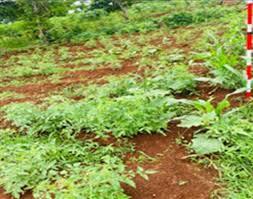 0 Comments 0 Shares 779 Views 0 Reviews
-
Agbamere is an autonomous community and a village in the Eha-Alumona district of Nsukka Local Government Area, Enugu State, Nigeria. Situated in the southeastern region, the community traces its historical roots to the greater Arụmọna lineages and is deeply rooted in traditional Igbo culture.
THE HISTORY OF AGBAMERE: THE HOME OF WARRIORS AND CITY OF THE RISING SUN
Read to know more: https://ifeanyidre.blogspot.com
#AgbamereNsukka #NsukkaCommunities #CommunityDevelopment #IgboHeritage #RuralDevelopment #DiasporaImpact #Agriculture #EnuguState #AutonomousCommunities #SustainableGrowthAgbamere is an autonomous community and a village in the Eha-Alumona district of Nsukka Local Government Area, Enugu State, Nigeria. Situated in the southeastern region, the community traces its historical roots to the greater Arụmọna lineages and is deeply rooted in traditional Igbo culture. THE HISTORY OF AGBAMERE: THE HOME OF WARRIORS AND CITY OF THE RISING SUN Read to know more: https://ifeanyidre.blogspot.com #AgbamereNsukka #NsukkaCommunities #CommunityDevelopment #IgboHeritage #RuralDevelopment #DiasporaImpact #Agriculture #EnuguState #AutonomousCommunities #SustainableGrowth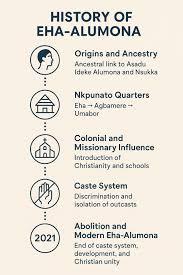 0 Comments 0 Shares 821 Views 0 Reviews
More Stories

Autonomous Communities
https://autonomouscommunities.com