


================================================================================
🏡 EHA-AZUABOR AUTONOMOUS COMMUNITY
A Full Community Intelligence & Development Profile
================================================================================
📍 Location : Nsukka Local Government Area, Enugu State, Nigeria
🌍 Region : South-East Nigeria | Northern Igboland | Nsukka Cultural Zone
🗺️ Area : Eha-Alumona Corridor, Nsukka LGA
📄 Profile : Prepared for AutonomousCommunities.com
📅 Edition : 2024 / 2025
================================================================================
"A profile prepared for residents, diaspora, visitors, investors,
NGOs, government agencies, researchers, and development partners."
================================================================================
━━━━━━━━━━━━━━━━━━━━━━━━━━━━━━━━━━━━━━━━━━━━━━━━━━━━━━━━━━━━━━━━━━━━━━━━━━━━━━
✨ OPENING SUMMARY
━━━━━━━━━━━━━━━━━━━━━━━━━━━━━━━━━━━━━━━━━━━━━━━━━━━━━━━━━━━━━━━━━━━━━━━━━━━━━━
Eha-Azuabor Autonomous Community is a proud, deeply rooted agrarian community
in the Eha-Alumona corridor of Nsukka LGA, Enugu State — a place where the
ancient rhythms of Igbo culture, the discipline of the soil, and the resilience
of a close-knit people have shaped an identity that endures across generations
and across oceans.
━━━━━━━━━━━━━━━━━━━━━━━━━━━━━━━━━━━━━━━━━━━━━━━━━━━━━━━━━━━━━━━━━━━━━━━━━━━━━━
📜 SECTION 1: HISTORY & ORIGIN
━━━━━━━━━━━━━━━━━━━━━━━━━━━━━━━━━━━━━━━━━━━━━━━━━━━━━━━━━━━━━━━━━━━━━━━━━━━━━━
🌳 ANCESTRAL ROOTS & NAME MEANING
────────────────────────────────────────────────────────────────────────────────
Eha-Azuabor takes its name from two deeply meaningful words in the Nsukka-Igbo
dialect. "Ehe" (also rendered "Eha" in various transliterations) refers to a
gathering place, a community focal point, or in its most common usage, a
market — signifying that this community was historically a place where people
came together, traded, and formed bonds of kinship and commerce. "Azabor"
(also written as "Azuabor") is the ancestral name believed to refer to either
the founding lineage or the geographic character of the land — a name
whispered down through generations, preserved in the mouths of elders who
know that a people without their name are a people without their spine.
Together, "Eha-Azuabor" can be understood to mean something close to
"the gathering place of the Azabor people" — a community named not just
for its geography but for its people and their bond to one another.
🏛️ FOUNDING NARRATIVE & MIGRATION STORY
────────────────────────────────────────────────────────────────────────────────
Like many communities across the Nsukka cultural zone, Eha-Azuabor traces its
origins to the broader Igbo settlement patterns of northern Igboland. Oral
tradition — the living library of Nsukka communities — holds that the founding
ancestors of Eha-Azuabor were part of the great wave of Igbo migrations that
populated the Nsukka Plateau and its surrounding highlands centuries ago.
Archaeological evidence from the wider Nsukka area confirms that human
habitation here stretches back to around 2,500 BCE, giving the entire region
one of the deepest roots of civilization in Igboland.
The community sits in the Eha-Alumona corridor, an area closely linked by
oral history to the ancestral grouping of communities that share common roots
with Nsukka, Obukpa, and Okpuje — communities said to descend from the
legendary ancestors "Asadu Ideke Alumona." Eha-Azuabor, along with sister
communities Agu-Umabor, Breme, Eha-Ndiagu, and Ezebuanagu, forms part of
a cluster of settlements in this fertile but sometimes rugged highland
landscape of Nsukka LGA.
📌 NOTE: Specific detailed founding oral accounts for Eha-Azuabor are not
comprehensively documented in available public records. This profile encourages
community leaders, elders, and the Eha-Azuabor Development Union to commission
a formal oral history project to capture and preserve founding narratives
before they are lost.
🏘️ AUTONOMY JOURNEY
────────────────────────────────────────────────────────────────────────────────
Eha-Azuabor holds recognition as an Autonomous Community under Enugu State's
administrative structure — a status that grants it a formal traditional ruler
(Igwe), a recognised town union, and a defined administrative identity within
Nsukka LGA. The journey to autonomous status reflects the community's
determination to govern itself according to its own traditions while
participating fully in the wider structures of local and state governance.
This status places Eha-Azuabor among a growing number of communities in
Nsukka LGA that have won institutional recognition for their distinct cultural
and social identity — a hard-won victory that speaks to the advocacy of
community leaders, diaspora members, and the will of the people themselves.
━━━━━━━━━━━━━━━━━━━━━━━━━━━━━━━━━━━━━━━━━━━━━━━━━━━━━━━━━━━━━━━━━━━━━━━━━━━━━━
🤝 SECTION 2: COMMUNITY IDENTITY & LIFESTYLE
━━━━━━━━━━━━━━━━━━━━━━━━━━━━━━━━━━━━━━━━━━━━━━━━━━━━━━━━━━━━━━━━━━━━━━━━━━━━━━
💪 CORE VALUES & CHARACTER
────────────────────────────────────────────────────────────────────────────────
The people of Eha-Azuabor carry the values common to the Nsukka Igbo
character — a blend of industry, communal loyalty, respect for age, and a
fiercely independent spirit. They are, above all else, a farming people:
men and women who understand that the earth is not just an economic resource
but a sacred relationship between the living, the dead, and the unborn.
Key community values include:
🌾 Hard work and self-reliance — "Onye wetara oji wetara ndu"
(He who brings kola brings life — an expression of hospitality
and the dignity of contribution)
👨👩👧👦 Family and kinship solidarity — the extended family (umunna) is the
basic unit of social life, security, and identity
🧓 Respect for elders — the Onyishi (eldest man of a village) commands
natural authority rooted in wisdom, not just age
🤲 Communal effort (Ọbịa) — community projects are achieved through
collective labour, shared resources, and mutual accountability
🕊️ Peace over conflict — disputes are resolved through dialogue,
traditional mediation, and communal consensus before escalation
🏠 FAMILY STRUCTURE & SOCIAL LIFE
────────────────────────────────────────────────────────────────────────────────
The family in Eha-Azuabor is an extended kinship structure. A man's household
(ụlọ) is part of a family group (umunna), which is part of a kindred (ụmụnna
ukwu), and ultimately part of a village and community. This layered identity
means that no one is ever truly alone — but also that every person carries the
honour and responsibility of their people.
Women form the backbone of daily life: managing households, farming their
own plots, trading at local markets, and playing central roles in cultural
ceremonies. The "Umuada" (daughters of the community, including those married
elsewhere) hold a revered and powerful social position — their collective
voice carries weight in decisions that affect the community, including matters
of land, marriage, and justice.
Children are raised communally. Neighbours correct, celebrate, and protect
each other's children. An elder from any part of the community may discipline
or encourage a child — this is not intrusion; it is culture.
━━━━━━━━━━━━━━━━━━━━━━━━━━━━━━━━━━━━━━━━━━━━━━━━━━━━━━━━━━━━━━━━━━━━━━━━━━━━━━
👑 SECTION 3: GOVERNANCE & LEADERSHIP
━━━━━━━━━━━━━━━━━━━━━━━━━━━━━━━━━━━━━━━━━━━━━━━━━━━━━━━━━━━━━━━━━━━━━━━━━━━━━━
🏅 TRADITIONAL RULER (IGWE / EZE)
────────────────────────────────────────────────────────────────────────────────
As an Autonomous Community, Eha-Azuabor has a formally recognised traditional
ruler — the Igwe (or Eze) — who serves as the ceremonial and customary
head of the community. The Igwe presides over traditional matters, mediates
disputes, represents the community before the Nsukka LGA and Enugu State
government, and is custodian of the community's cultural heritage.
📌 NOTE: The name and tenure details of the current Igwe of Eha-Azuabor are
not available in publicly accessible records at the time of this profile.
Community leaders are encouraged to update this information on their profile
page at AutonomousCommunities.com.
🏛️ GOVERNANCE STRUCTURES
────────────────────────────────────────────────────────────────────────────────
👴 ONYISHI (Village Elders):
Each village within Eha-Azuabor is headed by the Onyishi — the eldest
man of the village, who represents ancestral continuity and communal
wisdom. The Onyishi council is a powerful advisory body that operates
alongside and sometimes above formal structures.
🏘️ VILLAGE HEADS:
Individual villages have their own administrative heads who coordinate
village-level matters and serve as the first point of contact for
community governance.
🏢 TOWN UNION (Eha-Azuabor DEVELOPMENT UNION / COMMUNITY UNION):
The Town Union is the apex democratically structured body of the
community. It has an elected President-General, Secretary, Treasurer,
and executive committee. The Union organises community development
projects, coordinates responses to government, and serves as a
unifying civic voice.
👩 UMUADA (Daughters' Assembly):
The Umuada — women born into the community, regardless of where they
now live — hold recognised cultural and social authority. They play
roles in marriage processes, burial rites, conflict resolution, and
community moral accountability.
👶 AGE GRADES:
Age-grade associations (groups of men who came of age in the same
period) are a defining feature of Nsukka community organisation.
Age grades take on collective responsibilities for public works,
security, and cultural performances. Membership spans a lifetime
and carries peer accountability.
🌍 DIASPORA LEADERSHIP:
Eha-Azuabor members in Lagos, Abuja, Port Harcourt, the United Kingdom,
the United States, and elsewhere are typically organised through the
Eha-Azuabor Community Association (or equivalents) in their cities.
These diaspora branches raise funds for development projects, sponsor
scholarships, and remain culturally connected through homecoming events
and annual meetings. Formal diaspora structures, where they exist,
operate in parallel to the town union and are represented at general
assemblies.
━━━━━━━━━━━━━━━━━━━━━━━━━━━━━━━━━━━━━━━━━━━━━━━━━━━━━━━━━━━━━━━━━━━━━━━━━━━━━━
🗺️ SECTION 4: VILLAGES & INTERNAL STRUCTURE
━━━━━━━━━━━━━━━━━━━━━━━━━━━━━━━━━━━━━━━━━━━━━━━━━━━━━━━━━━━━━━━━━━━━━━━━━━━━━━
Like most autonomous communities in the Nsukka cultural zone, Eha-Azuabor is
composed of multiple villages, each with its own Onyishi, kindred groups
(Umunna), and family lineages. These villages are the living cells of the
community — each with its own micro-identity, farmland patterns, cultural
ceremonies, and sense of place.
🏘️ The community is typically structured as follows (general Nsukka pattern):
→ Community (Eha-Azuabor Autonomous Community)
→ Villages (multiple, each headed by an Onyishi)
→ Kindreds / Umunna (extended family clusters)
→ Family Compounds (Ụlọ)
📌 NOTE: A comprehensive list of Eha-Azuabor's individual villages, kindreds,
and family lineages is not available in publicly accessible records.
This is one of the most important information gaps to fill. Community leaders,
school teachers, elders, and young people with knowledge of the community's
internal structure are strongly encouraged to document and submit this
information to AutonomousCommunities.com. Mapping villages, kindreds, and
family names is a foundational act of digital preservation.
NEIGHBOURING AUTONOMOUS COMMUNITIES (Same Cluster):
📍 Agu-Umabor Autonomous Community
📍 Breme Autonomous Community
📍 Eha-Ndiagu Autonomous Community
📍 Ezebuanagu Autonomous Community
📍 Eha-Alumona (broader parent community)
━━━━━━━━━━━━━━━━━━━━━━━━━━━━━━━━━━━━━━━━━━━━━━━━━━━━━━━━━━━━━━━━━━━━━━━━━━━━━━
🎭 SECTION 5: CULTURE, FESTIVALS & HERITAGE
━━━━━━━━━━━━━━━━━━━━━━━━━━━━━━━━━━━━━━━━━━━━━━━━━━━━━━━━━━━━━━━━━━━━━━━━━━━━━━
The cultural life of Eha-Azuabor is inseparable from the wider Nsukka-Igbo
cultural heritage — one of the richest and most intact in southeastern Nigeria.
The community participates in a living culture that has survived colonialism,
the civil war, modernisation, and the pressures of urban migration.
🎭 THE OMABE MASQUERADE FESTIVAL
────────────────────────────────────────────────────────────────────────────────
The Omabe (also written Ọmabe) masquerade is the soul of community culture
across the Eha-Alumona corridor and greater Nsukka LGA. It is not merely
entertainment — it is a sacred institution.
The Omabe are believed to embody the spirits of ancestors who return from the
spirit world (Ụwa Mmụọ) to bless, correct, protect, and celebrate with the
living. The festival involves:
🥁 Elaborate drumming traditions that signal the masquerades' approach
🎶 Community-wide ceremonies lasting multiple days
🍽️ Ritual cooking of "ọkpa akụ ụlọ Ọmabe" — sacred food prepared for
the masquerades
🌙 Night ceremonies where the masquerades move through the community
👁️ Strict protocols — women and children observe from a designated
distance, preserving the sacred mystery of the tradition
🌿 Spiritual cleansing and communal renewal
In the Eha-Alumona area, the Omabe festival is a community-wide event that
reaffirms kinship bonds, enforces community norms, and connects the living
to the wisdom of those who came before.
🌾 THE NEW YAM FESTIVAL (IWA JI)
────────────────────────────────────────────────────────────────────────────────
The New Yam Festival — Iwa Ji or Ọnwa Ọsọ — is a cornerstone of Igbo
agrarian culture. In Eha-Azuabor, as in communities across the Nsukka zone,
this festival marks the beginning of the yam harvest season. It is:
🙏 A thanksgiving to Ala (the earth goddess) and the ancestors for a
bountiful harvest
🍠 A ceremony in which the first yam is offered to the spirits before
the community eats
🎉 A joyful community gathering with feasting, dancing, music, and
the reunion of family members from near and far
👗 An occasion for community members to dress in their finest traditional
attire — ishi agu fabrics, George wrappers, and beaded accessories
🎊 OTHER CULTURAL EVENTS & CUSTOMS
────────────────────────────────────────────────────────────────────────────────
MARRIAGE CUSTOMS:
Traditional marriage in Eha-Azuabor follows the Nsukka-Igbo pattern:
→ Introduction visit (Iku Aka) by the groom's family
→ Payment of bride price (Ime Ego / Ịkpọ Ọlụ) negotiated between families
→ Community celebration with wine-carrying ceremony, feasting, and dance
→ The Umuada play a ceremonial role in blessing the union
Marriage is understood as a union of families, not just individuals.
BURIAL & FUNERAL RITES:
Death in Eha-Azuabor is met with community solidarity. A death is
announced communally; neighbours cook, console, and sit with the bereaved.
Burial ceremonies range from simple rites for the young to elaborate
"second burial" (Ikwa Ozu) celebrations for elders who have lived full lives.
The Ikwa Ozu is a celebration — of a life well-lived, of family, of
continuity. Age grades and the Umuada play central roles.
MUSIC & DANCE:
→ Ogene (metallic gong ensemble) and Igba (drum) music are core
to ceremonial life
→ Community dances are performed at festivals, funerals, and cultural events
→ Young people learn traditional dances through age-grade participation
and community ceremonies
FOOD CULTURE:
The kitchen of Eha-Azuabor tells its agricultural story:
🥘 Ofe Onugbu (bitter leaf soup) with yam or pounded yam
🥘 Ofe Ogiri (fermented locust bean soup)
🌿 Ọkpa (bambara nut pudding) — a regional specialty beloved across Nsukka
🍠 Yam in its many forms: pounded (Iji), roasted (Ọjị), boiled, or in
porridge (Ede)
🌴 Palm oil and palm wine (Mmanya Ocha / Ngwo) are cultural staples
TRADITIONAL ATTIRE:
→ Men: Isi agu (lion-head print) fabric with cap (Okpu Agu or Otokoto hat),
or white wrappers for elders; occasionally red coral beads for titled men
→ Women: George wrappers, blouses, head ties (Ichafu); elaborate coral
beads and anklets on ceremonial occasions
→ Young people increasingly blend traditional and modern dress
TABOOS & SACRED PRACTICES:
Like all Nsukka communities, Eha-Azuabor observes specific taboos (Ọmụma)
that govern land use, sacred spaces, certain foods, and behaviour during
festivals. These are enforced through social norms, the Omabe institution,
and elder councils. Specific local taboos are preserved in oral tradition
and should be documented before they are lost.
ORAL HISTORY:
The community possesses a rich oral tradition — in proverbs (Ilu), folktales
(Ifo), lineage histories, and the songs passed down through age grades and
women's groups. These represent an irreplaceable heritage that is urgently
in need of documentation.
━━━━━━━━━━━━━━━━━━━━━━━━━━━━━━━━━━━━━━━━━━━━━━━━━━━━━━━━━━━━━━━━━━━━━━━━━━━━━━
⛪ SECTION 6: RELIGION & FAITH INSTITUTIONS
━━━━━━━━━━━━━━━━━━━━━━━━━━━━━━━━━━━━━━━━━━━━━━━━━━━━━━━━━━━━━━━━━━━━━━━━━━━━━━
The faith life of Eha-Azuabor reflects the spiritual journey common across
Nsukka communities — a landscape where Christianity has become deeply
embedded in community life while elements of traditional cosmology continue
to shape daily practice and community values.
✝️ CHRISTIANITY:
────────────────────────────────────────────────────────────────────────────────
Christianity is the dominant faith in Eha-Azuabor and the broader
Eha-Alumona corridor. The Catholic Church — historically introduced to
Nsukka through the work of Holy Ghost (Spiritan) missionaries — has a
particularly deep presence in this region. Protestant denominations
including Anglican, Methodist, and Pentecostal/evangelical churches
are also active.
Churches in the broader community area likely include:
→ Catholic parish churches (under the Catholic Diocese of Nsukka)
→ Anglican (Church of Nigeria) congregation
→ Various Pentecostal and evangelical fellowships
📌 NOTE: The specific names and locations of churches operating within
Eha-Azuabor are not available in public records. Community members are
invited to update this on AutonomousCommunities.com.
🌿 TRADITIONAL / INDIGENOUS RELIGION:
────────────────────────────────────────────────────────────────────────────────
The traditional cosmology of the Nsukka Igbo centres on:
→ Ala (the earth goddess and moral authority of the land)
→ Chi (personal divine guardian of each person)
→ Ancestral veneration — the belief that the dead continue to influence
and protect the living
→ The Omabe institution as a bridge between the living and the ancestral
world
These beliefs operate alongside and often intertwine with Christian faith.
The earth is sacred; farming is spiritual; birth, marriage, and death are
rites that require both prayer and ancestral acknowledgement.
🕌 ISLAM:
Islam has a limited presence in this community. Available local records
do not indicate a significant Muslim population within Eha-Azuabor
specifically, though the wider Nsukka LGA has some Muslim residents.
🛡️ FAITH AS DEVELOPMENT:
Churches in Eha-Azuabor and surrounding areas historically serve beyond
spiritual functions — they run primary schools, health outreach programmes,
women's groups, and youth fellowships that function as social safety nets
and development institutions. Faith leaders (priests, pastors, catechists)
are among the most influential community voices on development matters.
━━━━━━━━━━━━━━━━━━━━━━━━━━━━━━━━━━━━━━━━━━━━━━━━━━━━━━━━━━━━━━━━━━━━━━━━━━━━━━
💰 SECTION 7: ECONOMY & MARKETPLACE
━━━━━━━━━━━━━━━━━━━━━━━━━━━━━━━━━━━━━━━━━━━━━━━━━━━━━━━━━━━━━━━━━━━━━━━━━━━━━━
🌾 AGRICULTURE — THE ECONOMIC HEARTBEAT
────────────────────────────────────────────────────────────────────────────────
Eha-Azuabor is, at its core, an agrarian community. The economy revolves
around the land — its fertility, its seasons, and the labour of farming
families who have cultivated this highland soil across generations.
PRIMARY CROPS AND PRODUCTS:
🌱 Yam (Ji) — the king of crops; a source of food, income, prestige,
and cultural meaning; yam barns (Ọba Ji) are a sign of prosperity
🌿 Cassava (Akpụ) — widely cultivated for home use and local market sale;
processed into garri (a staple), and fufu
🍃 Cocoyam (Ede) — a nutritious secondary staple grown in family farms
🌿 Vegetables — ugu (pumpkin leaf), onugbu (bitter leaf), waterleaf
🌴 Palm products — palm oil and palm kernel, used locally and sold
🍉 Seasonal fruits and groundnuts (Ahụ Ọjị / Ogiri for fermentation)
FARMING PRACTICES:
→ Small-holder subsistence and semi-commercial farming dominates
→ Women are active farmers managing their own plots alongside domestic
responsibilities
→ Compound farming (growing crops around the homestead) is common
→ Intercropping and crop rotation are practiced through traditional
knowledge systems
→ Limited mechanisation; predominantly hand-tool farming
🛒 TRADE & LOCAL MARKETS
────────────────────────────────────────────────────────────────────────────────
Trading is a vital livelihood for many women and some men in Eha-Azuabor.
The community participates in the Nsukka-area market system, which operates
on the traditional four-day Igbo market cycle (Eke, Orie, Afor, Nkwo).
Key nearby markets include:
🏪 Afor Eha (Eha-Alumona) Market — a major regional market accessible
from the community
🏪 Nsukka Main Market — accessible via road for larger commercial activity
Community trading involves:
→ Foodstuff (yam, garri, palm oil, vegetables) sold at local and regional
markets
→ Petty trading and small retail businesses within the community
→ Women traders who travel to larger markets weekly
⚒️ ARTISANSHIP & SKILLS
────────────────────────────────────────────────────────────────────────────────
The wider Eha-Alumona area has a documented tradition of:
🏺 Pottery — Eha-Alumona women were historically known as skilled potters,
a tradition noted in academic records of the region
⚙️ Metalworking / Blacksmithing — the Nsukka-Alumona corridor is one of
the historically important metalworking zones of Igboland
🧵 Weaving — traditional cloth weaving, though less common today
🪚 Carpentry and general artisanship
📌 The extent to which these traditional crafts survive in Eha-Azuabor
specifically requires local investigation and documentation.
🚐 TRANSPORT & MOBILITY
────────────────────────────────────────────────────────────────────────────────
→ Motorcycles (okada) are the dominant transport mode within the community
and to nearby markets — a reflection of the road access challenges
→ Commercial vehicles (buses, vans) operate on the main Eha-Alumona road
linking to Nsukka town and beyond
→ Access roads within and around the community have historically been
a critical challenge (see Section 12: Challenges)
💼 CIVIL SERVICE & FORMAL EMPLOYMENT
────────────────────────────────────────────────────────────────────────────────
A portion of Eha-Azuabor's population is employed in the public sector:
→ Teachers at local and regional schools
→ Healthcare workers at nearby clinics and hospitals
→ Local government staff
→ University of Nigeria, Nsukka (UNN) provides employment for educated
community members — UNN is approximately within the Nsukka urban area
🌍 DIASPORA ECONOMY & REMITTANCES
────────────────────────────────────────────────────────────────────────────────
The Eha-Azuabor diaspora — spread across Nigeria's major cities and
internationally — plays an increasingly important economic role:
→ Regular remittances to family members at home
→ Funding of school fees, medical expenses, and farm inputs
→ Direct investment in building family homes and small businesses
→ Collective fundraising through diaspora associations for community
infrastructure projects (boreholes, school renovations, roads)
💡 PRODUCTS & SERVICES FOR MARKETPLACE LISTING ON AUTONOMOUSCOMMUNITIES.COM:
────────────────────────────────────────────────────────────────────────────────
The following categories represent viable marketplace opportunities
for Eha-Azuabor businesses and farmers on the platform:
🌾 Fresh Farm Produce: Yam, Cassava/Garri, Palm Oil, Vegetables
🏺 Artisan Products: Traditional pottery, handcrafted items
🍽️ Processed Foods: Palm oil, garri, crayfish, dried goods
🏗️ Construction & Labour: Local skilled tradespeople (masons, carpenters)
🚜 Farm Labour & Services: Seasonal farm hire, land clearing, harvesting
🏠 Land & Property: Community land listings for investors and diaspora
📿 Cultural Items: Traditional attire, beads, festival accessories
🍀 Herbal & Natural Products: Where available and ethically sourced
━━━━━━━━━━━━━━━━━━━━━━━━━━━━━━━━━━━━━━━━━━━━━━━━━━━━━━━━━━━━━━━━━━━━━━━━━━━━━━
🏫 SECTION 8: EDUCATION, HEALTH & INFRASTRUCTURE
━━━━━━━━━━━━━━━━━━━━━━━━━━━━━━━━━━━━━━━━━━━━━━━━━━━━━━━━━━━━━━━━━━━━━━━━━━━━━━
📚 EDUCATION
────────────────────────────────────────────────────────────────────────────────
Education is deeply valued in Eha-Azuabor — a reflection of the broader
Nsukka cultural zone's celebrated tradition of intellectual achievement,
anchored by the University of Nigeria, Nsukka (UNN), which has inspired
generations of families across the LGA to prioritise schooling.
🏫 PRIMARY EDUCATION:
The community is likely served by at least one government primary school.
Enugu State policy ensures every community has access to a state-run
primary school. Local church-affiliated schools may also serve the area.
📌 Specific school names are not available in public records.
🏫 SECONDARY EDUCATION:
Secondary school students typically travel to Eha-Alumona town or
Nsukka urban area for secondary education. Community secondary schools
in nearby communities serve Eha-Azuabor students.
🎓 HIGHER EDUCATION:
The University of Nigeria, Nsukka (UNN) — one of Nigeria's foremost
universities — is accessible to Eha-Azuabor students and has produced
graduates from communities across this LGA. Several Eha-Azuabor indigenes
are likely UNN graduates now serving in professional roles across Nigeria.
📌 GAPS:
→ Access to school infrastructure (classrooms, furniture, books) may
require improvement
→ School dropout rates among girls due to early marriage remain a
challenge across rural Nsukka communities
→ Vocational/skills training for youth who do not pursue formal
education is a critical unmet need
🏥 HEALTHCARE
────────────────────────────────────────────────────────────────────────────────
Healthcare is primarily accessed at facilities in Eha-Alumona town and
the broader Nsukka area. Key regional facilities include:
🏥 Bishop Shanahan Memorial Hospital, Nsukka
🏥 Faith Foundation Hospital, Nsukka
🏥 Eha-Alumona Primary Health Care Centre (PHC) — nearest community-level
facility for the corridor
🏥 University of Nigeria Teaching Hospital (UNTH), Enugu — tertiary
referral centre
📌 HEALTH GAPS:
→ The community likely lacks a dedicated health post or clinic of its
own; residents travel to Eha-Alumona or Nsukka for healthcare
→ Road access challenges delay emergency healthcare response
→ Maternal and child health, malaria prevention, and water-borne
disease management are priority needs
🛣️ ROADS & TRANSPORT INFRASTRUCTURE
────────────────────────────────────────────────────────────────────────────────
Roads are arguably the most critical infrastructure challenge for Eha-Azuabor.
⚠️ KEY DOCUMENTED CHALLENGE:
Eha-Azuabor and its cluster of neighbouring communities (Agu-Umabor,
Breme, Eha-Ndiagu, Ezebuanagu) have been documented as being "largely
cut off from their local government headquarters by erosion and the
available roads are only passable by motorcycles especially during the
rains. The road had been cut off for over 50 years."
— Vanguard News, July 2018
🔧 GOVERNMENT RESPONSE:
In 2018, Enugu State Governor Ifeanyi Ugwuanyi visited the area and
promised road construction for the linking roads, including the
Umabor-Agu Umabor road and Eha-Eha Ndiagu-Mbu-Ikem road. The extent
to which these promises were fulfilled requires local verification.
📌 STATUS: Road conditions as of 2024/2025 need local assessment and
reporting to AutonomousCommunities.com.
⚡ ELECTRICITY
────────────────────────────────────────────────────────────────────────────────
→ Electricity supply to this rural corridor is irregular, typical of
rural communities in Nsukka LGA
→ Solar energy adoption is growing but not yet widespread
→ Community generators are sometimes used for public events and
essential services
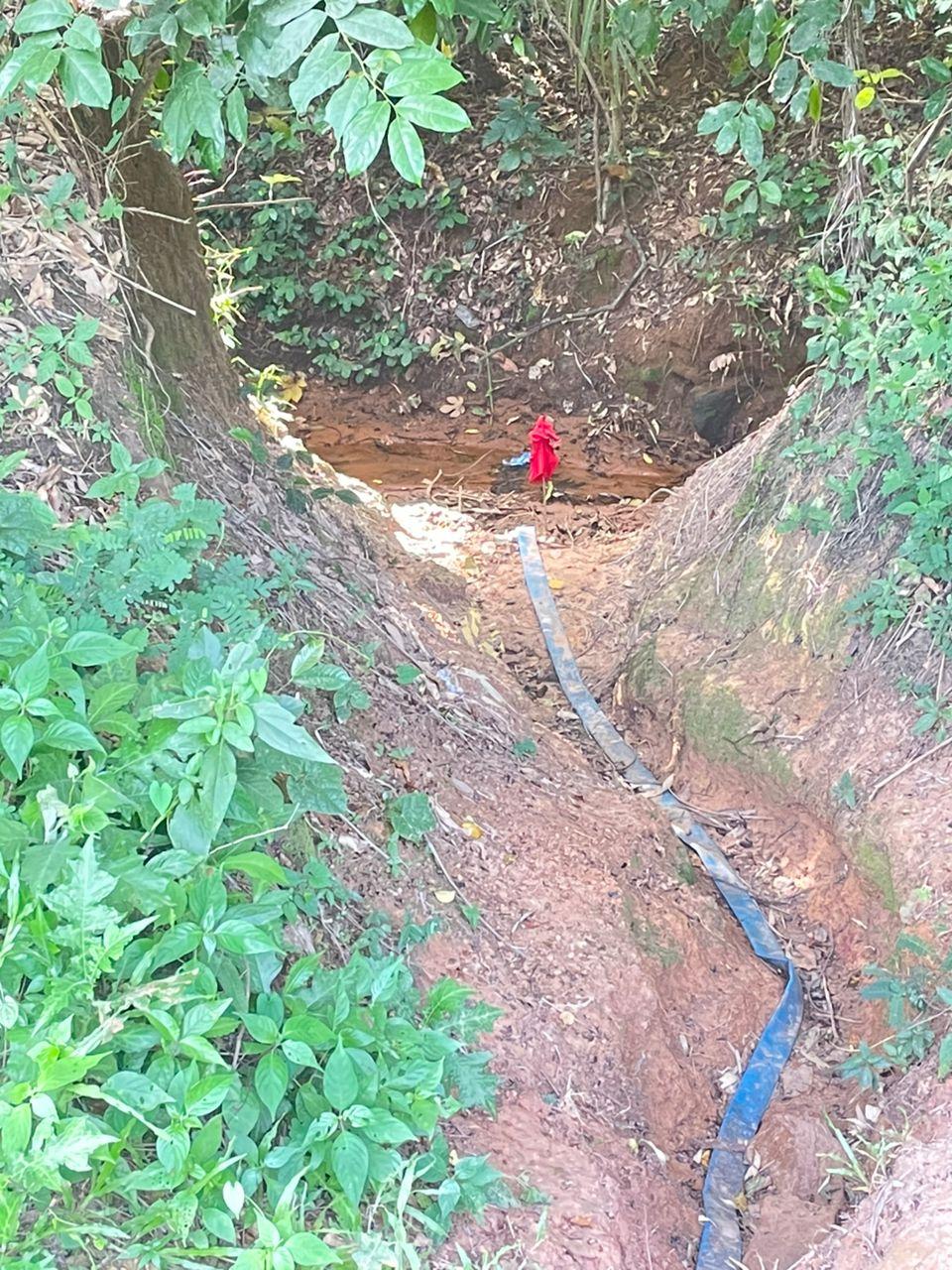
💧 WATER
────────────────────────────────────────────────────────────────────────────────
→ Piped water supply is limited or unavailable in most rural communities
in this corridor
→ Boreholes (some funded by diaspora or NGO projects) serve as the
primary clean water source
→ Stream water and rain-harvesting are backup sources
→ Water quality and availability are ongoing concerns, especially in
dry seasons
📶 INTERNET & TELECOMMUNICATIONS
────────────────────────────────────────────────────────────────────────────────
→ Mobile phone penetration is significant; smartphones are common
among youth and working adults
→ MTN, Airtel, and Glo networks provide coverage, though reliability
varies within the community
→ High-speed broadband internet is not widely available; mobile data
is the primary internet access method
→ Digital literacy among older residents is limited; youth are more
digitally capable
━━━━━━━━━━━━━━━━━━━━━━━━━━━━━━━━━━━━━━━━━━━━━━━━━━━━━━━━━━━━━━━━━━━━━━━━━━━━━━
🛡️ SECTION 9: SECURITY, POPULATION & DIASPORA
━━━━━━━━━━━━━━━━━━━━━━━━━━━━━━━━━━━━━━━━━━━━━━━━━━━━━━━━━━━━━━━━━━━━━━━━━━━━━━
🔒 SECURITY & COMMUNITY SAFETY
────────────────────────────────────────────────────────────────────────────────
Eha-Azuabor is a predominantly rural community that generally benefits from
the low crime environment typical of close-knit farming villages in the
Nsukka zone. The social fabric of communal living — where everyone knows
their neighbours, extended families are visible and accountable, and elders
command moral authority — serves as a natural crime deterrent.
→ COMMUNITY POLICING: Age grades and village councils informally police
the community, mediate disputes, and address antisocial behaviour
→ TRADITIONAL JUSTICE: The Igwe, Onyishi councils, and family heads
resolve most disputes internally through restorative dialogue
→ FORMAL SECURITY: The nearest police post and security infrastructure
would be in Eha-Alumona or Nsukka urban area
→ CHALLENGES: Road isolation can slow emergency response times;
vigilance around farm land security (particularly during harvest)
is an ongoing community concern
→ REGIONAL CONTEXT: Nsukka LGA, like much of Enugu State, has experienced
some insecurity related to broader regional tensions in recent years.
Communities in the LGA have strengthened vigilance and community
watch structures accordingly.
👥 POPULATION
────────────────────────────────────────────────────────────────────────────────
📌 POPULATION DATA NOTE:
Specific population figures for Eha-Azuabor Autonomous Community are not
available in public records. The 2006 Nigerian census placed Nsukka LGA's
total population at approximately 309,633 persons (with a 2024 estimated
figure likely significantly higher). Eha-Azuabor, as a smaller autonomous
community within the Eha-Alumona corridor, would represent a fraction of
this total.
GENERAL DEMOGRAPHIC PROFILE (based on community type):
→ A youthful population — Nigeria's median age is approximately 18 years;
rural Nsukka communities reflect this demographic reality
→ Significant outmigration by educated youth to Nsukka town, Enugu,
Lagos, Abuja, and internationally
→ An ageing resident population as younger adults leave for opportunities
→ Seasonal return patterns — families reunite for festivals, farming
seasons, and major ceremonies
🌍 DIASPORA
────────────────────────────────────────────────────────────────────────────────
The diaspora is not Eha-Azuabor's absence — it is Eha-Azuabor's reach.
INTERNAL DIASPORA (Within Nigeria):
→ Nsukka town (academic and civil service employment)
→ Enugu city (state capital, commercial hub)
→ Lagos (Nigeria's commercial capital; large Nsukka community)
→ Abuja (FCT; government workers, professionals)
→ Port Harcourt, Onitsha, Aba (trade and commerce)
INTERNATIONAL DIASPORA:
→ United Kingdom (significant Igbo/Nsukka community)
→ United States (professional and academic diaspora)
→ Ireland, Canada, Germany, South Africa, and other countries
DIASPORA ROLES:
→ Financial remittances to family members at home
→ Infrastructure funding (boreholes, school improvements, community halls)
→ Advocacy with government and NGOs on behalf of the community
→ Scholarship sponsorship for younger community members
→ Preserving cultural identity through diaspora associations, events,
and cultural celebrations in their host cities
HOMECOMING EVENTS:
→ Christmas and New Year periods are the primary homecoming season —
when the community fills with returning sons and daughters
→ Major festivals (New Yam, Omabe) also draw diaspora home
→ Community Day events, when organised, serve as structured homecoming
and development planning occasions
━━━━━━━━━━━━━━━━━━━━━━━━━━━━━━━━━━━━━━━━━━━━━━━━━━━━━━━━━━━━━━━━━━━━━━━━━━━━━━
🏛️ SECTION 10: GOVERNMENT, NGO & DEVELOPMENT RELEVANCE
━━━━━━━━━━━━━━━━━━━━━━━━━━━━━━━━━━━━━━━━━━━━━━━━━━━━━━━━━━━━━━━━━━━━━━━━━━━━━━
📋 LGA & STATE GOVERNMENT RELEVANCE
────────────────────────────────────────────────────────────────────────────────
→ Eha-Azuabor falls under NSUKKA LOCAL GOVERNMENT AREA — one of the
17 LGAs of Enugu State and one of the state's most historically
significant areas
→ Enugu State is administered under Governor Dr. Peter Mbah (PDP),
whose administration has outlined ambitious infrastructure and
economic development targets including road improvements and
agricultural investment
→ The community's documented road access challenges — recorded in
mainstream media as far back as 2018 — qualify it for targeted
infrastructure intervention under both LGA and state budgets
→ The community participates in the Eha-Alumona ward of the electoral
structure, giving it political representation at the LGA and state
assembly level
🤝 NGO & DEVELOPMENT PARTNER RELEVANCE
────────────────────────────────────────────────────────────────────────────────
Eha-Azuabor's development profile aligns with the mandates of multiple
categories of NGOs and development partners:
🌾 AGRICULTURE NGOS & DONORS:
→ IFAD, FAO, Bill & Melinda Gates Foundation, GIZ, and other
agricultural development partners working in smallholder farming,
food security, and agri-value chain development have active
programmes in Enugu State and Nsukka LGA
🩺 HEALTH NGOS:
→ Maternal and child health, primary healthcare strengthening,
and water/sanitation (WASH) programmes (UNICEF, WHO, MSF,
local NGOs) are all relevant to this community's documented needs
🚰 WATER & SANITATION:
→ WaterAid, UNICEF WASH, and state government WASH programmes
have mandates directly applicable to Eha-Azuabor's water needs
📚 EDUCATION:
→ UNICEF child education, Forum for African Women Educationalists
(FAWE), and local foundations funding rural school improvement
🌐 DIGITAL INCLUSION:
→ Partners promoting digital literacy, rural internet access,
and digital marketplace platforms for rural communities
🎯 SDG ALIGNMENT
────────────────────────────────────────────────────────────────────────────────
Eha-Azuabor's needs and opportunities map directly onto multiple
Sustainable Development Goals:
🎯 SDG 1 — No Poverty: Rural employment and income generation
🎯 SDG 2 — Zero Hunger: Agricultural development, food security
🎯 SDG 3 — Good Health: Rural healthcare access, maternal health
🎯 SDG 4 — Quality Education: Rural school improvement, skills training
🎯 SDG 6 — Clean Water: Borehole access, WASH infrastructure
🎯 SDG 8 — Decent Work: Youth employment, agri-enterprise
🎯 SDG 9 — Infrastructure: Rural roads, connectivity
🎯 SDG 11 — Sustainable Communities: Autonomous community governance
🎯 SDG 17 — Partnerships: Diaspora engagement, government-NGO cooperation
━━━━━━━━━━━━━━━━━━━━━━━━━━━━━━━━━━━━━━━━━━━━━━━━━━━━━━━━━━━━━━━━━━━━━━━━━━━━━━
⚡ SECTION 11: CHALLENGES & OPPORTUNITIES
━━━━━━━━━━━━━━━━━━━━━━━━━━━━━━━━━━━━━━━━━━━━━━━━━━━━━━━━━━━━━━━━━━━━━━━━━━━━━━
🚧 CHALLENGES
────────────────────────────────────────────────────────────────────────────────
These are real, honest, documented challenges — not presented to diminish
the community, but to name what the community already knows, so that
solutions can be pursued with clarity and urgency.
🛣️ ROADS & ACCESS:
The most critical challenge. The community corridor has been
documented as largely cut off due to erosion. Poor roads limit market
access, healthcare response, school attendance, and economic activity.
Every other development challenge is made worse by this isolation.
💼 UNEMPLOYMENT & YOUTH LIVELIHOODS:
Limited formal employment opportunities drive youth outmigration.
Those who remain often rely solely on subsistence farming without
access to agri-enterprise tools, financing, or markets.
🏥 HEALTHCARE ACCESS:
No dedicated health facility in the community; residents travel to
Eha-Alumona or Nsukka. Emergency medical situations are compromised
by road conditions.
💧 WATER & SANITATION:
Limited piped water; dependence on boreholes and natural water
sources. Water quality during rainy season is a concern.
📶 INTERNET & DIGITAL EXCLUSION:
Limited reliable broadband connectivity. Digital illiteracy among
older residents. The community is largely absent from the digital
economy, online markets, and digital public discourse.
📚 EDUCATIONAL GAPS:
Limited vocational training options; risk of girl-child dropout;
shortage of quality secondary school facilities in immediate proximity.
🛡️ SECURITY:
Road isolation affects emergency response. Broader regional insecurity
context in Enugu State requires community vigilance.
📋 INSTITUTIONAL VISIBILITY:
Eha-Azuabor currently has a minimal online presence. It is not easily
findable by NGOs, investors, researchers, or government planners
seeking community data — meaning it misses out on opportunities
that better-documented communities capture.
🌧️ EROSION & ENVIRONMENTAL DEGRADATION:
Gully erosion — a widespread challenge across Enugu State — has
directly caused road destruction and threatens farmland.
🌟 OPPORTUNITIES
────────────────────────────────────────────────────────────────────────────────
🌾 AGRICULTURE & AGRI-ENTERPRISE:
→ The community's fertile land, established farming knowledge, and
position in the Nsukka zone presents strong opportunities for:
cassava processing (garri factories), yam export aggregation,
palm oil value addition, and vegetable production for Nsukka's
growing urban market
→ Climate-smart farming methods and improved seed varieties could
significantly increase yields and incomes
🌍 DIASPORA DEVELOPMENT PROJECTS:
→ A well-organised community profile on AutonomousCommunities.com
would enable diaspora members to fund specific verified projects —
boreholes, school renovations, road patching, health post
construction — with transparency and accountability
🏺 CULTURAL TOURISM:
→ The Omabe masquerade, New Yam Festival, and traditional crafts
present genuine cultural tourism opportunities, particularly for
academic, heritage, and experiential tourism from the UNN community
and diaspora visitors
📱 DIGITAL MARKETPLACE:
→ With a community profile, Eha-Azuabor farmers, traders, and
artisans can list products on AutonomousCommunities.com, connecting
with urban buyers, diaspora customers, and institutional purchasers
🎓 SKILLS TRAINING & YOUTH ENTERPRISE:
→ NGO-funded vocational training in carpentry, tailoring, electronics
repair, digital skills, and agro-processing could transform youth
livelihoods without requiring relocation
👩 WOMEN'S COOPERATIVES:
→ Women's farming and trading cooperatives, supported by microfinance
institutions (including Bank of Agriculture and private MFIs),
could multiply income and market access for Eha-Azuabor women
🤝 GOVERNMENT PARTNERSHIP:
→ Active engagement with the Enugu State government's infrastructure
programme and the Nsukka LGA development office can unlock road
construction, health post funding, and school improvement grants
📡 CONNECTIVITY:
→ As Nigeria's rural connectivity agenda expands, communities with
documented needs and active development profiles are better
positioned to receive fibre or solar-powered internet infrastructure
━━━━━━━━━━━━━━━━━━━━━━━━━━━━━━━━━━━━━━━━━━━━━━━━━━━━━━━━━━━━━━━━━━━━━━━━━━━━━━
💻 SECTION 12: AUTONOMOUS COMMUNITIES DIGITAL PROFILE
━━━━━━━━━━━━━━━━━━━━━━━━━━━━━━━━━━━━━━━━━━━━━━━━━━━━━━━━━━━━━━━━━━━━━━━━━━━━━━
AutonomousCommunities.com is a digital home for communities like Eha-Azuabor —
a platform built to make communities visible, connected, and empowered in
the digital age.
Here is how Eha-Azuabor can use every feature of the platform:
🌐 COMMUNITY PROFILE PAGE:
→ A dedicated, permanent, searchable web presence for Eha-Azuabor
→ Includes history, leadership, culture, photos, maps, and contacts
→ Searchable by investors, NGOs, researchers, and government agencies
→ Acts as a digital passport for the community
👥 COMMUNITY GROUP:
→ A members-only or open community group for residents, diaspora,
and friends of Eha-Azuabor
→ Share news, discuss development issues, coordinate projects,
and celebrate community achievements
🛒 MARKETPLACE:
→ Farmers list yam, garri, palm oil, and seasonal produce
→ Artisans list traditional crafts, woven items, and pottery
→ Service providers (carpenters, masons, drivers) list their services
→ Connect with buyers in Nsukka, Enugu, Lagos, and the diaspora
📅 EVENTS:
→ Announce Omabe Festival dates, New Yam celebrations, community
meetings, homecoming events, and development forums
→ Diaspora can plan return visits around community events
→ NGOs and researchers can plan field visits
📢 ANNOUNCEMENTS:
→ Official community announcements from the Igwe's palace, Town Union,
or development committee reach all registered community members
👑 LEADERSHIP VISIBILITY:
→ The Igwe, Town Union President-General, and other leaders have
verified profile pages
→ Institutional credibility for government and NGO engagement
🌍 DIASPORA ENGAGEMENT TOOLS:
→ Diaspora members register their branch associations
→ Remittance campaigns for specific community projects
(e.g. "Build Eha-Azuabor Health Post — ₦5M Goal")
→ Voting and polling on community priorities
📊 PROJECT TRACKING:
→ Community development projects (borehole, school, road) are
publicly tracked: target, progress, funds raised, completion status
→ Donors (diaspora, NGOs, government) can see how funds are used
→ Accountability builds trust; trust builds more investment
🧠 INTELLIGENCE DASHBOARD:
→ Community data (population estimates, school numbers, health
indicators, economic activity) is aggregated and updated
→ Provides the evidence base that NGOs, government, and researchers
need to engage the community seriously
━━━━━━━━━━━━━━━━━━━━━━━━━━━━━━━━━━━━━━━━━━━━━━━━━━━━━━━━━━━━━━━━━━━━━━━━━━━━━━
🤲 SECTION 13: WHO SHOULD ENGAGE?
━━━━━━━━━━━━━━━━━━━━━━━━━━━━━━━━━━━━━━━━━━━━━━━━━━━━━━━━━━━━━━━━━━━━━━━━━━━━━━
This profile is a living invitation. Here is who Eha-Azuabor needs — and
what each of them can do:
🏠 RESIDENTS:
Register on the platform. Share your village. Update your community's
data. Your local knowledge is irreplaceable.
🌍 DIASPORA MEMBERS:
Connect your diaspora association. Fund a specific project. Return
for homecoming. Your skills and resources can change things at home.
👑 TRADITIONAL LEADERS:
Verify your leadership profile. Issue official announcements. Partner
with development organisations. Your credibility opens institutional doors.
🌾 FARMERS:
List your produce on the marketplace. Join cooperative groups.
Access better prices and broader markets.
🛍️ BUSINESSES & TRADERS:
Create a business listing. Reach diaspora and urban customers.
Grow beyond the local market.
👩 WOMEN'S & YOUTH GROUPS:
Register your group. Access NGO partnership opportunities.
Publish your development proposals.
🏥 NGOS & INTERNATIONAL PARTNERS:
Use this profile to verify community needs, identify leadership
contacts, plan field engagement, and track your own projects' impact.
🏛️ GOVERNMENT AGENCIES:
Access community-level data for development planning. Verify
community leadership. Respond to documented needs more efficiently.
💰 INVESTORS:
Identify land, labour, and market opportunities in an
authenticated community profile.
🔬 RESEARCHERS & ACADEMICS:
Access community data, cultural documentation, and leadership
contacts for field research, particularly relevant to UNN scholars.
🎭 CULTURAL ORGANISATIONS:
Document, promote, and partner with the community for heritage
preservation, festival promotion, and cultural tourism.
━━━━━━━━━━━━━━━━━━━━━━━━━━━━━━━━━━━━━━━━━━━━━━━━━━━━━━━━━━━━━━━━━━━━━━━━━━━━━━
⭐ SECTION 14: STRENGTHS & IMPROVEMENT AREAS
━━━━━━━━━━━━━━━━━━━━━━━━━━━━━━━━━━━━━━━━━━━━━━━━━━━━━━━━━━━━━━━━━━━━━━━━━━━━━━
💪 TOP STRENGTHS
────────────────────────────────────────────────────────────────────────────────
✅ RICH CULTURAL HERITAGE — the Omabe masquerade, Iwa Ji, and Nsukka-Igbo
traditions represent a living cultural treasury
✅ AUTONOMOUS STATUS — formal recognition provides a governance
platform and institutional credibility
✅ AGRICULTURAL LAND & KNOWLEDGE — fertile highland land, generations of
farming expertise, and diverse crop production
✅ COMMUNITY SOLIDARITY — strong kinship networks, active age grades,
Umuada power, and communal decision-making traditions
✅ PROXIMITY TO UNN — the University of Nigeria, Nsukka provides an
intellectual resource, a market, and an employment base for
community members
✅ ACTIVE DIASPORA NETWORK — community members spread across Nigeria and
globally, with demonstrated willingness to contribute to development
✅ YOUTH POPULATION — a large, energetic young demographic represents
human capital waiting for empowering opportunities
✅ STRATEGIC LOCATION — within the Nsukka LGA growth corridor and the
Eha-Alumona zone historically important for crafts and agriculture
✅ SPIRITUAL RESILIENCE — strong faith institutions and a tradition of
hope, endurance, and communal trust in the face of adversity
🔧 REALISTIC IMPROVEMENT AREAS
────────────────────────────────────────────────────────────────────────────────
🔧 ROADS — the single most urgent infrastructure priority; continued
advocacy and diaspora/government funding are essential
🔧 DIGITAL VISIBILITY — the community has almost no online presence;
building a verified digital profile is a foundational step
🔧 DOCUMENTATION — oral histories, village maps, community records, and
cultural knowledge urgently need formal documentation before
they are lost
🔧 HEALTH INFRASTRUCTURE — a dedicated health post or community clinic
would transform healthcare access
🔧 YOUTH SKILLS & ENTERPRISE — vocational training pathways and small
enterprise support are needed to keep youth productively engaged
at home
🔧 WATER ACCESS — sustainable borehole maintenance and WASH education
are priority needs
🔧 WOMEN'S ECONOMIC EMPOWERMENT — formalising women's cooperatives and
connecting them to microfinance would unlock significant economic
potential
🔧 COMMUNITY DATA — population figures, school enrolment data, health
indicators, and economic baselines are all poorly documented
━━━━━━━━━━━━━━━━━━━━━━━━━━━━━━━━━━━━━━━━━━━━━━━━━━━━━━━━━━━━━━━━━━━━━━━━━━━━━━
📊 SECTION 15: OVERALL RATING — COMMUNITY DEVELOPMENT SCORECARD
━━━━━━━━━━━━━━━━━━━━━━━━━━━━━━━━━━━━━━━━━━━━━━━━━━━━━━━━━━━━━━━━━━━━━━━━━━━━━━
Each dimension is rated out of 10. Ratings reflect honest, balanced
assessment based on available data and community context, with comparisons
to Nsukka LGA norms.
DIMENSION │ RATING │ NOTES
───────────────────────────────┼──────────┼────────────────────────────────
🎭 Cultural Identity │ 8/10 │ Strong, living cultural
│ │ traditions; Omabe, Iwa Ji,
│ │ Nsukka-Igbo dialect intact
───────────────────────────────┼──────────┼────────────────────────────────
👑 Governance │ 6/10 │ Autonomous status is a strong
│ │ base; formal governance
│ │ structures present but
│ │ documentation is limited
───────────────────────────────┼──────────┼────────────────────────────────
💰 Economy │ 5/10 │ Agricultural base is solid
│ │ but underdeveloped; limited
│ │ market access; informal
│ │ economy dominates
───────────────────────────────┼──────────┼────────────────────────────────
💻 Digital Readiness │ 3/10 │ Low online visibility; mobile
│ │ phone access is improving but
│ │ digital tools are minimally
│ │ used for development
───────────────────────────────┼──────────┼────────────────────────────────
🌍 Diaspora Strength │ 6/10 │ Evident diaspora presence in
│ │ Nigerian cities and abroad;
│ │ remittances and support exist
│ │ but could be more structured
───────────────────────────────┼──────────┼────────────────────────────────
👶 Youth Opportunity │ 4/10 │ Young population exists but
│ │ faces outmigration pressure;
│ │ limited local enterprise
│ │ pathways for youth
───────────────────────────────┼──────────┼────────────────────────────────
🛣️ Infrastructure │ 3/10 │ Roads remain critically
│ │ inadequate; electricity and
│ │ water access are limited;
│ │ real but documented challenge
───────────────────────────────┼──────────┼────────────────────────────────
🛡️ Security │ 6/10 │ Relatively peaceful rural
│ │ community; social fabric
│ │ is strong; road isolation
│ │ complicates emergency response
───────────────────────────────┼──────────┼────────────────────────────────
🌱 Development Potential │ 8/10 │ Agriculture, cultural tourism,
│ │ diaspora capital, and digital
│ │ marketplace — all high-potential
│ │ if infrastructure barriers
│ │ are addressed
───────────────────────────────┼──────────┼────────────────────────────────
🤝 Institutional Partnership │ 6/10 │ Autonomous status and SDG
Potential │ │ alignment make it credible for
│ │ partnership; documentation and
│ │ digital visibility would
│ │ significantly improve score
───────────────────────────────┼──────────┼────────────────────────────────
⭐ COMPOSITE SCORE │ 5.5/10 │ A community with deep roots,
│ │ real potential, and specific
│ │ actionable gaps
───────────────────────────────┴──────────┴────────────────────────────────
━━━━━━━━━━━━━━━━━━━━━━━━━━━━━━━━━━━━━━━━━━━━━━━━━━━━━━━━━━━━━━━━━━━━━━━━━━━━━━
🌟 CLOSING STATEMENT
━━━━━━━━━━━━━━━━━━━━━━━━━━━━━━━━━━━━━━━━━━━━━━━━━━━━━━━━━━━━━━━━━━━━━━━━━━━━━━
"Overall, Eha-Azuabor Autonomous Community is best described as a
culturally resilient, agriculturally rooted, and spiritually grounded
highland community in the heart of the Nsukka cultural zone — one
that carries centuries of Igbo heritage in its ceremonies, its soil,
and its people, while facing real and urgent infrastructure challenges
that, if addressed, would unlock a community of extraordinary
development potential. The road to Eha-Azuabor's future runs both
through its unbuilt roads and through the digital connections it
has yet to fully make — and both journeys are worth taking."
━━━━━━━━━━━━━━━━━━━━━━━━━━━━━━━━━━━━━━━━━━━━━━━━━━━━━━━━━━━━━━━━━━━━━━━━━━━━━━
📌 IMPORTANT NOTICE ON DATA AVAILABILITY
━━━━━━━━━━━━━━━━━━━━━━━━━━━━━━━━━━━━━━━━━━━━━━━━━━━━━━━━━━━━━━━━━━━━━━━━━━━━━━
This profile has been prepared using:
✔ Verified information from public sources (news reports, government
records, academic research on the Nsukka cultural zone)
✔ Contextual information from neighbouring and comparable communities
in the Eha-Alumona corridor and Nsukka LGA
✔ General Nsukka-Igbo cultural knowledge sourced from academic
and journalistic records
WHERE SPECIFIC DATA WAS UNAVAILABLE, this document explicitly states
"available local records are limited" and invites community members to
contribute verified information.
THIS PROFILE DOES NOT INVENT SPECIFIC FACTS (names of leaders, school
names, exact population figures, or specific internal village details)
where those facts were not available in public sources.
📬 CONTRIBUTE INFORMATION:
Community members, leaders, and researchers with verified, specific
information about Eha-Azuabor Autonomous Community are warmly invited
to update and enrich this profile on AutonomousCommunities.com.
Your community deserves to be seen. Your story deserves to be told.
This profile is the beginning — the rest is yours to write.
━━━━━━━━━━━━━━━━━━━━━━━━━━━━━━━━━━━━━━━━━━━━━━━━━━━━━━━━━━━━━━━━━━━━━━━━━━━━━━
📚 KEY SOURCES & REFERENCES
━━━━━━━━━━━━━━━━━━━━━━━━━━━━━━━━━━━━━━━━━━━━━━━━━━━━━━━━━━━━━━━━━━━━━━━━━━━━━━
→ Vanguard News (2018): "Ugwuanyi rekindles hope of villagers with
promise of road construction" — documenting Ehe-Azuabor (Eha-Azuabor)
and neighbouring communities' road challenges
→ Media Nigeria: "List of Towns and Villages in Nsukka LGA, Enugu State"
— listing Azuabor in Eha-Ndiagu district of Nsukka LGA
→ Ou Travel & Tour (2025): "The Nsukka People: A Journey Through
Time and Tradition" — cultural and historical context
→ ThisDayLive (2018): "Double Blessing for Eha-Etiti as Autonomous
Community Welcomes New Monarch" — context on autonomous community
processes in Eha-Alumona corridor
→ Tobe Eze (2018): "A Hermeneutical Analysis of Omabe Masquerade in
Eha-Alumona Town of Nsukka LGA, Enugu State" — detailed cultural
documentation of the Omabe tradition
→ Ozi Ikòrò (2025): "Nsukka: The Brain Capital and Cultural Beacon
of the Igbo People" — economic and cultural context
→ Flickr / JujuFilms: Eha-Alumona oral history documentation — ancestral
origin connections between Nsukka, Obukpa, and Eha communities
→ Wikipedia: Ede-Enu, Nru Nsukka, Ezema Nru, Nsukka, Enugu State,
Archaeology of Nsukka — structural and governance context
→ Ugwuanyi Martins (Scribd, 2024): "Cultural Heritage" — Eha-Alumona
community cultural heritage documentation
================================================================================
Prepared for AutonomousCommunities.com
Community Profile Series | Nsukka LGA | Enugu State | Nigeria
© 2024 / 2025 — Profile Edition 1.0
"Every community has a story worth telling. This is Eha-Azuabor's."
================================================================================
1. Charles Ugwu - Executive Director Autonomous Communities (May 2026)
2. Odinaka Mojekwu - Program Director Autonomous Communities (May 2026)
3. Henry Ugwunnadi - Field Manager Autonomous Communities (May 2026)
4. Benedicta Afokhai - Project Manager Autonomous Communities (May 2026)
-
Groupe public
-
9 Articles
-
5 Photos
-
3 Vidéos
-
Aperçu
-
Villages
Rechercher
© 2026 Autonomous Communities
 French
 English
 Arabic
 Spanish
 Portuguese
 Deutsch
 Turkish
 Dutch
 Italiano
 Russian
 Romaian
 Portuguese (Brazil)
 Greek
Mises à jour récentes
-
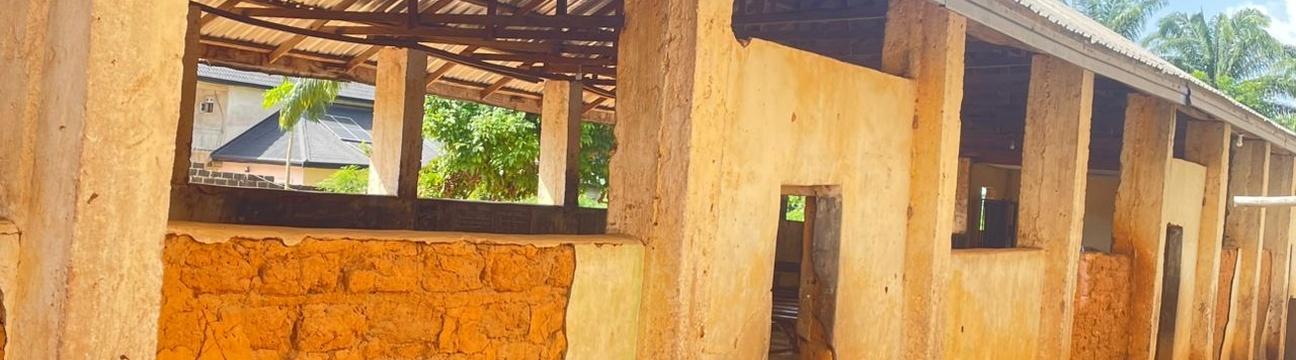
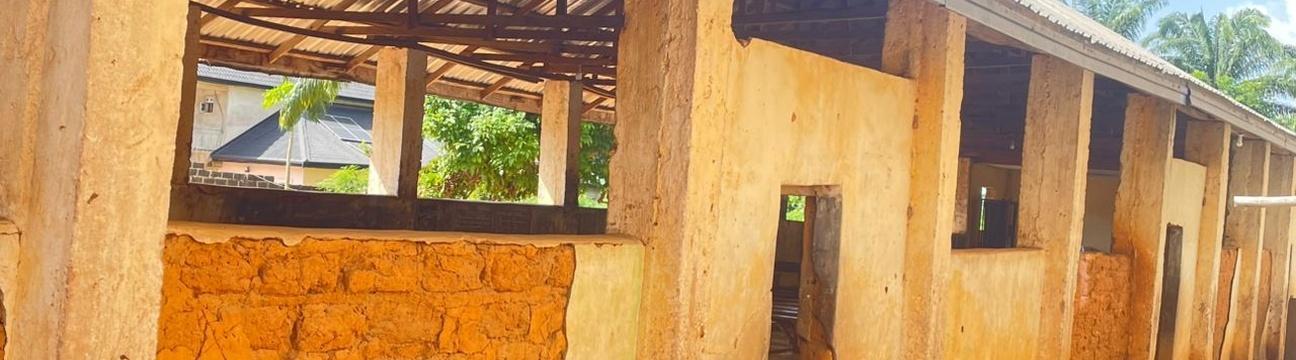
This is the Central primary school in Eha-Azuabor Community which is also being used as a Church (St. Mary Parish Catholic ChurchThis is the Central primary school in Eha-Azuabor Community which is also being used as a Church (St. Mary Parish Catholic Church0 Commentaires 0 Parts 827 Vue 5 0 Aperçu1

-
This is the Central primary school in Eha-Azuabor Community which is also being used as a Church (St. Mary Parish Catholic ChurchThis is the Central primary school in Eha-Azuabor Community which is also being used as a Church (St. Mary Parish Catholic Church0 Commentaires 0 Parts 882 Vue 0 Aperçu1
Plus de lecture
