


================================================================================
🏡 EDE-NTA AUTONOMOUS COMMUNITY
A Full Community Intelligence & Development Profile
================================================================================
📍 Location : Ede-Oballa, Nsukka Local Government Area, Enugu State, Nigeria
🌍 Region : South-East Nigeria | Northern Igboland | Nsukka Cultural Zone
🗺️ Sub-Area : Ede-Oballa Suburb, South of Nsukka Town
📮 Postcode : 410109
📐 Elevation : Approx. 550m (1,810 ft) above sea level
📄 Profile : Prepared for AutonomousCommunities.com
📅 Edition : 2024 / 2025
================================================================================
"A profile prepared for residents, diaspora, visitors, investors,
NGOs, government agencies, researchers, and development partners."
================================================================================
━━━━━━━━━━━━━━━━━━━━━━━━━━━━━━━━━━━━━━━━━━━━━━━━━━━━━━━━━━━━━━━━━━━━━━━━━━━━━━
✨ OPENING SUMMARY
━━━━━━━━━━━━━━━━━━━━━━━━━━━━━━━━━━━━━━━━━━━━━━━━━━━━━━━━━━━━━━━━━━━━━━━━━━━━━━
Ede-Nta Autonomous Community is a quietly proud, historically layered, and
rapidly transforming community perched in the Ede-Oballa corridor just south
of Nsukka town — a place where deep Igbo cultural roots meet a present-day
surge of government investment and real estate development, making it one
of the most strategically positioned yet still-undocumented communities
in Nsukka LGA.
━━━━━━━━━━━━━━━━━━━━━━━━━━━━━━━━━━━━━━━━━━━━━━━━━━━━━━━━━━━━━━━━━━━━━━━━━━━━━━
📜 SECTION 1: HISTORY & ORIGIN
━━━━━━━━━━━━━━━━━━━━━━━━━━━━━━━━━━━━━━━━━━━━━━━━━━━━━━━━━━━━━━━━━━━━━━━━━━━━━━
🌳 ANCESTRAL ROOTS & NAME MEANING
────────────────────────────────────────────────────────────────────────────────
To understand Ede-Nta is to first understand its name — and names, in
Igbo culture, are never accidental. They are histories compressed into
a word.
"Ede" is the shared prefix of the Ede-Oballa family of communities —
a living linguistic signature that ties Ede-Nta to its sister communities:
Ede-Ukwu (the large/senior Ede), Owerre Ede-Oballa (the Owerre quarter of
Ede-Oballa), and Ede-Enu (the upper Ede) — all forming the broader
Ede-Oballa suburban area south of Nsukka town.
"Nta" in Igbo means small, junior, or younger. It is a word of humility,
not diminishment — used to distinguish the younger or smaller of two
related settlements. "Ede-Nta" therefore speaks of a community that
came into being as the smaller companion to "Ede-Ukwu" (the big Ede),
likely sharing common ancestry, land, or founding history while
developing its own distinct identity, governance, and social life.
This Ukwu/Nta naming pattern is an ancient and widely used convention
across Igboland — a way of recording genealogical seniority and settlement
history in the community's very name, so that even a stranger arriving
for the first time already knows something of the community's origin.
The broader name "Ede-Oballa" deserves its own moment. "Oballa" is
believed to derive from local toponymic and ancestral references specific
to this part of Nsukka — a name older than colonial records, rooted in
the oral landscape of the Nsukka-Igbo people.
🏛️ FOUNDING NARRATIVE & SETTLEMENT HISTORY
────────────────────────────────────────────────────────────────────────────────
Ede-Nta, like its Ede-Oballa neighbours, sits in one of the oldest
inhabited zones of the Nsukka cultural region. Archaeological evidence
across the broader Nsukka area confirms human activity dating to
approximately 2,500 BCE — evidence that the ancestors of these
communities were cultivating this elevated, fertile plateau thousands
of years before the colonial era gave it postal codes and census numbers.
Like most communities in the Nsukka cultural zone, Ede-Nta traces its
ancestral lineage through the northern Igbo settlement tradition —
migrations of founding families who cleared land, named it after their
ancestors, and built the kinship-based social structures that continue
to define community life today.
The oral history of Ede-Nta is preserved primarily in the memories of
elders and in the community's ceremonial traditions. Formal written
documentation of its specific founding narratives is not available in
public records — a gap this profile explicitly acknowledges and
encourages the community to fill.
What is known and documented is that Ede-Nta and its sister communities
in Ede-Oballa share a common geographic identity, boundary the Nsukka
town to the south, and have long been regarded as an integral part of
the Nsukka social, cultural, and political landscape.
📌 NOTE ON ORAL HISTORY:
Ede-Nta's specific founding stories — the names of founding ancestors,
the lineage trees of its major families, the original settlement
sequence of its villages — are not available in public records and
should be formally documented. Community elders, schools, and the
Town Union are best placed to lead this project.
🏘️ LOCATION & GEOGRAPHY
────────────────────────────────────────────────────────────────────────────────
📍 POSITION: Southern suburb of Nsukka town, Nsukka LGA
🧭 BOUNDARIES:
→ North: Nsukka main town (direct neighbour)
→ West/South: Opi (one of Nigeria's most significant iron-age
archaeological sites)
→ East: Eha-Alumona
→ South-East: Lejja
→ North-West: Nru Nsukka
📮 POSTCODE: 410109
📐 ELEVATION: Approximately 550 metres (1,810 feet) above sea level —
part of the Nsukka-Udi Plateau, one of southeastern Nigeria's
most prominent highland formations
🌡️ CLIMATE: Tropical wet and dry (Aw) — two clear seasons:
rainy (April–October) and dry (November–March)
🛤️ THE AUTONOMY JOURNEY
────────────────────────────────────────────────────────────────────────────────
Ede-Nta's identity as an Autonomous Community is a formal recognition of
what the community has always known about itself: that it is a distinct
people with its own history, leadership, land, cultural life, and
social organisation.
Autonomous community status in Enugu State is granted through the Enugu
State Local Government and Chieftaincy Affairs Commission. It confers
the right to a recognised traditional ruler (Igwe), a formal governance
structure, and an official place in the state's administrative hierarchy.
This status empowers Ede-Nta to engage directly with government agencies,
receive development allocations, and advocate for its community at
institutional levels.
━━━━━━━━━━━━━━━━━━━━━━━━━━━━━━━━━━━━━━━━━━━━━━━━━━━━━━━━━━━━━━━━━━━━━━━━━━━━━━
🤝 SECTION 2: COMMUNITY IDENTITY & LIFESTYLE
━━━━━━━━━━━━━━━━━━━━━━━━━━━━━━━━━━━━━━━━━━━━━━━━━━━━━━━━━━━━━━━━━━━━━━━━━━━━━━
💪 WHO ARE THE PEOPLE OF EDE-NTA?
────────────────────────────────────────────────────────────────────────────────
The people of Ede-Nta are Nsukka Igbo in identity, culture, and speech.
They carry the values, rhythm, and character that define Nsukka
communities — but with the added texture of a community that sits on
the southern doorstep of one of Nigeria's great university towns,
making them simultaneously rooted in ancient tradition and exposed to
the modern, cosmopolitan energy of Nsukka urban life.
They are a farming people by heritage — men and women who know how to
read the sky for rain and the soil for planting. But they are also an
educated, enterprising people who have produced professionals, academics,
civil servants, politicians, and entrepreneurs who carry the name
of Ede-Nta into the wider world.
The dominant qualities observed in Nsukka communities — and visible in
Ede-Nta — include:
🧠 A high regard for education — Nsukka's proximity to the
University of Nigeria (UNN) has shaped generations of families
to see learning as non-negotiable
🤲 Communal generosity — hosting visitors, feeding neighbours,
attending each other's events — these are social obligations
as much as personal choices
💼 Quiet enterprise — a preference for building things steadily,
whether it is a family house, a business, or a child's future
👴 Respect for elders and age structures — the Onyishi system
and age-grade structures are living, functional social institutions
🕊️ Peaceableness — disputes are taken to elder mediation before
police stations; community courts of conscience operate at the
family and village level before escalation
🏠 FAMILY STRUCTURE & KINSHIP
────────────────────────────────────────────────────────────────────────────────
The family in Ede-Nta follows the extended Igbo kinship model:
→ A man's household (Ụlọ) is part of a family group (Umunna)
→ The Umunna is part of a kindred (Ụmụnna Ukwu)
→ The kindred is part of a village
→ The village is part of the community
This layered belonging means that identity in Ede-Nta is never purely
individual — it is always relational. A person's honour reflects on
their family; a family's success reflects on their village; a village's
progress reflects on the community.
Women are central to this ecosystem. As farmers, traders, mothers,
and members of the Umuada (daughters' assembly), women of Ede-Nta
hold genuine authority — not just in the home but in community
governance, dispute resolution, and cultural ceremonies.
SOCIAL PRIDE:
The people of Ede-Nta take pride in their position as immediate
neighbours to Nsukka town — with access to the University of Nigeria,
the growing urban economy of Nsukka, and the new government infrastructure
(including the State Secretariat Annex and dual carriageway) that has
placed Ede-Oballa on Enugu State's development map.
━━━━━━━━━━━━━━━━━━━━━━━━━━━━━━━━━━━━━━━━━━━━━━━━━━━━━━━━━━━━━━━━━━━━━━━━━━━━━━
👑 SECTION 3: GOVERNANCE & LEADERSHIP
━━━━━━━━━━━━━━━━━━━━━━━━━━━━━━━━━━━━━━━━━━━━━━━━━━━━━━━━━━━━━━━━━━━━━━━━━━━━━━
🏅 TRADITIONAL RULER (IGWE)
────────────────────────────────────────────────────────────────────────────────
As an Autonomous Community, Ede-Nta has its own formally recognised
traditional ruler — the Igwe — who serves as the ceremonial and customary
head of the community. The Igwe presides over traditional governance,
mediates disputes, represents the community before the Nsukka LGA and
Enugu State government, and serves as the guardian of the community's
cultural and moral heritage.
📌 NOTE: The specific name and tenure details of the current Igwe of
Ede-Nta Autonomous Community are not available in publicly accessible
records at the time of this profile. The community's traditional rulers
collectively participated in the 2023 inauguration of the Enugu State
Secretariat Annex at Ede-Oballa, affirming the community's active role
in the broader Ede-Oballa governance structure.
Community leaders are invited to update their Igwe's verified profile
on AutonomousCommunities.com.
🏛️ GOVERNANCE STRUCTURES
────────────────────────────────────────────────────────────────────────────────
👴 ONYISHI (Village Elders' Council):
The Onyishi — the eldest man of each village — heads the village
council. In the Nsukka tradition, the Onyishi commands natural
authority rooted in wisdom and age. The Onyishi councils across
Ede-Nta's villages collectively advise the Igwe and handle
traditional matters, land disputes, and customary law.
🏘️ VILLAGE HEADS:
Each village within Ede-Nta has a designated head who serves as
the primary point of contact for community governance at the
grassroots level — coordinating between family groups, reporting
to the Onyishi council, and liaising with the town union.
🏢 TOWN UNION (EDE-NTA DEVELOPMENT UNION):
The Town Union is the apex civic body of the community, with an
elected President-General, Secretary, Treasurer, and executive
committee. The union organises community development projects,
responds to government invitations, coordinates development
requests, and serves as a democratic bridge between the community
and external stakeholders.
👩 UMUADA (DAUGHTERS' ASSEMBLY):
The Umuada — all women born into Ede-Nta, regardless of where
they now live through marriage — hold a revered, powerful, and
formally recognised social authority. They participate in marriage
ceremonies, funeral rites, community moral decisions, and conflict
mediation. Their voice carries collective weight in community
affairs.
👶 AGE GRADES:
Age-grade associations — cohorts of men who came of age together —
are among the most functional social institutions in Nsukka
communities. They share responsibilities for community public
works, security watch, cultural performances at festivals, and
peer accountability. Membership in an age grade is for life and
creates a web of mutual obligation and support.
👩💼 WOMEN'S GROUPS:
Beyond the Umuada, women in Ede-Nta are organised through village-
level women's associations and church-affiliated groups (such as
Catholic Women Organisation — CWO, and similar bodies). These
groups run savings cooperatives, support bereaved families, and
advocate on health and education matters.
🌍 DIASPORA LEADERSHIP:
The Ede-Nta diaspora — found in Enugu, Lagos, Abuja, Port Harcourt,
the United Kingdom, and beyond — typically organise through
community branch associations in their cities. These groups
raise development funds, fund scholarships, participate in
community policy discussions, and return for homecoming events.
Diaspora representation at community general assemblies is an
important feature of governance.
🗳️ ELECTORAL WARD:
Ede-Nta is formally recognised as a political ward —
the "Ede-Nta Ward" — within the electoral structures of the
Federal Republic of Nigeria and Enugu State, giving it direct
political representation at LGA and state levels.
━━━━━━━━━━━━━━━━━━━━━━━━━━━━━━━━━━━━━━━━━━━━━━━━━━━━━━━━━━━━━━━━━━━━━━━━━━━━━━
🗺️ SECTION 4: VILLAGES & INTERNAL STRUCTURE
━━━━━━━━━━━━━━━━━━━━━━━━━━━━━━━━━━━━━━━━━━━━━━━━━━━━━━━━━━━━━━━━━━━━━━━━━━━━━━
🏘️ INTERNAL ORGANISATION
────────────────────────────────────────────────────────────────────────────────
Like all autonomous communities in the Nsukka cultural zone, Ede-Nta
is composed of multiple villages, each with its own Onyishi, kindred
groups (Umunna), and family lineages. The community's internal
structure follows the universal Nsukka governance pattern:
→ Community (Ede-Nta Autonomous Community)
→ Villages (multiple, each headed by an Onyishi)
→ Kindreds / Umunna (extended family clusters sharing
a common male ancestor several generations back)
→ Family Compounds (Ụlọ — individual homesteads
housing nuclear and extended families)
📌 NOTE: A complete, verified list of individual villages, kindreds,
and family lineages within Ede-Nta Autonomous Community is not
available in public records. This is one of the most important
documentation gaps this profile identifies. Community members —
especially elders, teachers, and Town Union officers — are strongly
encouraged to map and record this information for submission to
AutonomousCommunities.com.
SISTER COMMUNITIES WITHIN EDE-OBALLA (Same Suburban Cluster):
📍 Ede-Ukwu Autonomous Community (the "senior" Ede community)
📍 Owerre Ede-Oballa Autonomous Community
📍 Ede-Enu Autonomous Community (also known as Edenu-EdeOballa)
— Traditional ruler: HRH Igwe R. O. Ugwuja
📍 HRH Igwe Christian Asogwa leads one of the Ede-Oballa communities
📍 HRH Igwe Christopher Agu leads Owerre Ede-Oballa
Together, these four autonomous communities form the Ede-Oballa
suburban cluster — closely related peoples sharing boundaries, common
history, and an increasingly shared development destiny.
━━━━━━━━━━━━━━━━━━━━━━━━━━━━━━━━━━━━━━━━━━━━━━━━━━━━━━━━━━━━━━━━━━━━━━━━━━━━━━
🎭 SECTION 5: CULTURE, FESTIVALS & HERITAGE
━━━━━━━━━━━━━━━━━━━━━━━━━━━━━━━━━━━━━━━━━━━━━━━━━━━━━━━━━━━━━━━━━━━━━━━━━━━━━━
The cultural life of Ede-Nta is woven from the same rich thread as all
Nsukka-Igbo communities — ancient, layered, resilient, and still living
in the twenty-first century.
🎭 MASQUERADE TRADITIONS
────────────────────────────────────────────────────────────────────────────────
Masquerades are the heartbeat of cultural life in Nsukka communities.
In Ede-Nta, as across the Nsukka zone, masquerades are not entertainment —
they are sacred institutions that embody ancestral spirits and maintain
the community's spiritual and social order.
The most prominent masquerade traditions in the Nsukka area are:
🌿 ORIOKPA / OMABE:
The Oriokpa (as it is known in Nsukka town) and the Omabe
masquerades are the most iconic and widely celebrated.
Both embody ancestral spirits who return from the spirit world
(Ụwa Mmụọ) to:
→ Bless the community and its harvest
→ Enforce community laws and correct wrongdoing
→ Celebrate with the living at appointed seasons
→ Renew the covenant between the ancestors and the living
The festivals involve elaborate drumming, ceremonial foods
prepared exclusively for the masquerades, strictly observed
protocols (particularly regarding women and uninitiated
persons), and nights of communal movement through the village.
In Nsukka, "Oriokpa" is the local name; in surrounding
communities the same tradition goes by "Omabe" — the form
well documented in nearby Eha-Alumona and wider Nsukka LGA.
📌 NOTE: The specific masquerade name and practices unique to
Ede-Nta may differ from the broad Nsukka pattern. Local
documentation is needed.
🌾 THE NEW YAM FESTIVAL (IWA JI)
────────────────────────────────────────────────────────────────────────────────
The New Yam Festival — known as Iwa Ji or by related names across
Nsukka communities — is the annual celebration of the yam harvest, the
most culturally significant agricultural event in Igbo life.
In Ede-Nta, the festival marks:
🙏 Thanksgiving to Ala (earth goddess) and the ancestors for a
bountiful harvest
🍠 The ritual offering of the first yam before community
consumption begins
🎉 Community gathering with feasting, dancing, music, and the
reunion of family members from across Nigeria and abroad
👗 The wearing of finest traditional attire — ishi agu fabrics,
George wrappers, coral beads, and ceremonial accessories
The New Yam Festival is also a major homecoming event — diaspora members
plan return visits around this period, making it a powerful annual
reinforcement of community solidarity.
🎊 MARRIAGE CUSTOMS
────────────────────────────────────────────────────────────────────────────────
Traditional marriage in Ede-Nta follows the Nsukka-Igbo pattern:
→ IKU AKA (Introduction): The groom's family visits the bride's
family to formally express intent
→ ỊKPỌ ỌLỤ (Bride Price): Negotiated between both families with
specific lists of items; a communal ceremony
→ WINE-CARRYING CEREMONY: The bride carries palm wine and searches
for her groom in the gathered crowd — finding him is a public
declaration of choice and consent; deeply symbolic
→ FEASTING & CELEBRATION: The community gathers; the Umuada
receive their customary recognition; age grades may participate
with drumming and dance
Marriage in Ede-Nta — as in all Nsukka communities — is understood
as a union of families and communities, not merely individuals.
🕊️ BURIAL & FUNERAL RITES
────────────────────────────────────────────────────────────────────────────────
Death is met with community solidarity in Ede-Nta. The entire village
knows; neighbours arrive immediately to console and cook; age grades
and women's groups fulfil their social obligations.
→ For elders who have lived full lives, the Ikwa Ozu (second burial)
is a grand communal celebration — marking a life well-lived with
music, dancing, feasting, and ancestral honour
→ The Umuada oversee the female ceremonial obligations of burial
→ Age grades may accompany the procession, play drums, and fulfil
their communal duties
🥁 MUSIC, DANCE & PERFORMANCE
────────────────────────────────────────────────────────────────────────────────
→ OGENE: The metallic gong ensemble — one of the most distinctly
Igbo musical forms; used in ceremonies, masquerades, and
community gatherings
→ IGBA (DRUM): The drum ensemble accompanying dance and ritual
→ TRADITIONAL DANCE FORMS: Community dances specific to festivals,
marriages, and funerals; performed by age grades and women's groups
→ PRAISE-SINGING AND ORAL POETRY: Performed at events by community
members; a living art form preserving history and values
🍽️ FOOD & CULINARY CULTURE
────────────────────────────────────────────────────────────────────────────────
The food of Ede-Nta tells its agricultural story:
🥘 Ofe Onugbu (bitter leaf soup) — a Nsukka staple; often with
pounded yam, ede (cocoyam), or garri
🥘 Ofe Oha — a celebrated Igbo soup with leaves and assorted meat
🌿 Ọkpa — bambara nut pudding; a beloved regional dish
🍠 Yam — boiled, pounded (Iji), roasted (Ọjị), or in porridge
🌴 Palm oil — central to cooking and ceremonial use
🥂 Palm wine (Mmanya Ocha / Ngwo) — a social and ceremonial drink
central to hospitality, marriage rites, and cultural events
👗 TRADITIONAL ATTIRE
────────────────────────────────────────────────────────────────────────────────
→ MEN: Isi agu (lion-head print) fabric wrapped as loincloth
with matching shirt; Okpu agu cap or felt cap; coral beads
for titled men; white wrapper for senior elders
→ WOMEN: George wrapper with blouse and head tie (Ichafu);
coral and glass bead necklaces; anklets on ceremonial occasions;
elaborate head-tie styling as an art form in itself
🌿 TABOOS & SACRED PRACTICES
────────────────────────────────────────────────────────────────────────────────
Like all Nsukka communities, Ede-Nta observes specific taboos (Ọmụma)
governing sacred spaces, land use, festival behaviour, and inter-personal
conduct. These are preserved in oral tradition and enforced through
social norms, the masquerade institution, and elder authority.
Specific local taboos are a valuable cultural record and should be
documented by the community.
━━━━━━━━━━━━━━━━━━━━━━━━━━━━━━━━━━━━━━━━━━━━━━━━━━━━━━━━━━━━━━━━━━━━━━━━━━━━━━
⛪ SECTION 6: RELIGION & FAITH INSTITUTIONS
━━━━━━━━━━━━━━━━━━━━━━━━━━━━━━━━━━━━━━━━━━━━━━━━━━━━━━━━━━━━━━━━━━━━━━━━━━━━━━
The faith landscape of Ede-Nta reflects the deep Christianisation of the
Nsukka zone while honouring the cosmological traditions that predate it.
✝️ CATHOLIC CHURCH — THE DOMINANT INSTITUTION
────────────────────────────────────────────────────────────────────────────────
The Catholic Church has the most profound and historically rooted
presence in Ede-Nta and the broader Ede-Oballa area. This reflects the
wider reality of the Nsukka zone, which falls under the Catholic Diocese
of Nsukka — established in 1990 and headquartered at Saint Theresa
Cathedral, Nsukka, under Bishop Godfrey Igwebuike Onah.
The Holy Ghost (Spiritan) missionaries who entered the Nsukka area
in the early twentieth century introduced Catholicism deeply here —
building schools, hospitals, and parishes that became the backbone of
community development across generations.
The Ede-Oballa community has documented Catholic parish presence:
⛪ Catholic churches serve the Ede-Oballa corridor communities
📿 The Catholic Women Organisation (CWO), Legion of Mary, and
Knights of Saint Mulumba are active community organisations
in parishes serving this area
During the State Secretariat Annex inauguration at Ede-Oballa (2023),
the community's priests participated prominently — evidence of the
deep partnership between the Catholic Church and community governance
in this area.
✝️ OTHER CHRISTIAN DENOMINATIONS
────────────────────────────────────────────────────────────────────────────────
→ Anglican Church (Church of Nigeria): present across Nsukka LGA;
likely serving Ede-Nta community members
→ Pentecostal/Evangelical churches: growing significantly in
urban-adjacent communities like Ede-Nta; Redeemed Christian
Church of God (RCCG), Assemblies of God, Living Faith
(Winners Chapel), and independent fellowships
→ Methodist Church: historically present in the Nsukka area
🌿 TRADITIONAL / INDIGENOUS RELIGION
────────────────────────────────────────────────────────────────────────────────
The traditional cosmology of the Nsukka-Igbo people continues to
operate alongside Christianity in Ede-Nta:
→ ALA: The earth goddess and moral authority; all land is sacred
→ CHI: The personal divine guardian of every individual
→ ANCESTRAL VENERATION: The living ancestors who watch over the
community, communicated with through the masquerade institution
and family shrines
→ ODINANI: The broader traditional religious and ethical system
of the Igbo people, practised in modified form by many
These beliefs are not always in conflict with Christianity — many
community members navigate both with ease, finding meaning and
protection in the fusion of spiritual traditions.
🕌 ISLAM:
Minimal presence documented in Ede-Nta specifically. Available local
records do not indicate a significant Muslim community here.
🛡️ FAITH AS DEVELOPMENT:
Churches in Ede-Nta and the Ede-Oballa area serve as social development
institutions — running schools, supporting healthcare access, organising
women's groups, and providing a social safety net through their
congregational structures. The partnership between priests, pastors,
and community leaders is a documented feature of governance in this area.
━━━━━━━━━━━━━━━━━━━━━━━━━━━━━━━━━━━━━━━━━━━━━━━━━━━━━━━━━━━━━━━━━━━━━━━━━━━━━━
💰 SECTION 7: ECONOMY & MARKETPLACE
━━━━━━━━━━━━━━━━━━━━━━━━━━━━━━━━━━━━━━━━━━━━━━━━━━━━━━━━━━━━━━━━━━━━━━━━━━━━━━
🌾 AGRICULTURE — THE FOUNDATIONAL ECONOMY
────────────────────────────────────────────────────────────────────────────────
Ede-Nta's economy begins, as it always has, with the land. The community
sits on the Nsukka Plateau — elevated, fertile, well-watered in the
rainy season, and historically productive. Agriculture is not merely
an economic activity here; it is a way of life embedded in culture,
ceremony, and identity.
PRIMARY CROPS:
🌱 Yam (Ji) — the king of Igbo agriculture; measured in barns,
celebrated in festivals, sold in markets; a symbol of family
prosperity and masculine achievement (though women farm too)
🌿 Cassava (Akpụ) — processed into garri, fufu, and tapioca;
widely grown for home use and market sale
🥬 Vegetables — ugu (fluted pumpkin), onugbu (bitter leaf),
waterleaf, uziza; grown in compound gardens and small plots
🌴 Palm products — palm oil, palm kernel; used domestically
and sold at local markets
🍃 Cocoyam (Ede) — secondary staple with multiple culinary uses
🌽 Maize and pigeon peas — documented Nsukka-area crops
FARMING PRACTICES:
→ Small-holder subsistence and semi-commercial farming dominates
→ Women manage their own farm plots alongside domestic
responsibilities — especially vegetable gardens and cassava
→ Intercropping and seasonal rotation are practiced through
generations of traditional knowledge
→ Limited mechanisation; hand-tool farming is primary
→ Proximity to the University of Nigeria (UNN), which has
agricultural research departments, creates potential for
knowledge transfer and improved practices
🏗️ REAL ESTATE & LAND — THE EMERGING ECONOMY
────────────────────────────────────────────────────────────────────────────────
This is perhaps Ede-Nta's most transformative economic story:
the community's land is becoming increasingly valuable due to its
proximity to Nsukka town and major government investments in the area.
🏢 ENUGU STATE SECRETARIAT ANNEX (2021/2023):
A 3-floor government building with 27 offices housing zonal
offices of multiple Enugu State Ministries, Departments, and
Agencies (MDAs) — including Education, Commerce, Agriculture,
Lands and Urban Development, and others. Located in Ede-Oballa,
directly adjacent to Ede-Nta. This is a permanent, high-value
government presence that transforms the area's economic profile.
🏘️ NSUKKA SATELLITE TOWN / EDE-OBALLA ESTATE:
The Enugu State Ministry of Budget and Planning has listed the
"Nsukka Satellite Town Ede Oballa Estate" as a government
development initiative — signalling that this area is a planned
real estate development zone. Housing estates are being developed
on Ede-Oballa land.
🛣️ OPI-NSUKKA DUAL CARRIAGEWAY:
The 12km Opi-Nsukka dual carriageway — running through and past
Ede-Oballa — is one of Enugu State's landmark infrastructure
projects. It significantly improves road access, reduces travel
time to Nsukka town and Enugu city, and enhances land values along
its corridor. The communities of Ede-Oballa benefit directly from
this "state-of-the-art" road infrastructure.
📈 LAND VALUE IMPLICATIONS:
The convergence of government infrastructure, real estate development,
and the secretariat annex has increased land values in Ede-Oballa
significantly. Plots along the Opi–Nsukka express road corridor
in this area are actively marketed as investment properties.
Ede-Nta community land sits within this rapidly appreciating zone.
🛒 TRADE & MARKET ECONOMY
────────────────────────────────────────────────────────────────────────────────
→ NSUKKA MAIN MARKET: Accessible via the improved Opi-Nsukka road;
the primary commercial hub for Ede-Nta traders and farmers
→ LOCAL DAILY MARKETS: Small daily markets within the Ede-Oballa
area serve everyday household and food trade needs
→ WOMEN TRADERS: A significant proportion of market trade is
conducted by women — in foodstuffs, cooking staples, and
processed goods
→ PETTY TRADE: Small shops, kiosks, and roadside stalls operate
within the community and along the major road corridor
💼 FORMAL EMPLOYMENT & CIVIL SERVICE
────────────────────────────────────────────────────────────────────────────────
→ The University of Nigeria, Nsukka (UNN) is a major employer for
educated Ede-Nta indigenes — academic, administrative, and
support roles
→ With the State Secretariat Annex now operational in Ede-Oballa,
civil servants stationed there include community members
→ Teachers at local schools, healthcare workers, and LGA staff
are community members in formal employment
→ Private sector: increasing small business activity around the
growing real estate and construction sector in the area
🌍 DIASPORA ECONOMY & REMITTANCES
────────────────────────────────────────────────────────────────────────────────
→ Regular financial remittances from urban and international diaspora
support family livelihoods, education, healthcare, and housing
→ Diaspora funding of community development projects — boreholes,
church buildings, school improvements, and community halls
→ Real estate investment: diaspora members are significant buyers
of land and builders of family homes in Ede-Nta and Ede-Oballa
💡 PRODUCTS & SERVICES FOR MARKETPLACE LISTING ON AUTONOMOUSCOMMUNITIES.COM:
────────────────────────────────────────────────────────────────────────────────
🌾 Fresh Farm Produce: Yam, Cassava/Garri, Palm Oil, Vegetables,
Cocoyam, Pumpkin leaf (Ugu), Plantain
🏗️ Construction & Real Estate Services: Land listings, house sales,
mason and carpenter services
🏠 Property Listings: Land plots along Opi-Nsukka express road,
family compounds, investment properties
🍽️ Processed Foods: Garri, palm oil, crayfish, dried vegetables
🧵 Traditional Crafts: Woven items, traditional attire, beads
🚐 Transport Services: Local commercial drivers, tricycle operators
🏫 Educational Services: Private tutors, vocational trainers
🛒 Retail & Small Businesses: Shops, pharmacies, food stalls
━━━━━━━━━━━━━━━━━━━━━━━━━━━━━━━━━━━━━━━━━━━━━━━━━━━━━━━━━━━━━━━━━━━━━━━━━━━━━━
🏫 SECTION 8: EDUCATION, HEALTH & INFRASTRUCTURE
━━━━━━━━━━━━━━━━━━━━━━━━━━━━━━━━━━━━━━━━━━━━━━━━━━━━━━━━━━━━━━━━━━━━━━━━━━━━━━
📚 EDUCATION
────────────────────────────────────────────────────────────────────────────────
Education is deeply valued in Ede-Nta. The community's proximity to the
University of Nigeria, Nsukka — one of Nigeria's foremost universities —
has profoundly shaped its educational culture. UNN's presence since 1960
inspired generations of Nsukka-area families to prioritise schooling
as a pathway to dignity, employment, and national contribution.
🏫 PRIMARY EDUCATION:
Ede-Nta is served by state-government primary schools in line
with Enugu State's policy ensuring every community has access to
a primary school. The broader Ede-Oballa area hosts the
Community Secondary School Ede-Oballa, indicating an established
educational presence in the corridor.
📌 Specific school names within Ede-Nta itself are not confirmed
in public records.
🏫 SECONDARY EDUCATION:
→ Community Secondary School Ede-Oballa serves students from
across the Ede-Oballa autonomous communities, including Ede-Nta
→ Students also access secondary schools in Nsukka urban area
via the improved Opi-Nsukka road
🎓 HIGHER EDUCATION:
→ University of Nigeria, Nsukka (UNN) — within close proximity,
accessible by road; has educated generations of Ede-Nta indigenes
→ Enugu State University of Medical and Applied Sciences (SUMAS)
— recently established in Enugu State, expanding higher education
options for the region
→ Nsukka-area polytechnics and vocational training institutions
📌 EDUCATION GAPS:
→ Vocational and skills training within the community remains
underdeveloped
→ Girl-child retention rates in secondary school should be
monitored and supported
→ The community could benefit from a library or digital
learning centre, particularly given its proximity to UNN
🏥 HEALTHCARE
────────────────────────────────────────────────────────────────────────────────
Healthcare access for Ede-Nta benefits significantly from its proximity
to Nsukka town's medical facilities:
🏥 BISHOP SHANAHAN MEMORIAL HOSPITAL, NSUKKA:
A major secondary-level hospital serving the entire Nsukka zone
🏥 FAITH FOUNDATION HOSPITAL, NSUKKA
🏥 NSUKKA DISTRICT HOSPITAL — one of Enugu State's seven
district hospitals
🏥 UNIVERSITY OF NIGERIA TEACHING HOSPITAL (UNTH), ENUGU:
Major tertiary care centre approximately 70km away
🏥 LOCAL PRIMARY HEALTH CARE CENTRES (PHC):
PHC facilities operate in the Ede-Oballa corridor;
specific PHC name for Ede-Nta is not confirmed in public records
📌 HEALTH OPPORTUNITIES:
The State Secretariat Annex at Ede-Oballa houses the zonal
office of relevant state ministries, including health-related
MDAs. This proximity to state government infrastructure creates
a direct channel for community health advocacy.
🛣️ ROADS & TRANSPORT
────────────────────────────────────────────────────────────────────────────────
Ede-Nta's transport situation has been dramatically transformed by
government investment in the area:
✅ OPI-NSUKKA DUAL CARRIAGEWAY (12KM):
One of Enugu State's landmark infrastructure achievements,
this state-of-the-art dual carriageway runs through/past
the Ede-Oballa corridor, directly benefiting Ede-Nta with:
→ Significantly improved access to Nsukka town and UNN
→ Faster connection to Opi archaeological site
→ Enhanced land and property values along the corridor
→ Easier market access for farmers and traders
→ Improved emergency and ambulance access
🚐 TRANSPORT MODES:
→ Commercial tricycles (keke napep) and motorcycles for
internal community movement
→ Commercial buses and shared taxis on the Opi-Nsukka highway
→ Private vehicle ownership is increasing among residents
⚠️ INTERNAL ROAD CHALLENGES:
While the dual carriageway is a major improvement, internal
community roads (connecting villages within Ede-Nta to the
main highway) may still require improvement. This is common
across Nsukka communities and is a realistic improvement target.
⚡ ELECTRICITY
────────────────────────────────────────────────────────────────────────────────
→ Electricity supply is provided via the national grid (Enugu
Electricity Distribution Company — EEDC) but is subject to the
frequent interruptions common across Nigeria's power supply system
→ Solar panel adoption is growing, particularly in newer buildings
→ The presence of the State Secretariat Annex may improve the
quality of power supply infrastructure in the immediate area
💧 WATER
────────────────────────────────────────────────────────────────────────────────
→ Piped water supply is limited; boreholes are the primary
source of clean water for many households
→ Community boreholes funded by government and diaspora contributions
are critical water infrastructure
→ Rainwater harvesting supplements supply during the rainy season
📶 INTERNET & TELECOMMUNICATIONS
────────────────────────────────────────────────────────────────────────────────
→ Mobile networks (MTN, Airtel, Glo, 9mobile) provide coverage;
network quality in the Ede-Oballa area is generally reasonable
given the proximity to Nsukka town
→ 4G data access via mobile phones is the primary internet method
→ Fibre broadband is not yet available in most residential areas
→ The State Secretariat Annex may bring improved ICT infrastructure
to the immediate Ede-Oballa zone
━━━━━━━━━━━━━━━━━━━━━━━━━━━━━━━━━━━━━━━━━━━━━━━━━━━━━━━━━━━━━━━━━━━━━━━━━━━━━━
🛡️ SECTION 9: SECURITY, POPULATION & DIASPORA
━━━━━━━━━━━━━━━━━━━━━━━━━━━━━━━━━━━━━━━━━━━━━━━━━━━━━━━━━━━━━━━━━━━━━━━━━━━━━━
🔒 SECURITY & COMMUNITY SAFETY
────────────────────────────────────────────────────────────────────────────────
Ede-Nta benefits from the relatively stable and community-policed
environment characteristic of Nsukka's suburban areas. Its proximity
to Nsukka town's formal security infrastructure (police, civil defence,
and LGA security apparatus) provides a layer of institutional security
not available to more remote communities.
→ COMMUNITY POLICING: Age grades maintain informal watch duties;
village heads and Onyishi councils adjudicate disputes before
escalation to formal courts or police
→ FORMAL SECURITY PRESENCE: The Nsukka LGA police station and
security posts are accessible via the improved road corridor
→ THE SECRETARIAT ANNEX EFFECT: The permanent presence of a
major government building in Ede-Oballa brings associated
security visibility and state presence to the area
→ HOUSING ESTATE DEVELOPMENT: Growing residential development
in the Ede-Oballa area brings increased community watchfulness
and estate security arrangements
→ REGIONAL CONTEXT: Enugu State has faced some security challenges
in recent years; communities in Nsukka LGA, including Ede-Nta,
have reinforced vigilance and community watch structures
👥 POPULATION
────────────────────────────────────────────────────────────────────────────────
📌 POPULATION NOTE:
Specific population figures for Ede-Nta Autonomous Community are not
available in public records. Nsukka LGA's 2006 census population was
approximately 309,633 — with a current 2024/2025 estimated population
likely significantly higher. Ede-Nta represents a portion of this total.
GENERAL DEMOGRAPHIC PROFILE:
→ A youthful demographic — Nigeria's median age is approximately 18;
suburban Nsukka communities reflect this profile
→ Significant youth presence due to proximity to UNN — students
and young professionals living in the Ede-Oballa area
→ Growing migrant/settler population in the area as real estate
development attracts new residents from across Nsukka and beyond
→ An active elder community that maintains cultural and
governance functions
🌍 DIASPORA
────────────────────────────────────────────────────────────────────────────────
The diaspora is Ede-Nta's extended family and its most loyal investor.
INTERNAL DIASPORA (Within Nigeria):
→ Enugu city — the state capital; accessible via the improved road
→ Abuja — federal capital; significant Nsukka professional community
→ Lagos — Nigeria's commercial hub; a large Igbo/Nsukka diaspora
→ Port Harcourt, Onitsha, Aba — trade and commerce centres
→ University campuses across Nigeria — student and academic diaspora
INTERNATIONAL DIASPORA:
→ United Kingdom, United States, Canada, Ireland, Germany,
South Africa — Igbo diaspora communities in all major cities
DIASPORA ECONOMIC CONTRIBUTIONS:
→ Regular remittances to family members
→ Real estate investment: diaspora are major buyers of
land and houses in the growing Ede-Oballa area
→ Education sponsorship for younger community members
→ Community project funding — boreholes, scholarships, buildings
HOMECOMING EVENTS:
→ Christmas/New Year: peak homecoming season — the community fills
with returning sons and daughters; markets and churches are full
→ New Yam Festival: draws diaspora home for cultural celebration
→ Community Day / Town Union Meetings: increasingly organised as
structured diaspora engagement events
→ The improved Opi-Nsukka road has made homecoming significantly
easier and has encouraged more frequent visits
━━━━━━━━━━━━━━━━━━━━━━━━━━━━━━━━━━━━━━━━━━━━━━━━━━━━━━━━━━━━━━━━━━━━━━━━━━━━━━
🏛️ SECTION 10: GOVERNMENT, NGO & DEVELOPMENT RELEVANCE
━━━━━━━━━━━━━━━━━━━━━━━━━━━━━━━━━━━━━━━━━━━━━━━━━━━━━━━━━━━━━━━━━━━━━━━━━━━━━━
📋 LGA & STATE GOVERNMENT RELEVANCE
────────────────────────────────────────────────────────────────────────────────
Ede-Nta occupies a uniquely privileged position in the Nsukka LGA
development landscape — not because of its size, but because of what
has been built on its doorstep.
🏛️ ENUGU STATE SECRETARIAT ANNEX (EDE-OBALLA, 2023):
This landmark 3-floor government building housing 27 offices
of Enugu State Ministries, Departments, and Agencies (MDAs)
was inaugurated in May 2023 by then-Governor Ifeanyi Ugwuanyi.
MDAs housed include:
→ Ministry of Education (Enugu North Zonal Office)
→ Ministry of Commerce and Industry
→ Ministry of Agriculture
→ Ministry of Lands and Urban Development
→ Office of the Auditor General
→ Office of the Statistician-General
→ Science, Technical and Vocational Schools Management Board
→ Other key government agencies
This means Ede-Nta literally hosts the state government's
presence in Enugu North. Access to these ministries for
development applications, permits, and partnerships is now
more accessible than ever before.
🛣️ OPI-NSUKKA DUAL CARRIAGEWAY:
A landmark road infrastructure project that runs through the
Ede-Oballa corridor — putting Ede-Nta on a modern road network
linking Nsukka town, UNN, and broader Enugu State
🏘️ NSUKKA SATELLITE TOWN / EDE-OBALLA ESTATE:
Government-supported real estate development initiative
sited in the Ede-Oballa zone — bringing economic transformation
🗳️ POLITICAL REPRESENTATION:
Ede-Nta Ward gives the community representation in the Nsukka
LGA Council and Enugu State House of Assembly (Nsukka East
Constituency, represented by RT. Hon. Chinedu Nwamba as of 2023)
🤝 NGO & DEVELOPMENT PARTNER RELEVANCE
────────────────────────────────────────────────────────────────────────────────
The convergence of government investment and documented community needs
makes Ede-Nta highly relevant to a range of development partners:
🌾 AGRICULTURAL DEVELOPMENT:
→ FAO, IFAD, GIZ, and Gates Foundation agricultural programmes
active in Enugu State and Nsukka LGA
→ Proximity to UNN Agricultural Research departments
🏥 HEALTH & WASH:
→ UNICEF, WaterAid, and state WASH programmes
→ Primary healthcare strengthening programmes
→ Maternal and child health initiatives
📚 EDUCATION:
→ Forum for African Women Educationalists (FAWE)
→ Foundations supporting rural school improvement and
girl-child education
🏗️ URBAN-RURAL TRANSITION DEVELOPMENT:
→ Given Ede-Nta's unique position as a community undergoing
rapid transition from rural to peri-urban status, urban
planning, land rights, and community resilience organisations
have a particularly relevant mandate here
🎯 SDG ALIGNMENT
────────────────────────────────────────────────────────────────────────────────
🎯 SDG 1 — No Poverty: Agricultural and enterprise income support
🎯 SDG 2 — Zero Hunger: Smallholder farming improvement
🎯 SDG 3 — Good Health: Healthcare access and WASH
🎯 SDG 4 — Quality Education: School improvement, skills training
🎯 SDG 6 — Clean Water: Borehole and WASH infrastructure
🎯 SDG 8 — Decent Work: Youth employment and enterprise
🎯 SDG 9 — Infrastructure: Internal roads, connectivity
🎯 SDG 11 — Sustainable Communities: Urban-rural transition planning
🎯 SDG 17 — Partnerships: Diaspora, government, NGO collaboration
━━━━━━━━━━━━━━━━━━━━━━━━━━━━━━━━━━━━━━━━━━━━━━━━━━━━━━━━━━━━━━━━━━━━━━━━━━━━━━
⚡ SECTION 11: CHALLENGES & OPPORTUNITIES
━━━━━━━━━━━━━━━━━━━━━━━━━━━━━━━━━━━━━━━━━━━━━━━━━━━━━━━━━━━━━━━━━━━━━━━━━━━━━━
🚧 CHALLENGES
────────────────────────────────────────────────────────────────────────────────
These are real challenges named honestly — because communities that
name their challenges are communities ready to solve them.
🛣️ INTERNAL ROADS:
While the Opi-Nsukka dual carriageway improves main access,
internal community roads connecting villages to the highway
may still need significant improvement. This is a manageable
but important gap.
💧 WATER & SANITATION:
Piped water remains unavailable to most households. Boreholes
serve as primary clean water sources but require maintenance
and may be insufficient in dry seasons. WASH improvement is
a priority.
💡 ELECTRICITY RELIABILITY:
Power supply via EEDC is irregular; solar adoption is needed
to ensure households, businesses, and community facilities
have reliable electricity.
📶 DIGITAL EXCLUSION:
The community has a very limited online presence — no easily
searchable profile, no marketplace visibility, no formal
digital identity. This means it misses opportunities that
come to well-documented communities.
💼 YOUTH UNEMPLOYMENT:
Despite the real estate and infrastructure surge nearby,
local employment opportunities within the community remain
limited for young people without formal employment.
Skills gaps and enterprise barriers drive youth
outmigration to Nsukka town and beyond.
🏥 COMMUNITY-LEVEL HEALTHCARE:
No dedicated health facility within Ede-Nta itself has been
confirmed in public records. Residents depend on facilities
in Nsukka town — manageable given the improved road, but
still a gap for emergency care.
📋 DOCUMENTATION GAP:
Ede-Nta's villages, kindreds, family histories, cultural
practices, population data, and leadership records are
undocumented in public form — a vulnerability for development
planning, cultural preservation, and institutional engagement.
🌊 LAND TENURE PRESSURES:
The rapidly increasing land values in Ede-Oballa/Ede-Nta
create risk of land disputes, exploitation of residents
unfamiliar with their rights, and displacement pressures.
Community land rights education and formalisation are urgent.
🌟 OPPORTUNITIES
────────────────────────────────────────────────────────────────────────────────
Ede-Nta's opportunity profile is exceptional — arguably the most
compelling of any small autonomous community in Nsukka LGA.
🏗️ REAL ESTATE & LAND INVESTMENT:
The convergence of the State Secretariat Annex, the dual
carriageway, and government satellite town planning makes
Ede-Nta land among the most strategically valuable in the
Nsukka LGA. A well-managed community land development
strategy could generate significant communal wealth.
🌾 AGRICULTURE & AGRI-ENTERPRISE:
→ With better road access to Nsukka markets and UNN proximity,
Ede-Nta farmers can move from subsistence to commercial
production — cassava processing, yam aggregation, vegetable
supply to Nsukka urban market
→ UNN agricultural extension services could benefit community
farmers directly
🌍 DIASPORA REAL ESTATE & INVESTMENT:
→ Diaspora members and external investors are already buying land
in Ede-Oballa; a well-documented community profile would make
Ede-Nta a visible, credible destination for this capital
📱 DIGITAL MARKETPLACE:
→ Farmers, traders, craftspeople, and service providers can list
on AutonomousCommunities.com, reaching urban buyers in Nsukka,
Enugu, Lagos, and the diaspora
🎓 SKILLS TRAINING HUB:
→ Proximity to the State Secretariat Annex and Nsukka urban
resources creates opportunity for vocational training
in construction, ICT, tailoring, and food processing
👩 WOMEN'S ENTERPRISE COOPERATIVES:
→ Women's farming and trading cooperatives, linked to microfinance
institutions, could significantly boost income
🏛️ GOVERNMENT ENGAGEMENT:
→ Having the zonal offices of multiple state ministries on their
doorstep means Ede-Nta can engage government agencies faster
and more directly than most communities in the LGA
🌐 DIGITAL IDENTITY & VISIBILITY:
→ Building a verified, rich digital profile on
AutonomousCommunities.com would make the community visible to
investors, NGOs, researchers, and government planners
━━━━━━━━━━━━━━━━━━━━━━━━━━━━━━━━━━━━━━━━━━━━━━━━━━━━━━━━━━━━━━━━━━━━━━━━━━━━━━
💻 SECTION 12: AUTONOMOUS COMMUNITIES DIGITAL PROFILE
━━━━━━━━━━━━━━━━━━━━━━━━━━━━━━━━━━━━━━━━━━━━━━━━━━━━━━━━━━━━━━━━━━━━━━━━━━━━━━
AutonomousCommunities.com is a digital home built for communities
exactly like Ede-Nta — communities with rich cultural heritage, active
governance, growing economic potential, and a diaspora that wants to
stay connected and contribute. The platform offers tools that can
transform Ede-Nta's development trajectory:
🌐 COMMUNITY PROFILE PAGE:
→ A permanent, searchable digital identity for Ede-Nta
→ Includes history, maps, cultural documentation, photos,
leadership directory, and community contacts
→ Searchable by investors, NGOs, researchers, developers,
and government agencies
→ An essential tool given the real estate surge in the area —
investors and developers need verified community contacts
👥 COMMUNITY GROUP:
→ A digital space for residents, diaspora, and friends of
Ede-Nta to connect, share news, coordinate projects,
and discuss development
→ Particularly powerful for a community with diaspora spread
across multiple cities and countries
🛒 MARKETPLACE:
→ Farmers list yam, garri, palm oil, vegetables, and
seasonal produce for urban and diaspora buyers
→ Property agents and landowners list plots and houses
in the growing Ede-Oballa real estate market
→ Service providers (masons, carpenters, drivers) list services
for the growing construction and real estate demand in area
📅 EVENTS:
→ Announce community meetings, New Yam Festival dates,
cultural ceremonies, homecoming events, and development forums
→ Diaspora plan visits around community events
→ Investors and developers can confirm engagement dates
with leadership
📢 ANNOUNCEMENTS:
→ Official notices from the Igwe, Town Union, and development
committee reach all registered members instantly
👑 LEADERSHIP VISIBILITY:
→ The Igwe, President-General, Village Heads, and diaspora
leaders have verified, credible profiles
→ Institutional partners know exactly who to engage
🌍 DIASPORA ENGAGEMENT:
→ Diaspora members register through the platform
→ Crowd-funding campaigns for verified community projects
(e.g. "Borehole for Ede-Nta — ₦3M Goal")
→ Community polls and voting on development priorities
📊 PROJECT TRACKING:
→ Development projects are publicly tracked from proposal
to completion — donors, government, and the community
can all follow progress transparently
🧠 INTELLIGENCE DASHBOARD:
→ Community data — population, school enrolment, health
indicators, land valuations, economic trends — are
aggregated and updated
→ Provides the evidence base that government and NGOs
need to engage the community seriously and allocate resources
━━━━━━━━━━━━━━━━━━━━━━━━━━━━━━━━━━━━━━━━━━━━━━━━━━━━━━━━━━━━━━━━━━━━━━━━━━━━━━
🤲 SECTION 13: WHO SHOULD ENGAGE?
━━━━━━━━━━━━━━━━━━━━━━━━━━━━━━━━━━━━━━━━━━━━━━━━━━━━━━━━━━━━━━━━━━━━━━━━━━━━━━
This profile is an open invitation. Here is who Ede-Nta needs — and
what each of them can uniquely contribute:
🏠 RESIDENTS:
Register on the platform. Add your village name, family information,
and community knowledge. Your local data is irreplaceable.
🌍 DIASPORA MEMBERS:
Connect your branch association. Invest in land — but do it
through a verified community structure. Fund a specific project.
Return for homecoming. Your financial and professional capital
can change what Ede-Nta looks like in 10 years.
👑 TRADITIONAL LEADERS:
Verify your profile on AutonomousCommunities.com. Issue official
announcements. Build the community's institutional relationships
with Enugu State government MDAs in the Secretariat Annex next door.
🌾 FARMERS:
List your produce. Access Nsukka's growing food market digitally.
Connect with UNN's agricultural research departments.
🏗️ REAL ESTATE & LAND OWNERS:
List properties on the marketplace. Reach investors, diaspora buyers,
and developers who are actively looking at Ede-Oballa land.
👩 WOMEN'S & YOUTH GROUPS:
Register your group. Access NGO partnership opportunities.
Propose development projects. Attract microfinance partners.
🏥 NGOS & INTERNATIONAL PARTNERS:
Use this profile to identify community needs, verify leadership,
plan field visits, and track your projects' impact. The proximity
to Enugu State's Secretariat Annex means your advocacy goes
directly to relevant ministries.
🏛️ GOVERNMENT AGENCIES:
Access community data for development planning. The Enugu State
Ministries housed in the Secretariat Annex at Ede-Oballa are
already neighbours — a formal community engagement through
this platform makes that proximity productive.
💰 INVESTORS & DEVELOPERS:
Ede-Nta's land is appreciating. Build verified relationships with
community leaders before investing. The community profile tells
you who to trust and what the community needs.
🔬 RESEARCHERS & ACADEMICS:
UNN researchers in particular will find Ede-Nta a fascinating
case study of a community navigating the transition from rural
to peri-urban while maintaining cultural identity.
🎭 CULTURAL ORGANISATIONS:
Document Ede-Nta's masquerade traditions, oral histories, and
material culture as part of the broader Nsukka cultural heritage
preservation effort.
━━━━━━━━━━━━━━━━━━━━━━━━━━━━━━━━━━━━━━━━━━━━━━━━━━━━━━━━━━━━━━━━━━━━━━━━━━━━━━
⭐ SECTION 14: STRENGTHS & IMPROVEMENT AREAS
━━━━━━━━━━━━━━━━━━━━━━━━━━━━━━━━━━━━━━━━━━━━━━━━━━━━━━━━━━━━━━━━━━━━━━━━━━━━━━
💪 TOP STRENGTHS
────────────────────────────────────────────────────────────────────────────────
✅ STRATEGIC LOCATION — On the southern doorstep of Nsukka town,
adjacent to the Opi-Nsukka dual carriageway; proximity to UNN,
LGA headquarters, and now the State Secretariat Annex
✅ STATE GOVERNMENT INVESTMENT — The Enugu State Secretariat Annex
at Ede-Oballa is a landmark achievement placing Ede-Nta at
the centre of government's presence in Enugu North
✅ RISING LAND VALUES — Real estate appreciation driven by dual
carriageway, secretariat, and satellite town development;
significant latent community wealth
✅ FORMAL ELECTORAL WARD STATUS — Ede-Nta Ward gives the community
a recognised political identity and direct governmental representation
✅ AUTONOMOUS COMMUNITY STATUS — Formal governance platform with
Igwe, town union, and official state recognition
✅ PROXIMITY TO UNN — Access to Nigeria's one of finest universities;
a source of employment, knowledge, markets, and cultural capital
✅ RICH CULTURAL HERITAGE — Living masquerade traditions, New Yam
Festival, Nsukka-Igbo identity, strong family and kinship bonds
✅ ACTIVE FAITH INSTITUTIONS — The Catholic Church and other
denominations serve as development and community cohesion partners
✅ ACTIVE DIASPORA NETWORK — Diaspora community across Nigeria and
internationally with demonstrated capacity to invest in home
✅ NOTABLE COMMUNITY LEADERSHIP — Figures like Chief Engr. Vita Abba
(former PDP State Chairman) reflect Ede-Oballa's capacity to
produce influential advocates at state and national level
🔧 REALISTIC IMPROVEMENT AREAS
────────────────────────────────────────────────────────────────────────────────
🔧 DIGITAL VISIBILITY — Almost no online presence for the community;
building a verified digital profile is the single most
accessible and high-return improvement available
🔧 DOCUMENTATION — Village maps, family histories, cultural records,
and oral histories urgently need formal documentation
🔧 INTERNAL ROADS — Connecting village roads to the dual carriageway
should be a priority advocacy item for the Town Union
🔧 WATER — Sustainable borehole maintenance and WASH improvement
for household water security
🔧 YOUTH SKILLS & ENTERPRISE — The real estate boom around the
community is an opportunity; youth should be trained and
positioned to benefit from it (construction skills, property
management, event services)
🔧 COMMUNITY HEALTH POST — A basic health facility within Ede-Nta
would serve the growing resident and settler population
🔧 LAND RIGHTS & LEGAL LITERACY — As land values rise, community
members need education on land tenure rights, legal documentation,
and protection from exploitation
━━━━━━━━━━━━━━━━━━━━━━━━━━━━━━━━━━━━━━━━━━━━━━━━━━━━━━━━━━━━━━━━━━━━━━━━━━━━━━
📊 SECTION 15: OVERALL RATING — COMMUNITY DEVELOPMENT SCORECARD
━━━━━━━━━━━━━━━━━━━━━━━━━━━━━━━━━━━━━━━━━━━━━━━━━━━━━━━━━━━━━━━━━━━━━━━━━━━━━━
Each dimension is rated out of 10. Ratings are honest, balanced, and
based on verified data and contextual analysis.
DIMENSION │ RATING │ NOTES
───────────────────────────────┼──────────┼────────────────────────────────
🎭 Cultural Identity │ 7.5/10 │ Strong Nsukka-Igbo cultural
│ │ foundation; masquerades, Iwa Ji,
│ │ oral traditions intact but
│ │ underdocumented formally
───────────────────────────────┼──────────┼────────────────────────────────
👑 Governance │ 6.5/10 │ Autonomous status, Igwe, and
│ │ electoral ward give solid base;
│ │ deeper documentation and
│ │ transparency would lift rating
───────────────────────────────┼──────────┼────────────────────────────────
💰 Economy │ 6.5/10 │ Agriculture is solid; real
│ │ estate surge is transformative;
│ │ formal enterprise and youth
│ │ employment remain limited
───────────────────────────────┼──────────┼────────────────────────────────
💻 Digital Readiness │ 3.5/10 │ Very limited online presence;
│ │ mobile phone access is good
│ │ but digital infrastructure and
│ │ community profile are minimal
───────────────────────────────┼──────────┼────────────────────────────────
🌍 Diaspora Strength │ 6.5/10 │ Active diaspora across Nigeria
│ │ and internationally; real estate
│ │ investment is growing; formal
│ │ structures could be stronger
───────────────────────────────┼──────────┼────────────────────────────────
👶 Youth Opportunity │ 5.5/10 │ Large youth population; growing
│ │ real estate sector creates jobs;
│ │ skills training and enterprise
│ │ support gaps limit full scoring
───────────────────────────────┼──────────┼────────────────────────────────
🛣️ Infrastructure │ 6.5/10 │ Dual carriageway is a major win;
│ │ State Secretariat Annex is a
│ │ landmark; internal roads, water,
│ │ electricity remain gaps
───────────────────────────────┼──────────┼────────────────────────────────
🛡️ Security │ 7/10 │ Relatively safe suburban area;
│ │ government presence improves
│ │ formal security visibility;
│ │ community policing is strong
───────────────────────────────┼──────────┼────────────────────────────────
🌱 Development Potential │ 9/10 │ Exceptional — real estate,
│ │ government infrastructure,
│ │ UNN proximity, diaspora capital,
│ │ and agricultural capacity form
│ │ a uniquely powerful combination
───────────────────────────────┼──────────┼────────────────────────────────
🤝 Institutional Partnership │ 7.5/10 │ State secretariat literally on
Potential │ │ the doorstep; autonomous status,
│ │ electoral ward; strong NGO/govt
│ │ partnership potential — needs
│ │ digital visibility to convert
───────────────────────────────┼──────────┼────────────────────────────────
⭐ COMPOSITE SCORE │ 6.6/10 │ Above average — with exceptional
│ │ latent potential awaiting
│ │ activation through documentation
│ │ and digital visibility
───────────────────────────────┴──────────┴────────────────────────────────
━━━━━━━━━━━━━━━━━━━━━━━━━━━━━━━━━━━━━━━━━━━━━━━━━━━━━━━━━━━━━━━━━━━━━━━━━━━━━━
🌟 CLOSING STATEMENT
━━━━━━━━━━━━━━━━━━━━━━━━━━━━━━━━━━━━━━━━━━━━━━━━━━━━━━━━━━━━━━━━━━━━━━━━━━━━━━
"Overall, Ede-Nta Autonomous Community is best described as a
culturally grounded, strategically positioned, and quietly
transforming community that stands at the crossroads of ancient
Igbo heritage and a government-driven development surge — a
community that, armed with a credible digital identity and a
clear development strategy, is positioned to become one of
the most visible and prosperous peri-urban autonomous communities
in Nsukka LGA; the road has been built to its door, the government
has moved in next door, and now it is time for Ede-Nta to step
forward and claim its rightful place in Nigeria's development story."
━━━━━━━━━━━━━━━━━━━━━━━━━━━━━━━━━━━━━━━━━━━━━━━━━━━━━━━━━━━━━━━━━━━━━━━━━━━━━━
📌 IMPORTANT NOTICE ON DATA AVAILABILITY
━━━━━━━━━━━━━━━━━━━━━━━━━━━━━━━━━━━━━━━━━━━━━━━━━━━━━━━━━━━━━━━━━━━━━━━━━━━━━━
This profile was prepared using:
✔ Verified information from public sources — government press
releases, Wikipedia, news reports, academic research, and
official Nigerian postcode/electoral records
✔ Contextual information from the Ede-Oballa community cluster,
Nsukka LGA public records, and Enugu State government documentation
✔ Broader Nsukka-Igbo cultural knowledge from peer-reviewed and
journalistic sources
WHERE SPECIFIC DATA WAS UNAVAILABLE, this document explicitly states
"available local records are limited" and invites community members to
contribute verified information.
THIS PROFILE DOES NOT INVENT SPECIFIC FACTS — it does not fabricate
names of leaders, village names, school names, or population figures
where those facts were not available in public sources.
📬 CONTRIBUTE INFORMATION:
Community members, leaders, elders, teachers, and researchers with
verified specific knowledge about Ede-Nta Autonomous Community
are warmly invited to update this profile on
AutonomousCommunities.com.
Ede-Nta deserves to be seen. Its story deserves to be told.
This profile is the beginning — the rest is yours to write.
━━━━━━━━━━━━━━━━━━━━━━━━━━━━━━━━━━━━━━━━━━━━━━━━━━━━━━━━━━━━━━━━━━━━━━━━━━━━━━
📚 KEY SOURCES & REFERENCES
━━━━━━━━━━━━━━━━━━━━━━━━━━━━━━━━━━━━━━━━━━━━━━━━━━━━━━━━━━━━━━━━━━━━━━━━━━━━━━
→ Wikipedia: Ede-Oballa — confirms Ede-Nta as one of three
autonomous communities in Ede-Oballa, its boundaries and
governance structure
→ Wikipedia: Ede-Enu (Edenu-EdeOballa) — confirms Ede-Nta
political ward designation; governance structures
→ Wikipedia: Nsukka — confirms Ede-Oballa as a direct southern
border community of Nsukka town
→ Daily Post Nigeria (February 2020): "State Secretariat Annex:
Enugu Community Hails Gov. Ugwuanyi" — documents the Ede-Oballa
communities' response to government investment; names of
traditional rulers at event
→ Vanguard News (May 2023): "May 29: Ugwuanyi Inaugurates Multiple
Projects in Nsukka" — confirms inauguration of State Secretariat
Annex at Ede-Oballa with 27 offices and three floors
→ Freedom Square TV (May 2023): "Enugu Governor Inaugurates State's
Secretariat Annex in Nsukka" — additional details of Secretariat
Annex and Ede-Oballa community participation
→ Enugu State Ministry of Budget and Planning: "Nsukka Satellite
Town Ede Oballa Estate" — confirms government real estate
development initiative in Ede-Oballa
→ Enugu State Ministry of Budget and Planning: "Construction of
12km Opi-Nsukka Dual Carriageway up to UNN Gate" — confirms
major road infrastructure in the area
→ Nigeria Postcode: Ede-Nta postcode 410109, District: Ede-Oballa
(fe-Oballa), Nsukka LGA, Enugu State
→ Media Nigeria: "List of Towns and Villages in Nsukka LGA" —
confirms Ede-Nta in the Ede-Oballa district listing
→ Vanguard News (2016): Chieftaincy title at Ede-Oballa — provides
community social context and notable figure (Chief Vita Abba)
→ Diocese of Nsukka Wikipedia — confirms Catholic Diocese
covering this area; Bishop Godfrey Onah
→ Out Travel & Tour (2025) / Ozi Ikoro (2025) / Nsukka People
cultural documentation — Nsukka-Igbo cultural context
================================================================================
Prepared for AutonomousCommunities.com
Community Profile Series | Nsukka LGA | Enugu State | Nigeria
© 2024 / 2025 — Profile Edition 1.0
"Every community has a story worth telling. This is Ede-Nta's."
================================================================================
-
Public Group
-
3 Posts
-
3 Photos
-
0 Videos
-
Reviews
-
Villages
Search

 Arabic
 French
 Spanish
 Portuguese
 Deutsch
 Turkish
 Dutch
 Italiano
 Russian
 Romaian
 Portuguese (Brazil)
 Greek
Recent Updates
-
🌱 Preserving Our Culture, Strengthening Our Identity
Our traditions, stories, festivals, values, and customs connect us to our ancestors and define who we are as a people.
As the world becomes more digital, preserving our cultural heritage becomes even more important.
💬 Tell us:
What cultural tradition in Ede-Nta are you most proud of?
What local story, song, dance, or custom should be passed on to future generations?
What do you enjoy most during community celebrations?
Let's document and celebrate the heritage that makes Ede-Nta unique.
#EdeNtaHeritage #CultureAndTradition #NsukkaCommunities #CommunityPride🌱 Preserving Our Culture, Strengthening Our Identity Our traditions, stories, festivals, values, and customs connect us to our ancestors and define who we are as a people. As the world becomes more digital, preserving our cultural heritage becomes even more important. 💬 Tell us: What cultural tradition in Ede-Nta are you most proud of? What local story, song, dance, or custom should be passed on to future generations? What do you enjoy most during community celebrations? Let's document and celebrate the heritage that makes Ede-Nta unique. #EdeNtaHeritage #CultureAndTradition #NsukkaCommunities #CommunityPride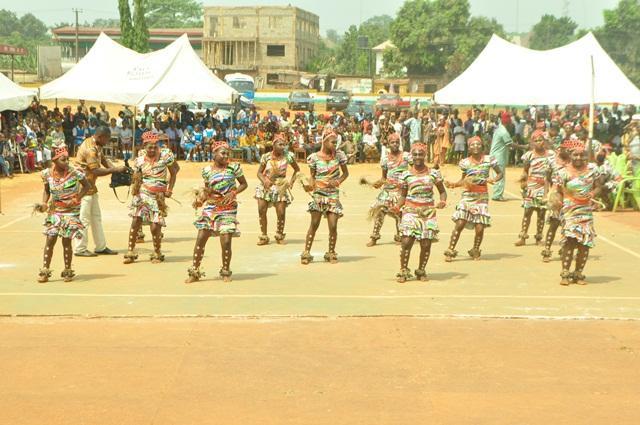 0 Comments 0 Shares 960 Views 0 Reviews
-
Building the Future of Ede-Nta Together
Every great community grows when its people come together with a shared vision.
Ede-Nta has a rich heritage, hardworking people, strong family values, and a deep sense of belonging. As we continue to build a stronger future, we want to hear from every resident, youth, elder, business owner, and diaspora member.
💬 What is the ONE development project you would most like to see in Ede-Nta within the next five years?
Would it be:
✅ Better roads
✅ Improved healthcare facilities
✅ Skills acquisition programs for youth
✅ Better electricity supply
✅ Agricultural support programs
✅ Community ICT and digital learning centers
✅ Improved water supply
Your ideas matter because community development begins with community voices.
Share your thoughts below and let's start the conversation.
#EdeNtaCommunity #CommunityDevelopment #OurFuture #AutonomousCommunitiesBuilding the Future of Ede-Nta Together Every great community grows when its people come together with a shared vision. Ede-Nta has a rich heritage, hardworking people, strong family values, and a deep sense of belonging. As we continue to build a stronger future, we want to hear from every resident, youth, elder, business owner, and diaspora member. 💬 What is the ONE development project you would most like to see in Ede-Nta within the next five years? Would it be: ✅ Better roads ✅ Improved healthcare facilities ✅ Skills acquisition programs for youth ✅ Better electricity supply ✅ Agricultural support programs ✅ Community ICT and digital learning centers ✅ Improved water supply Your ideas matter because community development begins with community voices. Share your thoughts below and let's start the conversation. #EdeNtaCommunity #CommunityDevelopment #OurFuture #AutonomousCommunities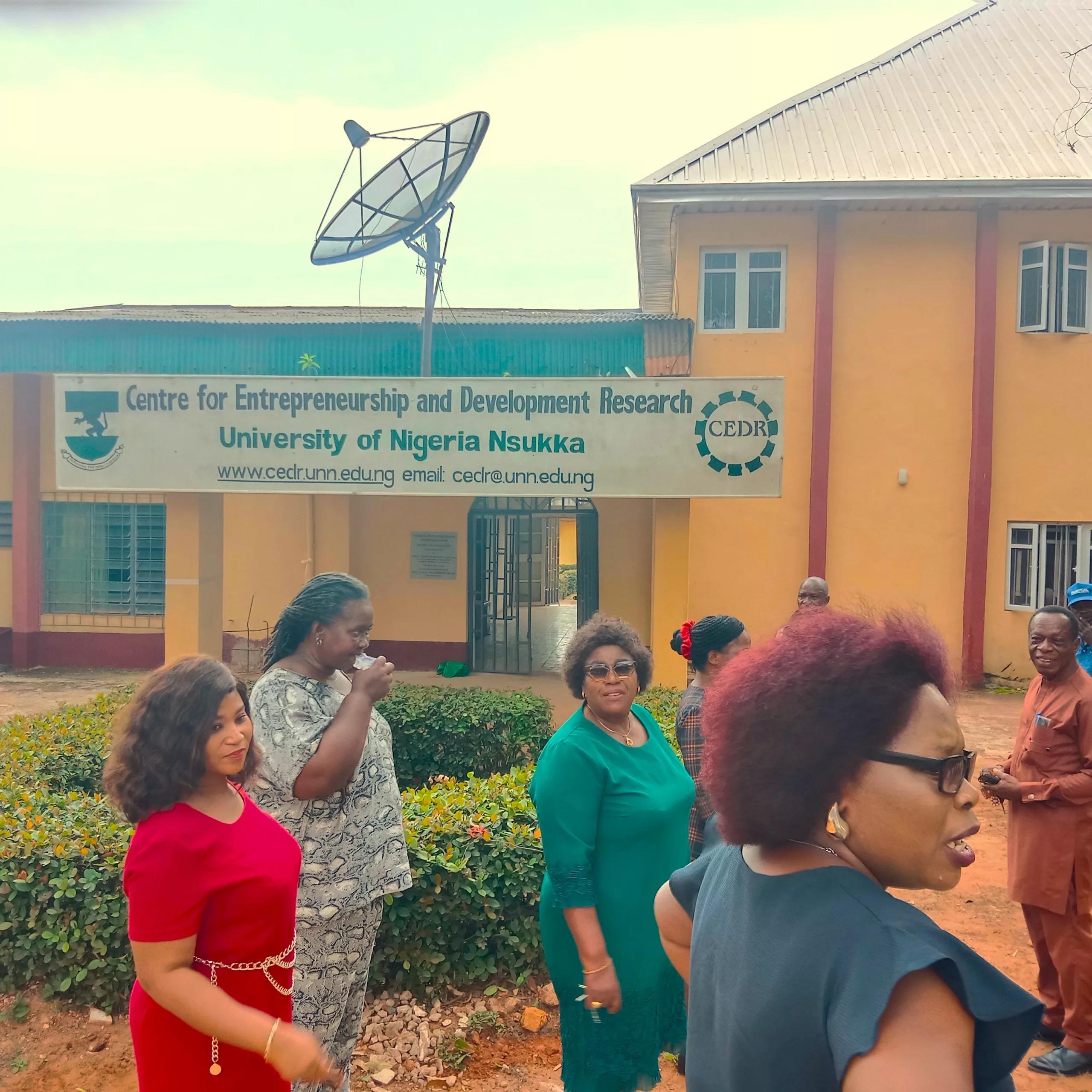 0 Comments 0 Shares 962 Views 0 Reviews
More Stories
