


================================================================================
🏡 ABOUT EZE-BUNAGU AUTONOMOUS COMMUNITY
================================================================================
📍 Location : Nsukka Local Government Area | Enugu State | Nigeria
🌐 Platform : https://autonomouscommunities.com/groups/Ezebunagu
📄 Doc Type : Community Profile — Institutional & Public Edition
📅 Edition : 2025 | For Residents, Diaspora, Investors, NGOs & Partners
================================================================================
━━━━━━━━━━━━━━━━━━━━━━━━━━━━━━━━━━━━━━━━━━━━━━━━━━━━━━━━━━━━━━━━━━━━━━━━━━━━━━
🌟 SECTION 1 — OPENING SUMMARY
━━━━━━━━━━━━━━━━━━━━━━━━━━━━━━━━━━━━━━━━━━━━━━━━━━━━━━━━━━━━━━━━━━━━━━━━━━━━━━
Eze-bunagu Autonomous Community is a sovereign, ancestrally rooted Igbo
settlement in the upland heartland of Nsukka Local Government Area, Enugu
State — a community whose very name carries the weight of royal legacy,
where generations of farmers, thinkers, titled men, and community builders
have carved out a distinct identity on the Nsukka plateau that endures in
culture, governance, and spirit, and now stands at the threshold of a new
era of visibility, digital presence, and purposeful development.
━━━━━━━━━━━━━━━━━━━━━━━━━━━━━━━━━━━━━━━━━━━━━━━━━━━━━━━━━━━━━━━━━━━━━━━━━━━━━━
📜 SECTION 2 — HISTORY & ORIGIN
━━━━━━━━━━━━━━━━━━━━━━━━━━━━━━━━━━━━━━━━━━━━━━━━━━━━━━━━━━━━━━━━━━━━━━━━━━━━━━
🏺 The Name — What "Eze-bunagu" Means
──────────────────────────────────────────
To understand Eze-bunagu, one must begin with its name — for in the Igbo
tradition of the Nsukka zone, names are not arbitrary labels. They are
declarations, testimonies, and compressed histories of a people.
"Eze" in Igbo means "king," "chief," or "ruler" — a title of supreme authority
and ancestral dignity. "Bu" is the Igbo verb "is" or "belongs to." "Nagu"
carries meanings connected to honour, grandeur, or a reference to a specific
ancestral circumstance, event, or person depending on the community's oral
tradition. Together, "Eze-bunagu" is widely understood in context as a name
that honours royal or chiefly identity — a community name that declares its
origins as a place of kingship, high-born ancestry, or the founding settlement
of a great leader.
The precise etymology and the founding story behind the name are living knowledge
held in the oral tradition of the community's elders. Available local records in
publicly accessible documentation are limited on a single authoritative written
account; community researchers, elders, and diaspora historians are strongly
encouraged to document and preserve the oral narrative before it diminishes with
the passage of time.
🗺️ Founding History & Ancestral Roots
────────────────────────────────────────
Eze-bunagu is situated within Nsukka Local Government Area — one of the
oldest-settled regions of the Igbo world. The Nsukka upland plateau, with its
distinctive laterite soils, rolling farmland, and elevated terrain, was home to
Igbo-speaking settlements long before colonial administration mapped the area
into its present boundaries. The communities of the Nsukka zone are recognised
for a distinct dialect, cultural identity, social organisation, and historical
memory that differs meaningfully from the more extensively documented Igbo
communities of the south.
Eze-bunagu's founding is rooted in the patrilineal ancestral tradition common
to Nsukka-zone Igbo communities — a founding ancestor (or ancestors), whose
name and exploits are preserved in oral tradition, gave rise to the kindreds
(umunna) that continue to define community identity and social structure today.
This founder — whether a king, a warrior, a great farmer, or a community
pioneer — is the origin point of Eze-bunagu's name and self-understanding.
The community's autonomy as a distinct settlement reflects both its geographical
footprint and its social distinctiveness — a people who have always understood
themselves as Eze-bunagu, with their own land, their own rules, their own
ancestral covenant, and their own way of living.
🔵 Migration & Settlement Stories
────────────────────────────────────
Migration traditions in the Nsukka zone speak of ancestral movements across
the plateau — some accounts describing origins in multiple directions as
different lineages arrived, merged, and settled into the community structures
that exist today. Like most Igbo communities in this region, Eze-bunagu's
settlement history likely reflects a layering of founding lineages: an
original settler group, later arrivals who were absorbed, and the gradual
consolidation of identity across generations.
These stories live primarily in the memories of elders and in the oral
ceremonial texts of festivals, masquerade performances, and ancestral
invocations. The urgent need to formally capture, record, and archive
these accounts is one of the most pressing cultural responsibilities
facing the community today.
🏘️ Clans, Kindreds & Family Lineages
────────────────────────────────────────
As is characteristic of northern Igbo communities in Nsukka LGA, Eze-bunagu's
social and governance structure is organised along patrilineal kindred lines —
umunna (literally, "children of one father"). Each kindred traces its descent
from a common ancestor, holds collective obligations in land tenure, marriage
decisions, and ceremonial life, and contributes representatives to the
community's broader governance.
The specific names of all kindreds, clans, and lineage groups within Eze-bunagu
are best confirmed with the community's traditional leadership and town union.
Available local records in publicly accessible databases are limited for this
profile; community leaders are encouraged to formally register and publish this
internal structure as a priority documentation effort.
🏛️ The Autonomy Journey
──────────────────────────
Eze-bunagu's status as an Autonomous Community under Enugu State law represents
a formal government recognition of what the community has always known about
itself: that it is a distinct, self-governing people with defined territory,
leadership, customs, and identity. The Enugu State government grants autonomous
community status through a process involving community petition, LGA-level
consultations, documentation of community distinctiveness, and formal gazettal.
This recognition is not merely administrative. It is a cultural affirmation —
a statement that Eze-bunagu's existence, history, and identity deserve formal
acknowledgment in the structures of the Nigerian state. With this status comes
entitlement to traditional ruler recognition, access to LGA development
programmes, community representation in formal governance structures, and
standing to engage with NGOs, government agencies, and development partners
as a recognised entity.
The community's active digital profile on AutonomousCommunities.com at
https://autonomouscommunities.com/groups/Ezebunagu is a next step in this
visibility journey — from administrative recognition to institutional
visibility on a national and international platform.
━━━━━━━━━━━━━━━━━━━━━━━━━━━━━━━━━━━━━━━━━━━━━━━━━━━━━━━━━━━━━━━━━━━━━━━━━━━━━━
👥 SECTION 3 — COMMUNITY IDENTITY & LIFESTYLE
━━━━━━━━━━━━━━━━━━━━━━━━━━━━━━━━━━━━━━━━━━━━━━━━━━━━━━━━━━━━━━━━━━━━━━━━━━━━━━
💬 Who Are the People of Eze-bunagu?
───────────────────────────────────────
The people of Eze-bunagu are northern Igbo — speakers of the distinctive Nsukka
Igbo dialect that marks them as part of a cultural zone with its own cadence,
vocabulary, and communal rhythms. They are a people of the land — patient,
resilient, community-minded, and deeply connected to the red soil that their
ancestors cleared, farmed, and hallowed across generations.
There is a particular dignity in the way Eze-bunagu people carry themselves —
a dignity rooted in the community's royal namesake and reinforced by the norms
of communal life: the expectation that one will participate, contribute, show
up at ceremonies, support grieving families, and be counted when the community
calls. This is not an unusual expectation in Igbo communities, but in
Eze-bunagu it carries the particular weight of a name that means something
about where you come from.
A visitor to the community is welcomed as a guest of the entire compound, not
just the individual host. Kola nut is broken with proper protocol. Palm wine
is shared. The conversation moves from greetings to family to news to the
eternal Igbo question of development — what has been built, what must be built,
and who will contribute.
🌾 Family Structure & Kinship
─────────────────────────────────
The family in Eze-bunagu is the bedrock of everything. The extended family —
not the nuclear household but the umunna, the kinship network — is the primary
unit of identity, decision-making, and mutual obligation. You are not first
"a man" or "a woman" in Eze-bunagu; you are first "Nwadike's son" or "the
daughter of the Onyia family" — your identity is relational, and that
relationality carries both rights and responsibilities.
Women are the invisible pillars of daily life in Eze-bunagu — managing
households, farming, trading, raising children, running churches, contributing
to town union, and increasingly stepping into formal leadership roles. Their
social and economic contribution is incalculable, even when it is not always
formally counted.
Children are raised with a strong sense of community belonging — learning who
their people are, what their family's history means, and what it means to be
from Eze-bunagu. This cultural transmission — through stories, ceremonies,
discipline, and celebration — is the invisible curriculum of community life.
🦅 Community Pride & Everyday Character
──────────────────────────────────────────
Eze-bunagu people carry a pride that is not boastful but quiet and deep — the
kind of pride that shows up in how well a ceremony is organised, how generously
a family contributes to a community project, how quickly people come together
in times of loss, and how far a son or daughter travels for a homecoming.
Everyday life in the community follows the rhythms of farming seasons, school
calendars, church programmes, and market days — punctuated by the heightened
social events of festival, burial, marriage, and community meeting. Life here
is not fast-paced, but it is full — full of relationship, responsibility,
and meaning.
━━━━━━━━━━━━━━━━━━━━━━━━━━━━━━━━━━━━━━━━━━━━━━━━━━━━━━━━━━━━━━━━━━━━━━━━━━━━━━
🏛️ SECTION 4 — GOVERNANCE & LEADERSHIP
━━━━━━━━━━━━━━━━━━━━━━━━━━━━━━━━━━━━━━━━━━━━━━━━━━━━━━━━━━━━━━━━━━━━━━━━━━━━━━━
👑 Traditional Ruler
───────────────────────
As a formally recognised autonomous community, Eze-bunagu is entitled to a
traditional ruler — typically an Igwe, Eze, or Community Head — whose
appointment or selection follows the community's own customs and receives
formal recognition from the Enugu State government through the Ministry of
Chieftaincy Affairs and Local Government.
Given the royal resonance of the name "Eze-bunagu," the community's traditional
ruler holds a title of particular symbolic significance — representing not only
administrative authority but the living embodiment of the community's founding
identity as a place of royal dignity.
The name and specific title of the current traditional ruler of Eze-bunagu are
best confirmed with the Nsukka LGA Traditional Rulers Council and the Enugu
State Ministry responsible for traditional institutions. Community leaders are
encouraged to update this record on the platform at
https://autonomouscommunities.com/groups/Ezebunagu to ensure institutional
accuracy and accessibility.
🧓 Council of Elders (Ndi Ichie)
───────────────────────────────────
The council of elders provides the moral and advisory framework within which
all significant community decisions are made. These are men — and increasingly
women in formal advisory roles — who have demonstrated wisdom, integrity, and
commitment to community welfare over decades of service and life experience.
In Nsukka-zone Igbo communities, the elders are not merely ceremonial figures.
They are living archives, conflict mediators, land custodians, and the
conscience of the community. When the town union meets, when a family dispute
arises, when a development project must be approved, the elders' voice carries
weight that no government appointment can confer or revoke.
🤝 Town Union
────────────────
The Eze-bunagu Town Union is the community's primary development governance
body — a structure that spans resident and diaspora membership and serves as
the platform for collective decision-making, development funding, project
execution, and community representation before external bodies.
Typical town union structure includes:
✅ President-General — the executive head of the union
✅ Secretary-General — chief administrative officer
✅ Financial Secretary and Treasurer — resource management
✅ Executive Committee — sector-specific portfolios
✅ Village/Ward Representatives — local governance links
✅ Welfare Officer — social support coordination
✅ Public Relations Officer — community communications
The town union convenes at regular intervals — typically during community
meetings, at Christmas homecoming, and during special occasions — bringing
together residents and diaspora to review progress, allocate resources, and
chart the community's development course.
👩 Women's Leadership
────────────────────────
Women's leadership in Eze-bunagu takes several forms:
→ Women's Wing of the town union
→ Market women's associations
→ Church women's fellowships and groups
→ Informal cooperative savings and support circles (otu)
→ Age-based women's peer groups
These structures are not peripheral to community governance — they are the
social glue that holds much of daily community life together. Women's groups
typically mobilise for welfare (owed support to bereaved families, sick
members), for community sanitation, for church-based development, and
increasingly for formal advocacy in development planning.
🧑 Youth Leadership & Age Grades (Otu Ogbo)
─────────────────────────────────────────────
Age grades are one of the most enduring and functional governance institutions
in the Nsukka Igbo cultural universe. Young men born within a defined age
cohort are constituted into a named age grade — a group that carries collective
identity, responsibilities, and rights throughout their lives.
Age grades in communities like Eze-bunagu historically:
→ Provide the labour force for community development projects
→ Serve as the enforcement arm of community decisions
→ Participate formally in ceremonial life (festivals, burials, installations)
→ Maintain communal infrastructure
→ Act as a pipeline for future leadership
Youth associations — distinct from traditional age grades — also exist and
are increasingly active in digital engagement, skills advocacy, community
clean-up initiatives, and social enterprise.
🌍 Diaspora Structures
─────────────────────────
Sons and daughters of Eze-bunagu resident in major Nigerian cities (Lagos,
Abuja, Enugu, Port Harcourt, Onitsha) and in the global diaspora (United
Kingdom, United States, Canada, Europe, and beyond) form the community's
extended membership — contributing financially to family welfare and community
development, returning for homecomings, and participating in major decisions.
Diaspora structures may include:
→ Lagos branch of the Eze-bunagu Town Union
→ Abuja/FCT branch association
→ International diaspora chapter (where formally constituted)
→ WhatsApp and social media community groups
Formalisation and better coordination of diaspora structures represent one of
the community's most significant untapped development opportunities.
━━━━━━━━━━━━━━━━━━━━━━━━━━━━━━━━━━━━━━━━━━━━━━━━━━━━━━━━━━━━━━━━━━━━━━━━━━━━━━
🗺️ SECTION 5 — VILLAGES & INTERNAL STRUCTURE
━━━━━━━━━━━━━━━━━━━━━━━━━━━━━━━━━━━━━━━━━━━━━━━━━━━━━━━━━━━━━━━━━━━━━━━━━━━━━━━
🏘️ Settlement Layout
───────────────────────
Eze-bunagu's internal geography follows the characteristic pattern of Nsukka
Igbo community organisation:
📌 FAMILY COMPOUNDS (Ama Ezi / Ulo) — The foundational settlement unit;
a compound houses an extended family group, typically several
generations of a nuclear-to-extended family structure around a
shared courtyard and ancestral space.
📌 KINDRED GROUPINGS (Umunna) — Related family compounds grouped by
shared patrilineal descent. The umunna is the primary social,
landholding, and ceremonial unit above the household.
📌 VILLAGE UNITS (Ogbe / Ama) — Named village sections or quarters
that group related kindreds into a defined territorial and
governance unit. Each village or quarter typically has its own
head (Onye-isi Ogbe / Isi-Ama) who sits within the broader
community governance council.
📌 THE AUTONOMOUS COMMUNITY — Eze-bunagu as a whole, the highest
unit of communal identity and the entity recognised by Enugu
State law.
The precise names of all villages, quarters, kindreds, and wards within
Eze-bunagu's boundaries are best confirmed with the community's leadership.
Available local records accessible for this profile are limited on a complete
named listing of sub-units. Community leaders and the town union are strongly
encouraged to formally document, publish, and register this internal structure
on the AutonomousCommunities.com platform as a foundational step in
institutional visibility.
🌳 Relationship with Neighbouring Communities
────────────────────────────────────────────────
Eze-bunagu exists within the social ecology of Nsukka LGA's community
constellation — sharing land boundaries, intermarriage traditions, market
participation, and in some cases historical connections with neighbouring
autonomous communities. These relationships — which may be cordial, contested,
or complex — are managed through traditional protocols, elder mediation, and
where necessary, LGA-level administration.
Understanding Eze-bunagu requires understanding it as a community embedded
in a web of local relationships — not an island, but a distinct voice in a
multi-community conversation that has been ongoing for centuries.
━━━━━━━━━━━━━━━━━━━━━━━━━━━━━━━━━━━━━━━━━━━━━━━━━━━━━━━━━━━━━━━━━━━━━━━━━━━━━━
🎭 SECTION 6 — CULTURE, FESTIVALS & HERITAGE
━━━━━━━━━━━━━━━━━━━━━━━━━━━━━━━━━━━━━━━━━━━━━━━━━━━━━━━━━━━━━━━━━━━━━━━━━━━━━━━
🌽 Festivals & Celebrations
──────────────────────────────
🌾 NEW YAM FESTIVAL (Iri Ji / Ọnwa Asaa):
The New Yam Festival is the single most important agricultural and
cultural event in the Nsukka Igbo calendar — and it lives at the
heart of Eze-bunagu's annual communal life. It marks the harvest of
the new yam crop — the prestige food, the ceremonial centrepiece,
the king of Igbo agriculture — and it does so with offerings to
the ancestors, communal feasting, masquerade performances, music,
dance, and the return of sons and daughters from the cities.
In communities of the Nsukka zone, the New Yam Festival (held
typically in July-August, aligned with the harvest season) is the
moment when the community comes fully alive — when the entire
membership, resident and diaspora, converges on the community;
when disputes are settled before the celebration begins; when the
traditional ruler presides; and when the community reaffirms its
covenant with the land and with the ancestors who gave it.
🎭 MASQUERADE CEREMONIES (Omabe & Related Traditions):
The Nsukka zone is home to some of Igboland's most powerful
masquerade traditions, chief among them the Omabe masquerade —
the ancestral spirit masquerade that emerges at defined times of
the year to visit the community of the living, assert communal
order, and honour those who have died with distinction.
Omabe is not entertainment. It is sacred governance — the ancestors
speaking through the masquerade to enforce community values, punish
wrongdoing, celebrate achievement, and mark the passage between
life and death for those who have earned such honour. Its appearance
in a community is a statement of cultural continuity and ancestral
vitality.
Communities in the Nsukka zone, including those in the Eze-bunagu
area, participate in masquerade traditions that are among the most
visually spectacular and spiritually significant in southeastern
Nigeria. Specific masquerade names, protocols, and appearance
schedules within Eze-bunagu are governed by community elders and
are best described in their local context.
🏆 AGE GRADE CONSTITUTIONS & CELEBRATIONS:
The formal constitution of a new age grade — and the graduation of
existing grades to senior status — is a community-wide celebration
marking generational continuity and social order.
⛪ CHRISTIAN CALENDAR HOMECOMINGS:
Christmas and Easter have become major homecoming seasons in
Eze-bunagu's annual calendar. The community briefly reaches its
full demographic complement as diaspora members return, church
services overflow with familiar faces, family compounds fill with
laughter and food, and the community experiences itself as whole
again — if only for a few weeks.
💒 Marriage Customs
─────────────────────
Marriage in Eze-bunagu follows the Igbo customary tradition in a sequence
that moves from the private to the communal:
→ 💬 Iku Aka — the formal family introduction; the man's family visits
the woman's family to express interest
→ 💰 Ime Ego / Ikwa Ego — the bride price negotiation, a symbolic
exchange that seals the alliance between families (the exact
practice varies by family and negotiation)
→ 🎊 Igba Nkwu (Traditional Wedding) — the public ceremony of wine
carrying, gift exchange, elder blessings, dancing, and communal
witness; the heart of the customary marriage
→ ⛪ Church Wedding — for Christian families, the church ceremony
follows or accompanies the traditional rite
→ 🎶 Community Celebration — the wider community participates through
food sharing, music, and the joyful witnessing of new alliance
Marriage in Eze-bunagu is a community event, not merely a personal one.
The entire umunna participates, and the quality of a marriage ceremony
reflects on the family's standing and hospitality.
⚰️ Burial & Funeral Customs
──────────────────────────────
Death in Eze-bunagu is met with a fullness of ceremony that reflects the
Igbo understanding of death as passage, not extinction. A well-organised
burial — especially for an elder who has lived well — is one of the
community's most significant social events:
→ Family gathering from across Nigeria and abroad
→ All-night vigils (ichi oji) with drumming, singing, and storytelling
→ Masquerade appearances for titled elders (Ozo title holders and above)
→ Church funeral services for Christian community members
→ Community-wide food sharing (ofe ji, palm wine, and more)
→ Second burial (ishi onu) celebrations in some cases — honouring
the deceased months or a year after burial with elaborate ceremony
The community's participation in funerals is not merely ceremonial — it is a
statement of solidarity, of the mutual support (onye mmadu) that underpins
communal life and ensures that no family faces grief alone.
🥁 Music, Dance & Creative Expressions
──────────────────────────────────────────
The musical culture of Eze-bunagu reflects the broader Nsukka Igbo tradition:
🎵 Ogene music — iron gong ensemble; the quintessential sound of the
Nsukka zone and one of Igboland's most distinctive musical forms
🎵 Oja flute — hauntingly melodic, used in ceremonial and masquerade
contexts
🎵 Ekwe — the wooden slit drum that anchors communal percussion
🎵 Communal call-and-response singing (abu ọmụmụ, abu oyi) —
particularly at festivals, burials, and women's group gatherings
🎵 Contemporary gospel music — increasingly dominant at church and
community events
Dance forms include traditional masquerade-associated movements, women's
celebratory dances at marriage and childbirth, and the energetic age-grade
displays that mark community celebrations.
👘 Attire & Dress
───────────────────
🎖️ Ozo Titled Men: Full Ozo title regalia — white outfit, eagle
feather (Isi Ngwele or Isi Agba), ivory bangles, staff of
office, and red cap; the full embodiment of male communal honour
👘 Elder Men: George wrappers, white or traditional woven fabric,
red caps of distinguished community membership
👗 Women (Festive): Brightly coloured George fabric wrappers, head
ties (Ichafụ), coral bead necklaces, and other beaded jewellery
🌿 Everyday Dress: Practical clothing for farming, market, and
domestic life, increasingly blended with contemporary fashion
🍲 Food & Cuisine
───────────────────
The food culture of Eze-bunagu is rooted in Nsukka Igbo culinary tradition —
deeply agricultural, seasonal, and communal:
🍛 Ofe Onugbu — bitter leaf soup; a community staple and point of pride
🥬 Ofe Okazi — wild vegetable soup with rich, earthy depth
🥜 Ofe Egusi — melon seed soup, universally loved
🫘 Achicha and Ede — cocoyam-based dishes particularly associated with
the Nsukka zone and its cultural distinctiveness
🍚 Ji (Yam) — boiled, pounded (ji oka), roasted, or fried; the
ceremonial and everyday king of Nsukka Igbo cuisine
🌽 Akidi — black-eyed cowpea dishes, rich in protein
🌴 Mmanya Nkwu (Palm Wine) — tapped fresh, present at every ceremony,
the social lubricant of Igbo community life
🍖 Ugba (Ukpaka / Oil Bean) — fermented, aromatic, and uniquely Nsukka;
typically served as a side at social events
🫙 Palm oil — home-processed, deep-red, and full of flavour; a
household and market staple
📖 Taboos, Sacred Customs & Oral History
───────────────────────────────────────────
Eze-bunagu, like all established Igbo communities, observes Nso Ala —
taboos that regulate conduct, protect communal harmony, and honour the
ancestral covenants made with the land and its spiritual custodians.
These include prohibitions on certain actions within sacred spaces, during
certain periods, and in relation to specific community relationships.
The specifics of Nso Ala in Eze-bunagu are communally held, spiritually
significant, and appropriately shared by community elders in proper context
— not for casual publication, but for respectful community education and
cultural preservation.
The community's oral history lives in elder accounts (ụka ndị Ichie), praise
poetry (abụ otito), the invocations used at ceremonies, and the masquerade
traditions that carry ancestral memory in every performance. This is an archive
more precious than any physical monument — and equally vulnerable to erosion
if not actively preserved.
━━━━━━━━━━━━━━━━━━━━━━━━━━━━━━━━━━━━━━━━━━━━━━━━━━━━━━━━━━━━━━━━━━━━━━━━━━━━━━
⛪ SECTION 7 — RELIGION & FAITH INSTITUTIONS
━━━━━━━━━━━━━━━━━━━━━━━━━━━━━━━━━━━━━━━━━━━━━━━━━━━━━━━━━━━━━━━━━━━━━━━━━━━━━━━
✝️ Christianity in Eze-bunagu
────────────────────────────────
Christianity — particularly Roman Catholicism, Anglican (Church of Nigeria),
and Pentecostal/charismatic denominations — is the dominant organised religion
in Eze-bunagu, as across the Nsukka zone. Catholic missionary activity in
the late colonial period established deep roots in the region, founding schools,
health posts, and churches that shaped generations of community members.
The faith institutions of Eze-bunagu serve multiple roles simultaneously:
⛪ Spiritual Life — worship, sacraments, prayer, counselling
📚 Education — mission-linked schools, adult literacy, Bible study
🤝 Welfare — support for sick, bereaved, and disadvantaged members
👩 Women's Mobilisation — women's guilds, fellowships, and the
remarkable organising power of Catholic women's groups
🧑 Youth Formation — Christian youth fellowships, choirs,
altar service
💰 Community Development — church-funded projects; buildings,
water, and in some cases road repair
Specific church names, parishes, and denominations operating within
Eze-bunagu are best confirmed with community leadership; available local
records are limited on a complete listing for this profile.
🕯️ Traditional Religious Institutions
─────────────────────────────────────────
Traditional religion — the reverence of Ala (the earth deity), the ancestral
spirits (Mmụọ), and the forces of nature and community covenant — is a living
dimension of Eze-bunagu's spiritual landscape. It is not opposed to Christianity
in the minds of many community members; rather, it occupies a different sphere
— the sphere of land, ancestry, communal covenant, and the governance of
relationships between the living and the departed.
The Eze Ala (earth priest) and other traditional spiritual custodians hold
roles that governments cannot fill and churches do not replace — enforcing
sacred boundaries, performing community cleansing rites, adjudicating
land-related covenants, and maintaining the spiritual health of the community
in relation to its ancestral territory.
Masquerade traditions — particularly Omabe — are inseparable from this
traditional spiritual framework. They are not "entertainment"; they are
governance, communication, and ceremony in one.
🕌 Islam
───────────
Islam is not historically a significant presence in the Nsukka Igbo zone
of Enugu State. Available local records do not indicate a notable Muslim
community within Eze-bunagu. Any Muslim residents of the community would
typically access mosques and Islamic services in Nsukka town.
🙏 Faith as a Development Force
──────────────────────────────────
Faith institutions in Eze-bunagu — particularly the churches — represent
one of the community's most consistent and locally trusted development
actors. Their capacity for mobilisation, their financial accountability
within their congregations, and their moral authority make them natural
partners for external development programmes, NGO interventions, and
social welfare efforts.
Any development organisation seeking to work effectively in Eze-bunagu
should engage its faith institutions early and respectfully.
━━━━━━━━━━━━━━━━━━━━━━━━━━━━━━━━━━━━━━━━━━━━━━━━━━━━━━━━━━━━━━━━━━━━━━━━━━━━━━
💼 SECTION 8 — ECONOMY & MARKETPLACE
━━━━━━━━━━━━━━━━━━━━━━━━━━━━━━━━━━━━━━━━━━━━━━━━━━━━━━━━━━━━━━━━━━━━━━━━━━━━━━━
🌾 Agriculture — The Living Foundation
──────────────────────────────────────────
Agriculture is the economic lifeblood of Eze-bunagu. The fertile red laterite
soils of the Nsukka plateau support a diverse range of crops that feed families,
supply local markets, and anchor community identity:
🌿 Yam (Ji) — the prestige crop; cultivated for food, for sale,
for ceremony, and for the New Yam Festival that organises
the community's social calendar
🥬 Vegetables — bitter leaf (onugbu), fluted pumpkin leaf (ugwu),
waterleaf, okazi, oha — grown for home use and market sale
🍅 Tomatoes, peppers (both fresh and dried), and garden eggs
🌽 Maize (Ọka) and sorghum (guinea corn)
🫘 Cowpea / Black-eyed beans (Akidi, Ede) — protein staple
🥜 Groundnuts — for oil, snacking, and market sale
🌿 Cassava — increasingly important for food security year-round
🌴 Oil palm — for palm oil, palm kernel, and brooms; processed
at household level and sold in local markets
🐓 Poultry — chickens, guinea fowl, ducks — raised in most
compounds for home use and ceremonial occasions
Farming is primarily smallholder and subsistence-to-market in scale.
Women play a dominant role in vegetable cultivation, processing, and
the farm-to-market chain. Men typically lead in yam cultivation and
heavier land-clearing work. Children participate from a young age,
absorbing agricultural knowledge that is as much cultural as it is
economic.
Agricultural constraints include: limited access to farm credit and
inputs, post-harvest losses (no adequate storage facilities), minimal
mechanisation, poor farm access roads, and limited extension service
support from LGA or state agricultural agencies.
🛒 Trading & Markets
───────────────────────
Market trading is a vital second pillar of the Eze-bunagu economy.
Community members participate in:
→ Nsukka town markets — Ogige Market (one of the largest in
southeastern Nigeria), Nsukka Main Market, and specialist
markets for specific commodities
→ Roadside and homestead trading — vegetables, cooked food,
farm produce sold directly from the community
→ Periodic local markets in nearby communities — typically
held on a four-day or eight-day Igbo market cycle
Women dominate the trading economy — running small-scale businesses
that are the primary source of household cash income in many families.
🔨 Artisanship & Skilled Trades
──────────────────────────────────
The community includes skilled tradespeople whose work serves both
local and wider markets:
🔧 Welding and metal fabrication
🪵 Carpentry and furniture-making
🧱 Block moulding and building construction trades
✂️ Tailoring, fashion design, and clothing alterations
💇 Hairdressing and barbering services
🏍️ Commercial motorcycle (okada) operation — a key transport
and income source
🛻 Commercial vehicle and tricycle (keke) transport
📱 Phone and electronics repair
🏗️ Painting, plastering, and general building contracting
🏫 Civil Service & Professional Employment
─────────────────────────────────────────────
The University of Nigeria, Nsukka — one of Nigeria's premier research
universities — is located in Nsukka town, within accessible distance of
Eze-bunagu. This proximity creates a culture of educational aspiration
and professional employment that is one of the community's quiet
economic strengths.
Teachers, nurses, civil servants, university staff, and government
employees from Eze-bunagu commute to Nsukka town and beyond for
professional roles. The professional class of the community is a
resource for development advocacy, institutional connections, and
knowledge transfer.
💸 Diaspora Remittances
──────────────────────────
Diaspora remittances constitute a significant — if formally unmeasured —
economic resource for Eze-bunagu. Sons and daughters in Lagos, Abuja,
Port Harcourt, Europe, North America, and elsewhere regularly send money
home to support:
→ School fees and educational expenses
→ Healthcare costs and hospital bills
→ House construction and renovation
→ Farm input funding
→ Community development project contributions
→ Family ceremony and celebration costs
This financial flow — individually small but collectively significant —
is the real safety net for many Eze-bunagu families. Formalising and
channelling this flow into structured community development investments
represents one of the community's most accessible growth opportunities.
📱 Youth Enterprise & the Emerging Economy
─────────────────────────────────────────────
Younger community members are beginning to explore new economic pathways:
→ Mobile money agency banking (a growing rural financial service)
→ Social media-based trade and marketing
→ Poultry farming at household and small-commercial scale
→ Event planning, photography, and videography
→ Digital freelancing (graphic design, content, data entry)
→ Logistics and dispatch riding
These activities are nascent but real — and represent the seeds of a
diversified community economy that can grow significantly with skills
support, mentorship, and connectivity investment.
🛍️ Products & Services for AutonomousCommunities.com Marketplace
────────────────────────────────────────────────────────────────────
The following products and services from Eze-bunagu are suitable for
listing on the platform marketplace at
https://autonomouscommunities.com/groups/Ezebunagu:
✅ Fresh yam and dried yam products (ji ọcha, achicha)
✅ Natural red palm oil (locally pressed, high quality)
✅ Organic vegetables — ugwu, onugbu, waterleaf, okazi
✅ Ugba (fermented oil bean — ukpaka)
✅ Local groundnut oil
✅ Dried pepper and spice blends
✅ Free-range poultry and eggs
✅ Handcrafted woodwork and furniture
✅ Tailoring and fashion design services
✅ Building and construction trades services
✅ Local palm kernel products
✅ Achicha and ede (traditional Nsukka food products)
━━━━━━━━━━━━━━━━━━━━━━━━━━━━━━━━━━━━━━━━━━━━━━━━━━━━━━━━━━━━━━━━━━━━━━━━━━━━━━
🏫 SECTION 9 — EDUCATION, HEALTH & INFRASTRUCTURE
━━━━━━━━━━━━━━━━━━━━━━━━━━━━━━━━━━━━━━━━━━━━━━━━━━━━━━━━━━━━━━━━━━━━━━━━━━━━━━━
📚 Education
──────────────
🏫 PRIMARY EDUCATION:
Primary school access exists for Eze-bunagu children through
government primary schools operating under the Enugu State Universal
Basic Education Board (SUBEB). The specific names and current
operational condition of primary schools directly serving the
community are best confirmed with the town union and LGA records;
available local records are limited for this profile.
🏫 SECONDARY EDUCATION:
Secondary school students access facilities in Nsukka town and
surrounding communities — typically travelling daily by commercial
motorcycle or keke. The cost and logistics of secondary school
travel is a real burden on families, contributing to dropout risk
particularly for girls.
🎓 TERTIARY EDUCATION:
The University of Nigeria, Nsukka — Nigeria's first indigenous
university, founded in 1960 — is the aspirational educational
landmark for the entire Nsukka zone. A growing number of Eze-bunagu
indigenes hold university degrees, bringing professional and
technical expertise back to (and from) the community.
Other options include Enugu State University of Science and Technology
(ESUT), Institute of Management and Technology (IMT) Enugu, and
numerous polytechnics and colleges across the state.
📖 LITERACY:
Adult literacy is generally improving across generations. Digital
literacy remains low across most age groups, particularly among
women and those over 40. This gap represents both a challenge and
a targeted intervention opportunity.
⚠️ EDUCATION CHALLENGES:
→ Infrastructure quality in government schools (classrooms,
furniture, toilets)
→ Teacher shortages and irregular attendance in public schools
→ Financial burden of secondary and tertiary education on families
→ Limited vocational/skills training options within the community
→ Gender gaps in secondary school completion in some households
→ No digital learning infrastructure at community level
🏥 Health
───────────
🏥 HEALTHCARE ACCESS:
Primary healthcare is delivered through the LGA Primary Health
Centre (PHC) network under Nsukka LGA's health management system.
More specialised care requires travel to Nsukka town — where
government general hospitals, mission hospitals, and private
clinics provide secondary care — or to Enugu city (approximately
70km) for tertiary care at the University of Nigeria Teaching
Hospital (UNTH) or other specialist facilities.
Available local records are limited on the name, location, and
current operational status of health facilities directly serving
Eze-bunagu. Community leadership should formally document and
update this information.
⚠️ HEALTH CHALLENGES:
→ Limited specialist and emergency care within or near the community
→ Maternal and child health gaps (antenatal and postnatal care
access, skilled birth attendance)
→ Malaria remains the leading cause of morbidity
→ Inadequate pharmaceutical supply at community level
→ Very low National Health Insurance Scheme (NHIS) coverage
→ Mental health services are effectively absent at community level
→ Limited awareness of non-communicable diseases (hypertension,
diabetes) among older residents
🏗️ Infrastructure
──────────────────
🛣️ ROADS:
Road infrastructure is one of Eze-bunagu's most pressing challenges.
Internal community roads are largely untarred, susceptible to severe
erosion damage during the rainy season (which is heavy on the Nsukka
plateau), and inadequately maintained. This directly affects:
→ Farm-to-market transport and post-harvest losses
→ School attendance and safety (especially for children)
→ Emergency healthcare access
→ Investor and business attractiveness
→ Commercial vehicle access
⚡ ELECTRICITY:
Eze-bunagu falls under the Enugu Electricity Distribution Company
(EEDC) service area. As with most rural and peri-urban communities
in Nigeria, power supply is irregular, unreliable, and frequently
absent for extended periods. Households and small businesses rely
heavily on petrol/diesel generators — a costly burden.
Solar energy adoption is growing at household level and represents
one of the most immediately achievable infrastructure improvements
for the community, either through individual household systems or
a community micro-grid model.
💧 WATER:
Access to clean, reliable, pipe-borne water is limited. Community
members primarily source water from boreholes (government-provided
and community-funded), hand-dug wells, seasonal streams, and
rainwater harvesting. Borehole maintenance and sustainability are
ongoing challenges.
📶 TELECOMMUNICATIONS & INTERNET:
Major Nigerian network providers (MTN, Airtel, Glo, 9mobile) provide
mobile voice and data coverage across the Nsukka zone. Internet access
is primarily through mobile data — functional but expensive relative
to household incomes. Fixed broadband and fibre connectivity are
effectively absent in most of the community. This limits e-commerce,
digital education, telemedicine, remote work, and digital governance.
🚌 TRANSPORTATION:
Commercial motorcycles (okada) are the dominant mode of local
transport. Tricycles (keke napep) serve some routes. Shared
minibuses connect the community to Nsukka town and beyond. Private
vehicle ownership is limited but growing among professional and
diaspora-linked households.
🔒 SECURITY INFRASTRUCTURE:
Community-based security posts and vigilance groups exist in various
forms. Formal police presence is based in Nsukka town; the community
relies primarily on its own social structures — age grades, community
watch, and elder authority — for maintaining local order.
━━━━━━━━━━━━━━━━━━━━━━━━━━━━━━━━━━━━━━━━━━━━━━━━━━━━━━━━━━━━━━━━━━━━━━━━━━━━━━
🛡️ SECTION 10 — SECURITY, POPULATION & DIASPORA
━━━━━━━━━━━━━━━━━━━━━━━━━━━━━━━━━━━━━━━━━━━━━━━━━━━━━━━━━━━━━━━━━━━━━━━━━━━━━━━
🔐 Safety & Security Environment
───────────────────────────────────
Eze-bunagu is regarded as a generally peaceful community. The strong social
cohesion characteristic of Nsukka-zone Igbo communities — the density of
kinship networks, the authority of elders, the social regulatory function
of age grades, and the deeply community-oriented nature of daily life — creates
a social environment where disorder is neither anonymous nor unchecked.
The broader Nsukka LGA area has experienced some security pressures common to
the southeast Nigerian region in recent years, including concerns related to
unknown gunmen incidents affecting the region, agricultural land security, and
youth restiveness. Community peace structures — including elder councils,
town union conflict mediation, and community vigilance — remain active responses.
Eze-bunagu's community-based security approach, rooted in social cohesion rather
than formal enforcement infrastructure, is both its strength and its limitation
— effective for internal social regulation, but dependent on broader state
security environments for protection against external threats.
👥 Population Profile
───────────────────────
Specific population data for Eze-bunagu as a distinct autonomous community
is limited in publicly accessible national or LGA records. Nigeria's last
comprehensive census was conducted in 2006 and does not disaggregate data
at autonomous community level in publicly accessible formats.
Based on community type, settlement density, and Nsukka LGA patterns:
→ Resident population is estimated in the range of several hundred to
a few thousand people — exact figures require a community-conducted
enumeration
→ Age profile: predominantly young, consistent with Nigeria's national
demographic pattern (median age approximately 17-18 years)
→ Resident adult population: weighted toward women and older men, as
younger men disproportionately migrate to cities for work
→ Out-migration: a structural and ongoing feature, particularly for
post-secondary school cohorts
A community-led population enumeration — even a basic household count — would
significantly improve development planning, grant access, and institutional
engagement.
🌍 Diaspora — An Extended Community
──────────────────────────────────────
The Eze-bunagu diaspora is a genuine community asset — emotionally connected,
financially contributing, and culturally invested in the community's
continuity and development.
Diaspora members are found across:
🏙️ Lagos, Abuja, Enugu city, Port Harcourt, Onitsha — major Nigerian
economic centres
🌍 United Kingdom, United States, Canada, Germany, Italy, Republic
of Ireland, South Africa — international diaspora concentrations
Their contributions to community life include:
→ Monthly and seasonal cash remittances to family members
→ Funding of specific community development projects
→ Scholarship support for younger community members
→ Church and infrastructure donations
→ Political advocacy and community representation in cities
→ Technical skills and professional knowledge transfer
→ Cultural ambassadorship — keeping the name Eze-bunagu alive
in national and international spaces
🏠 Homecoming & Reunion Culture
──────────────────────────────────
The homecoming culture of Eze-bunagu is emotionally significant and
developmentally important. Major homecoming seasons include:
🎄 Christmas & New Year — the largest homecoming moment
🌾 New Yam Festival — culturally the most significant return
💒 Major Family Ceremonies — burials, marriages, Ozo title-taking
🏛️ Town Union Special Assemblies & Development Project Launches
These occasions are when the community is at its fullest — when decisions
are made, funds are raised, disputes are resolved, and the diaspora
reconnects with its obligations and identity at home. Development
organisations, investors, and government agencies that understand
the importance of these homecoming moments will time their engagements
accordingly.
━━━━━━━━━━━━━━━━━━━━━━━━━━━━━━━━━━━━━━━━━━━━━━━━━━━━━━━━━━━━━━━━━━━━━━━━━━━━━━
🏛️ SECTION 11 — GOVERNMENT, NGO & DEVELOPMENT RELEVANCE
━━━━━━━━━━━━━━━━━━━━━━━━━━━━━━━━━━━━━━━━━━━━━━━━━━━━━━━━━━━━━━━━━━━━━━━━━━━━━━━
🗂️ Administrative Context
──────────────────────────────────────
🏛️ Local Government Area : Nsukka LGA
🏢 LGA Headquarters : Nsukka Town
🗺️ State : Enugu State
🌍 Geopolitical Zone : South-East Nigeria
🗳️ Federal Constituency : Nsukka/Igbo-Eze South Federal Constituency
📋 State Constituency : Relevant Nsukka State Constituency (to confirm)
🔖 Community Status : Formally Recognised Autonomous Community
🌐 Digital Platform : https://autonomouscommunities.com/groups/Ezebunagu
As a recognised autonomous community within Nsukka LGA, Eze-bunagu is entitled
to engage formally with:
→ The Nsukka LGA Chairman and Council for development projects
→ Enugu State Government social and agricultural intervention programmes
→ The Nsukka LGA Traditional Rulers Council
→ Enugu State Ministry of Agriculture, Health, Education, Works
→ Federal government social investment programmes (NSIP, TraderMoni, etc.)
→ National Orientation Agency (NOA) community programmes
→ Enugu State House of Assembly constituency representation
📌 SDG Alignment for Development Partners
────────────────────────────────────────────
Eze-bunagu's development profile aligns clearly with multiple Sustainable
Development Goals — providing a strong framing for NGO programmes, CSR
investments, and government interventions:
🎯 SDG 1 — No Poverty : Cooperative farming, livelihood programmes,
microcredit, enterprise support
🎯 SDG 2 — Zero Hunger : Agricultural extension, food storage,
nutrition education, market linkage
🎯 SDG 3 — Good Health : PHC infrastructure, maternal health,
clean water, health insurance expansion
🎯 SDG 4 — Quality Education: School infrastructure, scholarships,
digital literacy, vocational training
🎯 SDG 5 — Gender Equality : Women's enterprise, leadership inclusion,
girls' school retention
🎯 SDG 6 — Clean Water : Borehole sinking, water management,
WASH programmes
🎯 SDG 7 — Clean Energy : Solar micro-grid, household solar access
🎯 SDG 8 — Decent Work : Youth skills, women's cooperatives,
agribusiness development
🎯 SDG 11 — Sustainable Comms: Road, sanitation, governance capacity
🎯 SDG 16 — Peace & Justice : Community peace structures, elder councils,
community legal literacy
🎯 SDG 17 — Partnerships : Diaspora-NGO-government collaboration
🤝 NGO & Government Partnership Opportunities
────────────────────────────────────────────────
✅ Agricultural development organisations (cooperative support, inputs)
✅ Women's economic empowerment programmes
✅ Youth skills and vocational training NGOs
✅ Water, sanitation, and hygiene (WASH) organisations
✅ Education infrastructure and scholarship bodies
✅ Renewable energy access programmes
✅ Cultural heritage documentation and preservation organisations
✅ Digital inclusion and literacy initiatives
✅ Community health outreach and PHC support programmes
✅ Microfinance and community savings enablers
✅ Enugu State Government poverty alleviation and agricultural schemes
✅ Corporate social responsibility (CSR) programmes from Nigerian companies
━━━━━━━━━━━━━━━━━━━━━━━━━━━━━━━━━━━━━━━━━━━━━━━━━━━━━━━━━━━━━━━━━━━━━━━━━━━━━━
⚖️ SECTION 12 — CHALLENGES & OPPORTUNITIES
━━━━━━━━━━━━━━━━━━━━━━━━━━━━━━━━━━━━━━━━━━━━━━━━━━━━━━━━━━━━━━━━━━━━━━━━━━━━━━━
⚠️ Current Challenges
──────────────────────────
🛣️ ROADS & CONNECTIVITY:
Untarred, eroded internal roads limit market access for farmers,
increase transport costs, and reduce the community's attractiveness
to investors and visitors. Seasonal flooding intensifies road
deterioration significantly.
💧 WATER ACCESS:
Reliable, safe water access remains a challenge. Borehole
maintenance, cost-sharing, and seasonal dryness affect consistency.
Water-borne illness risk persists in some areas.
⚡ POWER SUPPLY:
Persistent electricity unreliability — a Nigeria-wide challenge —
particularly affects small businesses, students studying at night,
health services, and the productivity of skilled tradespeople.
🏥 HEALTHCARE GAPS:
Emergency care, specialist medicine, and maternal health services
require travel to Nsukka town. Within the community, PHC coverage
and pharmaceutical access are limited.
📶 DIGITAL CONNECTIVITY:
Mobile data is the only available internet pathway — expensive,
slow, and unreliable. This constrains e-commerce, digital
education, remote work opportunities, and platform engagement.
🏫 EDUCATION INFRASTRUCTURE:
School building quality, teacher availability, and secondary school
access costs create barriers to full educational attainment,
particularly for girls and children from low-income families.
💼 YOUTH UNEMPLOYMENT:
Educated and returning young people find few formal employment
options within or near the community — driving further out-migration
and sometimes disengagement from community life.
👁️ DIGITAL INVISIBILITY:
Eze-bunagu has minimal formal online presence beyond its
AutonomousCommunities.com profile — no official website, no
structured data presence in national development databases, and
limited representation in institutional records. This invisibility
directly limits access to grants, partnerships, and development
attention.
🌾 AGRICULTURAL LIMITATIONS:
Limited access to inputs, credit, mechanisation, storage, and
market linkages constrains farm productivity and income far below
the community's land potential.
🌱 Existing & Emerging Opportunities
──────────────────────────────────────────
✅ AGRICULTURE & AGRO-PROCESSING:
Rich farmland, established agricultural knowledge, and growing
food demand create real opportunity for cooperative farming, organic
produce branding, value-added processing (yam flour, palm oil
packaging, dried vegetables), and market platform sales.
✅ DIASPORA INVESTMENT & CHANNELLING:
A loyal diaspora already sending money home is ready to invest
more systematically if given structured, transparent vehicles —
community development bonds, project crowdfunding, cooperative
shares, or NGO-matched funding programmes.
✅ DIGITAL MARKETPLACE (AutonomousCommunities.com):
The community's platform profile is an immediate, low-cost
opportunity to bring products, services, and community identity
to national and international audiences. See Section 13.
✅ CULTURAL TOURISM:
The Nsukka zone's masquerade traditions, festivals, oral heritage,
and distinctive cuisine represent an underexplored cultural tourism
asset. Eze-bunagu's participation in this heritage — amplified by
its royal name and identity — can attract cultural visitors,
researchers, and documentary-makers.
✅ SOLAR ENERGY ACCESS:
Community-level solar micro-grids are a proven, achievable model
for communities with similar profiles — transforming productivity,
enabling businesses, powering health posts, and reducing the
generator cost burden on households.
✅ YOUTH SKILLS TRAINING:
Targeted vocational training in solar installation, ICT, tailoring,
agro-processing, welding, and digital services can provide immediate
economic pathways without requiring further out-migration.
✅ WOMEN'S COOPERATIVE ENTERPRISE:
Women's existing market and savings groups are ready platforms for
formalised cooperative production, savings, and credit — needing
only structured support and capital access to scale.
✅ GOVERNMENT PROGRAMME POSITIONING:
Better documentation and digital visibility (via the platform
profile) will directly improve Eze-bunagu's ability to access
state and federal social investment programmes, agricultural
extension services, and infrastructure grants.
━━━━━━━━━━━━━━━━━━━━━━━━━━━━━━━━━━━━━━━━━━━━━━━━━━━━━━━━━━━━━━━━━━━━━━━━━━━━━━
🖥️ SECTION 13 — AUTONOMOUS COMMUNITIES DIGITAL PROFILE
━━━━━━━━━━━━━━━━━━━━━━━━━━━━━━━━━━━━━━━━━━━━━━━━━━━━━━━━━━━━━━━━━━━━━━━━━━━━━━━
🌐 Platform: https://autonomouscommunities.com/groups/Ezebunagu
──────────────────────────────────────────────────────────────────────────
"Your community has existed for centuries. Now it has a digital address."
──────────────────────────────────────────────────────────────────────────
AutonomousCommunities.com is a purpose-built digital platform for autonomous
communities across Nigeria and beyond — giving structured, visible, functional
online homes to communities that have historically existed only in the memories
of their residents, the offices of LGA secretariats, and the conversations
of diaspora WhatsApp groups.
For Eze-bunagu, the platform at https://autonomouscommunities.com/groups/Ezebunagu
represents a transformational step from institutional invisibility to purposeful
digital presence.
Here is what the community can build and do on the platform:
━━━━━━━━━━━━━━━━━━━━━━━━━━━━━━━━━━━━━━━━━━━━━
🏡 1. COMMUNITY PROFILE PAGE
━━━━━━━━━━━━━━━━━━━━━━━━━━━━━━━━━━━━━━━━━━━━━
A rich, detailed, verified digital identity for Eze-bunagu — covering
history, geography, leadership, economy, culture, and development profile.
This becomes the community's authoritative online reference — the page
that a government officer, NGO researcher, investor, or diaspora member
finds when they search for "Eze-bunagu Nsukka."
━━━━━━━━━━━━━━━━━━━━━━━━━━━━━━━━━━━━━━━━━━━━━
👥 2. COMMUNITY GROUP
━━━━━━━━━━━━━━━━━━━━━━━━━━━━━━━━━━━━━━━━━━━━━
A structured, purposeful community space where residents, diaspora, and
friends of the community can join, share updates, discuss development
ideas, and stay connected to home — a more organised, more institutional
alternative to the scatter of WhatsApp groups that currently carry most
community communication.
━━━━━━━━━━━━━━━━━━━━━━━━━━━━━━━━━━━━━━━━━━━━━
🛒 3. MARKETPLACE LISTINGS
━━━━━━━━━━━━━━━━━━━━━━━━━━━━━━━━━━━━━━━━━━━━━
Community farmers, artisans, and small business owners can list their
products and services — yam, palm oil, vegetables, tailoring, carpentry,
and more — reaching buyers across Nsukka, Enugu, Lagos, and the diaspora.
The marketplace brings Eze-bunagu's economy to a much wider audience.
━━━━━━━━━━━━━━━━━━━━━━━━━━━━━━━━━━━━━━━━━━━━━
📅 4. EVENTS & ANNOUNCEMENTS
━━━━━━━━━━━━━━━━━━━━━━━━━━━━━━━━━━━━━━━━━━━━━
New Yam Festival dates, town union meetings, community assembly
announcements, diaspora homecoming plans, development project launches,
leadership changes, and community news — all posted in one place and
reaching the community wherever they are in the world.
━━━━━━━━━━━━━━━━━━━━━━━━━━━━━━━━━━━━━━━━━━━━━
👑 5. LEADERSHIP VISIBILITY
━━━━━━━━━━━━━━━━━━━━━━━━━━━━━━━━━━━━━━━━━━━━━
The traditional ruler, town union officers, village heads, women's
leaders, youth leaders, and elders can maintain verified, formal
profiles — giving their authority institutional digital representation
that NGOs, government agencies, and investors can engage with
professionally.
━━━━━━━━━━━━━━━━━━━━━━━━━━━━━━━━━━━━━━━━━━━━━
🌍 6. DIASPORA ENGAGEMENT
━━━━━━━━━━━━━━━━━━━━━━━━━━━━━━━━━━━━━━━━━━━━━
Diaspora members can register on the community platform, contribute to
development projects with transparency and accountability, participate
in community consultations, and stay genuinely connected to home from
anywhere in the world — London, Houston, Toronto, or Lagos.
━━━━━━━━━━━━━━━━━━━━━━━━━━━━━━━━━━━━━━━━━━━━━
📊 7. PROJECT TRACKING
━━━━━━━━━━━━━━━━━━━━━━━━━━━━━━━━━━━━━━━━━━━━━
Development projects — a new borehole, road repair, classroom
renovation, skill training programme, scholarship fund — can be posted,
tracked, and reported on publicly. Donors and partners can see exactly
what their contributions are achieving in real time.
━━━━━━━━━━━━━━━━━━━━━━━━━━━━━━━━━━━━━━━━━━━━━
📈 8. COMMUNITY INTELLIGENCE DASHBOARD
━━━━━━━━━━━━━━━━━━━━━━━━━━━━━━━━━━━━━━━━━━━━━
Over time, the platform builds a data picture of the community —
population trends, economic activity, development progress, diaspora
strength, infrastructure gaps — that can be used for grant applications,
development planning, government advocacy, and institutional presentations.
━━━━━━━━━━━━━━━━━━━━━━━━━━━━━━━━━━━━━━━━━━━━━
📣 9. DIGITAL ADVOCACY
━━━━━━━━━━━━━━━━━━━━━━━━━━━━━━━━━━━━━━━━━━━━━
The community can use its platform presence to formally advocate — with
evidence, documentation, and a professional community voice — for
government attention on roads, water, power, health, and education.
Anonymity is removed; the community speaks as a unit with a verified
address.
━━━━━━━━━━━━━━━━━━━━━━━━━━━━━━━━━━━━━━━━━━━━━━━━━━━━━━━━━━━━━━━━━━━━━━━━━━━━━━
🤲 SECTION 14 — WHO SHOULD ENGAGE?
━━━━━━━━━━━━━━━━━━━━━━━━━━━━━━━━━━━━━━━━━━━━━━━━━━━━━━━━━━━━━━━━━━━━━━━━━━━━━━━
This profile and the platform at https://autonomouscommunities.com/groups/Ezebunagu
are relevant and useful for the following audiences:
🏡 RESIDENTS OF EZE-BUNAGU:
Stay informed about your community. Connect with your leadership.
Participate in development decisions. List your products and services
in the marketplace. Know your community from the inside.
🌍 DIASPORA MEMBERS (Nigeria & International):
Reconnect meaningfully with home. Track community development projects
your contributions are funding. Register your presence. Participate in
community governance from wherever you are. Maintain your identity.
👑 TRADITIONAL RULERS & TOWN UNION LEADERSHIP:
Build the community's institutional profile. Communicate formally with
residents and diaspora. Engage with government and NGO partners through
a verified, professional digital platform. Leave a documented legacy.
🌾 FARMERS & AGRIBUSINESSES:
List your produce and access buyers beyond the local market. Join
cooperatives. Receive pricing information and market intelligence
that can transform your farm income.
🛍️ TRADERS, ARTISANS & SERVICE PROVIDERS:
Expand your customer base from the local roadside to a national and
diaspora-accessible marketplace. Let Eze-bunagu's economy travel
further than its geography.
👩 WOMEN'S ASSOCIATIONS & GROUPS:
Formalise your group's identity online. Access partnership opportunities
with NGOs and development programmes. Announce your activities. Connect
with women's enterprise support at a national level.
🧑 YOUTH GROUPS & YOUNG PROFESSIONALS:
Advocate for skills programmes and enterprise support. Connect with
diaspora mentors. Build your professional identity on a platform linked
to your community. Drive the digital transformation of home.
🏢 NGOs & DEVELOPMENT ORGANISATIONS:
Find a development-ready partner community with structured data, clear
leadership contacts, documented needs, and verified governance. Eze-bunagu
is open for partnership.
🏛️ GOVERNMENT AGENCIES (LGA, State, Federal):
Access structured community data for planning, service delivery
targeting, and development programme implementation. Engage community
leadership through verified digital channels.
💼 INVESTORS & ENTREPRENEURS:
Assess community economic potential, identify investment opportunities
in agriculture, enterprise, renewable energy, and service sectors.
Contact verified leadership.
🎓 RESEARCHERS & ACADEMIC INSTITUTIONS:
Access community history, cultural profile, and demographic framing
as a starting point for field research, oral history documentation,
and development studies.
🎭 CULTURAL ORGANISATIONS & HERITAGE BODIES:
Identify communities with rich cultural assets for documentation,
preservation, and cultural tourism development partnerships.
━━━━━━━━━━━━━━━━━━━━━━━━━━━━━━━━━━━━━━━━━━━━━━━━━━━━━━━━━━━━━━━━━━━━━━━━━━━━━━
💪 SECTION 15 — STRENGTHS & IMPROVEMENT AREAS
━━━━━━━━━━━━━━━━━━━━━━━━━━━━━━━━━━━━━━━━━━━━━━━━━━━━━━━━━━━━━━━━━━━━━━━━━━━━━━━
⭐ TOP STRENGTHS
──────────────────
1. 🎭 POWERFUL CULTURAL IDENTITY & ROYAL HERITAGE
The name "Eze-bunagu" itself is a statement of distinction — a
community with a royal-rooted identity that sets it apart and gives
its members a pride of origin that endures across generations and
geographies.
2. 🧬 DEEP, LIVING CULTURAL PRACTICE
Masquerade traditions (Omabe and related), New Yam Festival,
burial ceremonies, marriage customs, and age grade systems are
not relics — they are living, practiced, and socially functional
dimensions of community life.
3. 🤝 EXCEPTIONAL COMMUNAL COHESION
The kinship network, elder authority, age grade system, and
community governance structures create social capital that is
a genuine development resource — enabling collective action,
mutual support, and resilience.
4. 🌍 LOYAL & CONTRIBUTING DIASPORA
A diaspora that continues to identify with home, remit money,
return for homecomings, and fund community projects is one of
the community's most valuable and most underutilised assets.
5. 🌾 STRONG AGRICULTURAL FOUNDATION
Fertile land, established farming knowledge, diverse crop
production, and a market trading tradition provide a solid
economic base with significant growth potential.
6. 📚 CULTURE OF EDUCATIONAL ASPIRATION
The proximity of UNN and the deep Igbo value placed on education
have produced community members across professional and intellectual
fields who are a resource for development mentorship and advocacy.
7. 🏛️ FUNCTIONAL GOVERNANCE INFRASTRUCTURE
Town union, traditional leadership, women's groups, age grades, and
youth associations provide ready-made governance and mobilisation
structures for development partnership.
8. 📍 STRATEGIC GEOGRAPHIC POSITION
Access to Nsukka town — a secondary urban centre with markets,
hospitals, the university, and government services — is a real
advantage over more remote communities.
9. ⛪ STRONG FAITH COMMUNITY PRESENCE
Churches and faith institutions provide social welfare, development
advocacy, educational support, and women's/youth mobilisation that
no government programme has fully replaced.
10. 🌐 ACTIVE DIGITAL PLATFORM PRESENCE
The community's registered profile on AutonomousCommunities.com
represents a forward-looking commitment to visibility, transparency,
and digital-era governance.
🔧 REALISTIC IMPROVEMENT AREAS
──────────────────────────────────
1. 📋 DOCUMENTATION & RECORDS — Formally document community history,
internal structure, leadership succession, land boundaries, and oral
traditions before they are lost to time.
2. 🖥️ DIGITAL CONTENT & ENGAGEMENT — Build out the platform profile
with photos, verified leadership listings, marketplace items, and
regular community updates to maximise visibility.
3. 🛣️ INFRASTRUCTURE ADVOCACY — Develop a systematic, evidence-based
advocacy strategy for road, water, and power improvements through
LGA and state government channels.
4. 💼 YOUTH ENTERPRISE PATHWAYS — Create structured skills training
and enterprise support programmes within or near the community to
reduce youth out-migration and increase local economic activity.
5. 🌾 AGRICULTURAL COOPERATIVE FORMATION — Organise farmers into
registered cooperatives for shared input purchasing, collective
selling, credit access, and storage facility investment.
6. 🌍 DIASPORA FORMALISATION — Establish a formally constituted diaspora
association (with constitution, accounts, and clear mandate) to
channel diaspora investment more effectively into community development.
7. 🏥 HEALTH INFRASTRUCTURE ENGAGEMENT — Engage LGA and state health
authorities for PHC upgrading, maternal health services, and
community health insurance scheme registration.
8. 📊 POPULATION ENUMERATION — Conduct a basic community-led household
count to build the demographic evidence base for grant applications
and development planning.
━━━━━━━━━━━━━━━━━━━━━━━━━━━━━━━━━━━━━━━━━━━━━━━━━━━━━━━━━━━━━━━━━━━━━━━━━━━━━━
📊 SECTION 16 — OVERALL COMMUNITY RATING
━━━━━━━━━━━━━━━━━━━━━━━━━━━━━━━━━━━━━━━━━━━━━━━━━━━━━━━━━━━━━━━━━━━━━━━━━━━━━━━
Ratings reflect assessment based on available information, contextual
knowledge of Nsukka LGA communities, and benchmarks for autonomous
communities of similar type and location in Enugu State and the South-East.
╔═══════════════════════════════════════╦══════════════╦══════════════════════╗
║ DIMENSION ║ RATING ║ ASSESSMENT NOTE ║
╠═══════════════════════════════════════╬══════════════╬══════════════════════╣
║ 🎭 Cultural Identity ║ ★★★★★★★★★☆ ║ 9/10 — Royal name, ║
║ ║ 9 / 10 ║ living masquerade, ║
║ ║ ║ strong festival life ║
╠═══════════════════════════════════════╬══════════════╬══════════════════════╣
║ 🏛️ Governance & Leadership ║ ★★★★★★★☆☆☆ ║ 7/10 — Structures ║
║ ║ 7 / 10 ║ functional; digital ║
║ ║ ║ formalisation needed ║
╠═══════════════════════════════════════╬══════════════╬══════════════════════╣
║ 💼 Economy & Marketplace ║ ★★★★★★☆☆☆☆ ║ 6/10 — Strong agri ║
║ ║ 6 / 10 ║ base; limited ║
║ ║ ║ diversification ║
╠═══════════════════════════════════════╬══════════════╬══════════════════════╣
║ 📶 Digital Readiness ║ ★★★★★☆☆☆☆☆ ║ 5/10 — Mobile access ║
║ ║ 5 / 10 ║ present; platform ║
║ ║ ║ engagement growing ║
╠═══════════════════════════════════════╬══════════════╬══════════════════════╣
║ 🌍 Diaspora Strength ║ ★★★★★★★☆☆☆ ║ 7/10 — Active, ║
║ ║ 7 / 10 ║ loyal diaspora; ║
║ ║ ║ coordination gap ║
╠═══════════════════════════════════════╬══════════════╬══════════════════════╣
║ 🧑 Youth Opportunity ║ ★★★★★☆☆☆☆☆ ║ 5/10 — High ║
║ ║ 5 / 10 ║ aspiration; limited ║
║ ║ ║ local pathways ║
╠═══════════════════════════════════════╬══════════════╬══════════════════════╣
║ 🏗️ Infrastructure ║ ★★★★☆☆☆☆☆☆ ║ 4/10 — Roads, water, ║
║ ║ 4 / 10 ║ power all need ║
║ ║ ║ urgent investment ║
╠═══════════════════════════════════════╬══════════════╬══════════════════════╣
║ 🔒 Security ║ ★★★★★★★☆☆☆ ║ 7/10 — Generally ║
║ ║ 7 / 10 ║ peaceful; cohesion- ║
║ ║ ║ based safety ║
╠═══════════════════════════════════════╬══════════════╬══════════════════════╣
║ 🌱 Development Potential ║ ★★★★★★★★☆☆ ║ 8/10 — Rich assets, ║
║ ║ 8 / 10 ║ strong partnerships ║
║ ║ ║ basis, ready land ║
╠═══════════════════════════════════════╬══════════════╬══════════════════════╣
║ 🤝 Institutional Partnership ║ ★★★★★★★☆☆☆ ║ 7/10 — Governance ║
║ Potential ║ 7 / 10 ║ structures credible; ║
║ ║ ║ documentation can ║
║ ║ ║ grow this further ║
╚═══════════════════════════════════════╩══════════════╩══════════════════════╝
┌─────────────────────────────────────────────────────────────────────────┐
│ 📐 COMPOSITE SCORE : 6.5 / 10 │
│ 🏆 COMMUNITY CLASS : CULTURALLY RICH | DEVELOPING | HIGH │
│ POTENTIAL │
│ 🌟 HEADLINE STRENGTH : Royal identity, living masquerade │
│ tradition, cohesive governance │
│ 🔧 HEADLINE PRIORITY : Road infrastructure, digital content │
│ build-out, diaspora formalisation │
└─────────────────────────────────────────────────────────────────────────┘
================================================================================
🌟 CLOSING STATEMENT
================================================================================
"Overall, Eze-bunagu Autonomous Community is best described as a community
that carries its name like a crown — a settlement whose royal identity is
not a historical accident but a living truth, expressed in the dignity of
its elders, the discipline of its age grades, the vibrancy of its Omabe
masquerade, the abundance of its red-soiled farms, and the fierce loyalty
of a diaspora that may live in Lagos or London but still answers when
Eze-bunagu calls; a community that has all the raw materials of greatness —
identity, cohesion, land, leadership, and people — and needs only the tools
of documentation, digital visibility, infrastructure investment, and
structured partnership to step fully into the chapter its name has always
promised."
🌐 Connect with Eze-bunagu today:
https://autonomouscommunities.com/groups/Ezebunagu
================================================================================
📌 DOCUMENT NOTES & DISCLAIMER
================================================================================
📋 This profile was prepared using available knowledge of Nsukka LGA
communities, Enugu State administrative structures, and Igbo cultural
frameworks of the Nsukka zone. Where specific local data was unavailable
in publicly accessible records, this document explicitly states
"available local records are limited."
✏️ Community leaders, residents, and diaspora members are strongly invited
to review, validate, correct, and enrich this profile with verified
local names, dates, historical accounts, and current data.
🔄 This document is a living profile — intended to be updated regularly
as the community grows, circumstances change, and documentation improves.
🌐 To update, verify, or expand this profile, engage the community's
administrator on the platform at:
https://autonomouscommunities.com/groups/Ezebunagu
⚖️ This profile does not make legal, land tenure, or political claims.
All governance and boundary matters follow Enugu State law, Nsukka
LGA administration, and the community's own traditional protocols.
🤝 This document is prepared in a spirit of respect, partnership,
and development — for the people of Eze-bunagu and all who
care about their community's future.
================================================================================
🏡 EZE-BUNAGU AUTONOMOUS COMMUNITY
📍 Nsukka LGA | Enugu State | Nigeria
🌐 https://autonomouscommunities.com/groups/Ezebunagu
📅 Community Profile Edition — 2025
================================================================================
Contributors:
1. Charles Ugwu - Executive Director Autonomous Communities (May 2026)
2. Odinaka Mojekwu - Program Director Autonomous Communities (May 2026)
3. Henry Ugwunnadi - Field Manager Autonomous Communities (May 2026)
4. Benedicta Afokhai - Project Manager Autonomous Communities (May 2026)
-
Public Group
-
5 Posts
-
5 Photos
-
0 Videos
-
Reviews
-
Ancestral Towns
Search

 Arabic
 French
 Spanish
 Portuguese
 Deutsch
 Turkish
 Dutch
 Italiano
 Russian
 Romaian
 Portuguese (Brazil)
 Greek
Recent Updates
-
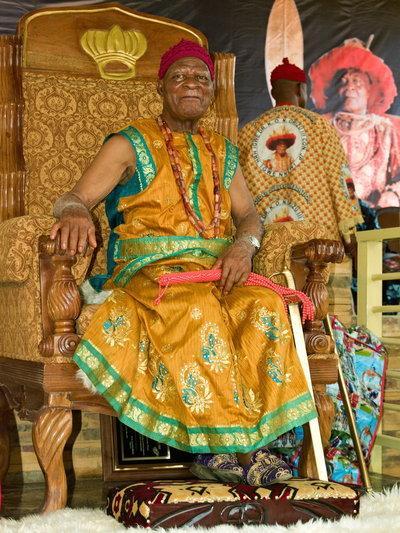
This is a symbolic cultural illustration depicting a distinguished Igwe of Ezebunagu in traditional Nsukka royal attire to represent the traditional ruler (Igwe) of Ezebunagu community is His Royal Highness, Igwe Daniel Ugwuanyi, seated in a palace courtyard with community symbols in the background. This is not a real photograph, but a respectful artistic representation of the Igwe.This is a symbolic cultural illustration depicting a distinguished Igwe of Ezebunagu in traditional Nsukka royal attire to represent the traditional ruler (Igwe) of Ezebunagu community is His Royal Highness, Igwe Daniel Ugwuanyi, seated in a palace courtyard with community symbols in the background. This is not a real photograph, but a respectful artistic representation of the Igwe.
 0 Comments 0 Shares 736 Views 0 Reviews
-
Ezebunagu is an autonomous community located within Eha-Alumona, in the Nsukka Local Government Area (LGA) of Enugu State, southeastern NigeriaEzebunagu is an autonomous community located within Eha-Alumona, in the Nsukka Local Government Area (LGA) of Enugu State, southeastern Nigeria
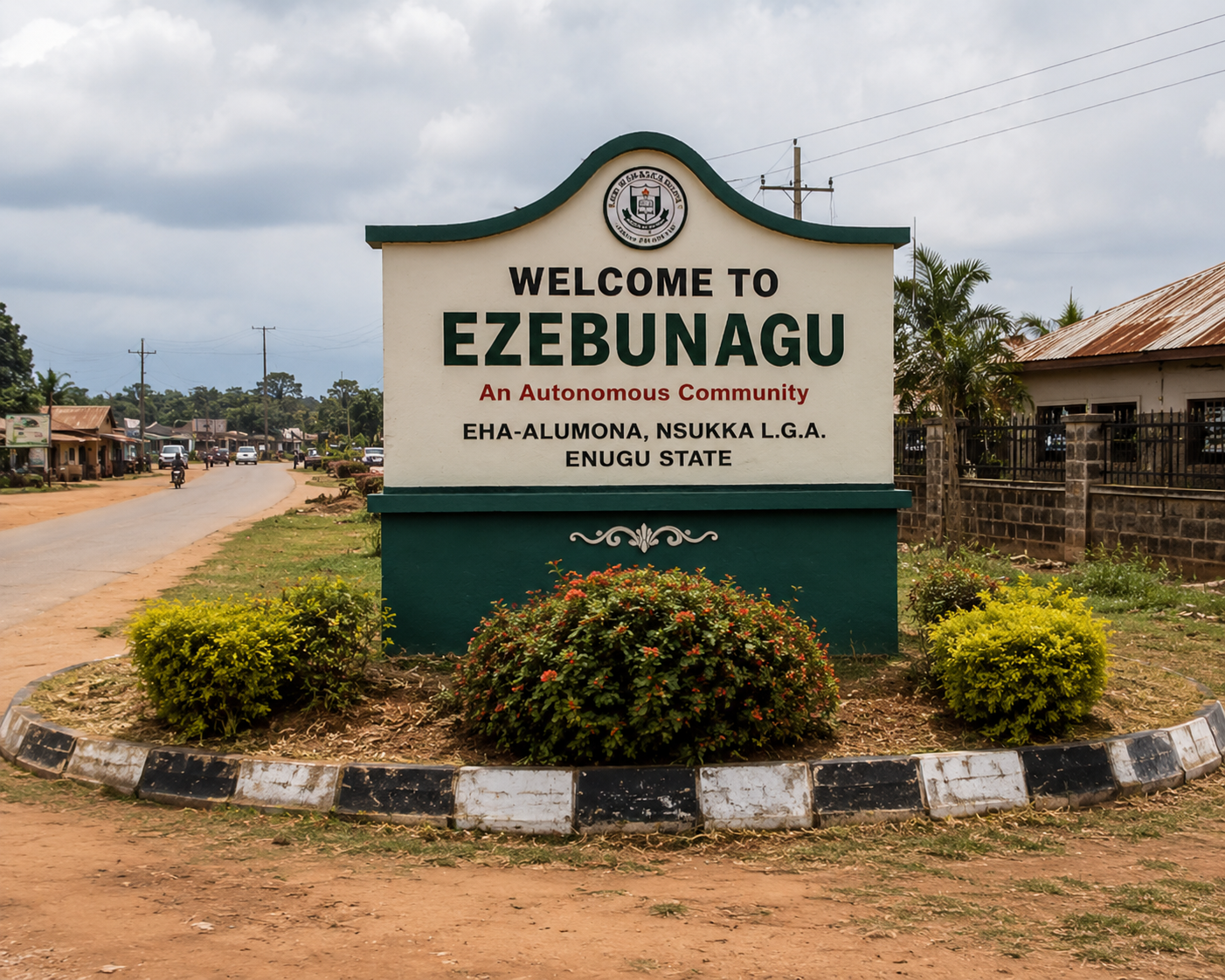 0 Comments 0 Shares 764 Views 0 Reviews
-
Historic Landmark Event: Abolition of the Caste System (2021–2022)
One of the most significant and well-documented events involving Ezebunagu is a landmark reconciliation ceremony that made national news.
During the ceremony, Igwe Donatus Eze, representing the victims of the long-standing discrimination, formally apologised. Igwe Daniel Ugwuanyi, the Igwe of Ezebunagu, accepted the apology on behalf of all the oppressed — past and present. His acceptance speech marked the definitive eradication of the discrimination in Eha-Alumona, opening a new page of mutual brotherhood and sisterhood between the formerly disparate groups.Historic Landmark Event: Abolition of the Caste System (2021–2022) One of the most significant and well-documented events involving Ezebunagu is a landmark reconciliation ceremony that made national news. During the ceremony, Igwe Donatus Eze, representing the victims of the long-standing discrimination, formally apologised. Igwe Daniel Ugwuanyi, the Igwe of Ezebunagu, accepted the apology on behalf of all the oppressed — past and present. His acceptance speech marked the definitive eradication of the discrimination in Eha-Alumona, opening a new page of mutual brotherhood and sisterhood between the formerly disparate groups.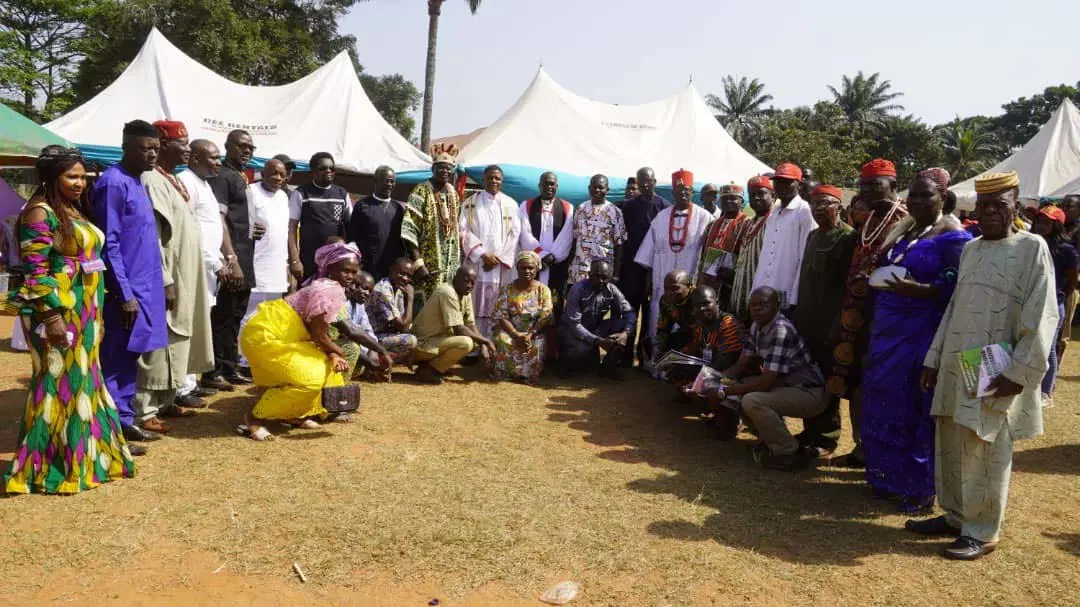 0 Comments 0 Shares 716 Views 0 Reviews1

-
Ezebunagu has its own government secondary school: Community Secondary School, Ezebunagu, located in Eha-Alumona, Nsukka LGA. It is listed as a government secondary school in Enugu State.Ezebunagu has its own government secondary school: Community Secondary School, Ezebunagu, located in Eha-Alumona, Nsukka LGA. It is listed as a government secondary school in Enugu State.
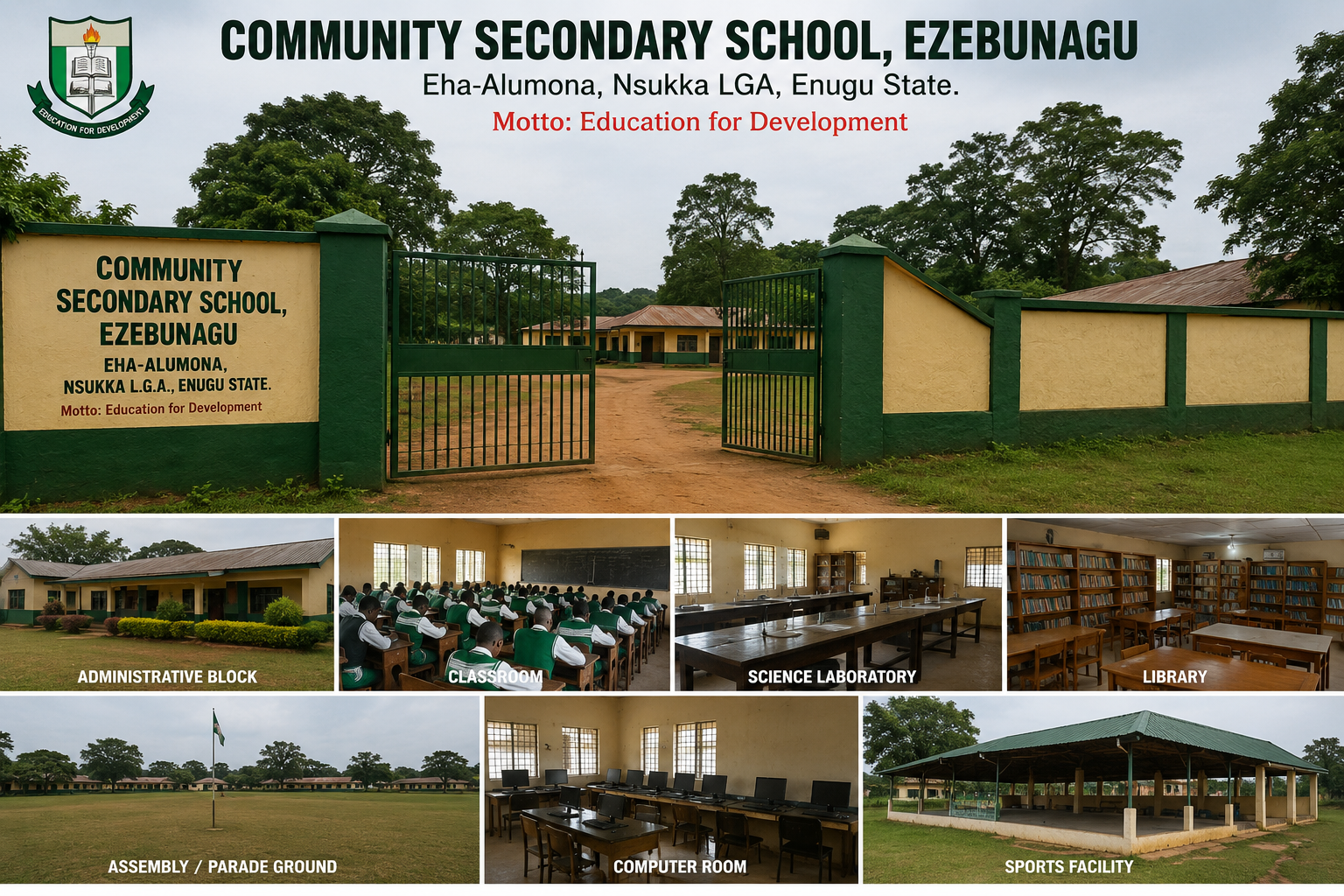 0 Comments 0 Shares 690 Views 0 Reviews
More Stories

Autonomous Communities
https://autonomouscommunities.com